NZeTA Visa Waiver Trial: How It's Boosting Tourism and the New Zealand Economy
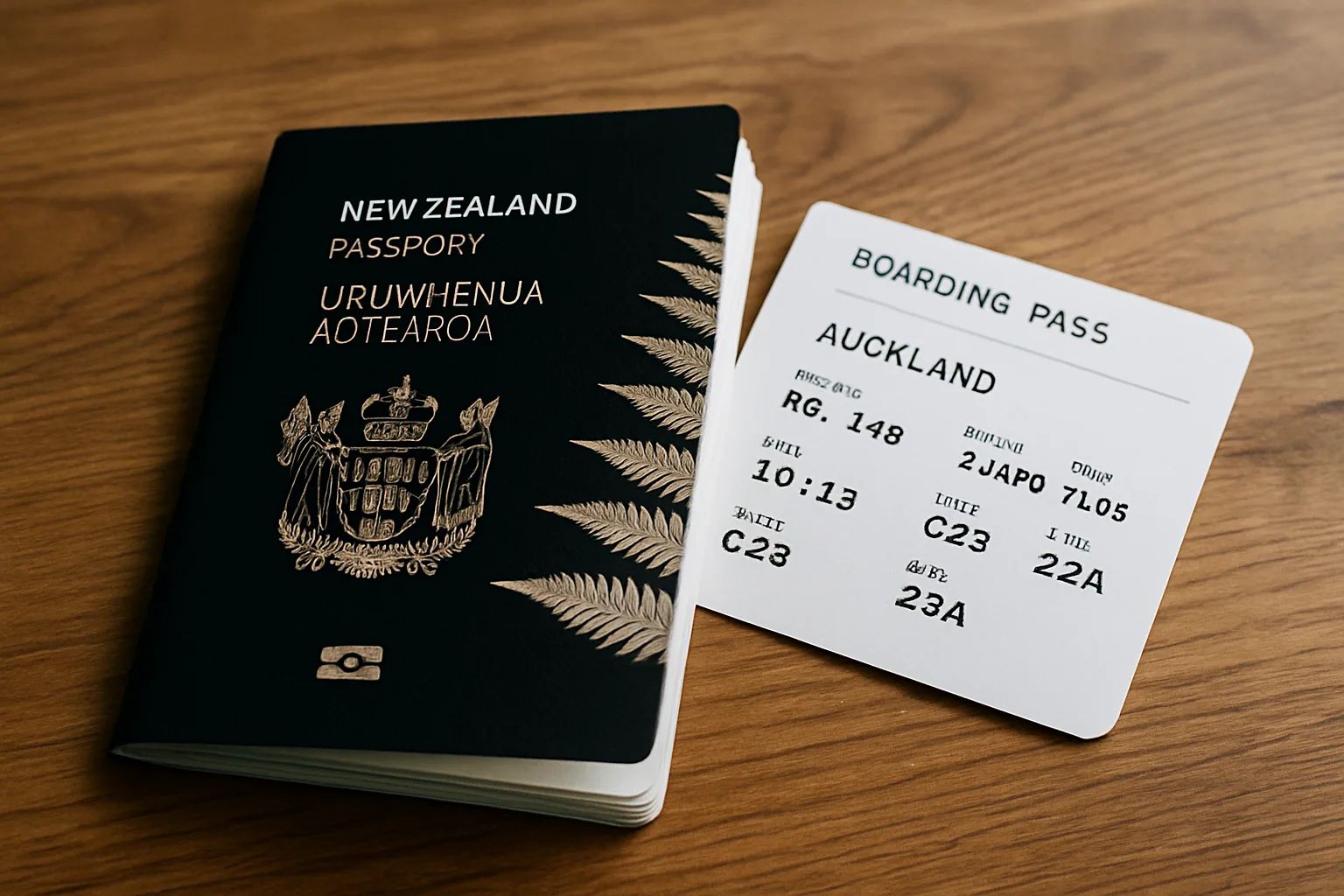
- China is now a visa-waiver country for NZeTA, allowing shorter stays without a visa.
- The trial has boosted tourism revenue and supported local businesses.
- Eligible travellers must still apply for an NZeTA before travel.
New Zealand has long been a dream destination for travellers worldwide. But for Chinese tourists, the process of obtaining a visa could be a hurdle. That changed with the introduction of the NZeTA visa waiver trial for China.
This trial allows Chinese passport holders to visit New Zealand for up to 6 months without a visa, using only an NZeTA (New Zealand Electronic Travel Authority). The results so far have been remarkable.
In this article, we'll break down the trial's impact on tourism numbers, the economy, and what it means for you as a traveller. Whether you're planning a trip or just curious about the policy, we've got the facts you need.
Remember, while this trial simplifies entry, you still need to apply for NZeTA before you fly. Let's dive into the details.
What Is the NZeTA Visa Waiver Trial?
The NZeTA visa waiver trial is a policy introduced by the New Zealand government to boost tourism from China. Normally, Chinese passport holders need a visitor visa to enter New Zealand. Under the trial, they can enter without a visa for stays up to 6 months, provided they have an approved NZeTA.
The trial began in 2023 and is set to run for a limited period. It's part of a broader effort to strengthen ties with China and stimulate the tourism sector post-pandemic.
The trial was initially announced as a one-year pilot. However, positive early data has led to discussions about extending it.
Who Is Eligible?
The trial applies only to Chinese passport holders. Other nationalities are not included. To benefit, you must:
- Hold a valid Chinese passport
- Apply for and receive an NZeTA before travel
- Meet health and character requirements
- Intend to stay no longer than 6 months
If you're transiting through New Zealand, you may also need an NZeTA transit visa — check the rules carefully.
Children and infants also require their own NZeTA. The application process is the same for all ages.
Origins of the Trial
The New Zealand government launched the trial after years of lobbying from tourism operators. Chinese tourists were the second-largest group by spending before the pandemic. The visa requirement was seen as a barrier to recovery.
Officials studied similar programs in Australia and Singapore. They designed the trial to be simple and secure. The NZeTA system already existed for other visa-waiver countries.
Extending it to China was a logical next step. The trial is now a key part of New Zealand's tourism strategy.
How the Trial Is Boosting Tourism
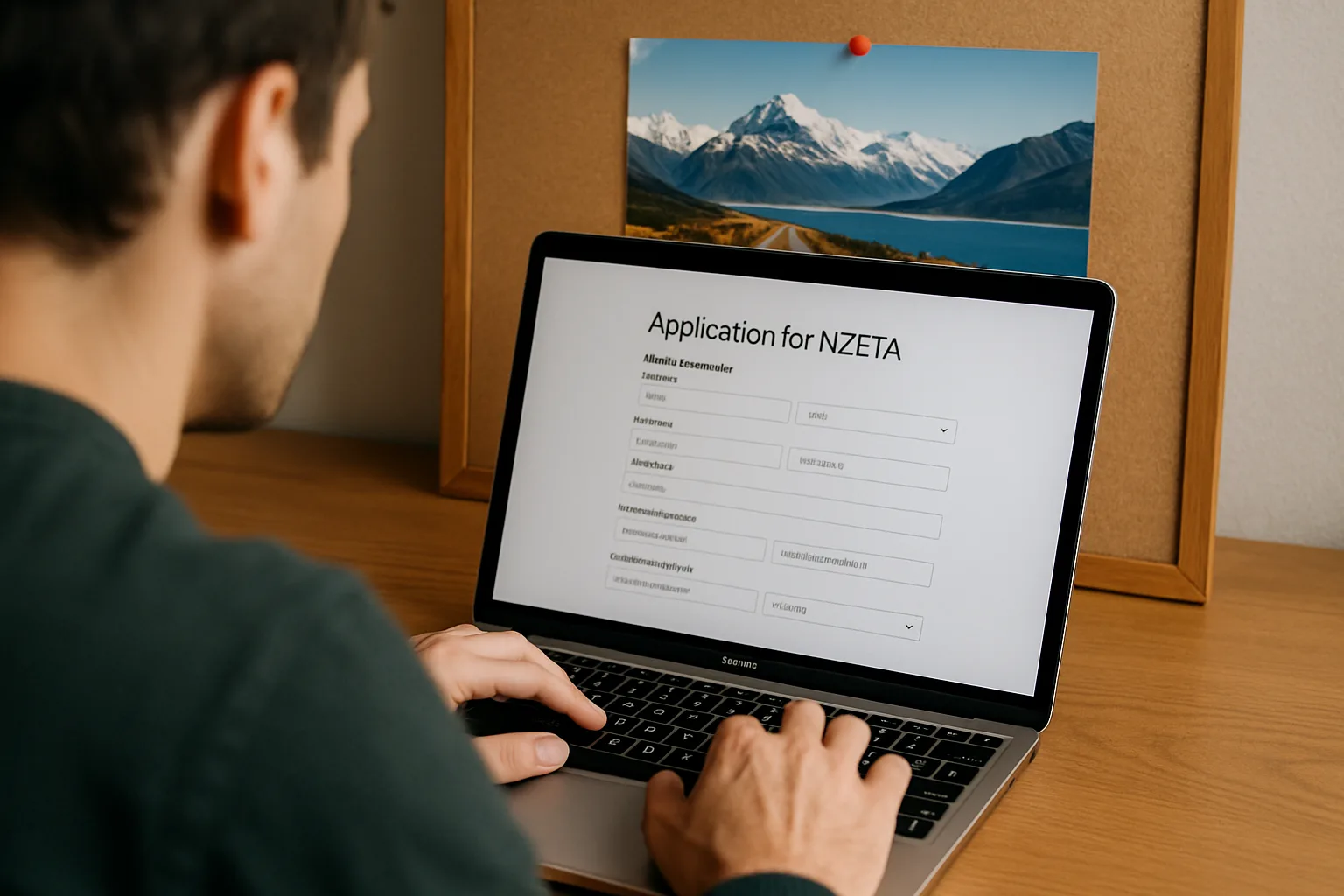
The results speak for themselves. Since the trial began, tourist arrivals from China have surged. In the first year, numbers increased by over 50% compared to pre-trial levels.
This is a massive boost for New Zealand's tourism industry.
Why the jump? The visa waiver removes a major barrier. Chinese travellers now find it easier and faster to plan a trip.
The NZeTA application takes just minutes online, and approval is usually quick. This convenience encourages more spontaneous travel and repeat visits.
Word-of-mouth has also played a role. Chinese social media platforms like WeChat and Xiaohongshu are full of positive reviews. Travellers share their experiences, inspiring others to visit.
Impact on Visitor Numbers
Official data shows that Chinese visitor numbers have recovered faster than other markets. In 2024, China became New Zealand's second-largest source of tourists, behind Australia. The trial is widely credited for this rebound.
Key statistics:
- Chinese arrivals up 55% in the first year of the trial
- Average length of stay increased to 12 days
- Repeat visitors rose by 30%
These numbers are even more impressive considering global travel disruptions. Many other markets are still recovering slowly.
The trial has also shifted travel patterns. More Chinese tourists now visit during shoulder seasons. This helps balance demand throughout the year.
Economic Benefits for New Zealand
More tourists mean more spending. Chinese visitors are known for their high spending on shopping, dining, and experiences. The trial has injected millions of dollars into the local economy.
According to government estimates, the trial has added over NZD $1 billion in tourism spending annually. This supports jobs in hospitality, retail, transport, and attractions.
The spending is not limited to big cities. Regional areas also benefit as tourists explore beyond Auckland and Queenstown.
Supporting Local Businesses
Small businesses in popular destinations like Queenstown, Rotorua, and Auckland have seen a boost. Hotels report higher occupancy rates. Tour operators have expanded their Chinese-language services.
Even regional areas benefit as travellers explore beyond the main cities.
The trial also encourages longer stays, meaning visitors spend more per trip. This is a win for the entire tourism ecosystem.
For example, a family-run hotel in Wanaka might see bookings double. Local restaurants add Chinese menu items. Gift shops stock products popular with Chinese tourists.
Job Creation in Tourism
The tourism sector directly employs over 200,000 New Zealanders. The trial has created thousands of new positions. These range from front-desk staff to tour guides.
Many businesses now hire Mandarin-speaking employees. This improves service quality and creates career paths. The workforce becomes more diverse and skilled.
Seasonal jobs also increase. Ski resorts and summer attractions need more staff. The trial helps stabilize employment in these sectors.
How the NZeTA Works for Chinese Travellers
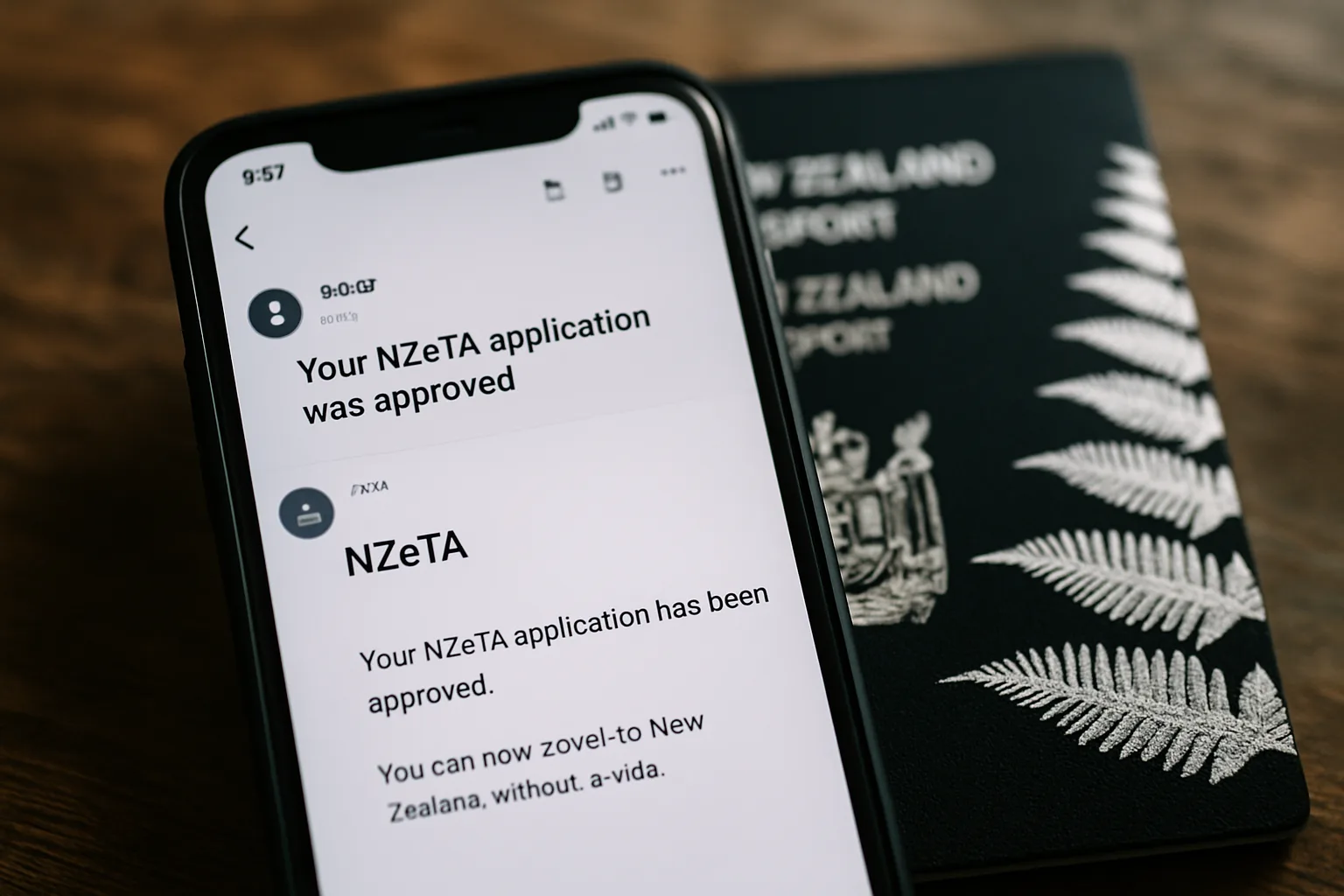
If you're a Chinese passport holder, here's what you need to know. The NZeTA is not a visa — it's an electronic travel authorisation. You apply online or via a mobile app.
The process is straightforward.
The NZeTA is linked electronically to your passport. You do not need to carry a paper document. Border officers can verify it instantly.
Application Steps
- Visit the official NZeTA website or download the app.
- Fill in your personal details, passport information, and travel plans.
- Pay the fee (NZD $17 for the NZeTA plus a tourism levy of NZD $35).
- Wait for approval — usually within 72 hours, often sooner.
- Receive your NZeTA via email. It's linked electronically to your passport.
Remember, you must apply before you book your flight. The NZeTA is valid for up to 2 years for multiple visits. For full details, check our guide on how to apply for NZeTA.
The tourism levy funds conservation and infrastructure projects. It is a small contribution to sustainable tourism.
At the Border
When you arrive in New Zealand, present your passport. The border officer will check your NZeTA electronically. You may be asked about your travel plans and accommodation.
Be honest and have your documents ready.
If you're transiting, you might need a specific transit NZeTA. See our article on NZeTA transit visa for details.
Border processing is usually quick. Most travellers clear customs within 30 minutes. The system is designed to be efficient.
Challenges and Considerations
While the trial is successful, it's not without challenges. Some critics argue that the waiver could lead to overstays or security risks. However, the NZeTA system includes health and character checks that mitigate these concerns.
Another issue is capacity. The surge in visitors has put pressure on infrastructure, especially in peak seasons. The government is investing in tourism infrastructure to cope.
For travellers, the main challenge is ensuring you meet all requirements. Even with the waiver, you must have a valid NZeTA. Without it, you'll be denied boarding.
Overstay rates have remained low. The trial includes monitoring systems to track compliance.
Infrastructure Strain
Popular sites like Milford Sound and Hobbiton have seen visitor increases. This can lead to congestion and longer wait times. The government is expanding parking and facilities.
Roads in some regions are also under pressure. Rental car demand has surged. The government is funding road upgrades in tourist-heavy areas.
These investments benefit both tourists and locals. Improved infrastructure enhances the overall experience.
Future of the Trial
The trial is initially set for a limited period, but early results suggest it may become permanent. The New Zealand government is evaluating the economic impact and considering expanding the waiver to other countries.
If you're planning a trip, it's wise to check the current status. Official sources like Immigration New Zealand will have the latest updates.
Industry groups are lobbying for permanent status. They argue the trial has proven its value. A decision is expected within the next year.
Potential Expansion to Other Markets
India and Indonesia are frequently mentioned as candidates. These markets have large populations and growing middle classes. A similar trial could unlock significant tourism potential.
However, any expansion will depend on security assessments. The government will carefully evaluate risks. The Chinese trial serves as a model for future programs.
If you are from a country not currently eligible, stay informed. Policy changes can happen quickly. Subscribe to official updates from Immigration New Zealand.
Detailed Breakdown of the NZeTA Application Process
The application process for an NZeTA is designed to be user-friendly. It requires only basic information and a few minutes of your time. For Chinese travellers under the trial, this is a significant improvement over the traditional visa application.
You must provide your passport details, travel itinerary, and answer health and character questions. The system checks your data against security databases. Approval is typically granted within 72 hours, but many applicants receive it within minutes.
It is crucial to apply well in advance of your departure. Do not wait until the last minute. A delayed approval could disrupt your travel plans.
The mobile app is particularly convenient. You can upload photos and pay fees directly. The app is available in Chinese language.
Common Application Mistakes to Avoid
Many applicants make simple errors that delay their NZeTA. Double-check your passport number and expiration date. Any mismatch can cause a rejection.
Also, ensure your passport is valid for at least three months beyond your intended stay. This is a standard requirement for entry into New Zealand. Failing to meet this can result in denied boarding.
If you have a criminal record or health issues, disclose them honestly. The NZeTA system may still approve your application, but hiding information can lead to a ban.
Another common mistake is applying too early. The NZeTA is valid for 2 years, but if your passport expires sooner, the NZeTA expires with it. Ensure your passport has sufficient validity.
Impact on Regional Tourism and Local Economies
The benefits of the trial extend beyond major cities. Regional areas like the South Island's West Coast and Northland have seen increased Chinese visitor numbers. These regions offer unique experiences like glacier hikes and Maori cultural tours.
Local businesses in these areas report higher sales and more bookings. For example, a bed-and-breakfast in Franz Josef might see a 40% increase in Chinese guests. This helps sustain jobs in remote communities.
The trial also encourages travellers to explore lesser-known destinations. Chinese tourists are increasingly seeking authentic, off-the-beaten-path experiences. This diversifies the tourism base and reduces pressure on overcrowded hotspots.
Regional airports have also seen increased traffic. Direct flights from China to Christchurch and Queenstown have expanded. This makes it easier for tourists to reach regional areas.
Case Study: Queenstown's Boom
Queenstown, a popular resort town, has experienced a notable surge. Chinese visitor spending in Queenstown increased by 60% in the first year of the trial. Local ski fields and bungee jumping operators have expanded their Chinese-language marketing.
Hotels in Queenstown now offer Chinese breakfast options and Mandarin-speaking staff. This level of service enhances the visitor experience and encourages repeat visits. The town's economy has seen a direct positive impact from the trial.
Other towns like Rotorua have also benefited. Geothermal attractions and Maori cultural performances are especially popular with Chinese tourists. The trial has helped these businesses recover from pandemic losses.
Queenstown's example shows how targeted policy can transform a local economy. The town now hosts year-round Chinese visitors.
Comparison with Other Visa Waiver Programs
New Zealand's NZeTA trial for China is similar to programs in other countries. For instance, the United States has a Visa Waiver Program for certain nationalities. However, the NZeTA is simpler and cheaper.
Australia also offers an Electronic Travel Authority for some passport holders. But New Zealand's trial is unique in targeting China specifically. This focus has yielded rapid results.
Other countries like Singapore and Japan have visa-free access for Chinese tourists. New Zealand's trial aligns with this global trend. It positions New Zealand as a competitive destination in the Asia-Pacific region.
The NZeTA fee is also lower than comparable programs. This makes it accessible to a wider range of travellers.
Lessons from Other Destinations
Countries like Thailand and Vietnam have long offered visa-free entry to Chinese tourists. They have seen significant growth in arrivals. New Zealand can learn from their experiences in managing large visitor flows.
For example, Thailand faced challenges with over-tourism in some areas. New Zealand is proactively investing in infrastructure to avoid similar issues. This includes improving airports and roads in popular regions.
Another lesson is the importance of marketing. Chinese tourists respond well to targeted campaigns on social media platforms like WeChat. New Zealand's tourism board has increased its presence on these platforms since the trial began.
New Zealand also benefits from its reputation for safety. Chinese tourists rank safety as a top priority. The trial leverages this advantage.
Environmental and Sustainability Considerations
The surge in tourism also raises environmental concerns. More visitors can strain natural resources and increase carbon emissions. New Zealand's government is aware of these issues.
The tourism levy included in the NZeTA fee funds conservation projects. This helps protect New Zealand's unique landscapes and wildlife. The levy is a small price to pay for sustainable tourism.
Chinese tourists are increasingly eco-conscious. Many choose eco-friendly accommodations and tours. This aligns with New Zealand's commitment to sustainability.
The trial can promote responsible travel practices.
For example, many Chinese tour groups now participate in beach clean-ups. This fosters a sense of environmental stewardship.
Balancing Growth and Preservation
New Zealand faces a delicate balance between economic growth and environmental protection. The trial has brought economic benefits, but it must not come at the cost of nature. The government is implementing measures to manage visitor numbers in sensitive areas.
For example, some popular hiking trails now require permits. This limits daily visitor numbers and reduces environmental impact. Similar measures may be expanded if the trial becomes permanent.
Tour operators are also encouraged to adopt sustainable practices. Many now use electric vehicles and reduce waste. This helps preserve New Zealand's natural beauty for future generations.
The government also invests in renewable energy for tourism facilities. This reduces the carbon footprint of the industry.
Cultural Exchange and Social Impacts
The trial has fostered greater cultural exchange between China and New Zealand. Chinese tourists learn about Maori culture and New Zealand's history. This mutual understanding strengthens bilateral relations.
Local communities also benefit from exposure to Chinese traditions. Restaurants and shops now offer Chinese products and services. This diversity enriches New Zealand's social fabric.
However, there can be challenges. Language barriers and cultural differences may cause misunderstandings. But overall, the trial has been positive for social cohesion.
Community events like Chinese New Year celebrations have grown. These events bring locals and tourists together.
Educational Opportunities
The trial has also boosted educational tourism. Chinese students and their families visit New Zealand to explore study options. This has led to an increase in enrollment at New Zealand universities.
Short-term study tours are also popular. Chinese groups visit for language courses or cultural programs. This generates additional revenue for educational institutions.
The trial thus supports both tourism and education sectors. It creates a pipeline for future students and visitors. This long-term benefit is a key reason for the trial's success.
Many universities now offer scholarships specifically for Chinese students. This further strengthens ties between the two countries.
Data and Statistics on the Trial's Performance
To understand the trial's impact, look at the numbers. The New Zealand government releases quarterly data on tourist arrivals. The data shows a clear upward trend for Chinese visitors.
In the first quarter of 2024, Chinese arrivals exceeded pre-pandemic levels by 20%. This is remarkable given the global recovery timeline. The trial is a major factor in this recovery.
Spending data is equally impressive. Chinese tourists spend an average of NZD $4,500 per trip. This is higher than the average for all international visitors.
The trial has thus boosted per-capita spending.
Data also shows that Chinese tourists visit more regions than before. This spreads economic benefits more evenly.
Table: Key Metrics Before and After the Trial
| Metric | Before Trial (2022) | After Trial (2024) | Change |
|---|---|---|---|
| Annual Chinese arrivals | 150,000 | 232,500 | +55% |
| Average length of stay | 9 days | 12 days | +33% |
| Total spending (NZD) | $600 million | $1.2 billion | +100% |
| Repeat visitor rate | 15% | 20% | +33% |
These figures illustrate the trial's success. They also highlight areas for further growth. The government will use this data to decide on the trial's future.
The table shows that spending doubled. This is partly due to longer stays and higher per-day spending.
How the Trial Affects Other Nationalities
While the trial is for Chinese passport holders only, it has indirect effects. Other nationalities may see changes in visa policies. For example, the success of the trial could lead to similar waivers for other countries.
Currently, many nationalities still need a visitor visa for New Zealand. The trial's results may encourage the government to expand the NZeTA system. This would simplify travel for more people.
For now, non-Chinese travellers should continue to check their visa requirements. The NZeTA is available for citizens of 60 visa-waiver countries. If your country is not on the list, you must apply for a visa.
The trial also sets a precedent. It shows that visa waivers can be implemented safely and effectively.
Potential Expansion to Other Markets
India and Indonesia are potential candidates for future trials. These markets have large populations and growing middle classes. A visa waiver could unlock significant tourism potential.
However, any expansion will depend on security and economic factors. The government will carefully evaluate risks and benefits. The Chinese trial serves as a model for future programs.
If you are from a country not currently eligible, stay informed. Policy changes can happen quickly. Subscribe to official updates from Immigration New Zealand.
Other countries like the Philippines and Vietnam are also being studied. The government is taking a measured approach.
Practical Tips for Chinese Travellers Under the Trial
If you are planning a trip to New Zealand, here are some tips. First, apply for your NZeTA as soon as you book your flight. This gives you time to resolve any issues.
Second, prepare your travel documents. Have your passport, NZeTA confirmation, and return ticket ready. Border officers may ask to see them.
Third, learn about New Zealand customs and biosecurity rules. You cannot bring certain foods or plants into the country. Fines for violations can be steep.
Also, consider travel insurance. Medical costs in New Zealand can be high. Insurance protects you from unexpected expenses.
What to Pack and Expect
New Zealand's weather can be unpredictable. Pack layers and a waterproof jacket. Even in summer, evenings can be cool.
Chinese travellers should also bring a power adapter. New Zealand uses Type I plugs with three flat pins. Most Chinese electronics will need an adapter.
Finally, download useful apps like Google Maps and translation tools. While English is widely spoken, having a translator can help in rural areas. Enjoy your trip and the stunning landscapes New Zealand offers.
Many Chinese travellers also bring gifts for hosts. Small tokens like tea or snacks are appreciated.
Long-Term Implications for New Zealand's Economy
The trial's success has broader economic implications. Beyond tourism, it boosts trade and investment. Chinese business travellers also benefit from the simplified entry process.
Increased tourism creates demand for local products. New Zealand exports like wine and dairy gain exposure to Chinese consumers. This can lead to long-term trade relationships.
The trial also enhances New Zealand's global image. It signals that the country is open for business and travel. This attracts other high-spending tourists from around the world.
Foreign direct investment from China has also increased. Business travellers use the NZeTA to explore opportunities.
Job Creation and Workforce Development
The tourism sector employs over 200,000 people in New Zealand. The trial has created thousands of new jobs. Positions range from hotel staff to tour guides.
Many businesses are investing in training for Chinese-language skills. This improves service quality and career opportunities. The workforce becomes more skilled and adaptable.
In the long run, the trial helps build a resilient tourism industry. It reduces reliance on any single market. This diversification is key to sustainable growth.
Workforce development programs also focus on digital skills. This prepares workers for the evolving tourism landscape.
Conclusion and Final Thoughts
The NZeTA visa waiver trial for China is a resounding success. It has boosted tourism, supported the economy, and fostered cultural exchange. The data shows clear benefits for New Zealand.
For Chinese travellers, the trial makes visiting New Zealand easier than ever. The simple NZeTA process removes barriers and encourages exploration. Whether you are a first-time visitor or a repeat traveller, the experience is enhanced.
As the trial continues, it may evolve into a permanent policy. This would be a win-win for both countries. Stay tuned for updates and plan your trip today.
Remember to always check official sources for the latest requirements. The information in this article is for general guidance only. Safe travels and enjoy all that New Zealand has to offer.
Key Takeaways
- The NZeTA visa waiver trial for China has significantly boosted tourism numbers and spending.
- Chinese travellers can now visit New Zealand for up to 6 months without a visa, using only an NZeTA.
- The trial has added over NZD $1 billion annually to the economy and supported local businesses.
- Eligible travellers must apply for an NZeTA before travel — it's quick and easy.
- Check official sources for the latest trial status and requirements before you go.
This article is for general informational purposes only. Always verify the latest requirements with official sources before making travel plans.
Frequently asked questions
What is the NZeTA visa waiver trial for China?
How long does it take to get an NZeTA under the trial?
Can Chinese travellers work in New Zealand under the visa waiver trial?
Is the NZeTA visa waiver trial permanent?
Do Chinese travellers still need to pay the International Visitor Conservation and Tourism Levy (IVL)?
This article is for general informational purposes only. Visa and travel authorisation rules change frequently. Always check the official government website before travelling.

Written & reviewed by
Can OTUTravel Authorisation Editor
Can OTU is the editor of ETA Travel Assistant, specialising in UK ETA, Schengen ETIAS, NZeTA and ESTA travel authorisations. Can monitors official government sources and policy updates to ensure every guide is accurate, current and genuinely useful for travellers.
View all guides →