Schengen Travel Insurance: How to Choose the Right Policy

- €30,000 is the legal floor, not a target — many well-priced policies offer €50,000-€100,000+ coverage for only a small premium difference.
- Price differences between providers meeting the exact same minimum requirements can be significant, so it's genuinely worth comparing at least three quotes rather than buying the first policy you happen to find.
- A policy's actual claims process — how fast they pay, whether they require upfront payment and reimbursement, and their genuine customer service track record — matters far more than the certificate itself once you actually need to use it.
Every single Schengen visa applicant needs travel insurance meeting the legal minimum, but "technically meets the minimum" and "is actually a genuinely good policy" aren't the same thing at all. Here's how to compare providers properly, what genuinely separates a solid policy from a bare-minimum one, and the specific mistakes that leave travellers under-covered despite technically satisfying the visa requirement on paper.
The legal minimum, and why it's just a starting point
To satisfy the Schengen visa requirement, your policy needs to cover at least €30,000 for medical emergencies, hospitalization, and repatriation, and remain valid across the whole Schengen area for your complete trip duration. This figure was originally set to cover the cost of a serious medical emergency without the traveller becoming a financial burden on the host country's healthcare system — it's genuinely meant as a floor, not a recommendation for what you should actually carry in practice.
Emergency medical evacuation and serious hospitalization in Europe can, in genuinely severe cases, exceed €30,000, particularly for extended ICU stays or long-distance medical repatriation flights home. This is exactly why comparing coverage levels across providers — not just checking the box that says "meets requirement" — is worth the extra few minutes.
What actually varies between insurance providers

- Coverage amount: ranges from the bare €30,000 minimum up to €500,000+ on more comprehensive policies, often for a surprisingly small difference in premium.
- Deductibles/excess: some policies have a per-claim excess you pay before coverage kicks in — check this figure, since a policy with a low headline price sometimes hides a high excess.
- Pre-existing condition coverage: varies significantly — some providers exclude pre-existing conditions entirely, others offer coverage for an additional premium, and this matters a great deal if you have an ongoing health condition.
- Trip cancellation and interruption coverage: not required for the visa itself, but often bundled into travel insurance policies at a modest additional cost, and genuinely useful if your trip involves non-refundable bookings.
- Baggage and personal belongings coverage: also not required for the visa, but a common add-on worth considering depending on what you're travelling with.
- Claims process: some insurers pay medical providers directly (cashless treatment), while others require you to pay upfront and claim reimbursement afterward — the latter can be a real problem if you don't have the funds available during a medical emergency abroad.
How to actually compare quotes
- Get at least three separate quotes from different providers for the exact same trip dates, destination, and traveller age/details, so you're genuinely comparing like-for-like.
- Check the coverage amount first and foremost — anything below €30,000 doesn't satisfy the visa requirement at all, regardless of price.
- Read the exclusions section carefully, not just the headline coverage summary — this is where the real differences between "cheap" and "genuinely good value" policies usually show up.
- Check whether the policy explicitly states Schengen-area validity and mentions the visa requirement by name — a generic travel insurance policy that doesn't specifically reference Schengen visa compliance can occasionally cause confusion at your visa appointment, even if the coverage amount technically qualifies.
- Look carefully for reviews or complaint records focused specifically on the claims process itself, not just the purchase experience — a policy that's easy to buy but slow or difficult to claim against isn't the bargain it looks like on paper.
Age, pre-existing conditions, and other factors that affect price
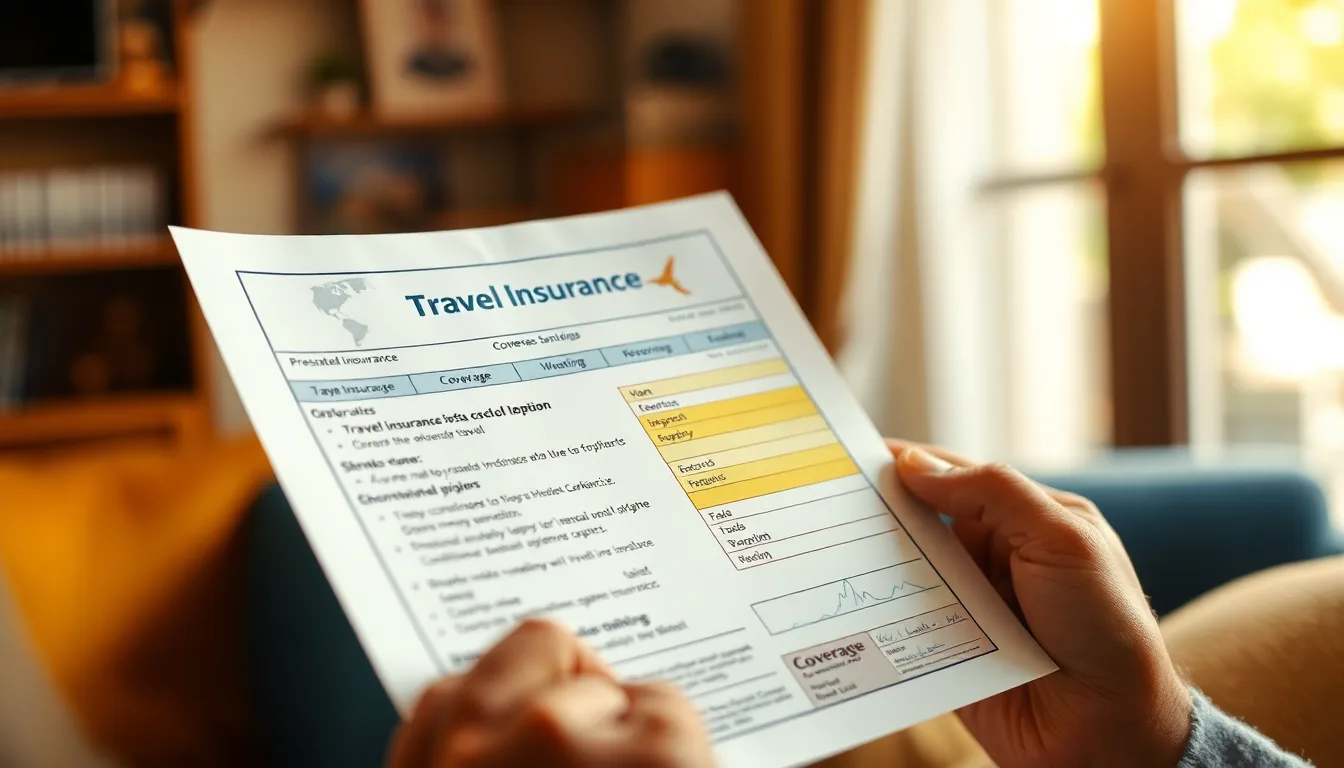
- Age: premiums generally increase with traveller age, sometimes significantly for travellers over 65-70, since older travellers statistically carry higher medical risk.
- Trip length: longer trips cost more to insure, proportionally, though many providers offer better per-day rates for longer multi-week or multi-month policies compared with short weekend-trip coverage.
- Destination within Schengen: most Schengen-wide policies charge a flat rate regardless of which specific country you're visiting, though a few providers price differently for known higher-cost medical markets.
- Activity level: if your trip includes higher-risk activities (skiing, hiking at altitude, certain sports), check whether the standard policy covers this or whether you need a specific add-on — a policy that excludes your planned activities technically satisfies the visa requirement but leaves you genuinely uncovered if something happens.
Group and family policies
If you're travelling with family or as part of a group, check whether the provider offers a multi-traveller or family policy rather than buying separate individual policies. This often works out cheaper per person and simplifies the paperwork for your visa application, since you can submit one certificate covering everyone rather than several separate documents. Confirm that the family or group policy still meets the €30,000-per-person minimum, since some bundled policies calculate coverage per-family rather than per-individual, which can fall short of what each traveller's visa application actually requires.
Annual multi-trip policies vs. single-trip policies
If you travel to the Schengen area more than once or twice a year, an annual multi-trip policy can work out considerably cheaper than buying a new single-trip policy for each visit, and it simplifies future visa applications since you already have valid coverage in place.
- Check the maximum trip length covered under the annual policy — most cap individual trips at 30, 60, or 90 days, so confirm this matches your typical trip length.
- Confirm the policy explicitly states it meets the Schengen visa insurance requirement, since not all annual travel policies are marketed with this specific compliance in mind.
- If you hold a multiple-entry Schengen visa, an annual policy that stays continuously valid removes the hassle of arranging new coverage before each trip.
Digital certificates and how consulates verify them
Most modern insurance providers issue a digital certificate immediately after purchase, often as a PDF you can print at home. A few practical points on this:
- Print the certificate on standard paper unless your specific consulate requests something different — there's usually no need for special paper or a physical stamp, though some providers include a QR code or verification link that consulates can use to confirm the policy's validity directly.
- Keep a digital copy accessible on your phone as a backup, in case your printed copy is lost or damaged before your appointment.
- If your consulate specifically asks for an original wet-ink signed document rather than a printed digital certificate, check with your provider whether this is available — most mainstream providers can accommodate this if genuinely required, though it's not the norm.
What happens if you need to extend your trip after arriving
If your Schengen trip runs longer than planned — a missed connection turns into an extra week, or you simply decide to extend — your insurance needs to cover the actual dates you're in the Schengen area, not just your original planned dates.
- Contact your insurance provider as soon as you know you need to extend, since most allow a policy extension for an additional premium, provided you do this before the original coverage period ends.
- Extending coverage after it has already lapsed is often difficult or impossible with the same provider — don't wait until the last day to sort this out if your plans have changed.
- If you're also extending your actual stay beyond your visa's permitted dates, that's a separate and more serious issue than insurance — check your visa conditions and, if needed, look into the formal process for extending your Schengen stay through the relevant immigration authority.
Common mistakes when buying Schengen travel insurance
- Buying the cheapest policy without checking the exclusions, only to discover gaps in coverage that matter during an actual emergency.
- Letting coverage lapse partway through the trip — a policy purchased for the original planned dates that doesn't get extended if your trip runs longer leaves you uninsured (and technically out of visa compliance) for the extra days.
- Assuming domestic health insurance or a credit card's built-in travel coverage automatically satisfies the Schengen requirement — many of these don't meet the specific coverage amount, area validity, or documentation format consulates expect, so check carefully rather than assuming.
- Not printing the insurance certificate — most consulates want a physical printed certificate showing the coverage amount, dates, and Schengen-area validity clearly, not just a digital confirmation email.
- Buying insurance for the visa application only, then cancelling it before travel — this is both against the spirit of the requirement and genuinely risky, since you'd be travelling uninsured despite what your visa file states.
Buying insurance for children and elderly travellers
Family and older travellers often need a slightly different approach when comparing policies, since standard pricing tiers and coverage assumptions don't always fit these situations cleanly.
- Children: most providers offer reduced or sometimes free coverage for children travelling with an insured parent, though check whether this applies automatically or requires adding each child individually to the policy.
- Travellers over 65-70: premiums rise noticeably in this age bracket, and some providers cap the maximum age they'll cover entirely — if you're arranging insurance for an older relative, check the provider's maximum age limit before assuming any policy will work.
- Pre-existing conditions in older travellers: this is where the exclusion question matters most, since older travellers are statistically more likely to have an ongoing condition — specifically look for providers offering a "medical declaration" or "condition disclosure" process that lets you get coverage confirmed for a known condition, rather than discovering an exclusion only after a claim.
Regional differences in provider availability
Not every insurance provider operates in every country, and the options available to you can vary significantly depending on where you're applying from:
- Applicants in the EU or nearby European countries typically have access to the widest range of specialist Schengen visa insurance providers, given the concentrated market demand.
- Applicants from further afield may find more limited local options, making international travel insurance comparison sites a useful way to see a broader range of providers that specifically serve your country of residence.
- Some visa application centers (VFS Global, TLScontact, and similar) offer a partnered insurance product directly through their booking portal — this is convenient, but it's still worth comparing the price and coverage against independent options rather than assuming the partnered product is automatically the best value.
Should you buy insurance before or after booking your appointment?
There's no strict rule requiring insurance to be purchased at a specific point in the process, but a sensible order avoids unnecessary cost and hassle:
- Confirm your travel dates are reasonably firm before buying insurance, since a policy tied to specific dates that then change may need adjusting or replacing.
- Purchase your policy with enough lead time before your appointment to have the printed certificate ready — most providers issue documents instantly or within a day, so this rarely needs more than a few days' buffer.
- Avoid purchasing insurance many months in advance of a trip that's still not fully confirmed, since some providers charge a modification or cancellation fee if your dates shift substantially afterward.
Using comparison sites vs. buying directly from an insurer
Both approaches have genuine advantages, and the right choice depends on how much time you want to spend shopping around:
- Comparison sites let you see multiple providers' pricing and coverage side by side quickly, which is useful for a first pass to understand the general price range for your trip and traveller profile.
- Buying directly from an insurer sometimes offers marginally better pricing (avoiding a comparison site's referral commission) and can make it easier to ask specific questions about exclusions or claims processes before purchasing.
- A reasonable approach: use a comparison site to shortlist two or three providers whose coverage and price look genuinely strong, then check each one's own website directly for the final purchase, confirming nothing has changed between the comparison listing and the insurer's actual current policy terms and pricing.
- Whichever route you take, save a copy of the exact policy wording you reviewed at the time of purchase — insurers occasionally update their terms, and having your own record protects you if a dispute arises later about what was covered when you bought the policy.
What to check on your insurance certificate before submitting it
- Your name spelled exactly as it appears on your passport.
- The coverage amount, clearly stated and meeting or exceeding €30,000.
- Explicit mention of Schengen-area validity, not just a specific country.
- Dates that fully cover your entire trip, including your entry and exit days, with no gaps.
- The insurer's contact information and policy number, in case a consulate needs to verify the policy.
Standalone travel insurance vs. specialist Schengen visa insurance products
You'll typically encounter two categories of product when shopping for coverage: general travel insurance policies that happen to meet the Schengen requirement, and products specifically marketed as "Schengen visa insurance." Both can work, but they have slightly different strengths worth understanding:
- General travel insurance from established insurers often bundles broader coverage — trip cancellation, baggage, sometimes rental car excess — alongside the medical coverage, and tends to have a more established claims infrastructure given the insurer's wider customer base.
- Specialist Schengen visa insurance products are built specifically around the visa requirement, often producing a certificate formatted exactly the way consulates expect, with the coverage amount and Schengen-area validity stated explicitly and prominently. These can be simpler to use purely for visa purposes, though they sometimes offer less in the way of broader travel protection.
Neither category is universally better — it depends on whether you want a single policy that also protects your wider trip (cancelled flights, lost luggage) or a more narrowly focused product purely aimed at satisfying the visa requirement as cleanly and cheaply as possible.
How claims actually work in practice
Understanding what happens if you actually need to use your policy — rather than just what the certificate says — is worth thinking through before you buy, not after something goes wrong:
- Cashless/direct billing policies: the insurer pays the hospital or clinic directly, meaning you're not out of pocket during the emergency itself. This is the more traveller-friendly model, particularly useful if you don't have significant emergency funds available.
- Pay-and-claim policies: you pay the medical provider upfront and submit a claim for reimbursement afterward, which can take days or weeks to process. This model works fine if you have the funds available to cover the initial cost, but can be a genuine problem otherwise.
- 24/7 emergency assistance lines: most reputable providers offer a round-the-clock phone line for emergencies, which can help coordinate care, arrange direct billing, or handle language barriers with local hospitals — check whether this is included and in which languages it operates.
If you're choosing between two otherwise similar policies, the claims model is often the single most important practical difference between them, even though it rarely appears prominently in marketing materials or price comparison summaries.
Reading the fine print on exclusions
Every policy has exclusions, and reading them carefully before you buy is one of the most valuable few minutes you can spend on your entire Schengen visa preparation. Common exclusion categories worth checking specifically:
- Pre-existing medical conditions — as covered above, handled very differently across providers, ranging from full exclusion to full coverage for an extra premium.
- Pregnancy-related complications — often excluded past a certain number of weeks, or requiring a specific declaration at purchase.
- High-risk activities — skiing, scuba diving, and certain adventure sports are frequently excluded from standard policies and require a specific add-on.
- Alcohol or substance-related incidents — many policies exclude claims where alcohol or drug use contributed to the injury or illness.
- Mental health treatment — coverage varies significantly here, and it's worth checking specifically if this matters to your situation.
None of these exclusions are unusual by industry standards, but knowing exactly what's excluded before you travel — rather than discovering it during a claim — is the whole point of comparing policies properly rather than just checking the coverage-amount box.
Key takeaways
- €30,000 is the legal minimum for Schengen visa insurance, but many well-priced policies offer significantly more coverage for a modest premium difference.
- Compare at least three quotes, checking coverage amount, exclusions, pre-existing condition handling, and the claims process — not just the headline price.
- Annual multi-trip policies are worth considering if you travel to the Schengen area more than once or twice a year.
- Domestic health insurance and credit card travel coverage often don't meet the specific Schengen visa requirements — check carefully before assuming they do.
- Print your insurance certificate and confirm it clearly states the coverage amount, Schengen-area validity, and your full trip dates before submitting your visa application.
This article provides general guidance, not official advice — always verify the exact insurance requirements with the official consulate or visa application center website for the specific country you're applying to.
Frequently asked questions
Quick answers on choosing Schengen visa travel insurance, covering the coverage, pricing, and provider questions applicants ask most before buying.
Frequently asked questions
How much Schengen travel insurance coverage should I actually buy?
Does my credit card travel insurance meet the Schengen visa requirement?
Is an annual multi-trip policy worth it for Schengen travel?
What should I check on my Schengen insurance certificate before submitting it?
Do I need trip cancellation coverage for a Schengen visa?
This article is for general informational purposes only. Visa and travel authorisation rules change frequently. Always check the official government website before travelling.

Written & reviewed by
Can OTUTravel Authorisation Editor
Can OTU is the editor of ETA Travel Assistant, specialising in UK ETA, Schengen ETIAS, NZeTA and ESTA travel authorisations. Can monitors official government sources and policy updates to ensure every guide is accurate, current and genuinely useful for travellers.
View all guides →