UK ETA Application Requirements: Documents & Eligibility
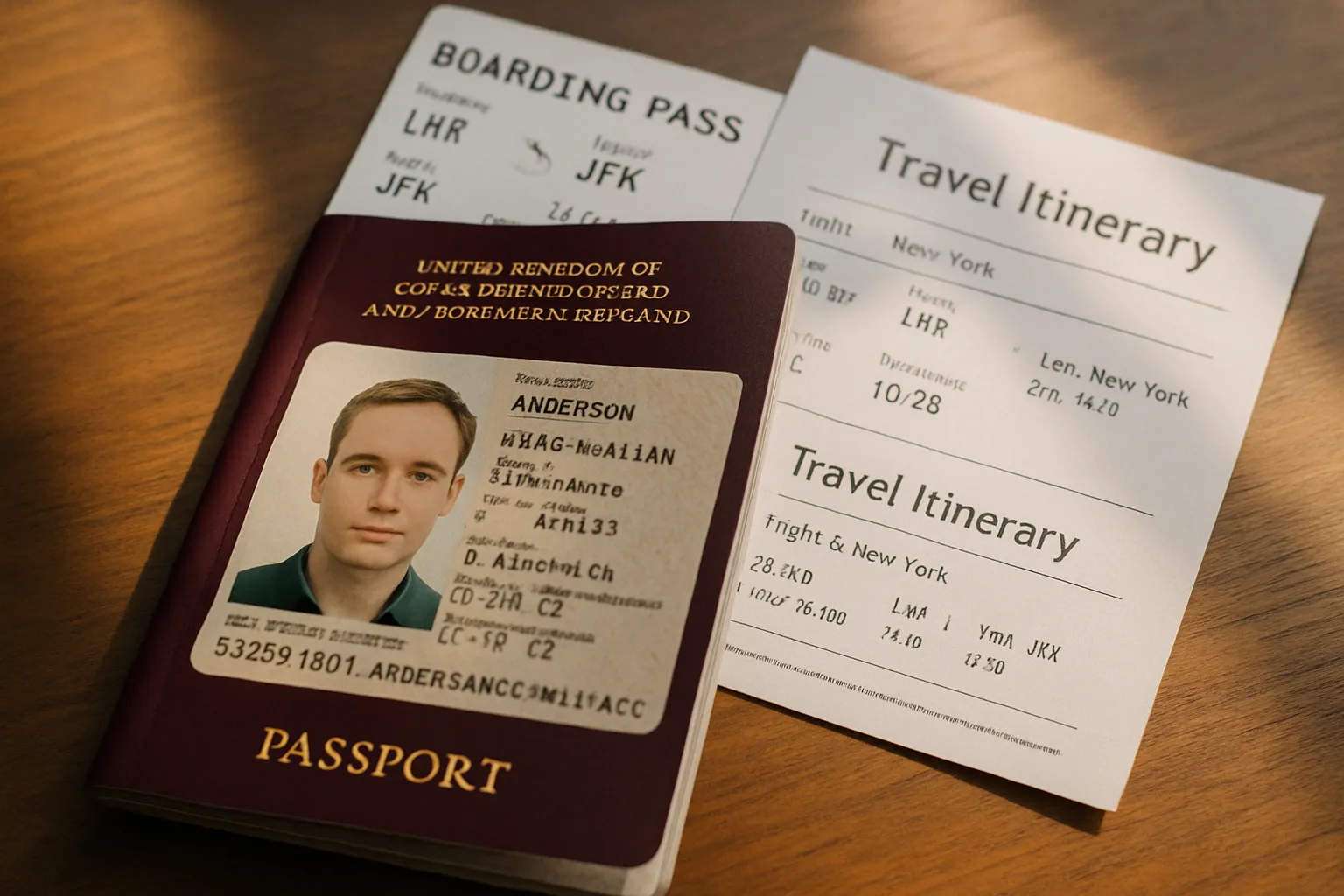
- Existing UK visas and certain other permissions remove the ETA requirement.
- British and Irish dual citizens cannot obtain an ETA by choosing their other passport.
- Wait for approval by email; the existing ETA checker is not a pending-application tracker.
A useful requirements checklist separates three things: eligibility for the route, the information used in the application, and the conditions for the journey itself. Having a clear passport photo does not settle whether a visa is required. An approved ETA also does not authorise every activity or guarantee entry.
This is general preparation guidance, not a decision on an individual case. Start with the official visa and ETA checker and read the current service instructions before submitting personal details.
Confirm eligibility before collecting documents
The ETA route is for specified nationals and purposes. Check the official ETA nationality list and any document conditions. A residence permit from another country does not change passport nationality or automatically qualify its holder for the visitor ETA route.
Then check exemptions. A valid UK visa, including a visitor visa, removes the need for an additional ETA. Existing permission to live, work or study in the UK is also among the exemptions. Do not invent an extra ETA requirement simply because the visa is short term.
British and Irish citizens cannot get an ETA, including dual citizens. The relevant question is citizenship, not whether someone currently holds both passport booklets. Check official citizenship-document options before travel instead of applying on the other passport. Our eligibility guide covers these distinctions.
The passport you will actually carry
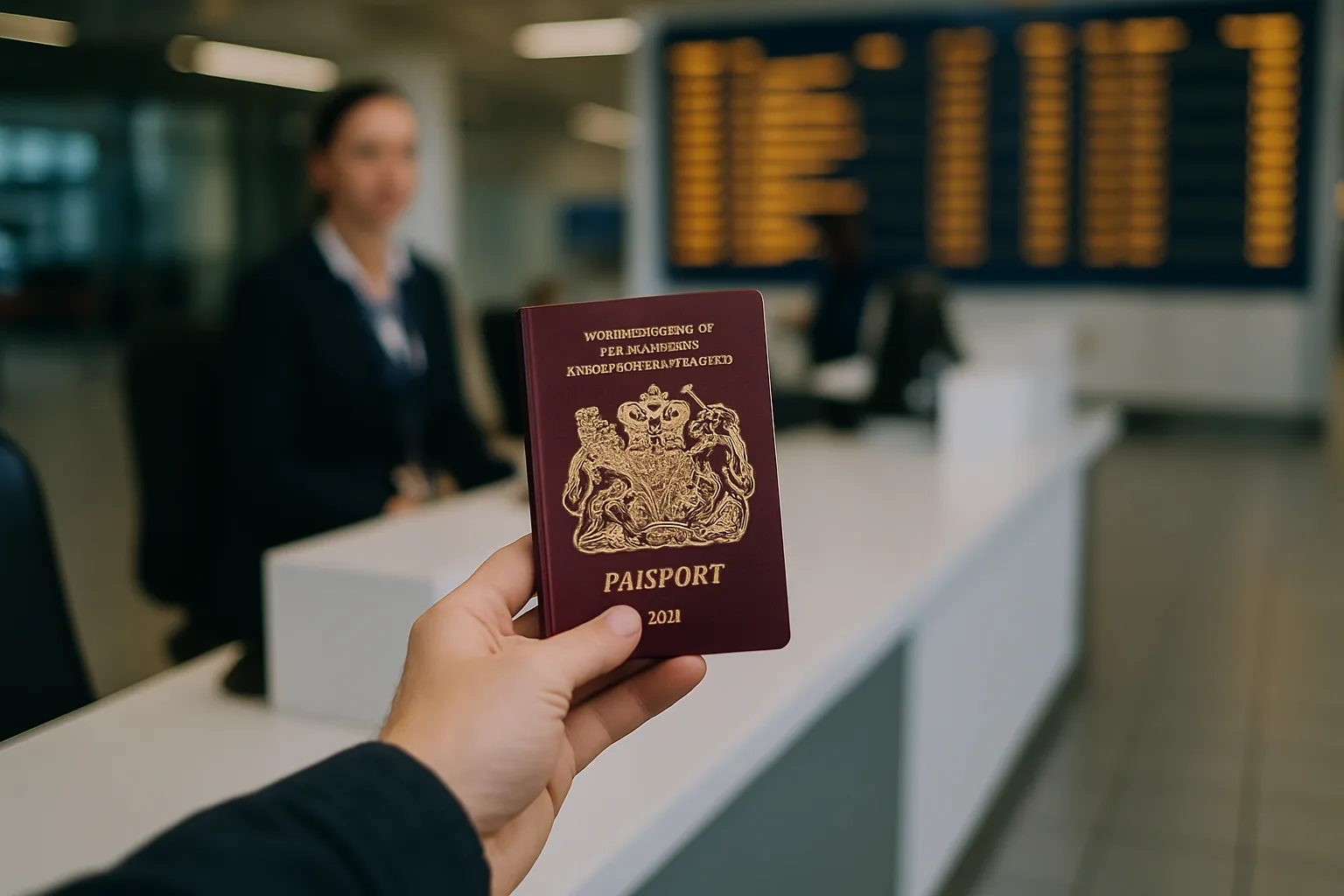
The official application page asks for the passport you will travel with. Appendix ETA requires a national passport establishing an eligible nationality. Other document types and unusual nationality cases need an official check rather than assumptions based on the cover colour.
The app asks you to photograph the original passport's photo page and attempt the chip scan. If the chip cannot be scanned, the official app guide says the details will be taken from the passport photograph. Check those details carefully. A failed scan does not automatically mean the traveller must obtain a visa.
If the app cannot be used, follow the online alternative. Device compatibility should be checked in the current instructions rather than an old fixed model list. Do not confuse the technical requirements of one scanning step with a blanket rule about every application route.
Check the passport number, name and dates against the document and follow the live form's input instructions. The authorisation will be linked to that passport; it is not a general record that automatically follows a person between different passports.
Face photograph: use the current file rules
The photo rules linked from GOV.UK specify a JPG or JPEG image, at least 600 pixels wide and 750 pixels tall, between 50KB and 6MB. The image must be vertically orientated, clear and unaltered; do not mirror it or add filters.
Use a plain light-coloured background with the required framing, no other person or object visible and no shadows on the face. Read the guidance on expression, head coverings and glasses, including the medical or religious exceptions. This is not a promise that any photograph against a white wall will pass.
Do not upload the same face photo that is in your passport or identity card. A photo of the passport page is a separate requirement, not a substitute for the applicant's face image. The old suggestion that the passport portrait can simply be reused is incorrect.
For the online route, have the required passport photograph and face photograph ready. In the app, follow the camera and photo prompts. If a warning appears, use the actual service instructions; this guide does not invent exact error-message text or guarantee how an image will be assessed.
Children: separate application, scan and photo rules
Each child who needs an ETA needs their own application and approval. A parent's ETA is not family permission. If applying for someone else through the app, they must be with you; use the online route if they are elsewhere.
The app face scan is requested for applicants aged 10 or older, but not children aged 9 or younger. That is different from the face photograph, which is still required. Children under six do not have to look directly at the camera or maintain a plain expression; babies under one do not have to have their eyes open.
For an applicant under 18, the app guide also asks for contact details of someone with parental responsibility. Prepare the actual child's information and follow the current instructions rather than copying an adult's answers into every application.
Email, payment and truthful answers
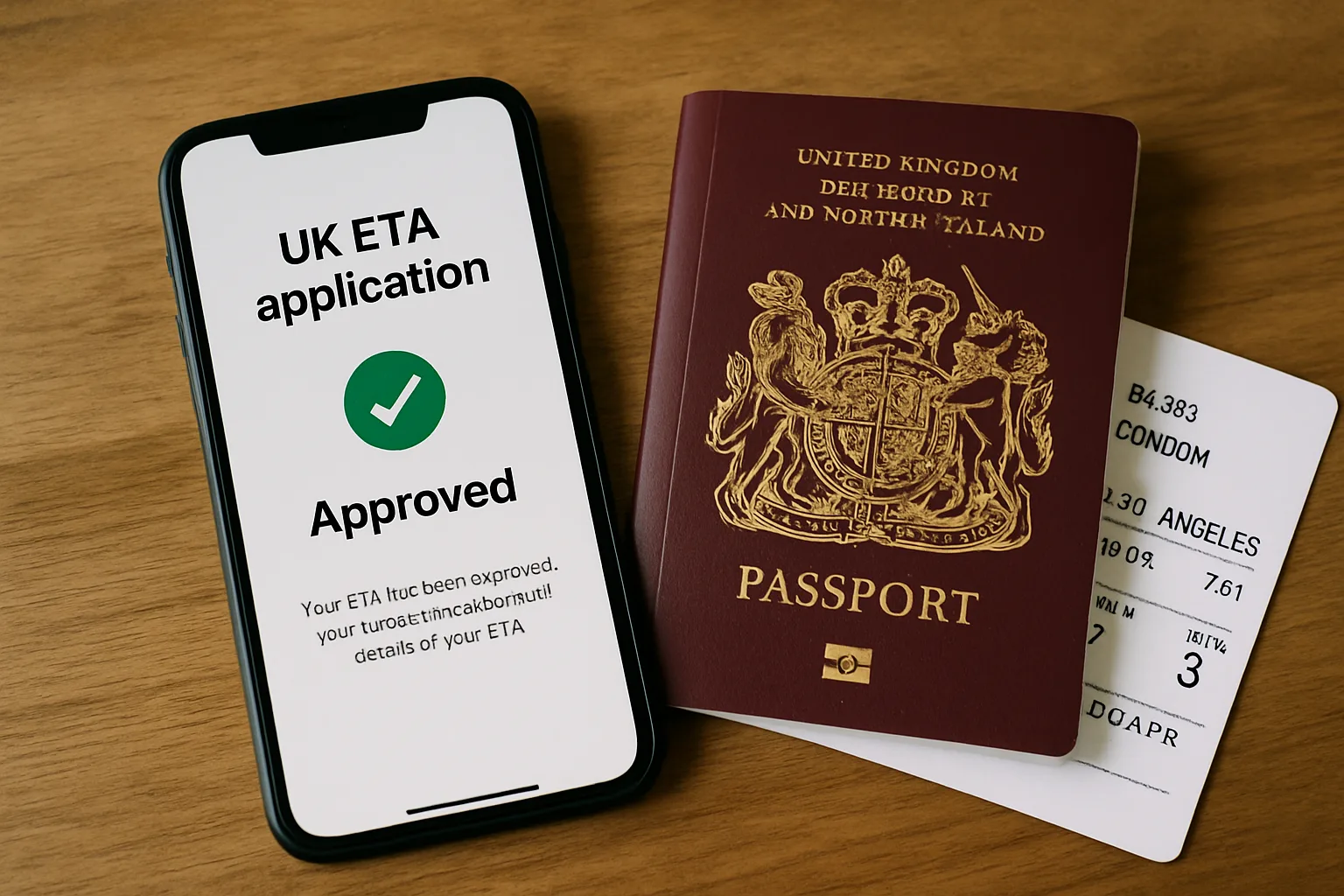
Have access to the email address used for the application. It is where the decision is sent, and group members may receive decisions at different times. Do not assume one approval email clears everyone for travel.
The official fee is GBP 20 for each applicant who needs an ETA. Accepted methods include credit or debit cards, Apple Pay and Google Pay. The app guide describes local-currency display and a choice of payment currency; check the amount at checkout and any charges from your provider.
The application asks about matters including address, job, other nationalities and criminal convictions. Answer the actual questions accurately. Do not use a generic statement about minor or spent convictions as a reason to omit information requested by the form. Seek regulated advice where the correct disclosure or route is unclear.
Purpose and transit requirements
ETA can support tourism, family visits, certain business activities and short-term study, generally for up to six months. The official guidance also describes specific permitted paid engagements and the Creative Worker concession. It is wrong to say no short study is ever permitted, but equally wrong to call ETA a general work authorisation.
For employment, marriage, longer study or other plans, check the purpose-specific route. A short duration does not make every activity permissible. Consult the official activity guidance.
Airside transit without passing UK border control is ETA-exempt. Confirm the actual itinerary with the airline. If crossing border control, check the appropriate permission and exemptions. Separate transit-visa rules can apply to particular passports; an ETA answer is not a universal visa answer.
Decision timing and the correct follow-up
GOV.UK says a decision usually arrives by email within a day, but can take up to three working days. Wait for an approval email before travelling; a submission or payment receipt is not permission. Working days should not be replaced with a 72-hour deadline.
If three working days pass without a decision, check spam or junk mail before contacting UKVI through the official help route. The existing ETA checker checks whether you have an ETA and its expiry. It cannot track a recent application still awaiting an ETA, so do not follow old advice to look for a pending account dashboard.
Read a negative decision carefully. Rejection, a need to change details and refusal are not interchangeable. GOV.UK describes reapplication for rejected applications or changed details; Appendix ETA directs a refused applicant to a visa if they wish to come to the UK. Do not promise that resubmitting the same facts will solve a refusal.
Before travel and after a passport change
An ETA lasts two years or until the passport expires, whichever comes first. A changed passport needs a new ETA; it does not inherit permission linked to the old number. Check existing permission before submitting a duplicate application for a new trip on an unchanged passport.
Official guidance says the ETA is linked digitally to the passport and only the passport is needed to show that authorisation when travelling. A screenshot is not a replacement for the correct document, and approval does not guarantee admission. Meet the other requirements for the actual journey.
Key takeaways
- Check the correct route and exemptions before applying.
- Use the travel passport and verify details even when the app reads them automatically.
- Follow current face-photo limits and child exceptions; do not reuse the passport portrait.
- Wait for each required approval and use the correct official follow-up after three working days.
- Check purpose, transit and passport changes independently of a simple documents checklist.
Official sources
- Application documents and decision follow-up
- Chip scan fallback and child scan rules
- Photo limits and passport portrait prohibition
- Citizenship and UK visa exemptions
- Short study and activity limits
- Existing checker limits
Key facts checked : Official passport/photo/application requirements, failed chip scan, UK visa/dual-citizen exemptions, permitted short study and pending/refusal distinctions.
Editorial changes
- : Corrected short-visit visa exception, British dual ETA advice, blanket chip requirement, reuse of passport portrait, 10MB photo limit, study prohibition and pending dashboard/72-hour advice. Distinguished refusal from rejected/changed applications; preserved figures and aligned FAQs.
Frequently asked questions
Do I need an ETA as well as a short-visit UK visa?
Does a failed passport chip scan mean I need a visa?
Can I reuse my passport face photo for the ETA?
Does an ETA prohibit all short-term study?
Where do I track a pending ETA application?
This article is for general informational purposes only. Visa and travel authorisation rules change frequently. Always check the official government website before travelling.

Written & reviewed by
Can OTUTravel Authorisation Editor
Can OTU is the editor of ETA Travel Assistant, specialising in UK ETA, Schengen ETIAS, NZeTA and ESTA travel authorisations. Can monitors official government sources and policy updates to ensure every guide is accurate, current and genuinely useful for travellers.
View all guides →