UK ETA Cost for Italian Citizens: Full Pricing Guide (2026)

- The official fee is £20, charged in pounds — the euro amount you actually pay varies slightly depending on your card provider's exchange rate and any foreign transaction fee.
- Standard Italian debit and credit cards (Visa, Mastercard) generally work fine for payment, though some Italian banks flag international payments for extra verification.
- Avoid unofficial Italian-language websites that appear in search results offering to "process" your ETA for a much higher euro price — apply only through the official GOV.UK site.
Italian citizens have needed a UK ETA ever since the requirement was formally extended to EU nationalities, and the payment step genuinely trips up a meaningful number of applicants — not because it's complicated, but because currency conversion and card verification quirks aren't always obvious to first-time applicants in advance. Here's exactly what to genuinely expect on cost and payment specifically for Italian applicants planning a trip to the UK.
The official fee, and why the euro amount varies
The UK government sets the ETA fee at a flat £20 per applicant, regardless of nationality. Since this is charged in British pounds, and Italy uses the euro, your card provider or bank converts the amount at the time of payment, using their own current exchange rate. This means two separate Italian applicants paying on the exact same day, but with different banks, could genuinely see slightly different euro amounts charged — this is completely normal and doesn't indicate any error in either individual transaction.
What payment methods work
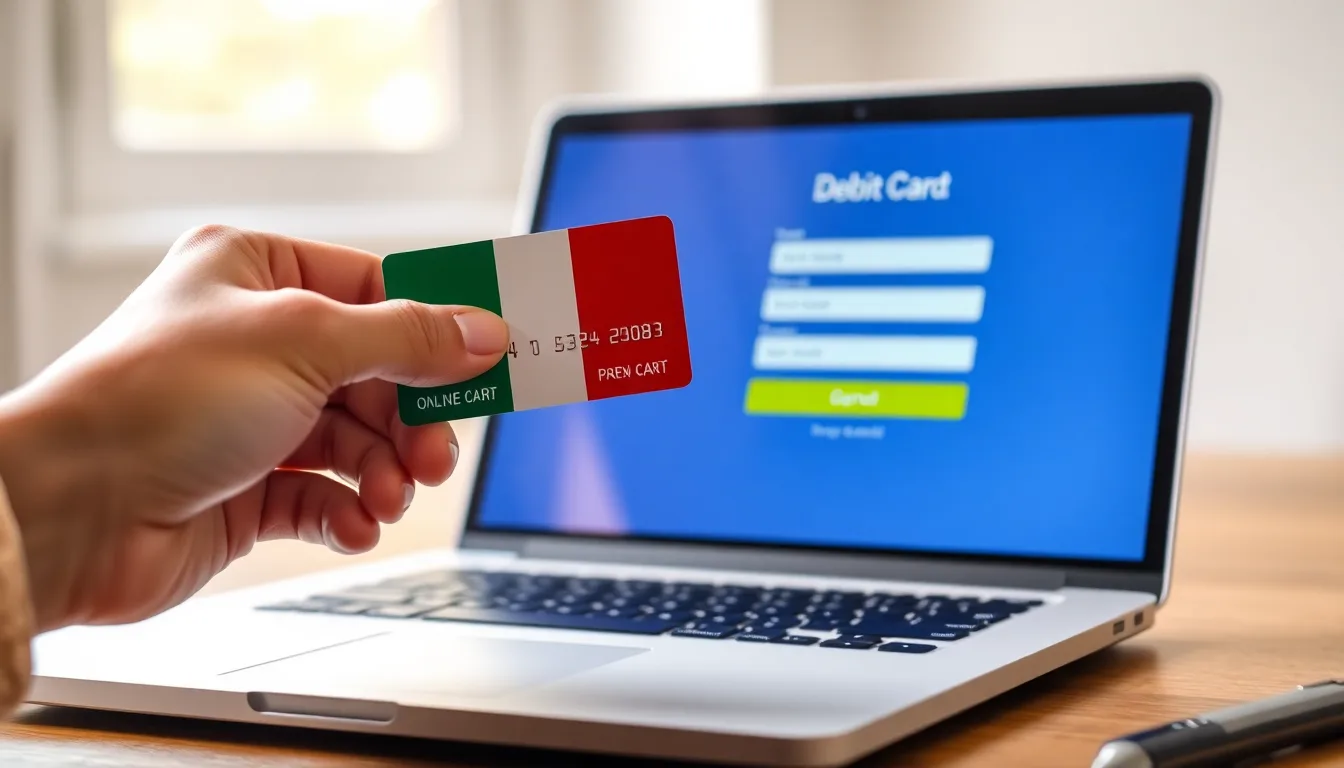
- Standard debit and credit cards (Visa, Mastercard) issued by Italian banks generally work without issue on the official GOV.UK payment system.
- Prepaid cards like PostePay can work, but some prepaid cards have lower international transaction limits or require the cardholder to specifically enable international payments beforehand — check your card's settings if a payment is unexpectedly declined.
- Some Italian banks flag international online payments for additional security verification, occasionally requiring a confirmation through your banking app before the transaction completes — keep your phone accessible during the application in case this happens.
Understanding foreign transaction fees
Many Italian bank cards apply a small foreign transaction fee (commissione per operazioni in valuta estera) on top of the exchange rate conversion, since the £20 charge is technically a foreign currency transaction from an Italian bank's perspective. This fee is typically small — often a percentage of the transaction value — but it means the total euro amount debited from your account may be slightly higher than a simple pound-to-euro conversion would suggest. Check your specific card's terms if you want to understand the exact fee structure, though for a €10-12 equivalent transaction, this difference is genuinely minor in absolute terms.
Avoiding overpriced third-party Italian-language sites
Because "UK ETA" searches in Italian sometimes surface third-party sites offering an Italian-language interface and "assistance" with the application, it's worth being specifically cautious here. These sites often charge a significantly marked-up euro price — sometimes several times the official £20 fee — for a service that provides no actual advantage over applying directly through the official GOV.UK site, which is itself perfectly navigable even without fluent English, given its straightforward, guided form structure.
- Always check that the URL begins with gov.uk before entering any payment details.
- Be skeptical of any site charging significantly more than roughly £10 (converted to euros) for a standard individual application.
- If a site asks for more personal information than seems necessary for a basic travel authorization, treat this as a warning sign.
What if your payment fails?
- Check your bank's app or recent notifications first — a declined international payment sometimes requires a specific confirmation step on the bank's side, which can happen almost immediately after the attempted charge.
- Confirm your card is enabled for international/foreign currency transactions, particularly for prepaid cards, which sometimes have this disabled by default.
- Try an alternative card if available, or contact your bank directly if repeated attempts fail, since this is sometimes a bank-side restriction rather than an issue with the GOV.UK payment system itself.
- Avoid repeatedly resubmitting the same payment in quick succession, since this can sometimes trigger additional fraud-prevention holds on your card.
What if you're applying from a UK-based Italian community?
Some Italian citizens applying for a UK ETA are already living in the UK temporarily or have close ties there — perhaps visiting family who relocated, or maintaining a second residence. A few points specific to this situation:
- Your ETA payment still processes in pounds, but if you're paying with an Italian card while physically in the UK, the same currency conversion principles apply exactly as they would applying from Italy itself — the transaction is still technically a foreign currency payment from your Italian bank's perspective.
- If you have both an Italian card and access to a UK bank account or card, paying with the UK-based option avoids the currency conversion question entirely, since the transaction would then be in pounds without any conversion needed.
- Regardless of which payment method you use, the fee itself remains identical — £20 — the only variable is how your specific payment method handles the currency conversion, if any conversion is needed at all.
Comparing the UK ETA cost to other travel expenses
It's worth putting the £20 fee in perspective against other typical costs of a UK trip from Italy. A round-trip flight between major Italian cities and London, for instance, often costs many times more than the ETA fee itself, even on a budget airline during off-peak periods. Accommodation for even a single night in most UK cities typically exceeds the ETA fee by a significant margin as well.
This context is genuinely worth keeping in mind if the currency conversion and payment details covered throughout this guide start to feel like an outsized concern relative to their actual importance — in the overall budget of a UK trip, the ETA fee itself remains a genuinely minor line item, even fully accounting for foreign transaction fees and normal exchange rate variation over time.
What happens to your payment if your ETA is refused
As with most government application fees, the £20 charge covers the cost of processing your application, not a guarantee of approval. If your ETA is refused for any reason, the fee is generally non-refundable, meaning you would need to pay again if you choose to reapply after addressing whatever issue led to the refusal. This is standard practice across most travel authorization and visa systems internationally, not something specific to how the UK system treats Italian applicants in particular, and it's genuinely worth budgeting mentally for this possibility if your specific application involves any unusual circumstances that might warrant a closer, longer review before a final decision is reached.
Given the fee itself is modest, this risk is rarely a major financial concern in practice, but it's still worth understanding clearly rather than assuming any payment made automatically guarantees a favorable outcome to your application.
Currency conversion tools worth checking beforehand
If you want a rough sense of the euro amount before you actually apply, a quick check on a reliable currency conversion tool or your own bank's app can give you a reasonable estimate, even though the exact amount charged will depend on the specific rate and any fee applied at the actual moment of payment. This is purely for budgeting convenience — there's genuinely no need to time your application around minor exchange rate fluctuations, since the actual difference for a transaction this size is far too small to matter in any practical sense for the vast majority of applicants planning a standard short trip.
Is the fee the same for children and family members?
Yes — the £20 fee applies per applicant, regardless of age, so a family of four Italian citizens would pay the equivalent of £80 total, split across four individual applications, each converted to euros independently at the time of payment. There's no family discount or bulk-payment option through the official system.
Does the fee ever change?
The UK government periodically reviews fees across its various visa and travel authorization products, so it's worth checking the official, current fee on GOV.UK rather than relying on a figure from an older article, including this one, if you're applying some time after reading this. The core structure — a flat pound-denominated fee, converted to euros by your card provider — is likely to remain consistent even if the specific amount is adjusted over time.
Comparing costs: ETA vs. what Italians paid before
Before Brexit, Italian citizens travelled to the UK under EU freedom-of-movement rules, with no fee, application, or authorization of any kind required. The £20 ETA fee represents a genuinely new cost that didn't exist for Italian travellers before this system was introduced, following the UK's departure from the EU and the subsequent rollout of the ETA requirement to EU nationalities. Understanding this context helps explain why the fee, though modest in absolute terms, can feel like a meaningful change for travellers accustomed to decades of completely unrestricted, cost-free travel between Italy and the UK.
Compared to a full UK visa application — which involves substantially higher fees, an in-person appointment, and biometric enrollment — the ETA remains a genuinely lightweight and inexpensive option for the vast majority of Italian travellers making short trips for tourism, business, or family visits.
Budgeting for a family or group application from Italy
If you're applying for multiple family members, it helps to budget slightly more than a simple multiplication of £20 by the number of travellers, given currency conversion and potential foreign transaction fees:
- For a family of four, budget roughly €45-50 total in practice, rather than assuming an exact €40-42 conversion, to account for typical bank fees and exchange rate variation.
- If your bank charges a meaningfully higher foreign transaction fee than typical, consider whether a different card (if you have one with better international payment terms) might reduce the total cost slightly across multiple family applications.
- Complete all family members' payments in the same session if possible, since exchange rates can shift (usually only marginally) between transactions completed on different days.
What the payment confirmation should show
After a successful payment, check your confirmation for a few key details to ensure everything processed correctly:
- A transaction reference or confirmation number, which you should keep alongside your ETA application reference in case any payment query arises later.
- The charged amount, which should reflect approximately £20 converted to euros at a reasonable rate — if the charged amount looks significantly higher than expected, double-check you applied through the official GOV.UK site and not an unofficial third-party service.
- Confirmation that the payment is linked to the correct applicant's name and passport details, particularly important if you're completing multiple family members' applications in sequence.
A note on VAT and additional charges
The UK ETA fee is a government charge, not subject to standard VAT in the way a typical commercial purchase might be, so you shouldn't see any separate VAT line item on your payment confirmation. If your bank statement shows additional charges beyond the expected fee-plus-conversion amount, this most likely reflects your card's own foreign transaction fee structure rather than any additional government charge — check your card provider's terms if the specific breakdown isn't clear from your statement alone.
Key takeaways
- The UK ETA fee is £20, charged in pounds and converted to euros by your card provider — the exact euro amount varies slightly by bank and any foreign transaction fee applied.
- Standard Italian debit and credit cards generally work fine; prepaid cards like PostePay may need international payments specifically enabled.
- Some Italian banks flag international payments for extra verification — keep your phone accessible during the application.
- Apply only through the official GOV.UK website, avoiding third-party Italian-language sites that charge significantly marked-up prices.
- The fee applies per person, including children, with no family discount.
This article provides general guidance, not official advice — always verify the current fee and payment process on the official GOV.UK website before applying.
Comparing bank card options for Italian applicants
Not all Italian payment cards handle a small international transaction like this identically. A few general patterns worth knowing:
- Traditional bank-issued credit cards (from major Italian banks) typically handle international payments smoothly, though they may carry a standard foreign transaction fee as part of their normal terms.
- Digital-first cards from newer banking apps sometimes offer more transparent, lower foreign transaction fees, and often show the exact converted amount in real time before you confirm the payment, which can make budgeting slightly easier.
- Prepaid cards like PostePay Standard or PostePay Evolution can both work, but check the specific card type's international payment settings and any applicable fees, since PostePay's various card tiers handle foreign transactions somewhat differently from one another.
- Corporate or business cards, if you're applying for a business trip and your employer covers the cost, generally work the same way as personal cards for this specific transaction, though your company's own expense policy may have separate requirements for documentation.
What to do before you start the payment step
A few minutes of preparation before you reach the payment screen can prevent most common issues:
- Confirm your card is active and has sufficient available balance or credit limit to cover a small international transaction.
- If you have a banking app, make sure notifications are enabled, in case your bank sends a real-time verification request during the payment.
- Have a backup card ready, in case your primary card is declined for any reason, so you're not stuck mid-application without a payment option.
- If you know your bank has previously flagged international payments for you, consider calling ahead or checking your app's settings to pre-authorize foreign transactions.
Understanding exchange rate timing
The exact euro amount charged reflects the exchange rate applied at the specific moment your payment processes, not necessarily the rate shown on a general currency converter website earlier in the day. Exchange rates fluctuate continuously, though for a transaction this small, the practical difference between checking a rate an hour before applying versus at the moment of payment is genuinely negligible — this is more a point of technical accuracy than something that meaningfully affects your budget in any noticeable way.
Recordkeeping for tax or expense purposes
If you're applying for a business trip and need to expense the ETA fee, or simply want good personal records, keep the following:
- A screenshot or PDF of your payment confirmation, showing the exact euro amount charged and the date of the transaction.
- Your bank statement entry for the transaction, which will show the actual amount debited, including any foreign transaction fee, providing the most accurate record of the true total cost.
- Your ETA application reference number, which links the payment to the specific approved authorization, useful if any question arises about the transaction later.
What Italian consumer protection generally covers here
Since this is a legitimate government fee processed through an official, secure payment system, standard Italian consumer protections around online transactions apply in the same way they would for any other legitimate international online purchase — your card issuer's standard fraud protection and dispute processes remain available if something goes genuinely wrong with the transaction itself. This is a separate question from the ETA application's own outcome (approval or refusal), which isn't something a bank dispute process can influence, since it relates to the payment transaction specifically, not the government's immigration decision.
Seasonal timing and payment volume
During peak Italian travel periods — around summer holidays, Christmas, and other major vacation windows — payment processing itself doesn't typically slow down, since the GOV.UK payment system is built to handle high transaction volumes reliably. However, it's still worth applying with a reasonable buffer before travel during these busier periods generally, not specifically because of payment concerns, but because the small share of applications requiring additional review can take slightly longer when overall application volume is higher across the whole system.
A final practical checklist before you pay
- Confirm you're on the official gov.uk domain before entering any card details.
- Have your card enabled for international payments, particularly if using a prepaid card like PostePay.
- Keep your phone accessible in case your bank sends a verification request.
- Save your payment confirmation and transaction reference for your own records.
- If paying for multiple family members, complete all payments in one session where possible, keeping each confirmation clearly organized by applicant.
None of these steps take more than a few extra minutes, but together they cover the overwhelming majority of payment issues Italian applicants actually encounter, letting you focus on the more genuinely enjoyable parts of planning your UK trip rather than troubleshooting a declined card at an inconvenient, stressful moment.
Getting the payment step right the first time also means one less thing to think about as your travel date approaches, freeing you up to focus on the actual itinerary rather than lingering administrative details that, once handled, don't need any further attention until your next trip.
Frequently asked questions
Quick answers on UK ETA costs and payment for Italian citizens, covering the currency conversion and card-specific questions applicants ask most before completing their application.
Frequently asked questions
How much does a UK ETA cost in euros for Italian citizens?
Can I pay for a UK ETA with an Italian PostePay card?
Why did my UK ETA payment get declined?
Should I use a third-party Italian website to apply for a UK ETA?
Is the UK ETA fee different for children?
This article is for general informational purposes only. Visa and travel authorisation rules change frequently. Always check the official government website before travelling.

Written & reviewed by
Can OTUTravel Authorisation Editor
Can OTU is the editor of ETA Travel Assistant, specialising in UK ETA, Schengen ETIAS, NZeTA and ESTA travel authorisations. Can monitors official government sources and policy updates to ensure every guide is accurate, current and genuinely useful for travellers.
View all guides →