Do You Need an ESTA for Business Travel or Transit Through the US?
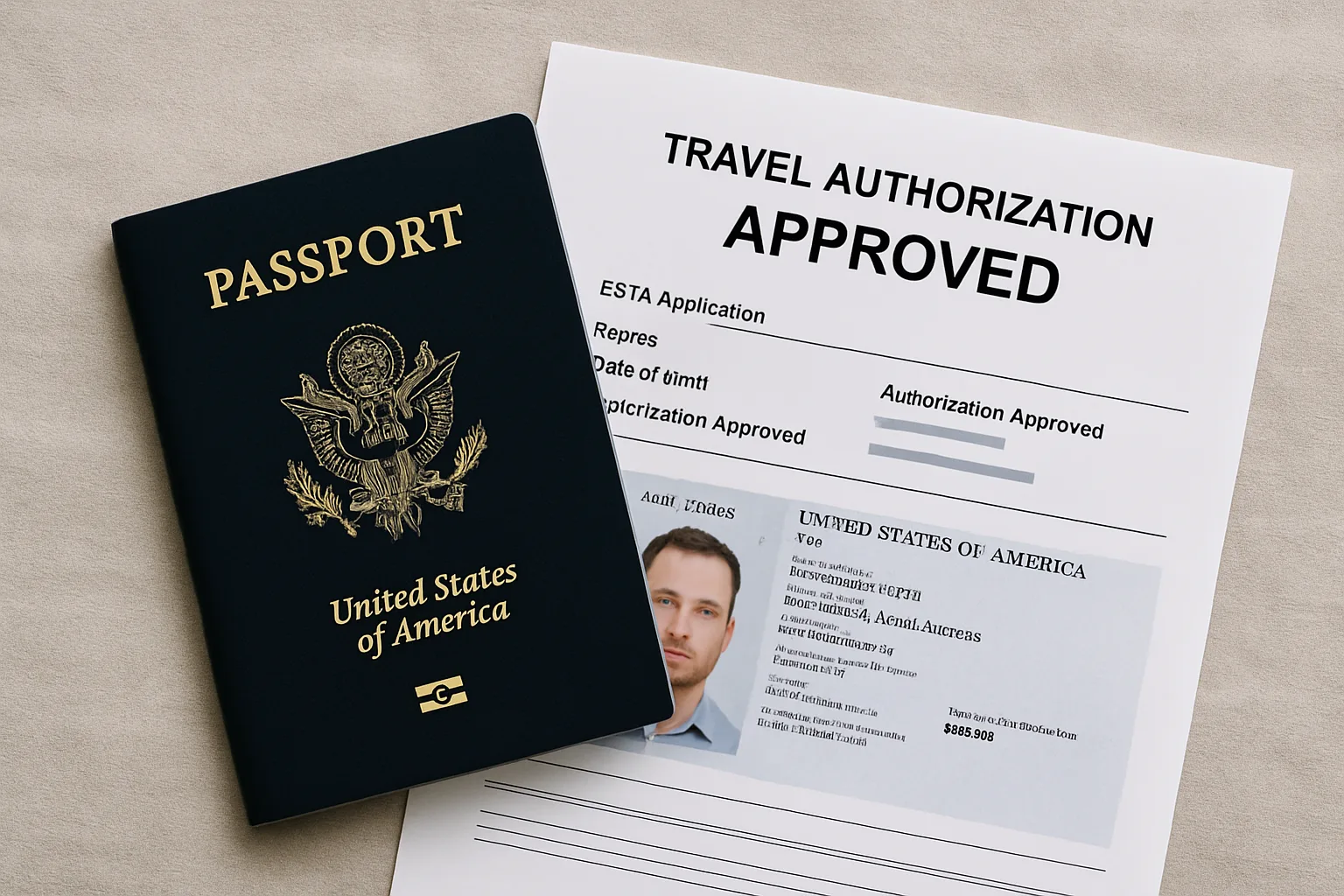
- ESTA is required for short business visits (meetings, conferences, consultations) but not for actual work or employment in the US.
- Transit passengers passing through a US airport to a third country must also have a valid ESTA — there is no transit waiver for air travellers.
- Apply online at least 72 hours before departure; the authorisation is valid for two years and costs around $21.
If you're planning a business trip to the United States or simply connecting through a US airport on your way somewhere else, you've probably heard of ESTA. But what exactly is it, and do you need one? The short answer is: if you're a citizen of a Visa Waiver Program (VWP) country, you almost certainly do.
ESTA stands for Electronic System for Travel Authorization. It's not a visa — it's a pre-screening that determines your eligibility to travel to the US under the VWP. You need it for any travel to the US by air or sea, including business visits and transit.
Let's break down exactly what counts as business travel, how transit works, and what you need to do to get your ESTA application form sorted.
This guide covers everything you need to know about ESTA for business and transit. We'll walk through eligibility, the application process, what you can and can't do on a business ESTA, and how transit rules work. By the end, you'll know exactly where you stand.
What is an ESTA?
An ESTA is an electronic travel authorisation that allows citizens of Visa Waiver Program (VWP) countries to travel to the United States for tourism, business, or transit without applying for a visa. It's valid for two years (or until your passport expires, whichever comes first) and covers multiple entries.
You must apply for ESTA before you travel. It's not a guarantee of entry — US Customs and Border Protection (CBP) officers make the final decision at the border. But without an approved ESTA, you won't be allowed to board a US-bound flight or ship.
Do I need an ESTA for business travel?
If you're travelling to the US for business purposes and you're from a VWP country, yes — you need an ESTA. But "business" under the VWP has a specific meaning. It covers activities like:
- Attending meetings, conferences, or seminars
- Consulting with business associates
- Negotiating contracts
- Participating in short-term training (as long as you're not paid by a US source)
- Setting up a new business or office
You cannot use ESTA for actual employment, paid work for a US company, or any activity where you'll receive a salary from a US source. That requires a work visa, like an H-1B or L-1.
Also, you must stay for 90 days or less. Overstaying even by a day can jeopardise future travel.
What counts as "business" for ESTA?
US immigration law uses the B-1 visa category for business visitors. The VWP essentially gives you B-1 privileges without a visa. So the same rules apply.
Acceptable business activities include:
- Consulting with colleagues or clients
- Attending board meetings or shareholder meetings
- Participating in trade shows or exhibitions (but not selling goods directly)
- Negotiating or signing contracts
- Conducting independent research
- Taking short courses of study (under 18 hours per week)
What's not allowed: performing skilled or unskilled labour, being employed by a US company, or providing services that could be done by a US worker. If you're unsure, check with the US embassy or a qualified immigration attorney.
Do I need an ESTA for transit through the US?
Yes. If you're flying through the United States to another country, you need an ESTA — even if you never leave the airport. There is no transit waiver for air travellers under the VWP.
You must clear US Customs and Border Protection at your first port of entry, collect your luggage if required, and re-check it for your onward flight. That means you physically enter the US, even if only for a few hours.
This applies to all US airports. So if you're flying London → New York → Toronto, you need an ESTA. The same goes for London → Los Angeles → Sydney.
The only exception is if you're a citizen of a country that has a specific transit agreement (like the Transit Without Visa program, but that's rare and doesn't apply to VWP countries).
What if I have a layover and don't leave the airport?
It doesn't matter. In the US, there is no sterile transit area for international-to-international connections. All passengers arriving from abroad must go through immigration and customs.
You'll be processed as an arriving passenger, even if you're connecting to another international flight. So you need either a valid visa or an approved ESTA.
Some airports have transit lounges, but you still have to clear immigration first. The only way to avoid this is if your flight makes a technical stop (e.g., refuelling) and you don't deplane — but that's very rare for commercial flights.
How to apply for an ESTA for business or transit
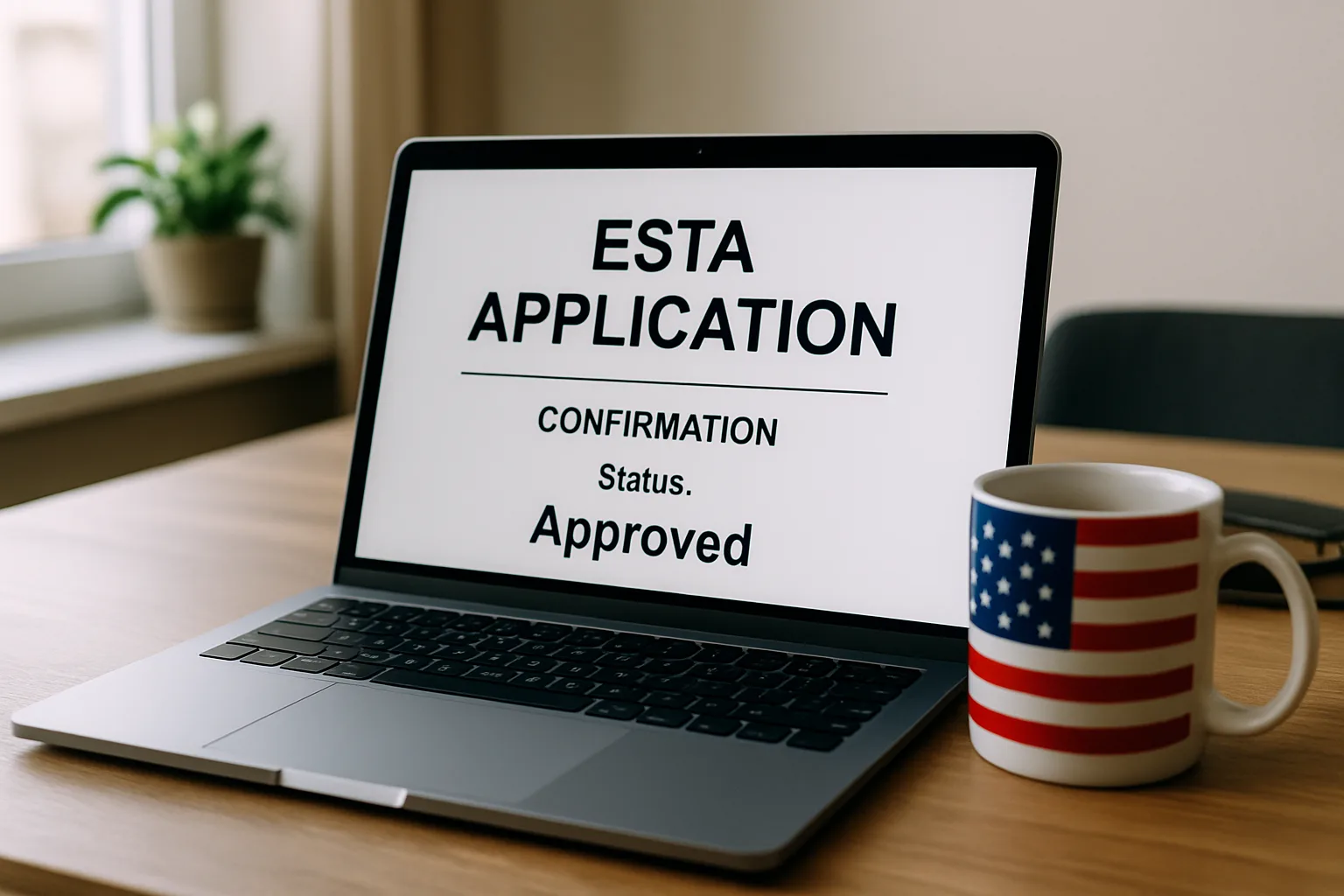
Applying for an ESTA is straightforward. You'll need a valid passport from a VWP country, a credit or debit card for the fee, and an email address. Follow these steps:
- Go to the official ESTA website (https://esta.cbp.dhs.gov/). Be careful of third-party sites that charge extra fees.
- Fill in the application form with your personal details, passport information, and travel plans.
- Answer a few eligibility questions (criminal history, communicable diseases, past US immigration violations, etc.).
- Pay the fee — currently $21 (about £17 or €19).
- Submit and wait for a response. Most are approved within minutes, but it's recommended to apply at least 72 hours before travel.
If you're approved, your ESTA is linked electronically to your passport. You don't need to print anything, but it's a good idea to keep a copy of the authorisation number.
What if I need an ESTA urgently?
If you've left it to the last minute, you can still apply. Most applications are processed quickly. However, there's no guaranteed fast-track.
If you're at the airport and your flight is boarding soon, you might be out of luck. In some cases, you can request an emergency ESTA through the official website, but this is not a separate process — it's just a normal application that may be processed quickly if the system isn't overloaded.
If your ESTA is denied or you can't get one in time, you'll need to apply for a B-1 visa (business) or a transit visa (C-1). That takes weeks or months, so plan ahead.
How long does an ESTA last for business travel?
An approved ESTA is valid for two years from the date of approval, or until your passport expires — whichever comes first. During that time, you can make multiple trips to the US for business or tourism, as long as each stay is 90 days or less. You don't need to reapply for each trip, but you must update your ESTA if your passport changes or if you get a new one.
If your business travel pattern changes — for example, you start travelling more frequently or for longer periods — you might face closer scrutiny at the border. But as long as you comply with the 90-day limit and don't work illegally, you're fine.
Can I extend my business trip beyond 90 days?
No. The VWP does not allow extensions. If you need to stay longer than 90 days, you must apply for a B-1 visa before you travel. Overstaying even by a day can result in your ESTA being revoked and future travel denied.
If you have an emergency that prevents you from leaving, contact CBP immediately, but there's no guarantee.
What happens at the border for business travellers?
When you arrive in the US, you'll go through immigration. The CBP officer will ask about the purpose of your trip. Be honest and specific.
Say something like "I'm here for a business meeting with XYZ company" or "I'm attending a conference." Have a letter from your employer or the US company you're visiting, detailing the purpose and duration of your stay. It's not always required, but it helps.
If you're transiting, the officer will ask about your final destination. Show your onward ticket. They may also ask how long your layover is.
Be prepared to explain your travel plans.
What if I'm denied entry?
If a CBP officer believes you're not coming for genuine business or transit, or if you've violated immigration rules before, you could be denied entry. You'll be placed in removal proceedings and sent back on the next flight. This is rare for legitimate travellers, but it happens.
To avoid this, always carry supporting documents and be truthful.
Do I need an ESTA for a business meeting that lasts only a few hours?
Yes. Even a short visit counts. If you're flying from London to New York for a one-hour meeting and then flying back, you still need an ESTA.
The 90-day limit is a maximum, not a minimum. You're allowed to stay for any period up to 90 days.
Can I do business on a tourist ESTA?
Technically, no. The ESTA covers both business (B-1) and tourism (B-2) purposes. When you apply, you'll indicate the purpose of your trip.
If you select "business," that's fine. If you select "tourism" but then conduct business, you might have problems at the border. It's best to be accurate.
If your trip has both business and tourism elements, you can select "business" — it covers incidental tourism.
Do I need an ESTA if I'm travelling on a cruise?
Yes. If you're arriving by sea from a VWP country, you need an ESTA. This applies to cruise passengers and crew.
The same rules apply as for air travel: you must have an approved ESTA before boarding.
What about transit by land from Canada or Mexico?
If you're entering the US by land from Canada or Mexico, you don't need an ESTA. Land border crossings use a different system. However, if you're flying into the US and then continuing by land, you need an ESTA for the air portion.
And if you're a VWP citizen entering by land, you may need a visa or other authorisation — check with CBP.
Frequently asked questions
Can I use ESTA for business if I'm self-employed?
Yes, self-employed individuals can use ESTA for business travel as long as they're not performing work for a US company. For example, a freelance consultant from the UK can travel to the US to meet with clients, negotiate contracts, or attend conferences. You cannot, however, set up a permanent office or work for a US employer.
Do I need an ESTA for a connecting flight that doesn't leave the airport?
Yes. As explained earlier, all international arrivals in the US must clear immigration, even if you're connecting to another international flight. There is no transit zone.
So you need an ESTA or a visa.
Can I apply for an ESTA if I have a criminal record?
It depends. The ESTA application asks about certain criminal offences, including drug trafficking, money laundering, and espionage. A minor offence (like a DUI) may not automatically disqualify you, but you must answer honestly.
If you're unsure, consult an immigration attorney before applying. If your ESTA is denied, you'll need to apply for a visa.
How long does it take to get an ESTA?
Most applications are processed within minutes. However, some require manual review and can take up to 72 hours. You should apply at least 72 hours before your flight to be safe.
If you're approved, you'll receive an email confirmation. If denied, you'll be told the reason.
Can I use my ESTA for business if I'm also visiting family?
Yes. If your primary purpose is business, you can also do tourism activities. When applying, select "business" as the purpose.
At the border, be prepared to explain both activities. The 90-day limit applies to the entire trip.
Common mistakes business travellers make with ESTA
Many business travellers assume that a short trip means they don't need ESTA. This is false. Even a one-day meeting requires an approved authorisation.
Another mistake is using a third-party website that charges inflated fees. Always use the official CBP site to avoid scams.
Some travellers also forget that their ESTA is linked to a specific passport. If you renew your passport, you must apply for a new ESTA. Travel with an expired ESTA can lead to denied boarding.
What documents should I carry for business travel under ESTA?
While an ESTA is electronic, carrying supporting documents is wise. Bring a letter from your employer detailing the purpose of your trip, the company you'll visit, and your intended departure date. For conferences, have a registration confirmation or agenda.
For negotiations, carry a contract draft or meeting schedule.
For transit, have your onward ticket and itinerary ready. CBP officers may ask for proof that you will leave the US. A return or connecting flight booking is essential.
Without it, you may face additional questioning.
Can I attend job interviews on an ESTA?
Yes, attending job interviews is generally allowed under the VWP. You can meet with potential employers, discuss roles, and negotiate terms. However, you cannot start working or receive payment from a US company during your ESTA stay.
If you secure a job, you must leave the US and apply for a work visa before starting employment.
Be prepared to explain your intentions at the border. Carry interview invitations or correspondence from the employer. This helps demonstrate that you are not planning to work illegally.
Do I need an ESTA for business travel to US territories?
US territories like Puerto Rico, Guam, and the US Virgin Islands have their own rules. For Puerto Rico and the US Virgin Islands, ESTA is generally required for VWP citizens. For Guam, there is a separate Guam-CNMI Visa Waiver Program.
Check specific requirements for each territory before you travel.
If you are transiting through the US mainland to a territory, you need an ESTA for the mainland portion. For example, flying London to Miami to San Juan requires an ESTA for the Miami entry.
What if my ESTA application is denied for business travel?
If your ESTA is denied, you cannot travel under the VWP. You must apply for a B-1 visa at a US embassy or consulate. This process involves an interview and can take several weeks.
Plan well in advance if your business trip is time-sensitive.
A denial does not necessarily mean you are barred from the US. It simply means you need a visa. Consult an immigration attorney to understand the reason for denial and how to proceed.
In some cases, you can reapply if your circumstances change.
Can I use ESTA for business if I have a pending green card application?
Having a pending green card application can complicate ESTA eligibility. The VWP requires that you have no intention of immigrating to the US. A pending application may be seen as evidence of immigrant intent.
In such cases, a B-1 visa is often more appropriate.
Consult an immigration lawyer before travelling. Using ESTA with a pending green card application could lead to denial at the border. It is safer to apply for a visa that matches your immigration status.
How does ESTA apply to crew members on business flights?
Crew members on commercial flights have different rules. If you are a pilot or flight attendant on a US-bound flight, you may need a C-1/D visa instead of an ESTA. However, if you are a business traveller flying on a private jet, ESTA rules apply as normal.
Check with your airline or employer for specific guidance. Crew members often have separate agreements with CBP that override standard VWP rules.
Understanding the Visa Waiver Program for business travellers
The Visa Waiver Program is a bilateral agreement between the US and 40 partner countries. It allows citizens of these countries to visit the US for up to 90 days without a visa. Business travel is one of the primary purposes covered under the program.
To qualify, you must hold a passport from a VWP country with an electronic chip. Your passport must be valid for at least six months beyond your intended departure date. If your passport expires sooner, you must renew it before applying for ESTA.
Which countries are in the Visa Waiver Program?
The VWP includes most European Union countries, as well as Australia, New Zealand, Japan, South Korea, and several others. A full list is available on the CBP website. If your country is not on the list, you will need a visa for any US travel.
For business travellers, the VWP simplifies the process significantly. Instead of attending a visa interview, you complete an online form. This saves time and money, especially for frequent travellers.
How business ESTA differs from a B-1 visa
An ESTA is not a visa, but it grants similar privileges for short business visits. The key difference is that an ESTA is easier to obtain and faster to process. However, it also has stricter limits.
You cannot extend your stay, change your status, or work for a US employer.
A B-1 visa, on the other hand, requires an in-person interview at a US embassy. It can be valid for up to 10 years and allows for longer stays in some cases. However, the application process is more involved and takes longer.
For most short business trips, an ESTA is sufficient. If your travel plans are complex or involve longer stays, a B-1 visa may be more appropriate. Always assess your specific needs before applying.
Planning your business trip with ESTA in mind
When planning a business trip to the US, start your ESTA application early. Apply at least two weeks before your departure to allow for any delays. This gives you time to address any issues that arise during processing.
Keep a record of your ESTA application number and approval date. You may need this information when checking in for your flight or at the border. Some airlines require proof of ESTA before issuing a boarding pass.
Also, review your travel itinerary to ensure it aligns with ESTA rules. If you plan to visit multiple US cities, your ESTA covers all of them. Just remember that the 90-day limit applies to the entire trip, not each city.
What to do if your ESTA expires while you are in the US
If your ESTA expires during your business trip, you are not automatically in violation. Your authorised stay is determined by the date you entered the US, not the ESTA validity. As long as you leave within 90 days of entry, you are fine.
However, if you plan to return to the US after your ESTA expires, you must apply for a new one. You cannot use an expired ESTA for future travel. Always check your ESTA status before booking your next trip.
To avoid complications, set a reminder to renew your ESTA before it expires. This is especially important if you travel frequently for business. A valid ESTA ensures smooth boarding and entry.
Using ESTA for business travel with a family
If you are travelling with family members for business, each person needs their own ESTA. This includes children and infants. Even if a child is listed on your passport, they must have a separate authorisation.
Apply for each family member individually on the official ESTA website. Use their passport details and answer the eligibility questions truthfully. The fee applies to each application, so budget accordingly.
For business travellers bringing a spouse or partner, they can accompany you on a tourist ESTA. However, they cannot engage in business activities unless they have their own business ESTA. Clarify the purpose of each traveller's visit before applying.
Key takeaways
- Business travellers and transit passengers from VWP countries need an approved ESTA before travelling to the US.
- ESTA covers short business visits (meetings, conferences, consultations) but not actual employment.
- Transit through a US airport requires an ESTA — there is no transit waiver for air travellers.
- Apply online at least 72 hours before departure; the fee is $21 and authorisation lasts two years.
- Always carry supporting documents for your business trip or transit plans.
- Check the official ESTA website for the most up-to-date information before you travel.
This article is for general guidance only and does not constitute legal advice. Immigration rules can change. Always verify your requirements with official sources before making travel plans.
Frequently asked questions
Can I use ESTA for business if I'm self-employed?
Do I need an ESTA for a connecting flight that doesn't leave the airport?
Can I apply for an ESTA if I have a criminal record?
How long does it take to get an ESTA?
Can I use my ESTA for business if I'm also visiting family?
This article is for general informational purposes only. Visa and travel authorisation rules change frequently. Always check the official government website before travelling.

Written & reviewed by
Can OTUTravel Authorisation Editor
Can OTU is the editor of ETA Travel Assistant, specialising in UK ETA, Schengen ETIAS, NZeTA and ESTA travel authorisations. Can monitors official government sources and policy updates to ensure every guide is accurate, current and genuinely useful for travellers.
View all guides →