Five-Hour Border Delays at European Borders: What UK Summer Travellers Need to Know in 2026
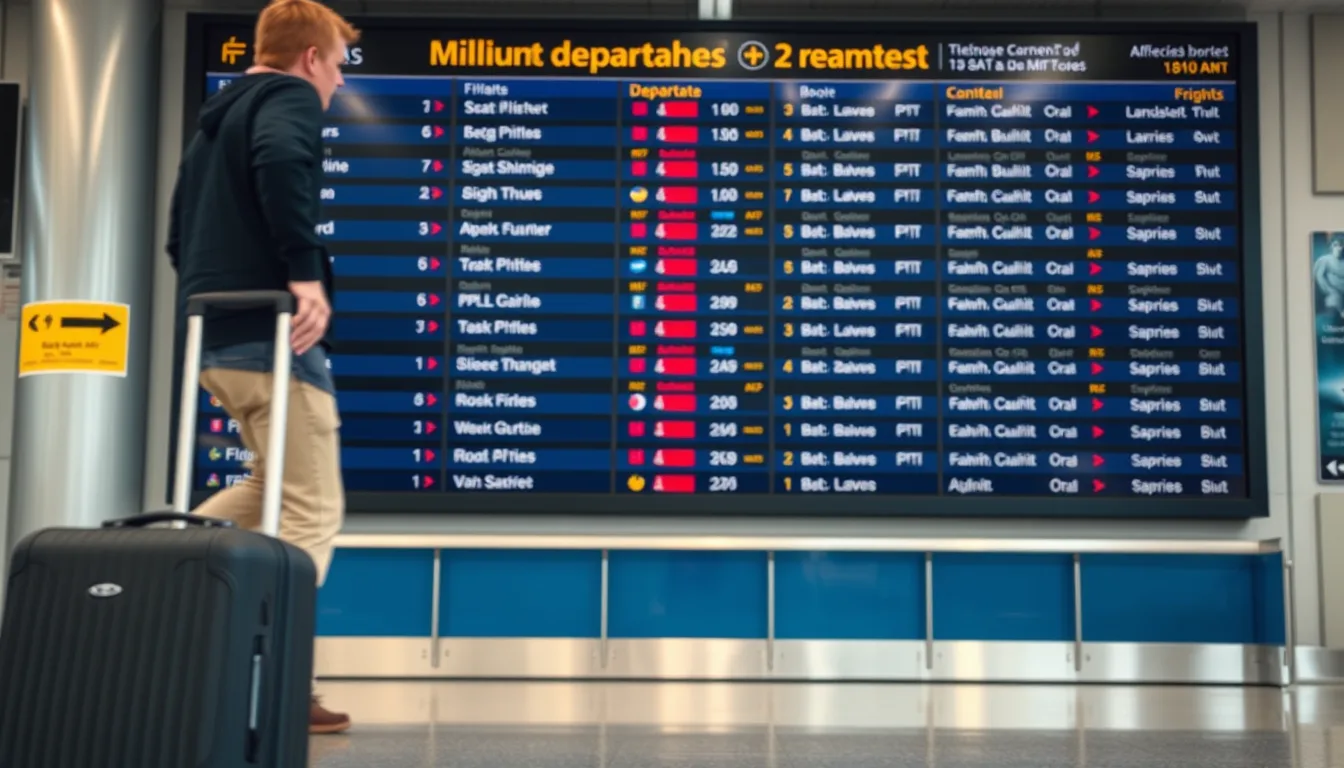
- Worst queues: Dover ferry port, Eurotunnel Folkestone, Eurostar St Pancras, and major EU hub airports on Friday–Sunday.
- Main cause: extra UK and EU border checks after Brexit, plus EES biometric registration from late 2025.
- Your move: travel off-peak, carry your passport not an ID card, and allow at least 3–4 hours at ferry and tunnel terminals in July and August.
Summer 2026 is shaping up to be the first real stress test of Europe's new digital border systems — and UK travellers are right in the middle of it. If you've seen headlines about five-hour queues at Dover or missed Eurostar departures, you're probably wondering whether your own trip is at risk. The short answer: yes, on certain dates and at certain crossings, it could be.
But here's the thing. These delays are not random. They cluster around specific pinch points — school holiday weekends, early morning ferry departures, and airports that handle a lot of UK-origin flights.
Once you understand where and why queues build, you can plan around them.
This guide explains what's happening at European borders in summer 2026, which crossings are worst, how the Entry/Exit System (EES) and ETIAS change things, and what you can do to avoid standing in a five-hour queue in 30°C heat. It's general guidance — always check official sources before you travel, because border procedures can change at short notice.
Why are European border delays so bad in summer 2026?
There isn't one single cause. It's a combination of post-Brexit border friction, new biometric checks, and the sheer volume of UK travellers heading to Europe in July and August. Each factor multiplies the others.
Since the UK left the EU, British citizens are treated as third-country nationals at Schengen borders. That means UK passports must be stamped on entry and exit, and border officers must check that travellers haven't exceeded the 90-day limit in any 180-day period. Those manual checks take time — roughly 45 to 90 seconds per car at Dover, compared with under 20 seconds before Brexit.
And that's before the new systems come in. The EU's Entry/Exit System (EES) is expected to be fully operational by summer 2026. EES replaces manual passport stamping with biometric registration — fingerprints and a facial scan — the first time you cross.
The first registration takes longer than a simple stamp. Multiply that by a ferry carrying 2,000 passengers, and delays compound fast.
What is the Entry/Exit System (EES)?
EES is an automated IT system that records when non-EU travellers enter and leave the Schengen area. It logs your name, travel document details, fingerprints, facial image, and the date and place of each entry and exit. It replaces passport stamping entirely.
On your first crossing after EES launches, you'll need to register your biometrics at the border. That adds a few minutes per person. On subsequent crossings, you'll still need to scan your passport and possibly provide a fingerprint, but it should be quicker than the first time.
The problem is the first summer after launch. Millions of UK travellers will be registering for the first time during the busiest travel weeks of the year. Border infrastructure at Dover, Folkestone and St Pancras has been adapted, but the physical space at Dover is constrained — there's only so much room for cars to queue.
Will ETIAS add to the delays in 2026?
ETIAS — the European Travel Information and Authorisation System — is a separate pre-travel authorisation for visa-exempt travellers, including UK citizens. It's not a visa, but it must be approved before you travel. The EU has said ETIAS will launch after EES, and current timelines point to a phased introduction during 2026.
ETIAS itself shouldn't cause border queues. The check happens electronically when your passport is scanned, and most applications are approved within minutes. But there's a catch: if you arrive without an approved ETIAS, you'll be refused boarding or turned back at the border.
The confusion around who needs ETIAS and when it applies could cause its own delays at check-in desks and departure gates.
Which UK departure points face the longest queues?

Not all borders are equal. The worst queues in summer 2026 are expected at the short-sea crossings between the UK and France, because they combine high passenger volumes with limited physical space for border infrastructure.
| Departure point | Peak delay risk | Why |
|---|---|---|
| Dover ferry port | Up to 5 hours on peak weekends | Juxtaposed French border checks in a confined space, high car volumes |
| Eurotunnel Folkestone | 2–4 hours on peak weekends | French and UK checks before boarding, limited car lanes |
| Eurostar St Pancras | 60–90 minutes at security and border | Dual border checks, limited capacity, EES biometric registration |
| Major UK airports (Heathrow, Gatwick, Manchester) | 30–90 minutes at peak times | Passport e-gates handle most UK departures, but EU arrival checks can be slower |
Dover is the headline case. The port handles around 2 million cars a year, and on the busiest summer Saturdays, more than 10,000 cars can pass through in a single day. French border police — Police aux Frontières — operate in Dover under the juxtaposed controls arrangement.
If they're short-staffed, or if EES registration slows each car, the queue backs up onto the M20.
Eurotunnel at Folkestone has more room to manage queues, but it's still vulnerable. The terminal operates a check-in system where you're allocated a departure slot. If you miss your slot because of border queues, you'll be put on the next available shuttle — which could be hours later on a busy day.
What's happening at Dover and the Port of Dover in 2026?
Dover is the UK's busiest ferry port and the most visible symbol of post-Brexit border friction. The port has invested in new infrastructure — expanded coach processing facilities, additional border control booths, and a new holding area for cars — but the fundamental constraint remains: French border checks happen in a relatively small area before you board.
The Port of Dover has said it expects the first summer of full EES operation to be challenging. The port's chief executive has repeatedly warned that without adequate French border staffing, queues of five hours or more are possible on peak days. The port has also introduced a new pre-booking system for some sailings and advises travellers to arrive at least two to three hours before departure — more on peak weekends.
One practical tip: if you're travelling from Dover, book the earliest sailing you can. The first ferries of the day — around 6am to 8am — often clear the border before the main rush builds. The worst queues tend to form between 9am and 4pm on Saturdays and the first day of school holidays.
What about the M20 and Operation Brock?
When Dover queues get bad, traffic management kicks in. Operation Brock is the Kent resilience plan that uses the M20 as a queue-holding area for lorries heading to Dover. If you're in a car, you may be diverted or held on the A20 or in the port's own holding areas.
For summer 2026 travellers, the practical point is this: if you're driving to Dover on a peak day, expect traffic disruption on the approach. Check the latest traffic and port updates before you set off, and build extra time into your journey to the port — not just at the port.
How does Eurotunnel Folkestone compare?

Eurotunnel's Folkestone terminal has one advantage over Dover: it operates a booked-time system. You're given a departure window when you book, and you can't arrive too early. That smooths demand across the day and reduces the risk of a five-hour queue building in the terminal itself.
But the border checks are the same. French border police check your passport before you board the shuttle, and EES registration will add time to each car. Eurotunnel has installed new EES kiosks to speed up biometric registration, but the first summer of operation will be a learning curve for everyone.
Realistically, allow two to three hours at Folkestone on peak summer weekends. If you miss your booked departure because of border queues, Eurotunnel will put you on the next available shuttle — but on a busy Saturday in August, that could mean waiting several more hours.
What about Eurostar at London St Pancras?
Eurostar has been warning about EES-related capacity constraints for years. The problem at St Pancras is physical: the international departure area is compact, and there's limited room to install the number of EES kiosks needed to process a full train of 900 passengers without slowing boarding.
Eurostar has responded by installing more kiosks and extending check-in times. The current advice is to arrive at St Pancras at least 90 minutes before departure for standard class, and earlier for groups or passengers needing assistance. During the first summer of EES, Eurostar may advise even earlier arrival times — check your booking confirmation carefully.
The good news is that Eurostar departures are spread throughout the day, and the airline-style check-in system means the terminal rarely descends into the kind of open-ended queues seen at Dover. But if you miss your train because of a slow border check, you may not be automatically rebooked — travel insurance or a flexible ticket is your safety net.
Which airports are worst for Europe border delays in summer 2026?
Airport delays are generally less severe than ferry and tunnel queues, because airports have more space and more staff. But they're not immune. The pinch points at airports are usually on arrival in the EU, not departure from the UK.
When you land at a major EU airport — think Palma de Mallorca, Malaga, Nice, or Athens — you'll go through Schengen border control as a third-country national. During the summer peak, that can mean 30 to 60 minutes in a queue, and longer if multiple flights arrive at once. EES registration will add time on your first entry.
On departure from the UK, the main risk is check-in desk confusion around ETIAS and EES. Airlines are responsible for checking that passengers have the right travel documents, and if their systems flag an issue, boarding can be delayed. Arrive at the airport at least two hours before a short-haul European flight in summer 2026 — three hours if you're checking bags.
How does the Entry/Exit System affect UK travellers specifically?
UK citizens are the single largest group of non-EU travellers entering the Schengen area. Around 20 million UK visits to the EU happen each year. That means UK travellers will be the biggest test case for EES — and the group most likely to feel its teething problems.
Here's what changes for you under EES:
- First registration: You'll provide fingerprints and a facial scan at the border. This takes a few minutes per person.
- No more passport stamps: Your entry and exit are recorded electronically. You won't get a stamp, which some travellers find strange at first.
- 90-day rule enforced digitally: The system calculates your days in the Schengen area automatically. Overstaying becomes much harder to miss.
- Data stored for three years: Your biometric data is kept for three years and reused on subsequent trips.
For most travellers, EES is a one-time inconvenience followed by a smoother process. But if you're travelling with children, older relatives, or anyone who struggles with biometric kiosks, allow extra time. Border staff can assist, but assistance slows the queue for everyone.
Will ETIAS be required for UK travellers in summer 2026?
The honest answer is: probably, but not certainly. The EU has said ETIAS will launch after EES, with a phased introduction. Current official guidance points to ETIAS becoming mandatory for visa-exempt travellers during 2026, but no fixed date has been confirmed.
When it does launch, UK citizens will need an approved ETIAS before travelling to any of the 30 European countries in the scheme. The application is online, costs €20, and is valid for three years or until your passport expires. Most applications are approved within minutes, but some are referred for manual checks — which can take up to 30 days.
My advice for summer 2026: apply for ETIAS as soon as it's available, even if you don't have a trip booked yet. It's cheap, it lasts three years, and it removes one more thing to worry about. But don't apply through unofficial websites that charge inflated fees — use the official EU site.
Which European destinations are most affected?
Some destinations feel the summer border crunch more than others. The worst-affected are usually the most popular — which is exactly where UK travellers are heading.
- Spain: The most popular destination for UK travellers. Airports like Palma, Malaga and Alicante see long arrival queues in July and August.
- France: The juxtaposed border controls at Dover, Folkestone and St Pancras make France the biggest pinch point for UK departures.
- Greece: Island airports like Santorini and Mykonos have limited border infrastructure and can struggle with simultaneous flight arrivals.
- Italy: Major hubs like Rome Fiumicino and Milan Malpensa handle high volumes, but smaller seasonal airports can be slow.
- Portugal: Faro and Lisbon see heavy UK traffic in summer, with queues at peak arrival times.
If you're flying to a smaller regional airport, you may actually have a better experience than at a major hub. Smaller airports often process flights in waves, and the queue is shorter when your flight is the only one arriving.
When are the worst days and times to travel?
Timing is everything. If you can avoid the absolute peak, you can avoid most of the pain.
The worst days for Europe border delays in summer 2026 are likely to be:
- Friday afternoons and evenings: The weekend rush begins, and ferry and tunnel capacity is stretched.
- Saturdays in July and August: The single worst day of the week for Dover and Folkestone queues.
- The first weekend of the school summer holidays: Typically the busiest travel weekend of the year.
- The last weekend of August: The return rush, when everyone heads home at once.
- Bank holiday weekends: Both UK and French bank holidays add extra pressure.
The best times to travel are midweek — Tuesday and Wednesday are consistently quieter — and early morning or late evening departures. If you can travel outside the school holiday window entirely, you'll notice a huge difference.
What can UK travellers do to avoid five-hour queues?
You can't eliminate the risk entirely, but you can reduce it dramatically. Here's what I'd do if I were planning a summer 2026 trip to Europe.
1. Travel off-peak. If your dates are flexible, avoid Friday-to-Sunday travel in July and August. A Tuesday departure can be the difference between a 20-minute border check and a three-hour wait.
2. Book the earliest crossing or flight. The first departures of the day clear the border before the queues build. At Dover, a 6am ferry is a much safer bet than a 10am ferry.
3. Arrive early — but not too early. At Dover, arriving too early can actually make things worse, because you'll be held in a queue before you can check in. Follow the port's guidance: currently two to three hours before departure, but check for updates.
4. Have your documents ready. Keep your passport, ETIAS approval (once required), and booking confirmation accessible. Fumbling for documents at the border slows everyone down.
5. Check official sources before you travel. The Port of Dover, Eurotunnel, Eurostar, and your airline all publish live updates. Check them on the day of travel — conditions can change fast.
6. Consider alternative routes. If Dover is gridlocked, a different ferry port — like Newhaven to Dieppe, or Portsmouth to Caen — might be a better option. Longer crossing, but less queueing.
What documents do you need for Europe in summer 2026?
This is the part where mistakes get made. Since Brexit, the rules have changed, and not everyone has caught up.
For travel to the Schengen area as a UK citizen, you need:
- A valid UK passport: It must be less than 10 years old on the day you enter, and valid for at least three months after your planned departure from the Schengen area.
- ETIAS authorisation: Once it launches, you'll need an approved ETIAS before you travel. It's linked electronically to your passport.
- Proof of accommodation and return travel: Border officers can ask for these, though they rarely do. Have them accessible just in case.
- Travel insurance: Not a border requirement, but essential. The GHIC card covers some healthcare, but not repatriation or cancellation.
And no, you can't use an ID card. UK citizens can no longer enter the EU with just a national ID card — you need a full passport. If you're a dual national with an EU passport, use the EU passport to enter the Schengen area and you'll skip most of the third-country checks.
How does the 90-day rule work for UK travellers?
The 90/180-day rule is one of the most misunderstood parts of post-Brexit travel. Here's the clear version.
UK citizens can stay in the Schengen area for up to 90 days in any rolling 180-day period. The 180 days is not a fixed calendar period — it's a rolling window that moves with each day you're in the Schengen area. Every time you enter, the border officer (or EES, once it's live) counts back 180 days and checks how many of those days you've spent in the Schengen area.
If you've used your 90 days, you can't re-enter until enough days have passed outside the Schengen area. Overstaying can result in fines, a ban, or difficulty entering in the future. EES will make enforcement automatic, which means the days of quietly overstaying are over.
If you spend long periods in Europe — for example, if you have a second home in Spain or France — you need to track your days carefully. There are apps and calculators that help, but the simplest method is to keep a running tally in your calendar.
What about travel to non-Schengen European countries?
Not all of Europe is in the Schengen area, and the border rules differ. Countries like Ireland, Cyprus, Romania and Bulgaria (the latter two are in the process of joining Schengen) have their own entry rules.
For Ireland, UK citizens have a special status under the Common Travel Area. You don't need a visa or ETIAS, and you can enter with a passport or, in some cases, other ID. The border experience is generally smoother than Schengen entry.
For Cyprus, UK citizens can enter visa-free for up to 90 days, and Cyprus is not yet in the Schengen area, so the 90-day clock is separate. Romania and Bulgaria joined Schengen for air and sea travel in 2024, with land border checks expected to be lifted later — check current status before you travel.
If you're planning a multi-country trip that includes both Schengen and non-Schengen countries, track your days separately. Time in Ireland or Cyprus doesn't count against your Schengen 90 days.
How do these delays compare to other border systems worldwide?
It's worth putting the European situation in context. Border delays are not unique to Europe — and some other systems offer useful comparisons.
Canada, for example, operates an electronic travel authorisation system that's been in place for years. The canada eta is a pre-travel check for visa-exempt travellers, similar in concept to ETIAS. The difference is that Canada's system is mature — travellers know what to expect, and the kinks have been ironed out.
Europe is about to go through the same learning curve.
Australia's system is also instructive. The australia eta visa for uk citizens is a well-established electronic authorisation that's linked to your passport and checked at the border. It rarely causes delays, because the check is automated and the system has been running for decades.
Sri Lanka's ETA is another example of an electronic authorisation that works smoothly once travellers understand the process. The sri lanka eta is required for most visitors, and the application is quick — but the key is applying before you travel, not at the airport.
The lesson from these systems is clear: the first year or two is the hardest. Once travellers know what to do and systems bed in, the friction drops. Summer 2026 is likely to be the peak of that friction for Europe.
What should you do if you're caught in a five-hour queue?
First, don't panic. A long queue is frustrating, but it's rarely dangerous. Here's how to handle it.
1. Stay with your vehicle or in the designated area. At Dover and Folkestone, queue-jumping or leaving the designated area can cause bigger problems. Follow staff instructions.
2. Keep water and snacks in the car. In summer heat, a five-hour queue without water is genuinely dangerous. Pack more than you think you need.
3. Check your ferry or train operator's policy. If you miss your booked departure because of border queues, most operators will rebook you on the next available service. But that's not guaranteed — check the terms of your ticket.
4. Document the delay. If you're delayed and it costs you money — a missed connection, a night's accommodation — you may be able to claim on travel insurance. Keep receipts and take screenshots of any delay announcements.
5. Be patient with border staff. They're not causing the delay — they're working through it. A calm, cooperative approach gets everyone through faster.
Will the situation improve after summer 2026?
Almost certainly yes — but not immediately. The first summer of EES is likely to be the worst, because millions of travellers are registering their biometrics for the first time. Once that initial registration is done, subsequent crossings should be faster.
The EU has also said it's working on a mobile app that would allow travellers to pre-register some EES data before arriving at the border. If that launches in time, it could take some pressure off the busiest crossings. But don't count on it — plan for the worst and hope for the best.
Longer term, the combination of EES and ETIAS should make European border crossings smoother and more predictable. The systems are designed to speed up checks, not slow them down. The pain is front-loaded.
What about UK ETA and other travel authorisations?
While you're thinking about European border systems, it's worth remembering that the UK has its own electronic travel authorisation scheme — the UK ETA. It's required for visa-exempt travellers entering the UK, including EU citizens and, from 2025, most other nationalities.
If you're a UK citizen, you don't need a UK ETA to return home. But if you're travelling with family or friends who aren't UK citizens, they may need one. The same principle applies to other destinations: the canada eta for uk citizens is required for UK citizens visiting Canada, and similar schemes exist for other countries.
The key point is that electronic travel authorisations are becoming the global norm. The more familiar you are with how they work, the easier every border crossing becomes.
How should you plan a summer 2026 Europe trip?
Given everything above, here's a practical planning checklist for a summer 2026 trip to Europe.
- Check your passport validity now. If it's close to the 10-year limit or has less than three months of validity after your planned return, renew it before you book.
- Apply for ETIAS as soon as it's available. Don't wait until the week before you travel.
- Book travel for off-peak days if possible. Tuesday and Wednesday departures are your friend.
- Allow extra time at every stage. Two to three hours at ferry and tunnel terminals, two to three hours at airports.
- Pack for a wait. Water, snacks, entertainment, and patience.
- Check official sources before you travel. Port, tunnel, airline, and government websites all publish live updates.
- Get travel insurance that covers delays. If a five-hour queue costs you money, good insurance is your safety net.
And remember: this is general guidance, not a guarantee. Border procedures can change at short notice, and conditions vary from day to day. Always verify requirements with official sources before you travel.
Key takeaways
- Five-hour delays are possible but not inevitable. They cluster around peak weekends at Dover, Folkestone and St Pancras.
- The Entry/Exit System (EES) is the biggest new factor. First-time biometric registration will slow crossings in summer 2026.
- ETIAS may launch during 2026. Apply early, use the official site, and don't arrive without it.
- Timing is your best defence. Travel midweek, book early departures, and avoid the first weekend of the school holidays.
- Documents matter. Check your passport validity, understand the 90-day rule, and keep everything accessible.
- Official sources are your friend. Check port, tunnel, airline and government updates on the day of travel.
Frequently asked questions
Will there really be five-hour delays at Dover in summer 2026?
Do UK citizens need ETIAS for Europe in summer 2026?
What is the difference between EES and ETIAS?
How early should I arrive at Dover or Folkestone in summer 2026?
Can I still travel to Europe with an ID card after Brexit?
This article is for general informational purposes only. Visa and travel authorisation rules change frequently. Always check the official government website before travelling.

Written & reviewed by
Can OTUTravel Authorisation Editor
Can OTU is the editor of ETA Travel Assistant, specialising in UK ETA, Schengen ETIAS, NZeTA and ESTA travel authorisations. Can monitors official government sources and policy updates to ensure every guide is accurate, current and genuinely useful for travellers.
View all guides →