Schengen Visa Photo Requirements: Complete 2026 Guide
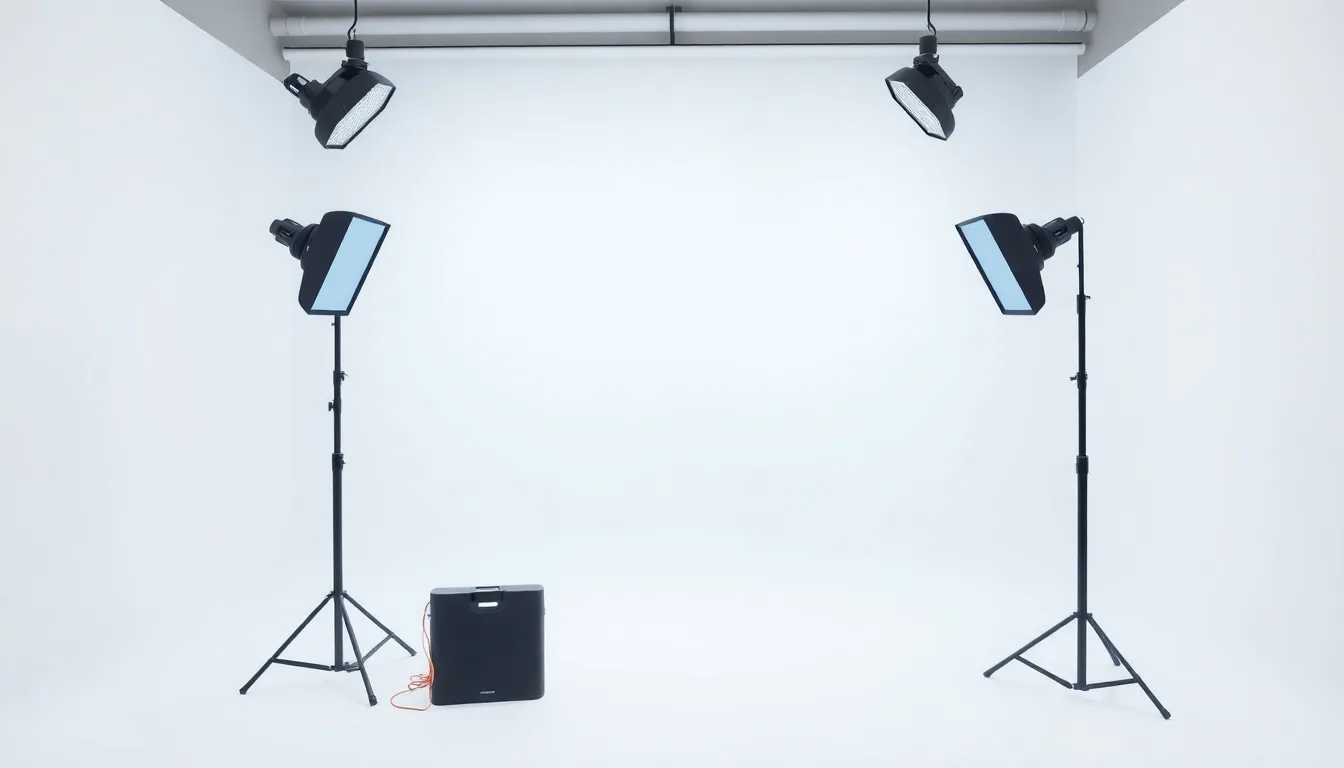
- Standard size is 35mm x 45mm, though a small number of consulates specify slightly different dimensions — always confirm with your specific application center before your appointment.
- The photo must be recent (within 6 months) and show your current, unobscured appearance — no filters, no heavy retouching, no outdated hairstyles or facial hair that no longer match how you look.
- Bring 2 identical printed copies even if you also upload a digital version — most visa centers still require physical prints on the day.
Photo rejections are one of the most avoidable, and among the most common, reasons an otherwise fully complete Schengen visa application gets sent back for correction. The specs sound simple enough on paper, but the details — background shade, expression, head covering rules, glasses — genuinely trip up a lot of first-time applicants. Here's exactly what consulates check for, and how to get a compliant photo right the first time around.
Size and dimensions
The standard Schengen visa photo size is 35mm wide by 45mm tall (roughly 1.4 x 1.8 inches). Within that frame, your head — from chin to crown, excluding hair volume — should typically fill 70 to 80% of the vertical space, though exact proportional requirements can vary slightly by consulate.
- Photos that are cropped too tightly (showing only the face, cutting off the top of the head or shoulders) are frequently rejected.
- Photos that are cropped too loosely (showing too much background, making the face too small in frame) are equally likely to be rejected.
- Always check your specific consulate's exact published dimensions before your appointment — a small number of countries use slightly different specs from the 35x45mm standard, and getting this detail wrong is an easy, avoidable mistake.
Background requirements
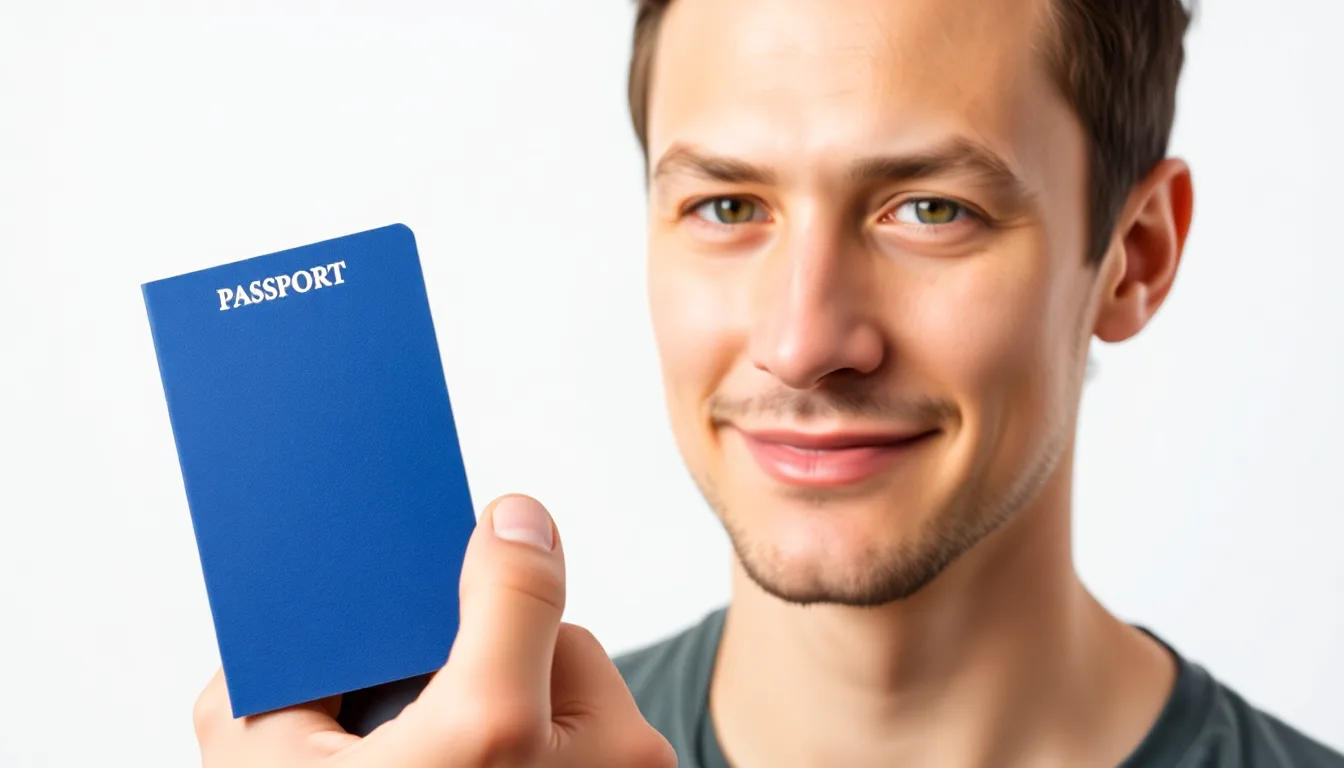
Your photo background needs to be plain and light-colored — typically white or light grey, depending on the specific consulate's preference.
- No patterns, textures, or gradients in the background.
- No shadows cast on the background from your head or shoulders — this usually means avoiding a single overhead light source and using even, diffused lighting instead.
- No objects, furniture, or other people visible in the frame, even partially.
- A home photo against a plain wall can work if you control the lighting carefully, but a professional photo booth or studio specifically offering "passport and visa photos" is the safer, more reliable option.
Facial expression and positioning
- Neutral expression — no smiling with teeth showing, no exaggerated expressions.
- Both eyes open and clearly visible, looking directly at the camera.
- Face centered in the frame, positioned straight on — not tilted, turned, or looking to the side.
- Mouth closed, in a natural relaxed position.
- No shadows across the face, and even lighting on both sides.
A slight, closed-mouth smile is accepted by some consulates, but a fully neutral expression is the safest default if you're unsure of your specific consulate's exact tolerance on this point.
Glasses, head coverings, and religious exceptions
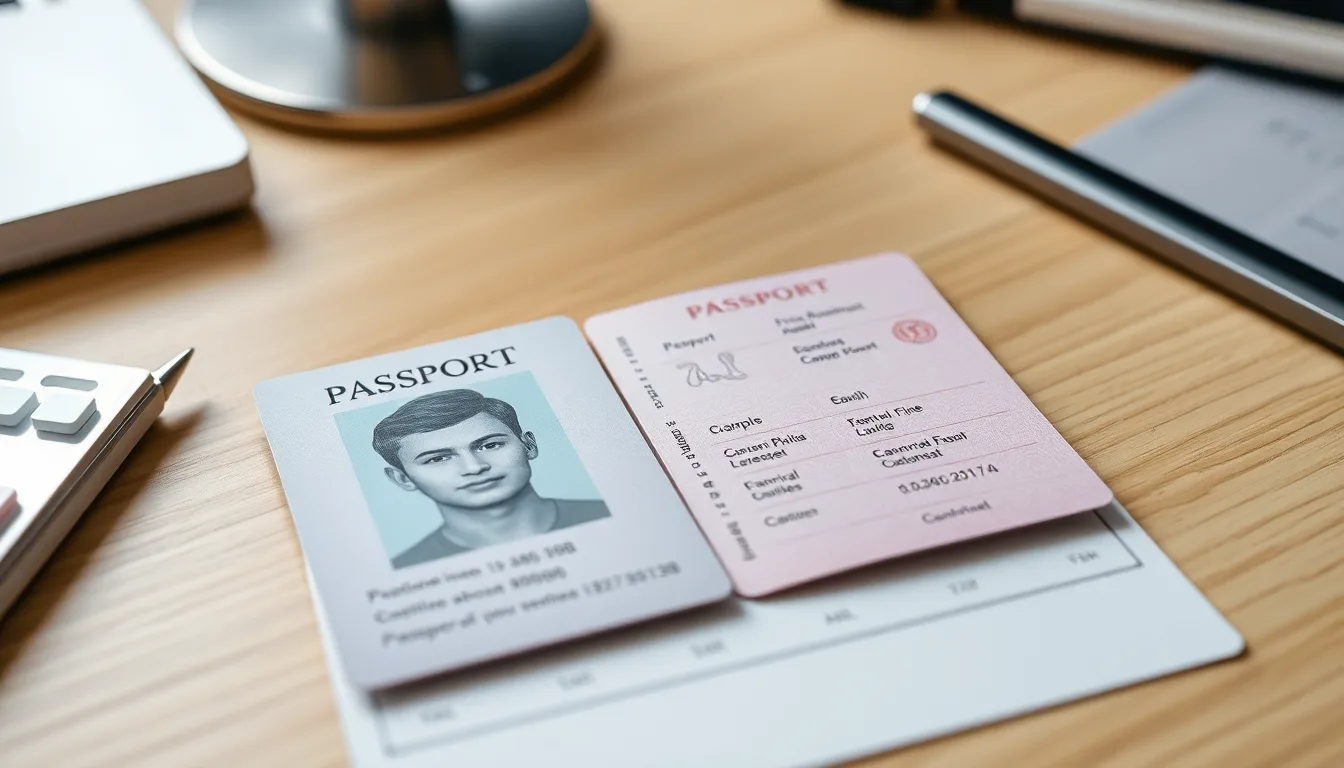
- Glasses: generally not recommended in visa photos. If you must wear them for medical reasons, make sure there's no glare on the lenses and the frames don't obscure your eyes — tinted or photochromic lenses that darken are not accepted under any circumstances.
- Head coverings for religious reasons (a hijab, turban, or similar) are generally accepted, provided your full face — from the bottom of your chin to the top of your forehead, including both cheeks — remains clearly visible, with no shadow cast by the covering across your face.
- Non-religious head coverings (hats, caps, sunglasses) are not accepted under any circumstances.
- Medical head coverings (post-surgical bandages, for example) may be accepted with supporting documentation — check with your specific consulate if this applies to you.
Photo age and how recent it needs to be
Your photo needs to have been taken within the last 6 months and reflect your current appearance. This matters more than people expect — a passport photo from a couple of years ago, even if it technically meets every dimension and background requirement, can be rejected simply for being outdated, especially if your appearance has changed noticeably (significant weight change, a new beard, different hair color).
If you're unsure whether an existing photo is recent enough or accurate enough, it's worth getting a fresh one taken specifically for this application rather than reusing an old passport or ID photo and hoping it passes.
Digital vs. printed photos
Many visa center portals now allow you to upload a digital photo as part of an online pre-application, but this rarely replaces the need for physical printed copies at your actual appointment.
- Bring 2 identical printed copies to your appointment, even if you've already uploaded a digital version.
- Printed photos should be on proper photographic paper, not printed on a home inkjet printer on regular paper — the quality difference is usually obvious and can lead to rejection.
- If uploading a digital version, check the specific file format, resolution, and file size limits required by your portal — these vary by visa center and aren't interchangeable with the printed photo specs.
Photos for children and infants
Every applicant, regardless of age, needs their own individual passport-style photo meeting the same core specifications.
- No other person (a parent's hand, for instance) should be visible in the frame, even if they're just steadying the child.
- For infants who can't sit upright unsupported, many consulates accept a photo where the baby is lying on a plain white background, photographed from directly above, as long as the face is centered and clearly visible.
- The same recency rule applies — a photo of a baby ages quickly compared to an adult, so use one taken as close to your application date as possible.
- Avoid photographing a sleeping infant with closed eyes, since most consulates require the eyes to be open and visible, even for very young children — if your baby won't stay awake and calm for a standard shot, try again at a different time of day rather than submitting a photo that doesn't meet this requirement.
- For toddlers who can sit but struggle to hold a neutral expression, take several shots in a short session and choose the one where the expression is closest to neutral, rather than expecting a single perfect shot on the first attempt.
Country-specific quirks worth checking
While the 35x45mm standard covers the large majority of Schengen countries, a few consulates have their own additional notes worth checking before you finalize a photo:
- Some consulates specify the exact percentage of the frame your face should occupy more precisely than others, and provide a downloadable template or overlay guide on their official visa information page — using this template, if available, is the most reliable way to confirm your photo meets the exact requirement.
- A handful of countries have slightly different background shade preferences (pure white versus a very light grey) — if your consulate's guidance specifically states one or the other, follow that exact wording rather than assuming either is universally fine.
- Some consulates provide explicit written guidance on acceptable religious head covering photos, including diagrams — check for this if it applies to you, since it removes any ambiguity about what "full face visible" means in practice for your specific situation.
None of these variations are large, but in an application process where photo issues are one of the more common causes of a document being flagged, checking your specific consulate's exact published guidance takes only a few minutes and removes a genuinely avoidable risk from an otherwise straightforward part of your application.
How photo issues interact with your overall application timeline
A rejected photo rarely sinks an entire application on its own, but it can meaningfully affect your timeline if it's caught late. If a photo issue is identified:
- At the appointment itself — the best-case scenario, since many visa centers can take a compliant replacement photo on-site immediately, for a small additional fee, with no real delay to your application.
- After submission, during document review — this can trigger a request for additional information, adding real time to your processing period while you arrange and submit a corrected photo.
- Not caught at all until a later cross-check — genuinely rare, but in some cases an out-of-spec photo that technically passed initial review can cause downstream issues with biometric matching systems, which is one more reason it's worth getting this right from the outset rather than treating it as a minor formality.
Given how straightforward it is to get a compliant photo through a dedicated passport-photo service, there's little reason to take on this risk by cutting corners with a DIY attempt unless you're genuinely confident in your own setup, lighting, and access to the right equipment to get it right the first time.
Where to get a compliant photo taken
- Look specifically for photo services that advertise "passport and visa photos," not just any general photo booth — these operators know the exact specifications and typically guarantee compliance.
- Many pharmacies, photocopy shops, and dedicated photo studios offer this service at a modest cost, usually including both a digital file and printed copies in one visit.
- If using a phone app or DIY photo tool at home, cross-check the output against your specific consulate's published requirements before finalizing, since not all apps calibrate correctly for every country's exact specifications.
Lighting: the detail most home photo attempts get wrong
Lighting is the single biggest reason DIY photo attempts fail compliance checks, even when the photographer has carefully measured out the correct dimensions. A few practical points if you're attempting this at home rather than using a professional service:
- Use two light sources positioned at roughly 45-degree angles on either side of the face, rather than a single overhead light, which creates shadows under the eyes, nose, and chin.
- Natural daylight from a window, with the subject facing the light directly, can work reasonably well if you don't have proper studio lighting equipment — but avoid direct, harsh sunlight, which creates overly strong shadows and contrast.
- Avoid backlighting (a window or bright light behind the subject), which underexposes the face and overexposes the background, making the required plain white or grey background look washed out or grey in an inconsistent way.
- Test your setup with a few practice shots and review them at full size on a computer screen, not just a phone screen, before finalizing — small lighting flaws are much easier to spot at full resolution.
What "neutral background" actually means in practice
Applicants sometimes assume any light-colored wall qualifies as a compliant background, but consulates are checking for a genuinely uniform, textureless surface. A wall with visible paint texture, a faint pattern, exposed brick painted white, or a slight color gradient from uneven lighting can all fail a strict compliance check, even though they look "basically white" to the naked eye.
If you're taking the photo yourself rather than using a dedicated backdrop, a plain white or light grey bedsheet, pinned flat and smooth without wrinkles, taped to a wall can work as an improvised background — but a proper photography backdrop, or a professional photo service, removes this risk entirely and is worth the modest cost for most applicants.
Clothing and accessories to consider
- Avoid wearing white or very light-colored clothing that blends into the background, making it harder to distinguish where your shoulders end and the backdrop begins.
- Remove large jewelry, scarves, or accessories that could partially obscure your face or neck, even if they wouldn't normally be considered a "head covering" in the religious sense.
- Keep hairstyles as they naturally sit — avoid a dramatically different style, color, or a temporary change (like a wig for a costume) that doesn't reflect how you'll actually look when travelling.
Common photo mistakes that cause rejections
- Photos that are too old — taken more than 6 months before the application, or simply not reflecting your current appearance.
- Uneven lighting or shadows, especially from a single ceiling light casting a shadow behind the head or under the chin.
- Wearing a hat, sunglasses, or non-religious head covering that obscures the face or hairline.
- A background that isn't plain white or light grey — a patterned wall, furniture, or another person visible in frame.
- Smiling with teeth showing or an otherwise non-neutral expression, depending on the specific consulate's tolerance.
- Low-quality printing — blurry, pixelated, or printed on the wrong type of paper.
- Heavily filtered or retouched photos that don't accurately represent your natural appearance.
Why photo specs are so strict in the first place
It can feel excessive that a couple of millimeters off on a photo's dimensions, or a slightly off-white background, could genuinely delay your visa application. But there's a real reason behind the strictness: Schengen visa photos aren't just for the visa sticker itself — they're used in biometric facial recognition systems that compare your photo against your passport, your visa record, and border-control systems every time you cross into or out of the Schengen area. A photo that doesn't meet the technical standard can cause recognition mismatches down the line, well after your visa has already been issued.
This is also why consulates are far less forgiving about photo issues than about some other paperwork — while many document problems can be explained with a short cover note, a non-compliant photo usually just needs to be retaken and resubmitted, since there's no way to "explain around" a background that isn't the right shade or a face that isn't properly centered.
Digital photo specifications, when applicable
For visa centers that accept digital photo uploads as part of an online pre-application, the technical requirements are typically separate from the printed photo specs and worth checking carefully:
- File format is usually JPEG, though always confirm with your specific portal.
- Minimum resolution requirements ensure the image is sharp enough for biometric processing — a photo that looks fine on your phone screen isn't automatically high enough resolution for this purpose.
- File size limits vary by portal, and an image that's too large or too small in file size can fail to upload correctly, sometimes without a clear error message explaining why.
- Some portals include a built-in preview or compliance checker that flags obvious issues (a background that's too dark, for instance) before you finalize your submission — use this feature if it's available, since it catches basic mistakes before they become a bigger problem at your actual appointment.
What to do if your photo gets rejected
If your photo is flagged as non-compliant at your appointment, most visa centers offer an on-site photo service specifically for this situation, usually for an additional fee. This is the fastest fix if you're already at your appointment and don't want to reschedule.
- Ask directly whether the specific visa center you're attending offers this on-site service before your appointment day, so you know what to expect if your own photo doesn't pass.
- If no on-site service is available and your photo is rejected, you may need to reschedule your appointment entirely, which can be a significant setback if slots at your consulate are in high demand — this is exactly why it's worth double-checking your photo carefully in advance rather than assuming it's fine.
- Keep the receipt or confirmation of any on-site photo service, since some consulates require proof of this if questions arise later about the photo used in your application.
Comparing Schengen photo specs to other travel document photos
If you've applied for other travel documents before — a passport, a driver's license, or a visa for a non-Schengen country — you might assume the photo you already have on file works here too. In most cases, it doesn't, or at least shouldn't be assumed to without checking carefully.
- US passport photos use a different standard size (2x2 inches) than the Schengen 35x45mm specification, so a US passport photo won't fit the required frame correctly.
- UK passport photos are closer in size to Schengen requirements but still have their own distinct specification, so it's worth double-checking rather than assuming interchangeability.
- Even when the size happens to match, background shade, expression rules, and glasses policies can differ meaningfully between countries' systems — always treat your Schengen visa photo as its own dedicated task rather than reusing a photo taken for a different purpose, even one taken very recently for a different country's application.
- If you're applying for a Schengen visa alongside a separate application for a non-Schengen destination on the same trip, budget time and cost for two separate photo sessions rather than assuming one set of prints will cover both applications.
Key takeaways
- Standard Schengen visa photo size is 35mm x 45mm, though always confirm the exact specification with your specific consulate before your appointment.
- Use a plain white or light grey background, neutral expression, both eyes open, and even lighting with no shadows.
- Glasses are best avoided; religious head coverings are generally accepted if your full face remains visible; non-religious head coverings and sunglasses are never accepted.
- The photo needs to be recent (within 6 months) and accurately reflect your current appearance.
- Use a dedicated passport/visa photo service rather than a generic photo booth or home printer, and bring 2 identical printed copies to your appointment.
This article provides general guidance, not official advice — always verify the exact photo specifications with the official consulate or visa application center website for the specific country you're applying to.
Frequently asked questions
Quick answers on Schengen visa photo requirements, covering the size, background, and expression questions applicants ask most.
Official sources
Check the authority for current fees and requirements before applying.
Frequently asked questions
What is the exact size for a Schengen visa photo?
Can I wear glasses in my Schengen visa photo?
Can I wear a hijab or head covering in my Schengen visa photo?
How old can my Schengen visa photo be?
Do I need printed photos if I already uploaded a digital one?
This article is for general informational purposes only. Visa and travel authorisation rules change frequently. Always check the official government website before travelling.
Written & reviewed by
Can OTUTravel Authorisation Editor
Can OTU is the editor of ETA Travel Assistant, specialising in UK ETA, Schengen ETIAS, NZeTA and ESTA travel authorisations. Can monitors official government sources and policy updates to ensure every guide is accurate, current and genuinely useful for travellers.
View all guides →