Slovakia Suspends Schengen Visa Applications for Russian Nationals: What It Means
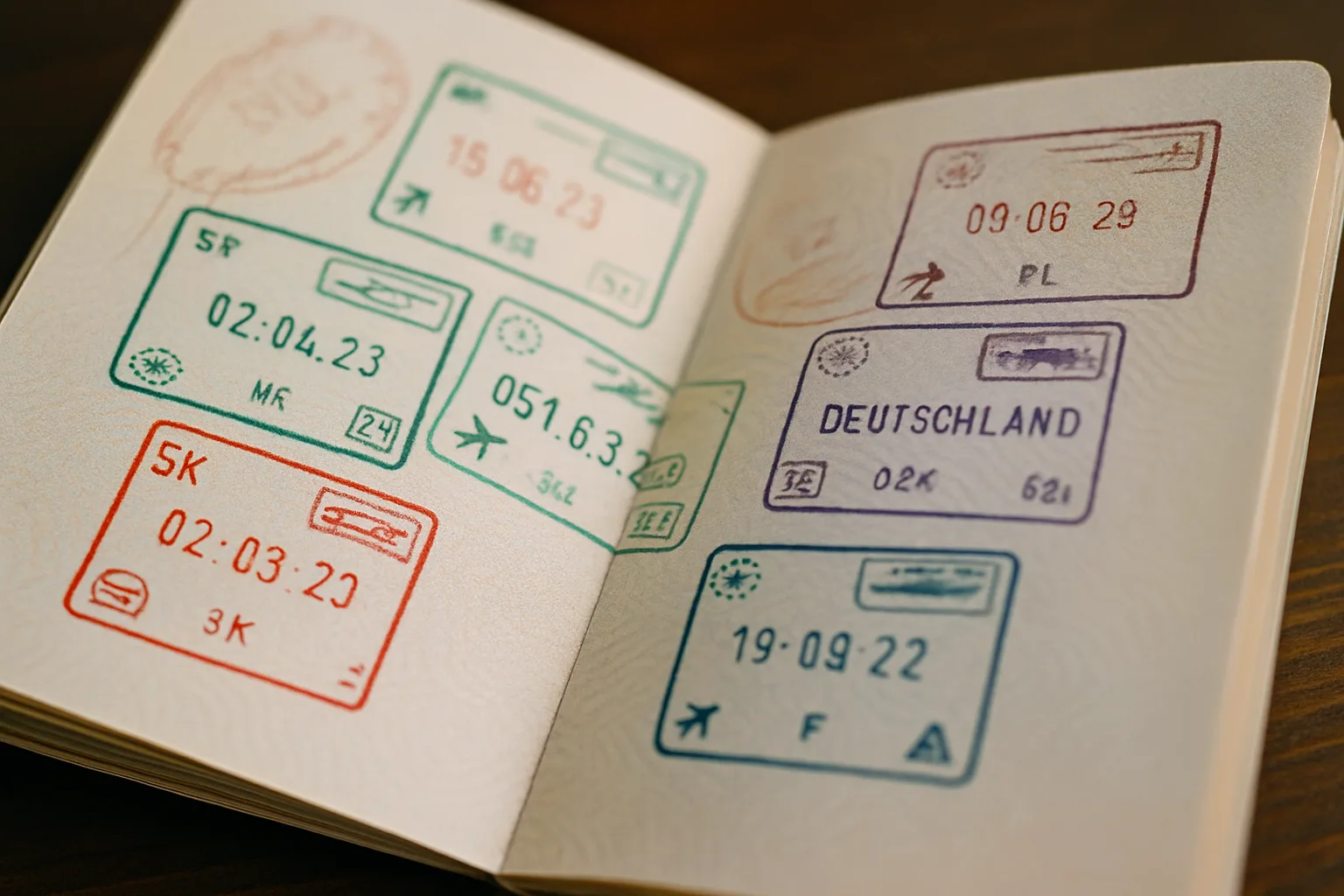
- The suspension applies to all short-stay Schengen visa types (tourist, business, transit) for Russian passport holders.
- Other Schengen states may still process Russian applications, but border-free travel within the Schengen Area is now restricted for Russian citizens.
- If you're a Russian national with a valid Schengen visa from another country, you may still face entry restrictions at Slovakia's borders.
In March 2024, Slovakia announced a suspension of Schengen visa processing for Russian nationals. This move aligns with a broader trend among EU member states to tighten travel restrictions for Russian citizens following the invasion of Ukraine. If you're a Russian passport holder planning a trip to Slovakia or the Schengen Area, you need to understand how this affects your travel plans.
This article explains the details of the suspension, who it impacts, and what alternatives exist. We'll also cover whether other Schengen countries are following suit and how to check your eligibility if you hold a residence permit or dual nationality.
Remember, this is general guidance. Always check with official sources before making travel arrangements.
Why Did Slovakia Suspend Schengen Visa Applications for Russian Nationals?
Slovakia's decision is part of a coordinated response by EU member states to restrict travel for Russian citizens in light of the war in Ukraine. The Slovak government cited national security concerns and the need to align with EU sanctions policy. Other countries, including Estonia, Latvia, Lithuania, Poland, and Finland, have also imposed similar restrictions.
The suspension applies to all short-stay Schengen visa applications (type C) submitted at Slovak diplomatic missions. This includes tourist, business, and transit visas. Long-stay visas (type D) for work, study, or family reunification are not affected, but these are national visas, not Schengen visas.
The broader EU context is important here. Since February 2022, the European Union has adopted multiple sanctions packages targeting Russia. These measures include restrictions on Russian aircraft, exports, and financial transactions.
Travel restrictions are a further tool to pressure the Russian government. Slovakia's suspension is thus part of a larger, evolving strategy.
Who Is Affected by the Suspension?
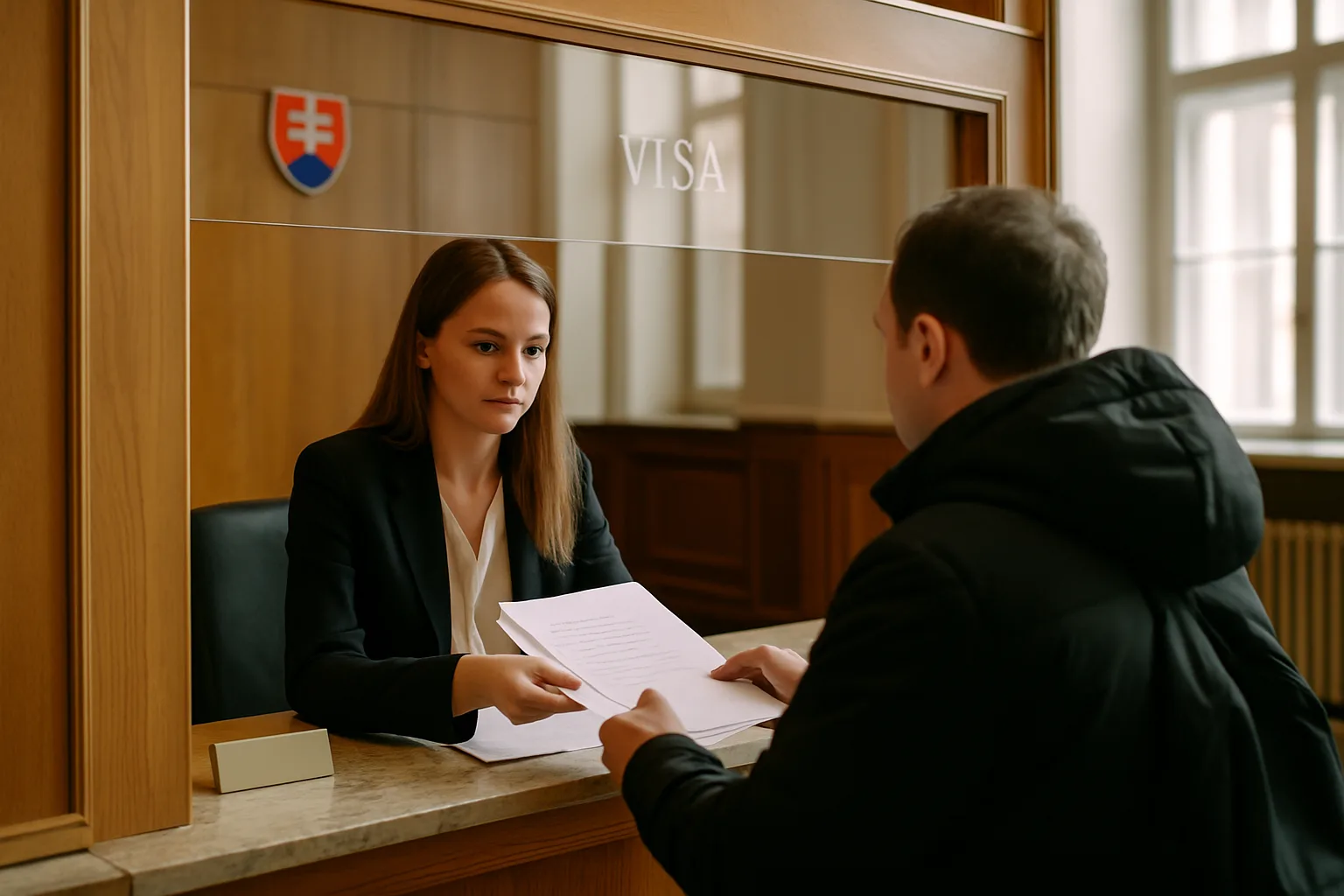
The suspension directly affects Russian nationals applying for a Schengen visa to travel to Slovakia. If you hold a Russian passport and plan to visit Slovakia for tourism, business, or transit, you cannot apply for a visa at Slovak embassies or consulates.
However, there are exceptions:
- Holders of valid Schengen visas from other Schengen states: If you already have a valid Schengen visa issued by another country, you may still be able to enter Slovakia, but you should check entry requirements carefully. Slovakia may deny entry even with a valid visa if you are a Russian national.
- Holders of residence permits from EU/EEA countries: If you hold a valid residence permit from an EU or EEA state, you can travel to Slovakia without a visa for short stays (up to 90 days).
- Dual nationals: If you hold another passport (e.g., from an EU country), you can travel using that passport and do not need a Schengen visa.
- Long-stay visa applicants: If you are applying for a national visa (type D) for work, study, or family reunification, the suspension does not apply. Contact the Slovak embassy directly.
Understanding the Scope of the Suspension
The suspension is not limited to tourist visas alone. It covers all short-stay Schengen visas, including those for business meetings, conferences, and cultural events. For example, a Russian journalist attending a conference in Bratislava would be affected.
Similarly, a Russian artist invited for a short exhibition would also be unable to apply.
Transit visas are also included. If you are a Russian national flying from Moscow to Paris with a layover in Bratislava, you cannot obtain a transit visa from Slovakia. You would need to choose a different transit point, such as Vienna or Prague, where visa processing may still be available.
Does This Mean Russian Nationals Cannot Enter the Schengen Area at All?
Not exactly. The suspension only applies to visa applications submitted to Slovak authorities. Russian nationals can still apply for Schengen visas at embassies of other Schengen states that have not suspended processing.
However, you must apply at the embassy of the country that is your main destination. If you plan to visit multiple Schengen countries, you apply at the embassy of the country where you will spend the most time.
Even if you obtain a visa from another Schengen state, entering Slovakia may still be problematic. Border guards have the authority to deny entry to any traveler they deem a security risk. It's best to avoid transiting through Slovakia if you are a Russian national with a visa from another Schengen country.
Which Other Schengen Countries Have Suspended Visa Processing for Russians?
Several EU countries have imposed restrictions on Russian travelers. As of early 2025, the following countries have fully or partially suspended visa processing for Russian nationals:
- Estonia, Latvia, Lithuania, Poland, Finland, Czech Republic, Denmark, Netherlands, Belgium, and Slovakia.
Some countries have also closed their borders to Russian tourists even if they hold valid visas. The situation is fluid, so check the latest travel advice from the destination country before booking.
For instance, Finland closed its land border to Russian tourists in late 2023. Poland and the Baltic states have also tightened entry rules. Even if you have a valid Schengen visa from France, you may be denied entry at the Polish border.
Always verify the specific rules for each country you plan to visit.
What Are the Alternatives for Russian Nationals Wanting to Visit Slovakia?
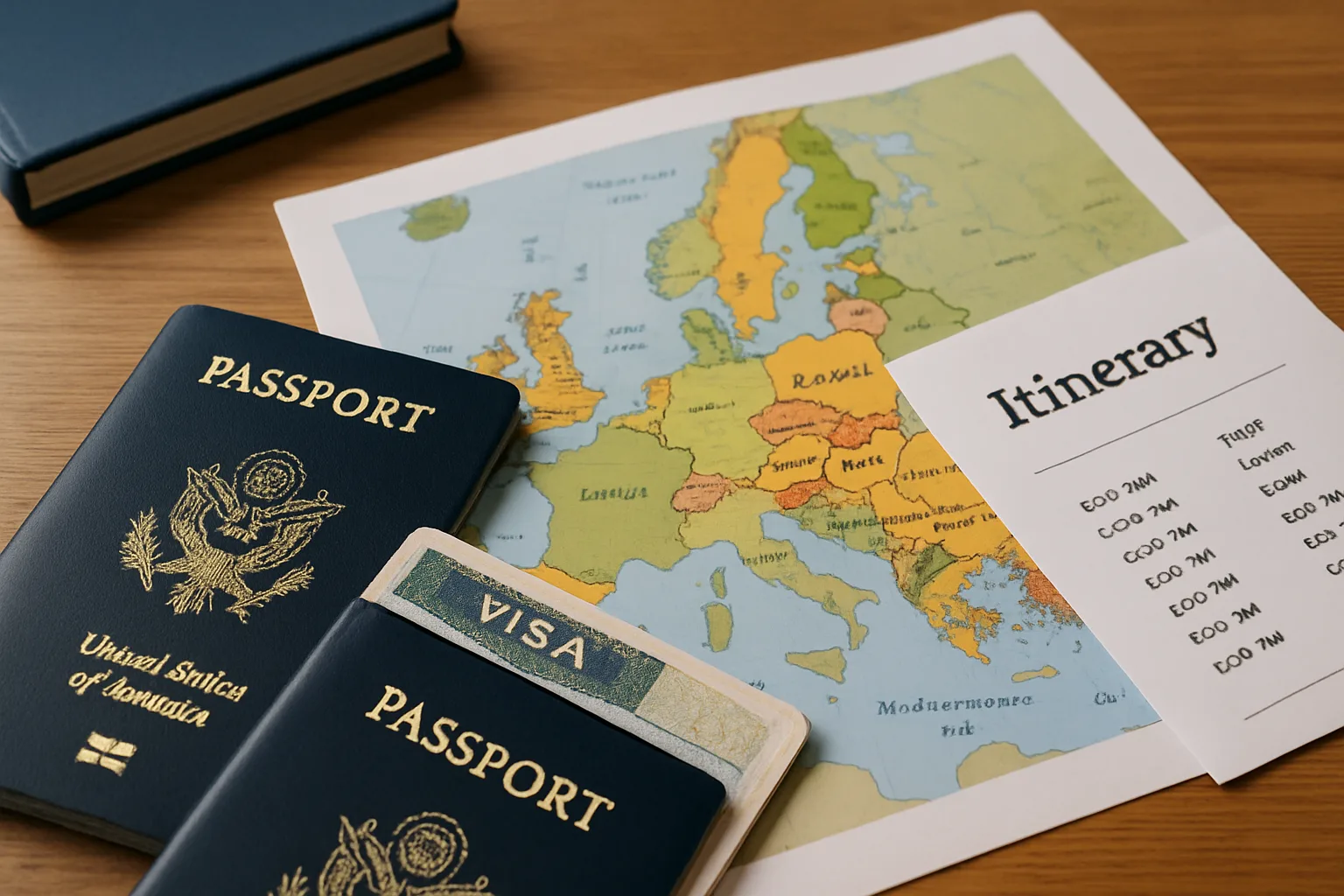
If you are a Russian passport holder and need to travel to Slovakia, consider these options:
- Apply for a long-stay visa (type D): If your purpose of travel is work, study, or family reunification, you can apply for a national visa. This allows you to stay in Slovakia for more than 90 days and may eventually lead to a residence permit.
- Use a valid residence permit from another EU country: If you hold a residence permit from any EU or EEA country, you can enter Slovakia without a visa for up to 90 days.
- Travel to another Schengen country that still processes Russian visas: If your main destination is not Slovakia, you can apply for a visa at the embassy of another Schengen state that still accepts applications. For example, Spain, Italy, France, and Germany have not suspended processing, but they may have longer processing times and stricter scrutiny.
- Consider non-Schengen alternatives: If your trip is flexible, consider visiting non-Schengen European countries like Ireland, Romania, Bulgaria, Cyprus, or the UK. These countries have their own visa policies and may be more accessible.
Applying for a Long-Stay Visa: A Step-by-Step Guide
If you qualify for a long-stay visa, the process is different from a Schengen visa. First, you must secure a job offer, university acceptance, or family sponsorship in Slovakia. Then, you submit your application at the Slovak embassy in your country.
The processing time can take several weeks or months.
For example, a Russian software developer with a job offer from a Slovak tech company can apply for a national visa. Once approved, they can live and work in Slovakia for up to two years. Similarly, a Russian student accepted at Comenius University in Bratislava can apply for a student visa.
Family reunification is another pathway. If your spouse or close relative is a Slovak citizen or resident, you may be eligible for a family visa. This requires proof of relationship and financial support.
How Does This Affect Russian Nationals with Valid Schengen Visas?
If you already hold a valid Schengen visa issued by any Schengen state (including Slovakia), you can still use it to travel to the issuing country. However, traveling to other Schengen states may be restricted. Some countries have banned entry to Russian nationals even with valid visas.
Always check the entry requirements of each country you plan to visit.
For example, if you have a valid Schengen visa from France, you can enter France, but you may not be allowed to enter Slovakia or Poland. Border guards can deny entry based on nationality and security concerns.
Consider a practical scenario: A Russian tourist holds a multiple-entry Schengen visa from Italy. They plan a trip to Italy and then a side visit to Slovakia. While they can enter Italy without issue, the Slovak border guard may deny them entry upon arrival.
The guard has discretion to refuse admission if they believe the traveler poses a risk. Therefore, it is safer to avoid Slovakia entirely if you hold a visa from another country.
What About Russian Nationals with Dual Nationality or Residence Permits?
If you hold another passport from an EU/EEA country or a country with visa-free access to the Schengen Area, you can travel using that passport. You do not need a Schengen visa. For example, a Russian-Italian dual national can enter Slovakia with their Italian passport.
If you hold a valid residence permit from an EU/EEA country, you can travel to Slovakia without a visa for up to 90 days. This applies even if you are a Russian national. The residence permit must be valid and show your status.
For instance, a Russian national living in Germany with a German residence permit can visit Slovakia for a weekend trip. They simply present their residence permit at the border. However, if the permit is about to expire, they may face additional scrutiny.
Always carry both your passport and residence permit when traveling.
What Are the Implications for Russian Nationals Applying for Schengen Visas from Third Countries?
If you are a Russian national living in a third country (e.g., the US, UK, or UAE), you can still apply for a Schengen visa at the Slovak embassy in that country, provided the suspension applies globally. However, the suspension is likely implemented at all Slovak diplomatic missions worldwide. Check with the local embassy.
If you hold a residence permit or long-term visa from that third country, it does not exempt you from the suspension. You still need to meet the visa requirements of the Schengen state you apply to.
For example, a Russian national residing in New York cannot apply for a Slovak Schengen visa at the Slovak consulate in New York. They would need to apply at the consulate of another Schengen country, such as France or Germany, if their main destination is that country. The residence permit from the US does not change the suspension rules.
What Should You Do If You Have an Upcoming Trip to Slovakia?
If you are a Russian national with plans to visit Slovakia, here are steps to take:
- Check if you already have a valid Schengen visa. If yes, confirm with the Slovak embassy or consulate whether you can enter. Be prepared for possible denial at the border.
- If you don't have a visa, explore alternatives. Consider applying for a long-stay visa if eligible, or change your travel plans to a different country.
- Contact the Slovak embassy in your country for the latest information. The suspension may be temporary or subject to changes.
- Consider travel insurance that covers cancellation in case entry is denied.
- Stay updated on travel advisories from your government and the EU.
Practical Steps for Rebooking Travel
If you have already booked flights and accommodation, contact your airline and hotel. Many airlines offer refunds or rebooking options for travel affected by government restrictions. Hotels may also waive cancellation fees if you explain the situation.
For example, if you booked a non-refundable hotel in Bratislava, call them directly to request a waiver.
Travel insurance is crucial. Some policies cover visa denials and entry restrictions. Check your policy details before your trip.
If you don't have insurance, consider purchasing a policy that includes coverage for government-imposed travel bans.
Also, monitor the Slovak Ministry of Foreign Affairs website for updates. They may issue new guidelines or exceptions. For instance, humanitarian cases might be considered on a case-by-case basis.
How Long Will the Suspension Last?
Slovakia has not announced an end date for the suspension. It is likely to remain in place as long as the conflict in Ukraine continues. The EU may also impose bloc-wide restrictions in the future.
Monitor official announcements from the Slovak Ministry of Foreign Affairs and the EU.
The suspension could be extended or made permanent depending on geopolitical developments. For example, if EU sanctions are tightened, more countries may follow Slovakia's lead. Conversely, if diplomatic relations improve, the suspension might be lifted.
However, as of now, no timeline exists.
Travelers should plan for the long term. If you need to visit Slovakia frequently, consider applying for a long-stay visa or residence permit. This provides more stability than relying on short-term changes in policy.
Can Russian Nationals Transit Through Slovakia?
Transit through Slovakia is also affected. If you are a Russian national traveling from one non-Schengen country to another and need to transit through Slovakia, you may be denied entry. Some exceptions apply for humanitarian reasons or if you hold a valid visa or residence permit from an EU country.
Check with the airline and embassy before booking.
For example, a Russian national flying from Moscow to Vienna with a layover in Bratislava would need a transit visa. Since Slovakia has suspended all short-stay visa processing, they cannot obtain this visa. They would need to choose a different route, such as a direct flight to Vienna or a layover in a non-Schengen country like Serbia.
If you are transiting by land, similar rules apply. Driving from Ukraine to Germany via Slovakia is not advisable without proper documentation. Border guards may turn you away at the Slovak border.
What Are the Penalties for Attempting to Enter Slovakia Without Proper Authorization?
If you attempt to enter Slovakia without a valid visa or under false pretenses, you may be denied entry and banned from the Schengen Area. You could also be fined or detained. It's essential to have the correct documentation and not to overstay any visa.
Penalties can include a ban of up to five years from entering any Schengen country. In severe cases, you may face legal proceedings. For instance, if you try to use a forged visa or misrepresent your travel purpose, Slovak authorities may detain you for questioning.
Always be honest in your applications and at border control.
If you are denied entry, you have the right to appeal. However, the process can be lengthy. It is better to avoid such situations by ensuring you meet all requirements before travel.
How Does This Affect Russian Nationals with Family in Slovakia?
If you have close family members who are Slovak citizens or residents, you may qualify for a family reunification visa. This is a long-stay visa (type D) and is not affected by the suspension. You must provide proof of relationship, such as a marriage certificate or birth certificate.
For example, a Russian woman married to a Slovak man can apply for a family visa to join her spouse. The application is processed at the Slovak embassy, and she can then live in Slovakia. Similarly, a Russian child with a Slovak parent can apply for a visa to reunite with their family.
However, the process requires documentation and may take several months. It is advisable to start early and consult with the embassy for specific requirements. Family visits for short stays (under 90 days) are more complicated due to the suspension, but long-term stays are possible.
What About Russian Nationals Applying for Asylum in Slovakia?
Asylum seekers are not subject to the same visa rules. If you are a Russian national fleeing persecution, you can apply for asylum at the Slovak border or within the country. The suspension does not affect asylum applications.
However, you must demonstrate a well-founded fear of persecution based on race, religion, nationality, political opinion, or membership in a particular social group.
For instance, a Russian journalist facing threats for their reporting can seek asylum in Slovakia. They would need to present evidence of persecution, such as arrest warrants or threats. The asylum process is separate from visa applications and is handled by the Slovak Migration Office.
Note that asylum seekers are not allowed to work immediately. They may receive temporary accommodation and financial support while their case is reviewed. The process can take months or years, and approval is not guaranteed.
Frequently Asked Questions
1. Can I still apply for a Schengen visa at the Slovak embassy if I have a residence permit in another country?
No. The suspension applies to all Russian nationals regardless of where they live. Having a residence permit in a third country does not exempt you. You must apply at a different Schengen embassy that still processes Russian applications.
2. I have a valid Schengen visa from Italy. Can I enter Slovakia?
Possibly, but entry is not guaranteed. Slovakia has the right to deny entry to any traveler, even with a valid visa. It's best to avoid entering Slovakia if you are a Russian national with a visa from another Schengen state.
Check with the Slovak embassy before travel.
3. Does the suspension affect Russian nationals who are also EU citizens?
No. If you hold an EU passport, you can travel freely within the Schengen Area. You do not need a visa. Use your EU passport when entering Slovakia.
4. Are there any humanitarian exceptions to the suspension?
Yes, in urgent cases such as medical emergencies or family funerals, you may contact the Slovak embassy for a humanitarian visa. However, these are granted on a case-by-case basis and require strong evidence.
5. What should I do if my Schengen visa application was already in process when the suspension was announced?
Contact the Slovak embassy where you applied. They will inform you if your application is still being processed or if it has been cancelled. You may be able to withdraw your application and apply elsewhere.
6. Can I apply for a visa at the Slovak embassy in a third country if I am a Russian national?
No. The suspension applies globally at all Slovak diplomatic missions. You cannot apply at any Slovak embassy or consulate worldwide. You must use another Schengen state's embassy.
7. Are there any exceptions for business travelers?
Generally, no. The suspension covers all short-stay visas, including business visas. However, if your business trip is essential and you have a valid reason, you may contact the embassy for guidance.
Some countries have made exceptions for certain sectors, but Slovakia has not announced any.
Key takeaways
- Slovakia has suspended Schengen visa processing for Russian nationals indefinitely.
- The suspension applies to all short-stay visas (tourist, business, transit).
- Long-stay visas (work, study, family) are not affected.
- Russian nationals with valid Schengen visas from other countries may still be denied entry to Slovakia.
- Alternatives include applying at other Schengen embassies, using an EU residence permit, or traveling to non-Schengen countries.
- Always check official sources before planning travel.
For more information on Schengen visa for US green card holders and multiple entry Schengen visa validity, visit our guides. Also, remember to apply Schengen visa early to avoid delays.
For official information, check the Slovak Ministry of Foreign Affairs website.
Official sources
Check the authority for current fees and requirements before applying.
Frequently asked questions
Can I still apply for a Schengen visa at the Slovak embassy if I have a residence permit in another country?
I have a valid Schengen visa from Italy. Can I enter Slovakia?
Does the suspension affect Russian nationals who are also EU citizens?
Are there any humanitarian exceptions to the suspension?
What should I do if my Schengen visa application was already in process when the suspension was announced?
This article is for general informational purposes only. Visa and travel authorisation rules change frequently. Always check the official government website before travelling.

Written & reviewed by
Can OTUTravel Authorisation Editor
Can OTU is the editor of ETA Travel Assistant, specialising in UK ETA, Schengen ETIAS, NZeTA and ESTA travel authorisations. Can monitors official government sources and policy updates to ensure every guide is accurate, current and genuinely useful for travellers.
View all guides →