Why Are More Travellers Using Third-Party Help for Their UK ETA Application?

- Third-party services can help with document checks and application steps
- They are not official and charge extra fees
- Always verify the service is legitimate before paying
The UK Electronic Travel Authorisation (ETA) is a digital permission for visa-free nationals to visit the UK. While the application is designed to be straightforward, many travellers find themselves seeking assistance from third-party services. This article explores why this trend is growing and what you need to know before using such help.
Applying for a UK ETA yourself is free (aside from the £20 fee) and takes about 10-20 minutes. Yet, an increasing number of travellers are turning to agents, visa consultants, and online platforms to handle the process. Let's break down the reasons, the risks, and how to choose a reliable helper.
Remember: this is general guidance. Always check official sources before travel.
Why Are Travellers Using Third-Party Help?
Several factors drive the demand for third-party UK ETA application help. Understanding these can help you decide if you need assistance.
Complexity of the Application
Although the UK ETA form is simple, some questions can be confusing. For example, you need to list all previous criminal convictions, even if spent. Travellers worry about getting this wrong and being denied entry.
A third-party service can review your answers and ensure accuracy.
Consider a traveller who had a minor offence from decades ago. They might not know if it needs disclosure. A third-party service can clarify such nuances.
Another example involves questions about employment history. Some applicants struggle to recall exact dates or job titles. A service can help organise this information.
The form also asks about travel history to conflict zones or countries with specific restrictions. Many travellers are unsure how to answer these questions accurately. Third-party services often have experience with such scenarios.
For instance, a traveller who visited a country on a tourist visa may not realise that the UK considers it a high-risk destination. A service can advise on how to present this information honestly.
Additionally, the application requires details about previous UK visa refusals. Some applicants may have forgotten about a refusal from years ago. A third-party helper can prompt them to recall and disclose it.
Language Barriers
The application is in English. Non-native speakers may struggle with specific terms or phrasing. Third-party services often offer support in multiple languages, making the process less stressful.
For instance, a Spanish speaker might find the term "biometric passport" unfamiliar. A service with Spanish support can explain it clearly.
Language barriers can also lead to misinterpretation of questions. This increases the risk of errors. Third-party help reduces that risk.
Some services provide translated versions of the application questions. This helps applicants understand what is being asked without guessing.
For example, a French speaker might confuse "current address" with "permanent address." A service can clarify the difference and ensure the correct information is provided.
Moreover, services often offer phone support in multiple languages. This allows applicants to ask questions in real time and get immediate clarification.
Time Savings
Some travellers are short on time. They'd rather pay a small fee to have someone else complete the form while they focus on packing or planning. Third-party services can also check for errors that might cause delays.
A business traveller with a tight schedule might not have 20 minutes to spare. Paying £30 for a service saves them that time.
Additionally, services often submit applications faster. They know the system and can avoid common pitfalls that slow down processing.
For example, a service might know that uploading a photo with the wrong dimensions can cause a delay. They can correct this before submission.
Time savings are especially valuable for last-minute trips. A traveller booking a flight for the next day may not have the luxury of waiting for a slow application process.
Some services also offer same-day submission guarantees. This can be a lifesaver for urgent travel plans.
Uncertainty About Requirements
Not everyone knows the uk eta application requirements. For instance, you need a biometric passport valid for at least 6 months. A third-party service can clarify what documents you need and verify them.
Some travellers might not realise their passport needs to be biometric. A service can check this upfront.
Others may be unaware that they need a digital photo meeting specific standards. Third-party help ensures compliance.
The requirements also include details about your travel itinerary. Some applicants are unsure if they need to provide hotel bookings or flight numbers. A service can advise on what is necessary.
For example, a traveller planning a multi-city trip might not know how to list all destinations. A service can help structure this information correctly.
Additionally, requirements can change over time. Third-party services often stay updated on the latest rules, saving travellers from relying on outdated information.
Fear of Rejection
A rejected ETA can disrupt travel plans. Travellers worry about making a mistake that leads to a refusal. Third-party services claim to reduce this risk by double-checking everything.
For example, a traveller with a common name might worry about identity confusion. A service can verify that all details match the passport exactly.
Rejection can also occur due to incomplete information. Third-party services aim to catch these gaps before submission.
Some travellers have past visa refusals from other countries. They fear that this might affect their UK ETA application. A service can advise on how to disclose this information properly.
For instance, a traveller refused a US visa might not know if they need to mention it on the UK form. A third-party helper can clarify the rules.
Moreover, rejection can lead to a ban on future applications. This fear drives many to seek professional help to avoid any mistakes.
What Exactly Does a Third-Party Service Do?
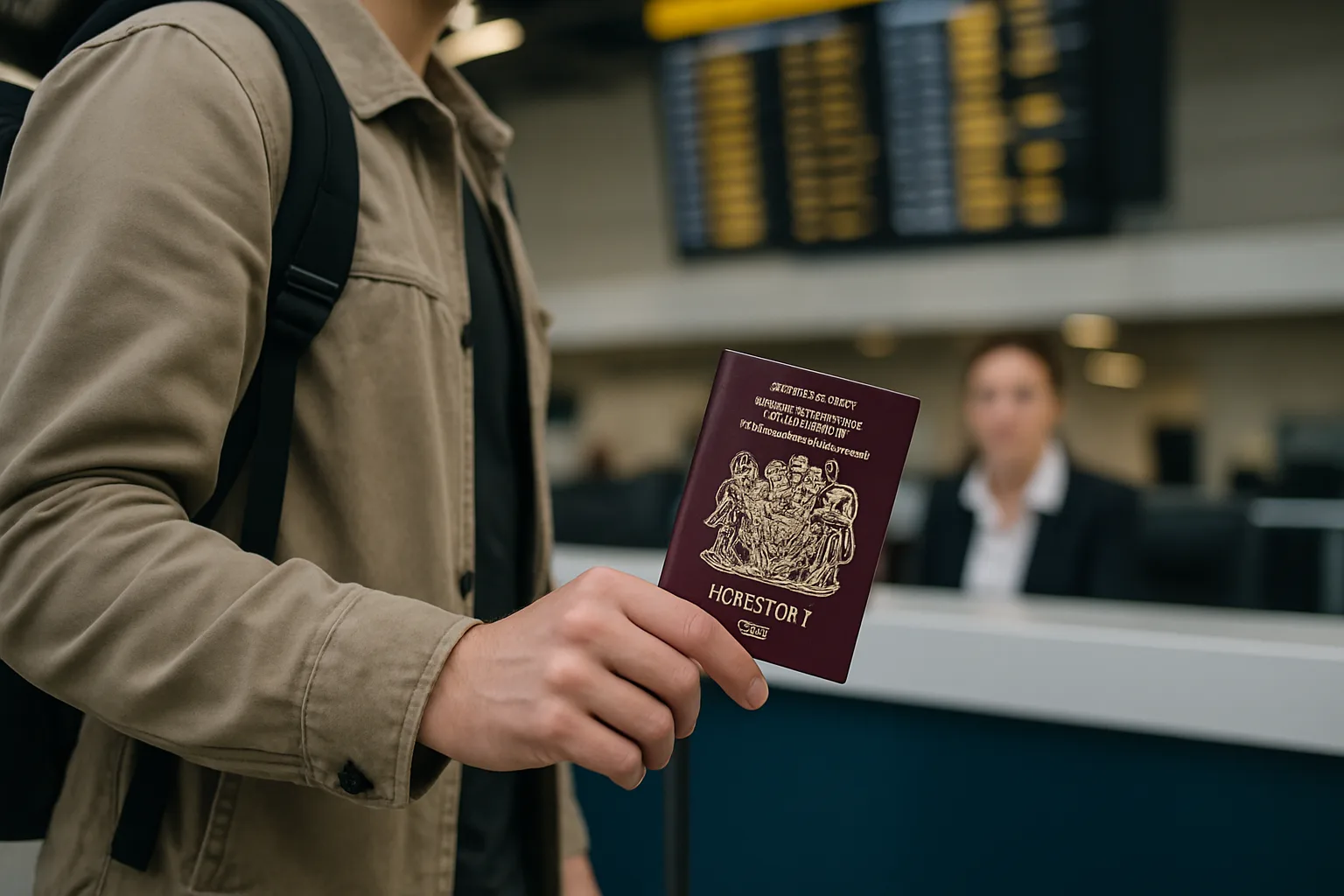
Third-party services vary widely. Some are simple form-filling websites; others are full visa consultancy firms. Here's what they typically offer:
- Form completion: They ask you for your details and fill in the online form on your behalf.
- Document review: They check your passport, photo, and other documents for compliance.
- Submission: They submit the application and pay the fee (which you reimburse plus their fee).
- Status tracking: They monitor the application and notify you of the result.
- Support: They answer questions and help with any issues.
Note: The UK government does not endorse any third-party service. You are ultimately responsible for the accuracy of your application.
Some services also offer additional features like priority processing. However, this is not official and may not speed up the actual government process.
Always confirm what is included in the service fee. Some may charge extra for status updates or corrections.
For example, a service might offer a "premium package" that includes phone support and faster turnaround. This can cost significantly more than the basic package.
Other services provide a checklist of documents before you start. This helps you gather everything in advance, reducing back-and-forth communication.
Some even offer a guarantee of approval or your money back. However, such guarantees are often conditional and may not cover all scenarios.
How to Choose a Reliable Third-Party Service
Not all services are trustworthy. Some overcharge or provide incorrect information. Follow these steps to find a reliable helper.
Step 1: Check Official Guidance First
Before paying anyone, read the official UK government guidance on the ETA. Understand the who needs a uk eta rules. This helps you spot if a third-party service is giving wrong advice.
For instance, if a service says you need a visa when you only need an ETA, that is a red flag. Official guidance clarifies such distinctions.
Knowing the rules also helps you ask informed questions. You can verify the service's claims against government sources.
Official guidance is available on the gov.uk website. It includes a step-by-step guide and a list of frequently asked questions.
For example, the official site explains that the ETA is not a visa and does not guarantee entry. A reliable service will echo this information accurately.
By familiarising yourself with the rules, you can avoid being misled by services that exaggerate their importance.
Step 2: Look for Transparency
A reputable service will clearly state its fees, what it does, and that it is not affiliated with the government. Avoid any service that guarantees approval—no one can guarantee that.
Transparency includes a clear refund policy. If the service fails to submit your application, you should get your money back.
Also, check if they explain the official fee separately. A good service will show the £20 government fee plus their own charge.
For example, a transparent service might list: "Government fee: £20, Service fee: £25, Total: £35." This clarity helps you understand what you are paying for.
Some services hide fees in the fine print. Look for terms like "administration fee" or "processing charge" that are not explained upfront.
If a service is vague about its pricing, consider it a warning sign. Legitimate businesses are open about costs.
Step 3: Read Reviews
Search for independent reviews on Trustpilot or similar sites. Look for recent feedback. Be wary of services with many negative reviews about delays or hidden charges.
For example, a service with a 4.5-star rating and hundreds of reviews is likely reliable. One with no reviews or only positive ones might be fake.
Also, check social media for complaints. Real users often share their experiences on platforms like Twitter or Facebook.
Pay attention to reviews that mention specific issues, such as "they submitted my application with a typo" or "they charged me extra without notice." These details reveal common problems.
Some review sites allow you to filter by date. Look for reviews from the last few months to ensure the service is still operating well.
If a service has a pattern of unresolved complaints, avoid it. A few negative reviews are normal, but many indicate a systemic issue.
Step 4: Compare Fees
The official UK ETA fee is £20. Third-party services typically charge £20-£50 extra. If a service asks for hundreds of pounds, that's a red flag.
Know how much does a uk eta cost so you don't overpay.
Some services may offer package deals for families. Compare the total cost per person to ensure it is reasonable.
Remember, you can apply yourself for just £20. Any extra fee should be for genuine value, not just profit.
For example, a service charging £100 per person for a family of four would total £400. That is significantly more than the £40 you would pay on your own.
Some services offer discounts for multiple applications. Ask about group rates if you are applying for several people.
Always get a written quote before paying. This protects you from unexpected charges later.
Step 5: Verify Contact Information
A legitimate service will have a physical address, phone number, and responsive customer support. Avoid services that only have a web form or email.
Check if the address is a real office or a virtual mailbox. You can use Google Maps to verify.
Also, test their customer support before paying. Send a question and see how quickly they respond. Slow or vague replies are warning signs.
For example, a reliable service might respond within a few hours during business days. A service that takes days to reply may be understaffed or unprofessional.
Some services offer live chat support. This can be a good sign of availability, but ensure the chat is staffed by real people, not bots.
If the only contact method is a contact form on their website, be cautious. Legitimate businesses usually provide multiple ways to reach them.
Risks of Using Third-Party Help
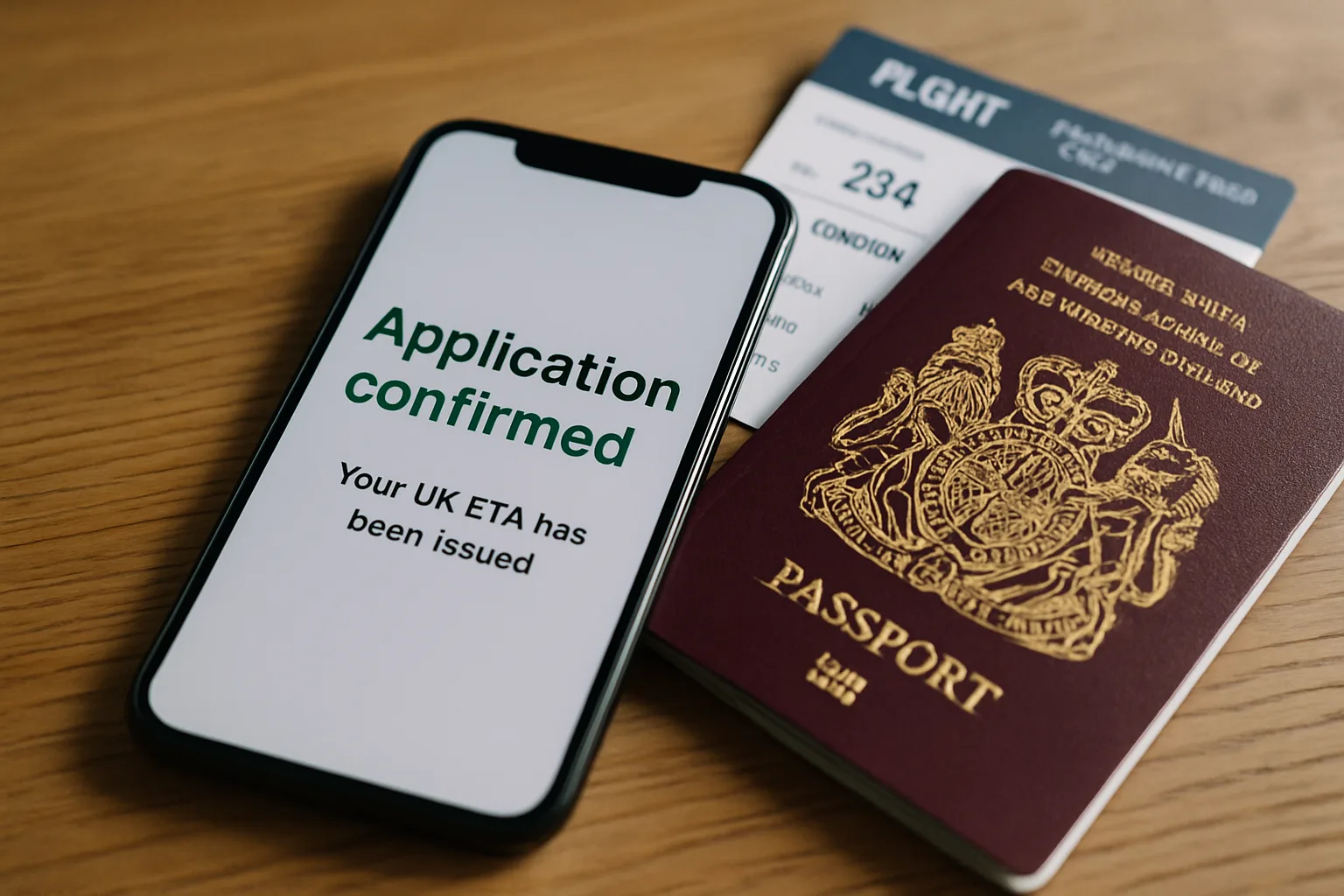
While third-party services can be helpful, there are risks you should consider.
Data Privacy
You'll share personal information like your passport number, address, and employment history. Unscrupulous services could misuse this data. Ensure the service has a clear privacy policy and uses secure connections.
For example, a service might sell your data to advertisers. This could lead to spam or phishing attempts.
Always check for HTTPS in the website URL. This indicates a secure connection for data transmission.
Some services store your data on their servers for future use. This can be convenient but also increases the risk of a data breach.
Ask the service how long they retain your data. A good policy is to delete it after the application is processed.
If a service refuses to disclose its data practices, consider it a red flag. Your privacy should be a priority.
Errors in Application
If the third-party makes a mistake, you are responsible. The UK Home Office will hold you accountable for any false information, even if someone else filled it in. This could lead to a refusal or a ban.
Imagine a service misspells your name. This might cause your ETA to not match your passport, leading to denied boarding.
Always double-check the application before submission. Ask the service to send you a copy for review.
Errors can also occur in the photo upload. If the service uploads a low-resolution image, it might be rejected. You should verify the photo meets official standards.
Some services rush through applications without careful review. This increases the likelihood of mistakes. Insist on a thorough check before submission.
If you find an error after submission, contact the service immediately. They may be able to correct it, but there is no guarantee.
Extra Costs
Some services add hidden fees. Always ask for a full breakdown before paying. Remember, you can apply yourself for just £20.
Hidden fees might include charges for corrections or resubmissions. Read the terms carefully to avoid surprises.
Also, watch for services that charge for checking your status. The official site allows free status checks.
For example, a service might charge £15 for a "status update" that you could get for free on gov.uk. This is an unnecessary expense.
Some services also charge for resubmitting a rejected application. This can add up quickly if your application is initially refused.
Always ask for a written estimate of all potential fees. This helps you budget accurately and avoid unexpected charges.
Scams
There are fraudulent websites that pose as official ETA portals. They may collect your payment and never submit an application. Always check the URL: the official site is gov.uk.
Scammers often use similar domain names like "uk-eta.com" or "gov-eta.org". These are not official.
If a service asks for payment via wire transfer or gift cards, it is almost certainly a scam. Use credit cards for better protection.
Some scams also involve phishing emails that claim to be from the UK government. They ask you to click a link and enter personal details. Never respond to unsolicited emails about your ETA.
Report any suspicious websites to the UK government's cyber security team. This helps protect other travellers.
If a deal seems too good to be true, it probably is. Trust your instincts and verify the service thoroughly.
When Should You Consider Third-Party Help?
Third-party help is not necessary for most travellers. But in certain situations, it can be beneficial.
- You have a complex travel history: If you've been refused a visa before or have criminal convictions, a professional can advise on how to answer.
- You are not tech-savvy: If you struggle with online forms, a helper can guide you.
- You need the application in a hurry: Some services offer expedited handling (though official processing is usually fast).
- You want peace of mind: If you're anxious about making a mistake, having a second pair of eyes can reassure you.
For straightforward applications, applying yourself is quick and cheap.
Consider a traveller with multiple passports. A third-party service can help ensure the correct passport is used.
Another scenario is when you are applying for a group. A service can manage all applications together, saving time.
For example, a family of five might find it easier to use a service that handles all their applications simultaneously. This reduces the risk of errors across multiple forms.
Some travellers have unique circumstances, such as dual nationality or a recently changed name. A service can help navigate these complexities.
If you are travelling for a special event like a wedding or a funeral, you may not want to risk delays. Third-party help can provide extra assurance.
How to Apply for a UK ETA Yourself: Step-by-Step
If you decide to go it alone, here's the process. It's simpler than you think.
Step 1: Check if You Need an ETA
Visit the official UK government website and use the tool to see if you need an ETA. Nationals of countries like the US, Canada, Australia, and Japan need one. EU nationals will need one from 2025.
Some travellers might be exempt, such as those with diplomatic passports. The tool clarifies this.
Also, check if you are transiting through the UK. Transit rules may differ from direct entry.
The official tool asks for your nationality and travel purpose. It provides a clear yes or no answer within seconds.
For example, a US citizen travelling for tourism will be told they need an ETA. A diplomat from the same country might be exempt.
If you are unsure, you can also contact the UK embassy in your country for confirmation.
Step 2: Gather Your Documents
You'll need a valid biometric passport (e-passport) with at least 6 months validity. Also have your travel details, employment info, and contact details ready.
Your passport must have a chip symbol on the cover. This indicates it is biometric.
Have a digital photo ready if required. The official site specifies photo dimensions and background colour.
Your travel details should include your flight numbers and accommodation addresses. This information is required for the application.
Employment information includes your job title and employer's name. If you are self-employed, you may need to provide your business details.
Having these documents ready in advance speeds up the process. You won't need to search for them while filling out the form.
Step 3: Complete the Online Form
Go to the official gov.uk ETA application page. Fill in your personal details, passport info, and answer security questions. Be honest and accurate.
The form asks about your travel history and any criminal record. Answer truthfully, as the system cross-checks data.
Take your time. Rushing can lead to typos that cause delays.
The form is divided into sections, such as personal information, passport details, and travel plans. Complete each section carefully before moving to the next.
You can save your progress and return later if needed. This is helpful if you need to gather additional information.
Once you submit, you cannot make changes. Double-check everything before clicking the final button.
Step 4: Pay the Fee
The fee is £20 per person. You can pay by credit or debit card. No additional charges.
Ensure your card has sufficient funds. The payment is processed immediately.
Keep the payment receipt. It serves as proof of application.
The payment page is secure and uses encryption. You will see a confirmation message after successful payment.
If the payment fails, check your card details and try again. Some cards may have international transaction fees, so check with your bank.
After payment, you will receive a reference number. Save this for future correspondence.
Step 5: Submit and Wait
After submission, you'll receive a confirmation email. Most applications are processed within minutes, but allow up to 72 hours. Check your spam folder.
If you don't receive a confirmation, contact the official helpdesk. Do not resubmit immediately, as duplicates can cause issues.
Processing times can vary during peak travel seasons. Apply at least a week before your trip.
During busy periods, such as summer holidays, processing may take longer. Planning ahead reduces stress.
You can check your application status on the official site using your reference number. This is free and quick.
If your application is pending after 72 hours, contact the UK Home Office for assistance.
Step 6: Receive Your ETA
You'll get an email with your ETA reference number. It's linked to your passport electronically. No need to print anything.
Save the email for your records. You may need the reference number for future queries.
Verify your ETA on the official site before travel. This ensures it is active and correct.
You can also check your ETA status when you check in for your flight. Airlines have access to the system.
If your ETA is not showing up, contact the official helpdesk immediately. Do not travel without a valid ETA.
Keep a copy of the email on your phone as a backup. This can be useful if you encounter any issues at the border.
Common Mistakes When Using Third-Party Services
Even with help, mistakes can happen. Here are common pitfalls and how to avoid them.
- Not checking the service's credentials: Always verify they are a legitimate business.
- Providing incorrect information: The third-party may ask you to fill a form; ensure your details are correct.
- Assuming the service is official: Many websites look like gov.uk but are not. Check the domain.
- Paying too much: Compare fees. If it's over £50 total, it's likely a rip-off.
- Not reading the terms: Understand what you're paying for and the refund policy.
Another mistake is sharing sensitive data without encryption. Always look for HTTPS in the URL.
Some travellers forget to check the service's data retention policy. Your information might be stored indefinitely.
Also, avoid services that ask for your passport scan via email. Use secure upload portals instead.
For example, a traveller might send their passport photo via an unencrypted email. This could be intercepted by hackers. Always use secure methods.
Some services require you to create an account with a password. Use a strong, unique password to protect your data.
If a service asks for your bank details for a refund, be cautious. Legitimate services usually refund to the original payment method.
Real-Life Scenarios: When Third-Party Help Saved the Day
Here are examples where third-party help proved useful.
Scenario 1: Maria from Brazil was applying for her family of four. She was unsure how to list her husband's previous visa refusal. A third-party service helped her phrase it correctly, and all four ETAs were approved.
Without help, Maria might have omitted the refusal. This could have led to a ban for providing false information.
The service also checked each family member's passport validity. One passport was expiring soon, so they advised renewal first.
Maria's husband had a visa refusal from five years ago. The service guided them on how to explain the circumstances in the application.
The service also helped with the children's applications, ensuring their details matched their passports exactly. This avoided potential mismatches.
Maria later said the peace of mind was worth the extra cost. She would have been stressed doing it alone.
Scenario 2: Ahmed from Saudi Arabia had limited English. He used a service that offered Arabic support. They guided him through the form, and he got his ETA in one day.
Ahmed's application might have been rejected due to language errors. The service translated questions and answers accurately.
He also appreciated the phone support. It made him feel more confident about the process.
The service provided a bilingual agent who spoke Arabic and English. This allowed Ahmed to ask questions in his native language.
He was able to complete the application in under an hour, compared to the hours he would have spent struggling with English.
Ahmed recommended the service to his friends who also had limited English skills.
Scenario 3: Sophie from Canada needed her ETA urgently for a business trip. She used a service that checked her application and submitted it quickly. She received approval in two hours.
Sophie had a layover in the UK and needed the ETA for transit. The service prioritised her case.
She later learned that official processing can be fast too. But the service gave her peace of mind during a stressful time.
Sophie's flight was in 24 hours, and she was worried about delays. The service assured her they would submit it immediately.
They also checked her passport details to ensure there were no errors. This saved her from potential issues at the airport.
Sophie said the service was worth the fee because it removed her anxiety about the application.
Alternatives to Third-Party Help
If you want assistance but are wary of third-party services, consider these options.
- Ask a friend or family member: Someone fluent in English can help you fill the form for free.
- Use official guidance: The gov.uk website has detailed instructions and a helpdesk.
- Contact the UK embassy: They can provide general advice, though they won't fill forms for you.
Another alternative is using online forums like Reddit. Travellers often share tips and answer questions.
You can also watch video tutorials on YouTube. Many creators walk through the application step by step.
For complex cases, consider a registered immigration advisor. They are regulated and offer professional advice.
For example, a subreddit like r/ukvisa has many users who share their experiences. You can ask specific questions and get answers from people who have gone through the process.
YouTube videos often show the exact screens you will see during the application. This can help you prepare in advance.
Registered immigration advisors are bound by a code of conduct. They provide professional and reliable assistance, though they may charge higher fees.
The Role of Technology in Third-Party Services
Technology has made third-party services more accessible. Many use automated systems to check applications.
For example, some services use AI to scan documents for errors. This can catch mistakes humans might miss.
However, technology also poses risks. Automated systems may not understand nuanced situations.
Always ensure a human reviews your application. Pure automation can lead to errors.
Some services offer mobile apps for convenience. These apps can store your data for future applications.
But be cautious with app permissions. Only grant access to necessary data.
For instance, an app might request access to your contacts or camera. This is not needed for an ETA application and could be a privacy risk.
Some services use chatbots for initial customer support. While helpful, chatbots may not handle complex questions well.
Technology also allows for faster communication. You can receive updates via email or SMS, keeping you informed in real time.
However, rely on technology as a tool, not a replacement for human oversight. Always verify the final application before submission.
How Third-Party Services Market Themselves
Third-party services often use persuasive marketing. They highlight convenience and success rates.
Common phrases include "100% approval guarantee" or "fastest service". These are often exaggerated.
Legitimate services focus on accuracy and support. They do not make unrealistic promises.
Watch for services that use urgency tactics. For example, "Apply now or miss your trip!" This creates unnecessary pressure.
Always research independently. Do not rely solely on the service's website.
Check if the service has been featured in reputable media. This adds credibility.
For example, a service mentioned in a major travel magazine might be more trustworthy than one that only advertises on social media.
Some services offer free consultations or trial periods. This allows you to evaluate their quality before committing.
Be skeptical of services that claim to have "inside connections" with the UK Home Office. No third-party has such access.
Legitimate marketing focuses on the value they provide, such as saving time or reducing errors. Avoid services that make grand promises.
Legal Implications of Using Third-Party Help
Using a third-party service is legal. However, you must ensure they comply with data protection laws.
In the UK, services must follow the General Data Protection Regulation (GDPR). This protects your personal data.
If a service mishandles your data, you can report them to the Information Commissioner's Office (ICO).
Also, be aware that providing false information is a criminal offence. Even if a service makes the error, you are liable.
In extreme cases, you could face a ban from the UK. Always verify the accuracy of your application.
Some services offer indemnity insurance. This covers you if they make a mistake. Ask about this before paying.
For example, if a service submits incorrect information that leads to a ban, indemnity insurance might cover legal costs. This is a valuable safeguard.
Check if the service is registered with a professional body. This adds an extra layer of accountability.
If you have a dispute with a service, you can take legal action. Keep all correspondence and receipts as evidence.
Understanding the legal landscape helps you make an informed decision. It also protects you from potential pitfalls.
Final Thoughts: Is Third-Party Help Worth It?
For most travellers, applying for a UK ETA is easy and cheap. Third-party help is an unnecessary expense. However, if you have special circumstances or need reassurance, a reputable service can be valuable.
Always do your research. Check reviews, compare fees, and never share more information than necessary. And remember: the official fee is £20.
Anything extra is for convenience, not necessity.
Before you travel, double-check your ETA is valid and linked to your passport. You can verify on the official site. Safe travels!
Key takeaways
- Third-party UK ETA help is popular due to complexity, language barriers, and time savings.
- Risks include data privacy, errors, extra costs, and scams.
- Most travellers can apply themselves in 10-20 minutes for £20.
- If you use a third-party, choose one with transparent fees and good reviews.
- Always verify your ETA on the official gov.uk site before travel.
Frequently asked questions
Is it safe to use a third-party service for UK ETA?
How much does a third-party UK ETA service cost?
Can a third-party service guarantee UK ETA approval?
What should I do if a third-party service makes a mistake on my application?
Do I need to use a third-party service for a UK ETA?
This article is for general informational purposes only. Visa and travel authorisation rules change frequently. Always check the official government website before travelling.

Written & reviewed by
Can OTUTravel Authorisation Editor
Can OTU is the editor of ETA Travel Assistant, specialising in UK ETA, Schengen ETIAS, NZeTA and ESTA travel authorisations. Can monitors official government sources and policy updates to ensure every guide is accurate, current and genuinely useful for travellers.
View all guides →