Why You Must Check Your ESTA Status Before Every Trip to the USA
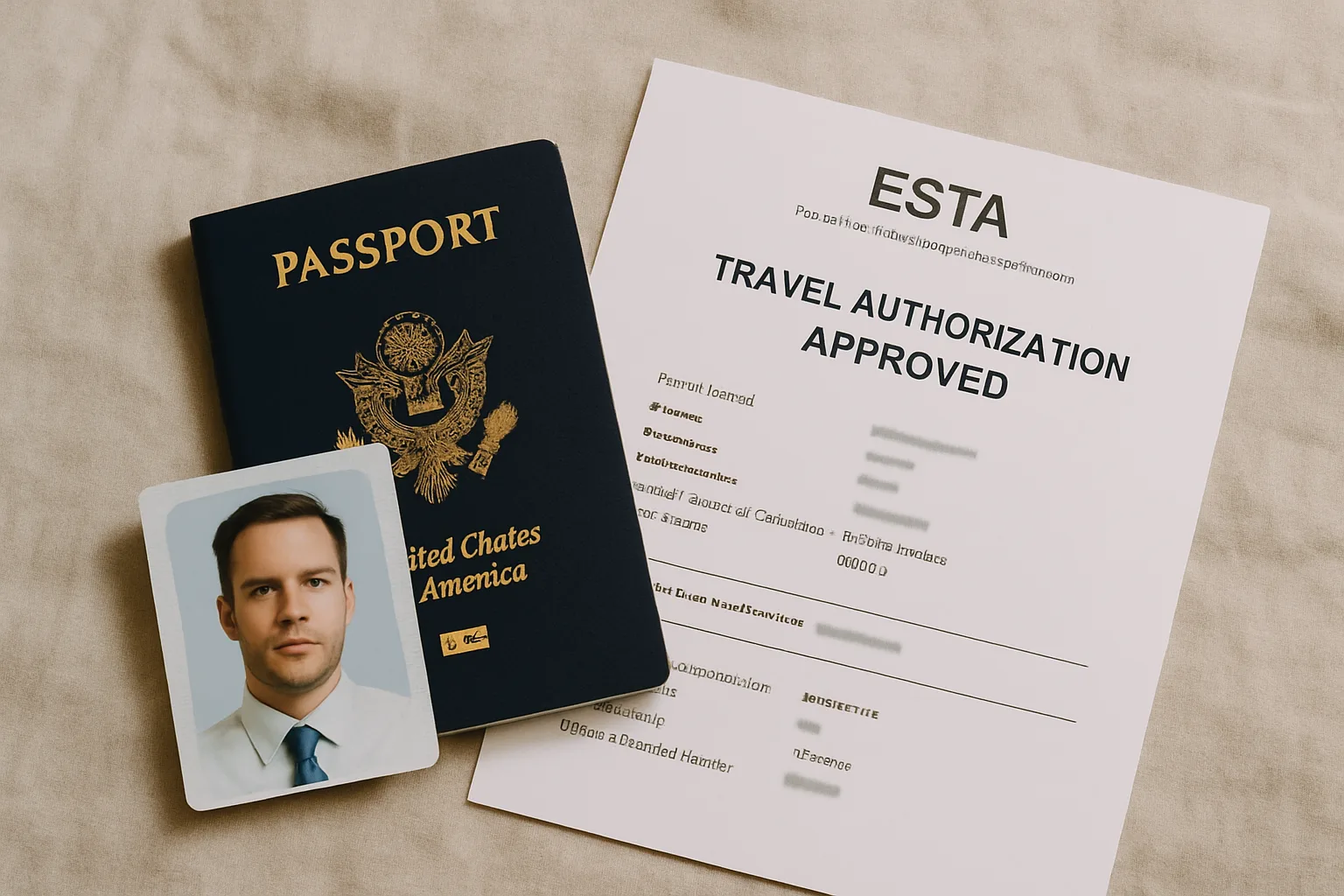
- ESTA approvals can be revoked at any time for new security concerns or changes in your circumstances.
- An ESTA is valid for up to two years, but it expires with your passport — if you renew your passport, you need a new ESTA.
- Checking takes two minutes on the official website. Do it at least 72 hours before departure.
You've booked your flights, packed your bags, and you're ready for that US trip. But have you checked your ESTA status? If you haven't, you could be in for a nasty surprise at the airport.
An approved ESTA is not a guarantee of entry. It's a pre-screening that can be revoked at any time. The US Customs and Border Protection (CBP) constantly updates its security checks, and something that was fine last year might flag a problem today.
This guide explains exactly why you need to check your ESTA before every trip, what could go wrong, and how to do it in under five minutes.
What Is an ESTA and Why Does It Need Checking?
ESTA stands for Electronic System for Travel Authorization. It's not a visa — it's a pre-travel authorisation for citizens of Visa Waiver Program (VWP) countries travelling to the US for tourism, business, or transit.
An approved ESTA is valid for up to two years, or until your passport expires — whichever comes first. During that time, you can make multiple trips to the US without reapplying, as long as each stay is 90 days or less.
But here's the catch: CBP can revoke your ESTA at any time. They don't have to tell you. You might only find out when you check in for your flight or arrive at the border.
This is why a simple two-minute check before every trip is so crucial. It protects you from last-minute surprises that could cost you time and money.
Think of your ESTA as a living document that requires regular attention. Just like you check your passport's expiration date, you must verify your ESTA's current validity.
Why Your ESTA Could Be Revoked Without Warning
CBP monitors travellers continuously. Even after your ESTA is approved, they can revoke it if new information emerges. Common reasons include:
- Changes in your criminal record — even an arrest or charge can trigger a review.
- Overstaying a previous US visit — if you stayed longer than 90 days on a past trip, your ESTA could be cancelled.
- New travel to a high-risk country — visiting certain countries (like Iran, Iraq, Syria, Sudan, Libya, Somalia, or Yemen) after March 2011 may affect your eligibility.
- Updated watchlists or security alerts — CBP adds names regularly.
- Mistakes in your application — if you made an error that's later discovered, your ESTA can be voided.
Checking your status before every trip catches these issues early. You don't want to find out at the gate.
For example, imagine a traveller from France who visited the US multiple times without issue. After a business trip to a restricted country, their ESTA was silently revoked. They only discovered this when checking for their next flight.
Another scenario involves a UK citizen who had a minor traffic violation in their home country. This was flagged by CBP's system, and their ESTA was cancelled without any direct notification. A quick status check would have saved their trip.
These examples show why relying on a past approval is risky. CBP's databases update daily, and your status can change overnight.
How to Check Your ESTA Status
Checking your ESTA is straightforward. Use only the official CBP website — never a third-party site that may charge extra or misuse your data.
- Go to the official ESTA website: https://esta.cbp.dhs.gov/.
- Click "Check Individual Status" (or "Check Application Status").
- Enter your Application ID (found in your approval email), passport number, and country of citizenship.
- Complete the security check and submit.
The system will show one of three statuses: Authorization Approved, Travel Not Authorized, or Authorization Pending. If it's approved, you're good to go — for now. If not, you'll need to take action.
Make sure you have your Application ID handy. This is a unique number assigned to your ESTA application and is essential for any status check.
If you lose your Application ID, you can still check using your passport details. The system allows retrieval through alternative methods, but having the ID speeds up the process.
What to Do If Your ESTA Is Denied or Revoked
If your check shows your ESTA is no longer valid, don't panic. You have options.
First, check the reason. The status page may give a clue. If it's a simple error (like a typo in your name), you can reapply.
But if it's a substantive issue (like a criminal record), you may need to apply for a B-1/B-2 visa instead.
Applying for a US visa takes longer — weeks or months — so don't leave it to the last minute. If you're denied an ESTA, read our guide on esta denied for step-by-step advice.
If you're already at the airport and your ESTA is invalid, you'll likely be denied boarding. The airline is required to check your authorisation before you fly. There's no way to get a new ESTA instantly — it usually takes up to 72 hours.
In such a situation, you may need to rebook your flight and apply for a visa. This can be costly and stressful, so early checking is essential.
For example, a traveller from Australia arrived at the airport for a family holiday. Their ESTA was revoked due to a past overstay, and they were denied boarding. They had to apply for a B-2 visa, which took several weeks, and missed their planned trip.
This highlights why checking at least 72 hours before departure is critical. It gives you time to explore alternatives without ruining your travel plans.
When to Check Your ESTA Status
Check your ESTA at least 72 hours before every trip. That gives you time to reapply or switch to a visa if needed.
But also check if any of these apply:
- You renewed your passport — even if your ESTA hasn't expired, it's tied to your old passport number. You need a new ESTA.
- You changed your name (marriage, divorce, legal change) — your ESTA must match your current passport exactly.
- You've travelled to a VWP-restricted country since your last ESTA approval — check if that affects eligibility.
- You've had any legal issues — even minor ones can matter.
For frequent travellers, consider checking your ESTA status every three months. This ensures you catch any changes early, even if you don't have an immediate trip planned.
For example, a business traveller from Germany who visited the US monthly set a recurring reminder to check their ESTA. This habit saved them from a last-minute cancellation when their status changed due to a new security alert.
Occasional travellers should check as soon as they book their flight. This gives ample time to resolve any issues before departure.
What Information Is Linked to Your ESTA?
Your ESTA application collects personal data, including your name, date of birth, passport details, employment information, and contact details. It also asks about your health, criminal history, and previous travel to certain countries.
Starting in 2026, ESTA applicants will also need to provide social media handles. This is part of a broader security enhancement. For more details, see our page on ESTA social media history requirements.
If any of this information changes, your ESTA may become invalid. That's why checking before each trip is so important.
For instance, if you change jobs or move to a new address, your ESTA might still be valid. However, if you travel to a restricted country or have a legal issue, your status could change immediately.
Always keep your ESTA application details up to date. If you're unsure whether a change affects your status, it's safer to reapply than to risk a denial at the airport.
Common Myths About ESTA Validity
"My ESTA is valid for two years, so I don't need to check."
Wrong. As explained, CBP can revoke your ESTA at any time. Two-year validity means you don't need to reapply, but it doesn't guarantee entry.
This myth is one of the most dangerous for travellers. Many assume that once approved, their ESTA is set for two years, but that's not the case.
For example, a traveller from Japan had a valid ESTA for 18 months. After a trip to a restricted country, their ESTA was revoked without notice. They only discovered this when checking for their next flight.
"If my ESTA is approved, I'm guaranteed entry to the US."
No. CBP officers at the port of entry make the final decision. They can deny entry even with an approved ESTA if they have concerns.
This means you could be turned away at the border, even if your ESTA is valid. Checking your status doesn't guarantee entry, but it reduces the risk of issues.
For instance, a traveller from the UK had an approved ESTA but was denied entry because the officer suspected they intended to work illegally. The ESTA itself was fine, but the officer's discretion overruled it.
"I can check my ESTA status at the airport."
You can, but if it's invalid, you'll be stuck. Check at home, well before your flight.
Airport check-in desks are not the place to discover problems. By then, you have no time to fix issues, and you may lose your ticket.
Always check your ESTA status from the comfort of your home. This gives you time to reapply or seek a visa if needed.
"Third-party sites are faster."
They might be, but they often charge extra fees and may not be secure. Always use the official CBP website.
Third-party sites can also misuse your personal data. Stick to the official site to protect your information and avoid unnecessary costs.
For example, a traveller from Spain used a third-party site and was charged $50 for a service that should have been free. They also had to wait longer for their status update because the site delayed submitting their information to CBP.
How Often Should You Check Your ESTA?
For frequent travellers, check before every trip. For occasional travellers, check at least once a month if you have an upcoming trip, and definitely within 72 hours of departure.
If you travel to the US multiple times a year, set a reminder to check your ESTA status every three months. That way, you catch any changes early.
For example, a business traveller from France who visited the US bi-monthly set a calendar reminder to check their ESTA on the first of every month. This habit prevented any surprises and kept their travel plans smooth.
Occasional travellers, such as those planning a once-a-year holiday, should check as soon as they book their flights. This gives them months to resolve any issues without stress.
Remember, even if you haven't travelled in a while, your ESTA could have changed. Always check before booking any non-refundable travel arrangements.
What If You're a UK Citizen?
UK citizens are part of the Visa Waiver Program and can apply for an ESTA for tourism, business, or transit. The process is the same as for other VWP countries. For specific guidance, read our article on esta uk citizens.
Remember, even if you've travelled to the US many times, your ESTA can be revoked. Don't assume you're safe.
UK citizens are among the most frequent ESTA users, but they are not immune to revocations. A change in circumstances, such as a new criminal record or travel to a restricted country, can affect your status.
For example, a UK citizen who had visited the US dozens of times had their ESTA revoked after a minor arrest for a protest. They only discovered this when checking for their next trip, which saved them from a denied boarding situation.
Always stay vigilant, regardless of your travel history. CBP's monitoring system treats all VWP citizens equally.
What Happens If You Don't Check?
If you show up at the airport with an invalid ESTA, the airline will deny you boarding. You'll lose the cost of your ticket, and you may have to rebook at your own expense.
If you arrive in the US without a valid ESTA (or visa), you could be detained, denied entry, and sent back on the next flight. That's a costly and stressful experience.
Checking takes two minutes. Not checking could ruin your trip.
For example, a family from Australia planned a Disneyland trip worth thousands of dollars. The father's ESTA was revoked due to a past overstay, and they only discovered this at the airport. They lost their flights, hotel bookings, and park tickets.
Another traveller from Japan arrived in the US without checking their ESTA. At immigration, they were found to have an invalid status due to a name change after marriage. They were detained for several hours and then sent back on the next flight.
These real-world examples show the high cost of neglecting a simple check. Don't let it happen to you.
How to Keep Your ESTA Valid
To avoid problems:
- Always use your exact passport name when booking flights.
- Renew your ESTA when you renew your passport.
- Report any changes in your circumstances (criminal record, travel to restricted countries) to CBP by reapplying.
- Don't overstay your 90-day limit.
- Keep a copy of your ESTA approval number.
These steps are simple but effective. They ensure your ESTA remains valid for as long as possible.
For example, a traveller from Germany always used their full passport name when booking flights. This prevented any mismatches that could trigger a revocation.
Another traveller from the UK set a reminder to renew their ESTA whenever they renewed their passport. This habit ensured they never had an invalid status due to a passport change.
By following these practices, you can minimise the risk of unexpected issues. But remember, even with these precautions, checking before every trip is still essential.
Real-World Examples of ESTA Issues
Consider a frequent business traveller from the UK who visited the US monthly. One day, they were denied boarding because their ESTA had been revoked after a minor traffic violation was flagged. Checking beforehand would have saved their trip.
Another traveller from Germany renewed their passport but forgot to update their ESTA. At check-in, the system rejected their old ESTA because the passport numbers didn't match. They had to miss their flight and reapply.
A family from Australia planned a Disneyland trip, but the father's ESTA was revoked due to a past overstay on a previous visit. They only discovered this at the airport, leading to a last-minute visa application and a delayed vacation.
These examples are not rare. Thousands of travellers face similar issues every year, often because they assume their ESTA is still valid.
By checking your status before every trip, you can avoid becoming one of these statistics. A two-minute check can save you from hours of stress and significant financial loss.
The Role of Airlines in ESTA Enforcement
Airlines are legally required to verify your ESTA status before you board. They use an automated system called the Advance Passenger Information System (APIS) to check this. If your ESTA is invalid, the airline gets a "denied boarding" alert.
This means you won't even get to the gate. The check-in desk will refuse to issue your boarding pass, and you'll be left stranded. Airlines face fines for carrying passengers without valid authorisation, so they are strict.
Always confirm your ESTA status before heading to the airport. It's not something you can negotiate at the counter.
For example, a traveller from France tried to argue with the check-in agent about their ESTA status. The agent explained that the system automatically rejects invalid authorisations, and there was no way to override it. The traveller had to rebook their flight.
Airlines have no discretion in this matter. If your ESTA is invalid, you will not be allowed to board, regardless of your circumstances.
This is why checking at home is so important. It gives you time to fix any issues before you reach the airport.
How ESTA Checks Affect Your Travel Plans
An invalid ESTA can disrupt more than just your flight. You may lose hotel bookings, car rentals, and tour reservations. Many of these are non-refundable, adding financial stress to the inconvenience.
For example, a traveller from Japan had a week-long conference in New York. Their ESTA was revoked due to a name change after marriage, and they missed the entire event. Checking early would have allowed time to reapply.
Plan ahead and make ESTA verification part of your pre-travel checklist. It's a small step that prevents big problems.
Another traveller from the UK had a non-refundable hotel booking for a family reunion. When their ESTA was found invalid at the airport, they lost the hotel cost along with their flight. A simple check would have saved them hundreds of pounds.
By incorporating ESTA checks into your travel routine, you protect your entire trip. It's not just about the flight; it's about all the plans that depend on it.
Understanding ESTA Expiration and Passport Renewal
Your ESTA is valid for two years or until your passport expires, whichever comes first. If you renew your passport early, your ESTA becomes invalid immediately. You must apply for a new ESTA with your new passport details.
For instance, if your passport expires in one year, your ESTA will also expire in one year, not two. Always check the expiration date on your ESTA approval email to avoid confusion.
When you get a new passport, don't assume your old ESTA still works. Reapply at least 72 hours before your next trip to ensure continuous coverage.
For example, a traveller from Germany renewed their passport six months early. They assumed their ESTA was still valid because it hadn't been two years yet. At the airport, they were denied boarding because the passport numbers didn't match.
This is a common mistake that can be easily avoided. Always link your ESTA to your current passport to prevent issues.
Keep track of both your passport and ESTA expiration dates. This helps you plan renewals and avoid last-minute surprises.
What to Do If Your ESTA Status Shows "Authorization Pending"
If your status is "Authorization Pending," it means CBP is still reviewing your application. This can happen if you recently applied or if there's a technical delay. Most pending statuses are resolved within 72 hours.
Check back after 24 hours. If it remains pending, contact CBP through their official help desk. Do not travel until you have a confirmed "Authorization Approved" status.
In rare cases, a pending status can last longer. If you're close to your departure date, consider applying for a visa as a backup, though this takes more time.
For example, a traveller from Australia applied for an ESTA three days before their flight. The status remained pending for 48 hours, causing anxiety. They contacted CBP, and the issue was resolved within a day, allowing them to travel as planned.
If you find yourself in this situation, don't panic. Most pending statuses are resolved quickly, but it's always better to apply well in advance.
Avoid applying for an ESTA at the last minute. Give yourself at least 72 hours before your flight to allow for any delays.
How to Avoid Common ESTA Mistakes
Many ESTA issues stem from simple errors. Double-check your name, passport number, and date of birth when applying. Even a single typo can cause a denial or revocation.
Use the exact name as it appears on your passport. If you have a middle name, include it. Avoid nicknames or abbreviations, as these can trigger mismatches in the system.
Keep a copy of your ESTA approval email. It contains your Application ID, which you need for status checks. Store it securely in your email or a travel folder.
For example, a traveller from Spain accidentally typed their name as "Jon" instead of "John." This small error led to a revocation when CBP cross-checked their passport. They had to reapply with the correct name.
Another traveller from France forgot to include their middle name, which was on their passport. This caused a mismatch, and their ESTA was cancelled. A simple check before travel would have caught this.
Always review your application carefully before submitting. It's easier to correct errors upfront than to deal with a revocation later.
The Importance of Checking Before Each Trip
Every trip is a new opportunity for your ESTA to change. CBP updates its databases daily, and new security alerts can affect your status without warning. A valid ESTA today might be invalid tomorrow.
For example, a traveller from France had a valid ESTA for years. After a trip to a restricted country for work, their ESTA was revoked. They only discovered this when checking for their next flight.
Make it a habit to check your ESTA status 72 hours before every departure. This simple step ensures you're always prepared.
Another traveller from the UK had a valid ESTA for a year. After a minor legal issue in their home country, their ESTA was revoked without notice. A quick check before their next trip saved them from a denied boarding situation.
These examples show that no one is immune to ESTA changes. Even if you've had a valid ESTA for years, it can change overnight.
By making ESTA checks a routine part of your travel preparation, you protect yourself from unexpected disruptions. It's a small effort that pays off in peace of mind.
How CBP's Monitoring System Works Behind the Scenes
CBP uses a dynamic database that cross-references your information with global security watchlists. This system updates in real time, so new data can trigger a revocation instantly.
For instance, if you are added to a no-fly list due to a mistaken identity, your ESTA could be cancelled without any action on your part. Checking your status before each trip helps you catch such errors early.
Understanding this system underscores why a one-time approval is not enough. Continuous monitoring means continuous risk.
The system also checks your travel history, including flights you've taken since your ESTA was approved. If you visit a restricted country, it may flag your ESTA for review.
For example, a traveller from Japan visited a country on the restricted list for a humanitarian mission. Their ESTA was revoked within days, even though they had no criminal intent. A status check before their next trip revealed the issue.
This behind-the-scenes monitoring is why you cannot rely on a past approval. Your ESTA is always subject to change based on new information.
What to Do If You Discover an Error in Your ESTA Application
If you find a mistake in your approved ESTA, do not assume it will be ignored. Even a small error, like a misspelled name, can lead to problems at the border.
You can submit a new application to correct the error. The old ESTA will be cancelled automatically when the new one is approved. This process usually takes up to 72 hours.
Contact CBP if you need guidance on correcting specific errors. They can advise on whether a new application is necessary or if the mistake is minor enough to overlook.
For example, a traveller from Germany realised they had misspelled their city of birth. They submitted a new application with the correct spelling, and the old ESTA was cancelled. The new one was approved within 24 hours.
Another traveller from the UK discovered they had entered the wrong passport number. They immediately reapplied with the correct number and avoided any travel issues.
Always correct errors as soon as you find them. Waiting can lead to complications at the airport or border.
How to Prepare for an ESTA Check at the Airport
Even if you check your ESTA at home, have your Application ID and passport ready when you arrive at the airport. The check-in agent may ask for confirmation.
Print a copy of your ESTA approval email or save it on your phone. This can speed up the check-in process and provide proof if there is a system glitch.
Arrive early to allow extra time for any unexpected issues. A smooth check-in starts with preparation.
For example, a traveller from France had their ESTA approval email saved on their phone. When the check-in system had a temporary glitch, they showed the email to the agent, who manually verified their status. This saved them from a delay.
Another traveller from Australia printed their ESTA approval and kept it with their passport. This made the check-in process quick and hassle-free.
Preparation is key to a stress-free travel experience. By having your documents ready, you minimise the risk of issues at the airport.
The Financial Impact of an Invalid ESTA
An invalid ESTA can lead to significant financial losses. You may lose the cost of your flight, hotel bookings, and other non-refundable reservations.
For example, a traveller from the UK had a £1,000 flight and a £500 hotel booking. When their ESTA was found invalid at the airport, they lost both. A simple check would have saved them £1,500.
Another traveller from Japan had a non-refundable tour package worth $2,000. Their ESTA was revoked due to a name change, and they missed the entire trip. The financial loss was substantial.
By checking your ESTA before every trip, you protect your investment. It's a small step that can save you from major financial setbacks.
Consider the cost of a last-minute visa application as well. If your ESTA is invalid, you may need to apply for a B-1/B-2 visa, which can cost hundreds of dollars and take weeks to process.
This is why early checking is so important. It gives you time to explore alternatives without incurring additional costs.
How to Set Up a Travel Checklist for ESTA Checks
Create a travel checklist that includes an ESTA status check. This ensures you never forget to verify your authorisation before a trip.
Include the following steps in your checklist:
- Check your ESTA status 72 hours before departure.
- Verify your passport expiration date.
- Ensure your name on the flight booking matches your passport.
- Print or save your ESTA approval email.
- Arrive at the airport early.
For example, a frequent traveller from Germany uses a digital checklist on their phone. They check off each item before every trip, including ESTA verification. This habit has prevented any travel issues.
Another traveller from the UK uses a physical checklist that they keep with their passport. They review it the night before their flight to ensure everything is in order.
By making ESTA checks a routine part of your travel preparation, you eliminate the risk of forgetting. It's a simple system that works.
What to Do If You're Denied Entry at the US Border
If you arrive in the US with an invalid ESTA, you may be denied entry. CBP officers will detain you and arrange for your return flight.
This is a stressful experience, but it's important to stay calm. Cooperate with officers and explain your situation. They may allow you to withdraw your application for admission, which avoids a formal removal order.
If you are denied entry, you will likely be barred from using the ESTA program in the future. You may need to apply for a visa for any subsequent trips.
For example, a traveller from France was denied entry because their ESTA had been revoked. They were detained for several hours and then sent back on the next flight. They later had to apply for a B-2 visa for future travel.
This is why checking your ESTA before travel is so critical. It prevents you from facing this situation at the border.
Always verify your status before you fly. It's the only way to ensure a smooth entry into the United States.
Key Takeaways
- Your ESTA can be revoked at any time without notice. Check before every trip.
- Use only the official CBP website to check your status.
- Check at least 72 hours before departure to allow time to fix issues.
- If your ESTA is denied, you may need a visa — apply early.
- Renew your ESTA when your passport expires or your name changes.
Official sources
Check the authority for current fees and requirements before applying.
Frequently asked questions
Can my ESTA be revoked without me knowing?
How long does it take to check my ESTA status?
What happens if my ESTA is invalid at the airport?
Do I need a new ESTA if I renew my passport?
Can I check my ESTA status on a third-party website?
This article is for general informational purposes only. Visa and travel authorisation rules change frequently. Always check the official government website before travelling.

Written & reviewed by
Can OTUTravel Authorisation Editor
Can OTU is the editor of ETA Travel Assistant, specialising in UK ETA, Schengen ETIAS, NZeTA and ESTA travel authorisations. Can monitors official government sources and policy updates to ensure every guide is accurate, current and genuinely useful for travellers.
View all guides →