ESTA Third-Party Hidden Fees: How to Avoid Overpaying for Your US Travel Authorisation
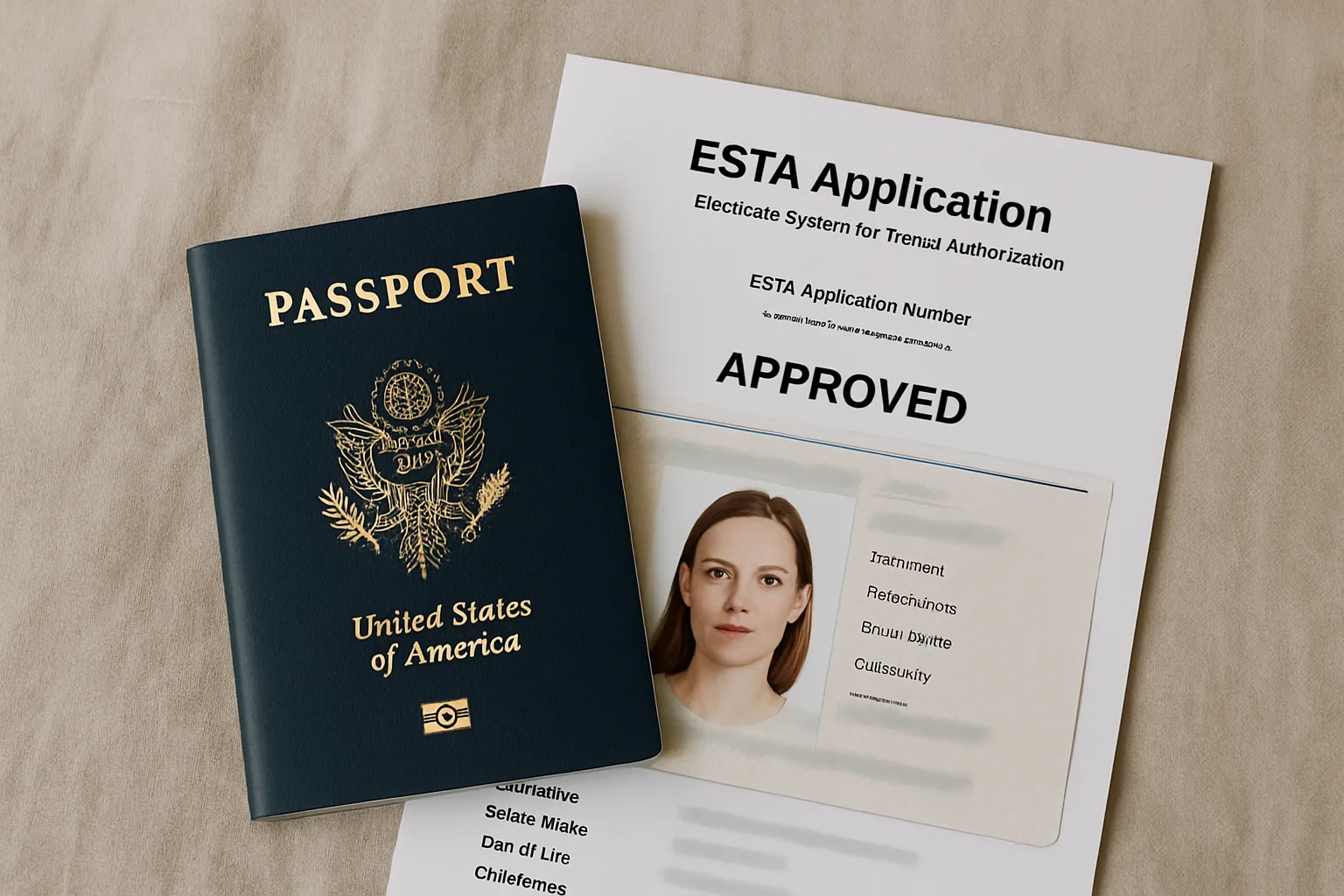
How Third-Party Sites Manipulate Search Results
These paid ads often look identical to organic search results. The only difference is a small "Ad" label that many users miss.
Some third-party sites also use aggressive SEO tactics to rank organically. They create hundreds of pages with similar content to dominate search results for related queries.
For example, a site might have separate pages for "ESTA for UK citizens", "ESTA for German citizens", and "ESTA for French citizens". Each page contains nearly identical information but targets a different country keyword.
This strategy makes it difficult for travellers to find the official government site. The third-party sites appear in multiple positions on the first page of results.
To avoid this, always type the official URL directly into your browser. Do not rely on search engine results, even if they look trustworthy.
The True Cost of Expedited Processing Claims
Many third-party sites offer "expedited processing" for an additional $20 to $50. They claim this will speed up your ESTA approval to within a few hours.
In reality, CBP processes all ESTA applications in a single queue. There is no priority system for third-party submissions, regardless of how much you pay.
The vast majority of ESTA applications are approved within minutes. CBP's automated system checks your information against various databases and returns a result almost instantly.
Only a small percentage of applications require manual review, which can take up to 72 hours. Paying for expedited processing does not change this timeline.
If your application requires manual review, it will take 72 hours whether you applied through the official site or a third-party site. The extra fee is pure profit for the third-party company.
Some travellers report being told their application was "flagged for review" by a third-party site. This is often a tactic to upsell expedited processing. In most cases, the application was never submitted until the extra fee was paid.
Always apply directly through the official CBP website. You will receive the same processing time without any hidden charges.
How Currency Conversion Markups Add to the Cost
If you are applying from outside the United States, third-party sites may charge you in your local currency. They often use exchange rates that are significantly worse than market rates.
For example, if the official fee is $21 USD, a third-party site might charge you £25 GBP. At a fair exchange rate, £21 would be approximately £16-£17. The difference is a hidden markup of 40-50%.
These currency conversion fees are rarely disclosed upfront. You only see the total in your local currency, with no breakdown of the exchange rate used.
Some sites also add a "foreign transaction fee" or "international processing fee" on top of the currency markup. These fees can add another $5-$15 to your total cost.
To avoid these charges, always apply on the official CBP website. The official site charges in USD only, so you will see the exact $21 fee.
If your bank charges a foreign transaction fee, it will typically be 1-3% of the $21 amount. This is far less than the markups charged by third-party sites.
You can also use a credit card with no foreign transaction fees to minimise costs. But even with a standard card, the total should not exceed $22-$23.
Subscription Traps: The Hidden Recurring Charges
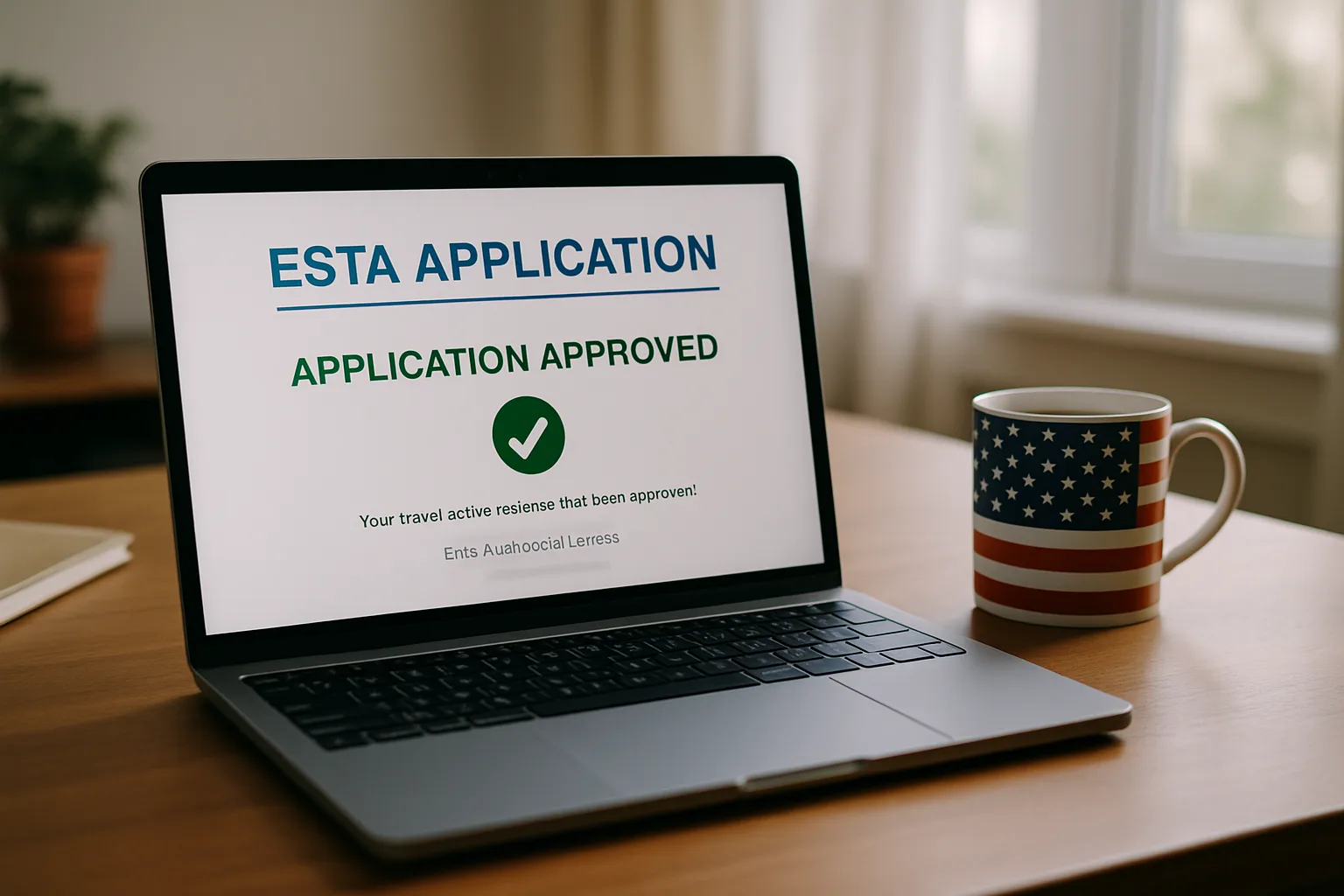
Some third-party ESTA sites use subscription traps to generate ongoing revenue. They sign you up for a monthly service without your clear consent.
These subscriptions are often buried in the fine print. You might see a checkbox that is pre-checked for "Travel Protection Plan" or "Application Monitoring Service".
The monthly fee is typically small, around $9.99 to $19.99 per month. This amount may not appear on your bank statement immediately, making it easy to miss.
By the time you notice the charges, you may have been paying for several months. Cancelling the subscription can be difficult, requiring you to call a premium-rate phone number or send a written letter.
Some sites require you to log into an account to cancel, but they make the cancellation button hard to find. Others simply ignore cancellation requests and continue charging your card.
To protect yourself, always review the full payment page before submitting your application. Look for any pre-checked boxes or additional services.
If you see anything beyond the basic application fee, leave the site immediately. The official CBP website has no optional add-ons or subscriptions.
If you have already been charged for a subscription, contact your bank or credit card company. Explain that the charge was unauthorised and request a chargeback.
You can also ask your bank to block future charges from that merchant. This prevents the third-party site from continuing to bill you.
Data Privacy Risks with Third-Party Sites
When you apply for an ESTA through a third-party site, you provide sensitive personal information. This includes your full name, date of birth, passport number, and home address.
You also provide your employment details, travel plans, and answers to eligibility questions. This information is valuable to cybercriminals and data brokers.
Third-party sites may store your data on insecure servers. They may also sell your information to marketing companies or other third parties without your knowledge.
In some cases, third-party sites have suffered data breaches that exposed applicants' personal information. These breaches can lead to identity theft and financial fraud.
Unlike the official CBP website, third-party sites are not subject to strict government data security standards. They may not encrypt your data properly or follow best practices for data protection.
Some third-party sites are operated by companies in countries with weak data privacy laws. Your information may be transferred across borders without adequate safeguards.
To protect your privacy, always apply through the official CBP website. The government site uses strong encryption and follows strict data security protocols.
If you have already used a third-party site, monitor your credit reports and bank statements for suspicious activity. Consider placing a fraud alert on your credit file.
You can also request that the third-party site delete your data. However, they may not comply, especially if they are based outside your country.
How Third-Party Sites Target Vulnerable Travellers
Third-party ESTA sites often target travellers who are anxious about their application. They use language that implies urgency or risk of denial.
For example, a site might display a countdown timer saying "Your session will expire in 10 minutes". This creates pressure to complete the application quickly without reading the fine print.
Other sites use pop-up messages warning that "Only 5 spots left for expedited processing". This is a false scarcity tactic designed to make you pay for unnecessary services.
Some sites target non-native English speakers who may not understand the application process. They offer "assistance" in multiple languages but charge exorbitant fees for simple form-filling.
Elderly travellers and those with limited internet experience are particularly vulnerable. They may not know how to identify the official government website or spot hidden fees.
To protect yourself and your family, share the official CBP website link with anyone planning to travel to the US. Explain that the only legitimate fee is $21.
If you are helping someone else apply, guide them through the official site step by step. Do not let them search for "ESTA" on Google, as they may click on a paid ad.
Remember that no third-party site can guarantee approval. Only CBP makes the final decision, and paying extra does not improve your chances.
What the Official ESTA Application Process Looks Like
Applying through the official CBP website is straightforward. You will need your passport, your travel itinerary, and a credit or debit card for the $21 fee.
The application form asks for basic personal information, passport details, and travel plans. You will also answer a series of eligibility questions about your health, criminal history, and previous travel to the US.
Most applications are processed within minutes. You will receive a confirmation screen showing your application number and approval status.
You can also choose to receive an email confirmation. This email comes from an official CBP address, not from a third-party company.
If your application requires manual review, you will see a status of "Pending" rather than "Approved". You can check your status at any time using the "Check ESTA Status" tool on the same website.
The official site has no ads, no pop-ups, and no upsells. The only option is to pay the $21 fee and submit your application.
If you encounter any technical issues, CBP provides contact information for support. However, most issues can be resolved by clearing your browser cache or trying a different browser.
For a detailed walkthrough of the application process, see our guide on how to apply for ESTA step by step.
How to Verify Your ESTA Status After Using a Third-Party Site
If you have already used a third-party site, you may be unsure whether your application was actually submitted. The only way to confirm is to check on the official CBP website.
Go to https://esta.cbp.dhs.gov and click on "Check ESTA Status". You will need to enter your passport number, date of birth, and application number if you have it.
If you do not have an application number, you can still check using your passport information. The system will show whether an application exists for your passport.
If no application is found, the third-party site may not have submitted your application at all. You will need to apply again through the official site immediately.
If an application is found, check the status. It should say "Authorization Approved" or "Travel Authorized". If it says "Pending", your application is still being reviewed.
If the status says "Not Authorized", your ESTA was denied. You will need to apply for a B-1/B-2 visa through a US embassy or consulate.
Even if your ESTA is approved, monitor your bank statements for several months. Some third-party sites continue to charge fees long after the initial application.
If you see any unexpected charges, contact your bank immediately. Most banks allow you to dispute charges within 60 to 120 days of the transaction.
Common Myths About ESTA Third-Party Services
There are several myths about third-party ESTA services that travellers should understand. Knowing the truth can save you money and frustration.
Myth 1: Third-party sites can guarantee approval. No one can guarantee ESTA approval except CBP. Third-party sites have no influence over the decision.
Myth 2: Third-party sites offer better customer support. The official CBP website has a help desk for technical issues. Third-party support agents cannot answer questions about your application status.
Myth 3: Third-party sites can correct errors on your application. Once submitted, only CBP can make changes to your application. Third-party sites cannot modify or withdraw your application.
Myth 4: Third-party sites are faster for complex cases. Complex cases require manual review by CBP, regardless of who submitted the application. Third-party sites cannot speed up this process.
Myth 5: Third-party sites are necessary if you have a criminal record. If you have a criminal record, you should consult an immigration lawyer, not a third-party site. Lawyers provide legal advice, while third-party sites simply fill out forms.
Understanding these myths helps you make an informed decision. The official CBP website is always the safest and most cost-effective option.
How to Report Fraudulent Third-Party ESTA Sites
If you encounter a third-party ESTA site that uses deceptive practices, you can report it. Reporting helps protect other travellers from similar scams.
Start by filing a complaint with the Federal Trade Commission (FTC) at reportfraud.ftc.gov. The FTC investigates deceptive business practices and can take legal action.
You can also report the site to the Internet Crime Complaint Center (IC3) at ic3.gov. This is a partnership between the FBI and the National White Collar Crime Center.
If the site is based in another country, contact your local consumer protection agency. They may be able to coordinate with international authorities.
Additionally, report the site to Google if it appears in search ads. Google has policies against deceptive advertising and may remove the ads.
Finally, warn other travellers by leaving a review on trusted travel forums. Share your experience so others can avoid the same site.
Remember that reporting a site does not guarantee you will get your money back. But it can prevent future victims from being scammed.
How to Spot a Third-Party ESTA Site at a Glance
Recognising a third-party site quickly can save you time and money. Look for several common signs that indicate you are not on the official CBP website.
Check the website address carefully. Official CBP sites end with ".gov" or use the domain "cbp.dhs.gov". Third-party sites often use ".com", ".org", or ".net" addresses.
Look for logos or seals that claim "official partner" or "approved by US government". CBP does not endorse any third-party services, so these claims are false.
Examine the fee displayed prominently. If you see any amount above $21, you are on a third-party site. The official fee is always exactly $21 for the application.
Notice the presence of pop-up ads, countdown timers, or urgent messages. The official site has no such features and presents information calmly.
Read the fine print on the payment page. If you see terms like "monthly subscription", "membership fee", or "service charge", leave immediately.
Hover over links to see where they lead. If a link promises "official application" but points to a different domain, it is likely a third-party site.
Use a bookmark for the official URL after your first visit. This ensures you always return to the correct site for future applications or status checks.
What to Do If You Have Already Paid Hidden Fees
If you discover you have paid hidden fees to a third-party site, take action promptly. Many banks allow you to dispute charges within a limited timeframe.
First, gather all documentation related to the transaction. This includes the payment receipt, any emails from the third-party site, and screenshots of the application page.
Contact your bank or credit card issuer immediately. Explain that the charges were for services not rendered or were not clearly disclosed. Request a chargeback for the full amount.
If the third-party site charged a subscription fee, ask your bank to block future transactions from that merchant. This prevents additional unauthorised charges.
File a complaint with consumer protection agencies as described earlier. While this may not recover your money, it helps authorities track fraudulent operators.
Check your ESTA status on the official CBP website to ensure your application was submitted. If not, apply again through the official site to avoid travel disruptions.
Consider sharing your experience on travel forums or review sites. Your warning can help other travellers avoid the same third-party site.
Do not hesitate to escalate the issue if the bank or merchant does not cooperate. You can contact your country's financial ombudsman for further assistance.
How Third-Party Sites Use Misleading Email Communications
After you use a third-party ESTA site, you may receive emails that appear to be from official sources. These emails often contain urgent messages about your application status.
For example, you might receive an email saying "Your ESTA is about to expire" or "Action required: Update your travel authorisation". These messages are designed to create panic.
The emails typically include a link that leads back to the third-party site. Clicking the link may prompt you to pay another fee for a service you do not need.
Some emails offer "renewal services" for ESTA, even though ESTA cannot be renewed. You must submit a new application if your current authorisation expires.
Official CBP communications come from email addresses ending in "@cbp.dhs.gov". They never ask for payment or personal information via email.
If you receive a suspicious email, do not click any links. Instead, go directly to the official CBP website to check your ESTA status.
Report phishing emails to the FTC or your local consumer protection agency. This helps authorities identify and shut down fraudulent operations.
The Financial Impact of Third-Party Fees on Family Travel
Hidden fees become even more costly when you are applying for multiple family members. A third-party site may charge $50 per person, instead of the official $21 fee.
For a family of four, this means paying $200 instead of $84. The extra $116 could be spent on travel expenses like meals or souvenirs.
Some third-party sites also charge separate fees for children or infants. The official CBP website charges the same $21 fee for every applicant, regardless of age.
If you are travelling with elderly parents or relatives, they may be more susceptible to upsells. Guide them through the official site to avoid unnecessary costs.
Plan ahead and apply well before your travel date. This reduces the urge to use "expedited" services offered by third-party sites due to last-minute anxiety.
Create a checklist for each family member to ensure all applications are submitted correctly. The official site allows you to apply for multiple people in one session.
Remember that each family member needs their own ESTA. Group discounts do not exist, so any site offering one is likely a third-party scam.
How to Educate Others About Third-Party ESTA Risks
Sharing knowledge about third-party ESTA fees can protect your friends and family. Many travellers are unaware of the official process and fall victim to scams.
Start by explaining the official fee of $21 and the correct website URL. Emphasise that any site charging more is a third-party service.
Share this article or other reliable resources with your travel group. Provide links to official government sources for verification.
If you are part of a travel club or online community, post a warning about common third-party tactics. Use real examples to illustrate the risks.
Offer to help elderly or less tech-savvy relatives with their ESTA applications. Walk them through the official site step by step to ensure they do not get misled.
Encourage travellers to bookmark the official CBP website for future use. This simple step prevents accidental visits to third-party sites.
Remind others that no third-party site can guarantee approval or faster processing. The only way to apply is through the official government channel.
Key takeaways
- The official ESTA fee is $21 — never pay more than that for the application itself.
- Third-party sites charge hidden fees of $50–$130+ for no extra benefit.
- Always apply directly at https://esta.cbp.dhs.gov to avoid overpaying.
- If you've already used a third-party site, check your ESTA status and dispute any unauthorized charges.
- For complex situations, consult an immigration lawyer — not a third-party ESTA site.
Remember: This is general guidance. Always verify requirements with official sources before travel. The official CBP website is the only authoritative source for ESTA information.
Frequently asked questions
Is it safe to use a third-party ESTA site?
How can I tell if an ESTA website is official?
Can I get a refund from a third-party ESTA site?
Do third-party sites process ESTA faster?
What should I do if I accidentally used a third-party site?
This article is for general informational purposes only. Visa and travel authorisation rules change frequently. Always check the official government website before travelling.

Written & reviewed by
Can OTUTravel Authorisation Editor
Can OTU is the editor of ETA Travel Assistant, specialising in UK ETA, Schengen ETIAS, NZeTA and ESTA travel authorisations. Can monitors official government sources and policy updates to ensure every guide is accurate, current and genuinely useful for travellers.
View all guides →