New Zealand ETA: Everything You Need to Know Before You Travel
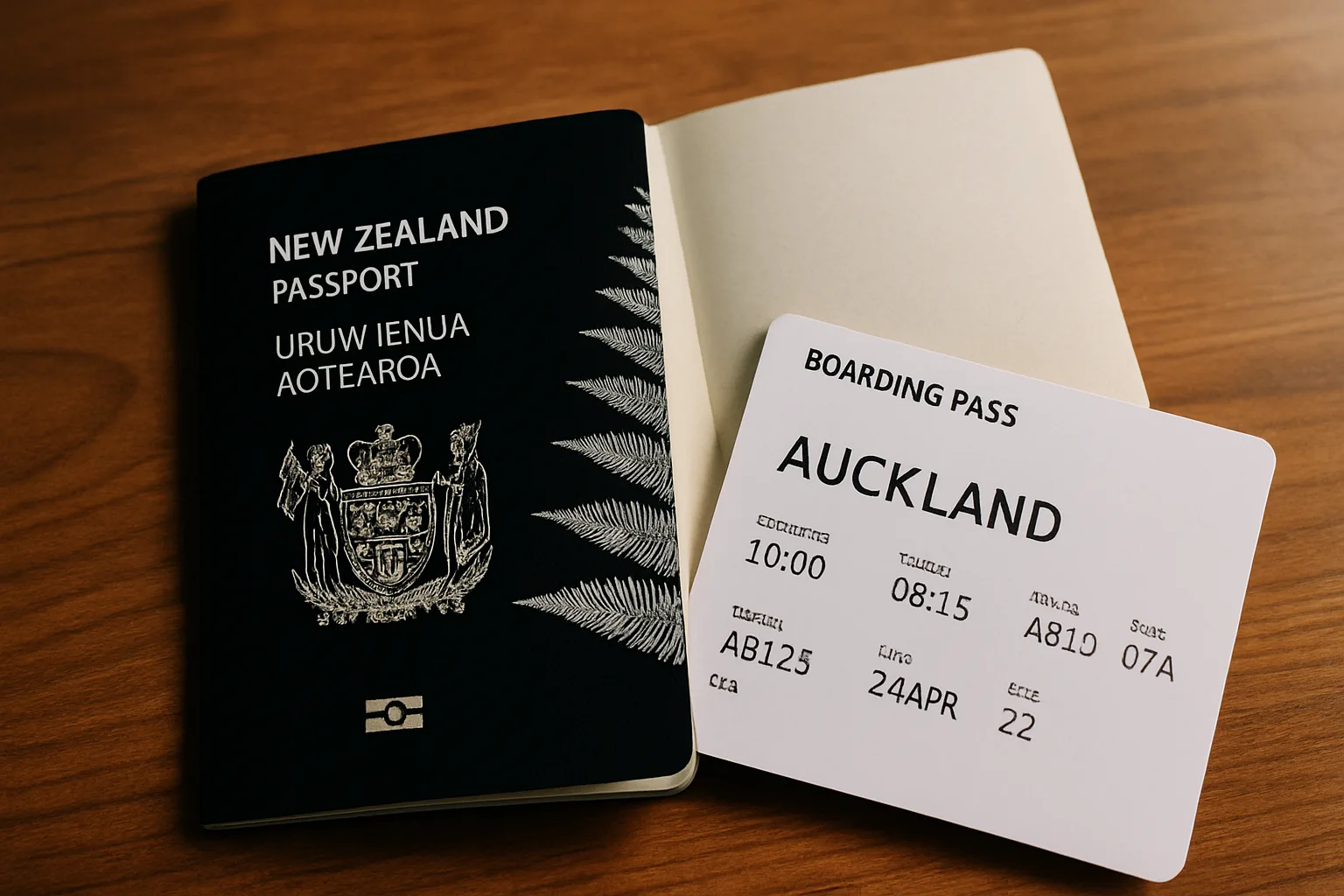
- Apply online or via the official NZeTA app – costs NZ$9 (app) or NZ$12 (web) plus a tourist levy.
- Processing usually takes 72 hours, but apply at least 2 weeks before travel.
- You must have a valid passport, a credit/debit card, and an email address to apply.
Planning a trip to New Zealand? You've probably heard you need an NZeTA. But what exactly is it, who needs it, and how do you get one?
This guide covers everything you need to know – from application steps to costs, transit rules, and common pitfalls.
Let's cut through the confusion. Here's your straightforward guide to the New Zealand ETA.
What is the New Zealand ETA (NZeTA)?
The New Zealand Electronic Travel Authority (NZeTA) is an electronic visa waiver. It's not a visa – it's a pre-travel authorisation linked to your passport. Think of it like the US ESTA or Canada eTA.
You need an NZeTA if you're from a visa-waiver country and plan to visit New Zealand for:
- Tourism or holiday
- Business visits (meetings, conferences, no paid work)
- Transit through New Zealand to another country
- Short-term study (up to 3 months)
It allows stays of up to 3 months per visit. The NZeTA is valid for 2 years (or until your passport expires, whichever comes first) and allows multiple entries.
How the NZeTA Differs from a Traditional Visa
A traditional visa often requires an in-person interview at an embassy. The NZeTA is entirely online and processed without an interview. This makes it faster and more convenient for eligible travellers.
For example, a family from the UK planning a two-week holiday can apply from their living room. They receive approval by email within a few days, with no need to visit a consulate.
Why New Zealand Introduced the NZeTA
New Zealand launched the NZeTA in 2019 to enhance border security. It allows immigration officials to pre-screen travellers before they board flights. The system also helps manage tourism growth by collecting data on visitor numbers.
The accompanying International Visitor Conservation and Tourism Levy (IVL) funds conservation projects. For instance, it supports track maintenance in national parks like Tongariro Alpine Crossing. This ensures that tourism benefits both visitors and the environment.
Who Needs an NZeTA?
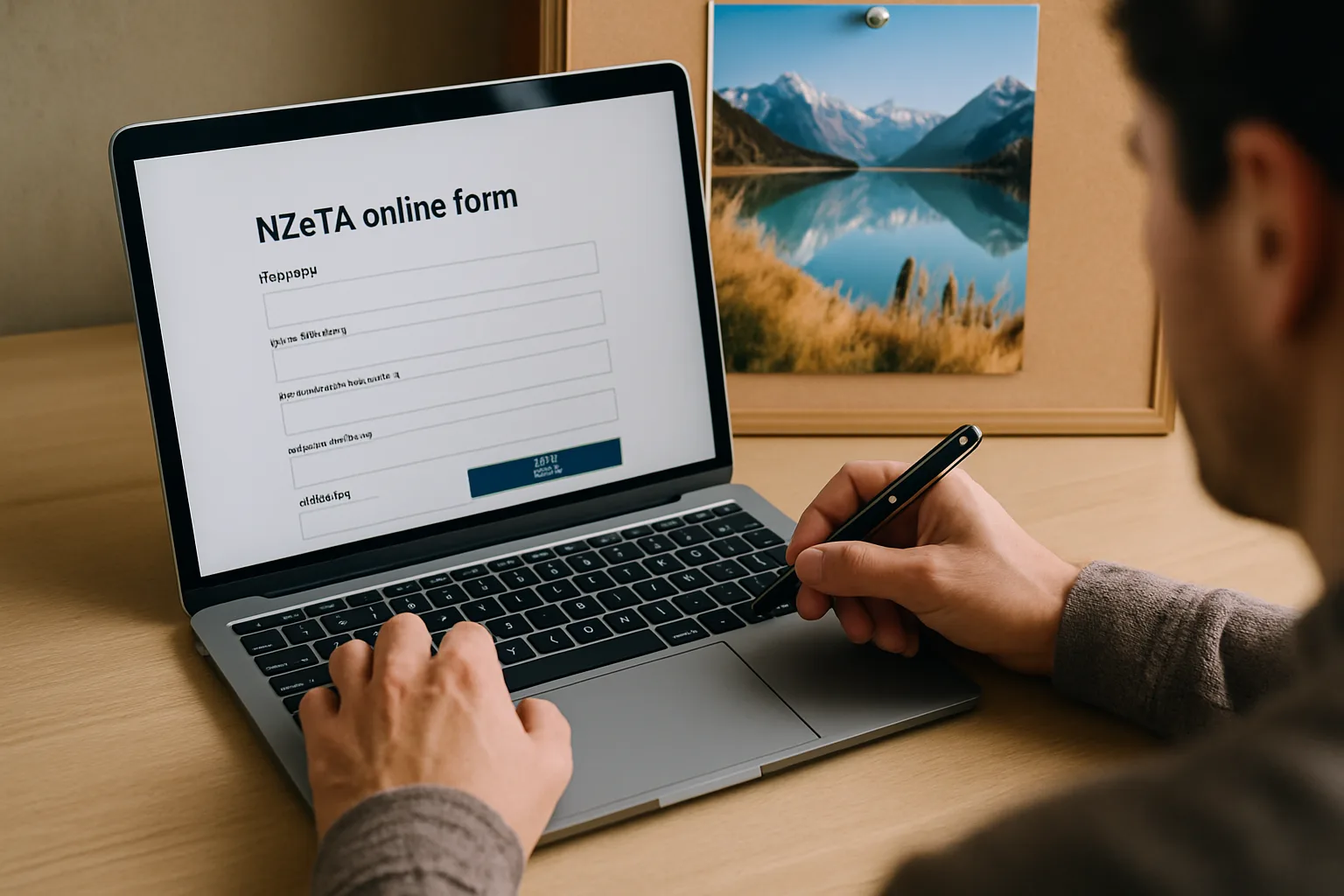
You need an NZeTA if you hold a passport from one of the 60+ visa-waiver countries. This includes:
- United Kingdom
- United States
- Canada
- Australia (permanent residents – Australian citizens don't need one)
- Most European Union countries
- Japan, South Korea, Singapore, Malaysia, Hong Kong, and many more
You do NOT need an NZeTA if:
- You are a New Zealand citizen or resident visa holder
- You are an Australian citizen (you can live and work in NZ freely)
- You hold a valid New Zealand visa (e.g., work visa, student visa)
- You are from a visa-required country (you need a visitor visa instead)
If you're unsure, check the official Immigration New Zealand website for the full list.
Special Cases: Dual Citizens and Permanent Residents
If you hold dual citizenship, you must use the passport from your visa-waiver country. For example, a person with both UK and Indian passports should apply using the UK passport. The Indian passport would require a full visitor visa.
Australian permanent residents must apply for an NZeTA even if they hold an Australian passport. Australian citizens are exempt, but permanent residents from other countries are not. Always verify your status with Immigration New Zealand.
Examples of Visa-Waiver Countries in Detail
Countries like Germany, France, and Italy are included in the visa-waiver list. Travellers from these nations can apply for an NZeTA instead of a visa. This simplifies travel for millions of Europeans.
Similarly, citizens of Japan and South Korea enjoy the same privilege. A Japanese tourist visiting for a skiing holiday in Queenstown can apply online in minutes. This convenience encourages tourism from these key markets.
How to Apply for an NZeTA
The process is straightforward. You can apply via the official NZeTA website or the NZeTA mobile app. Here's how:
Step 1: Gather your documents
- A valid passport from a visa-waiver country (valid for at least 3 months beyond your planned departure from NZ)
- A credit or debit card (Visa, Mastercard, Amex)
- An email address
- Your travel plans (flight details, accommodation – but not required for all applications)
Step 2: Complete the application
- Go to the official Immigration New Zealand website or download the NZeTA app (available for iOS and Android).
- Fill in your personal details, passport information, and travel plans.
- Answer health and character questions (declarations about criminal convictions, etc.).
- Pay the NZeTA fee and the International Visitor Conservation and Tourism Levy (IVL).
Step 3: Wait for approval
- Most applications are processed within 72 hours. But it's wise to apply at least 2 weeks before your trip.
- You'll receive an email confirmation once approved. The NZeTA is electronically linked to your passport – you don't need to print anything (but carrying a copy is smart).
For a detailed step-by-step guide, see our full article on how to apply for NZeTA.
Common Mistakes in the Application
One frequent error is entering passport details incorrectly. A single typo in your passport number can cause delays or rejection. Double-check every field before submitting.
Another mistake is using a third-party website that charges extra fees. Always use the official app or website to avoid scams. For example, some sites charge NZ$50 for what costs NZ$9 on the app.
Tips for Filling Out Health Questions
Health questions require careful attention. If you have a chronic condition like diabetes, you may need to provide a doctor's letter. Answer honestly to avoid delays or rejection.
For instance, a traveller with asthma who declares it might face a manual review. However, providing a medical certificate can speed up the process. Always be transparent about your health status.
NZeTA Costs and Fees
There are two fees you pay together when applying for an NZeTA:
| Fee type | Amount (NZD) |
|---|---|
| NZeTA fee (app) | NZ$9 |
| NZeTA fee (website) | NZ$12 |
| International Visitor Conservation and Tourism Levy (IVL) | NZ$35 |
| Total via app | NZ$44 |
| Total via website | NZ$47 |
The IVL is a separate charge that funds tourism infrastructure and conservation projects. It's required for most visitors staying 12 months or less.
Note: Fees are in New Zealand dollars. Your bank may charge a conversion fee. Always use the official app or website – third-party sites often add markups.
Understanding the IVL in Detail
The International Visitor Conservation and Tourism Levy (IVL) was introduced in 2019. It supports projects like predator-free islands and visitor centres. For instance, the levy helps maintain the Milford Track, a famous hiking route.
You pay the IVL once per NZeTA application. If your NZeTA is valid for two years, you do not pay the levy again for subsequent trips. This makes it a cost-effective way to contribute to New Zealand's environment.
Examples of IVL-Funded Projects
The IVL funds projects like the restoration of the Abel Tasman National Park. It also supports the development of visitor facilities at the Waitomo Glowworm Caves. These projects enhance the experience for all travellers.
Another example is the protection of native bird species like the kiwi. The levy helps fund predator control programmes. This ensures that tourism does not harm New Zealand's unique wildlife.
NZeTA Processing Time
Most NZeTA applications are processed automatically within minutes to 72 hours. However, some applications take longer if they require manual checks (e.g., health or character issues).
Apply early – at least 2 weeks before departure. If you apply at the last minute, you risk missing your flight. There's no expedited service.
What Causes Delays in Processing
Delays often occur if you have a common name that matches a watchlist. Immigration may need extra time to verify your identity. Similarly, incomplete or incorrect answers to health questions can trigger manual review.
For example, if you declare a past criminal conviction, the system may flag your application. An officer then reviews the details, which can take several days. Provide honest and complete information to avoid unnecessary delays.
How to Check Application Status
You can check your NZeTA application status online using your passport number. The official website provides a tracking tool for this purpose. If you haven't heard back after 72 hours, contact Immigration New Zealand.
For instance, a traveller applying for a last-minute trip can monitor progress daily. This helps them plan alternative arrangements if delays occur. Always keep your application reference number handy.
NZeTA for Transit and Layovers
Yes, you need an NZeTA even if you're just transiting through New Zealand. This applies if you have a layover in Auckland, Christchurch, or Wellington and you're connecting to another international flight.
You must have a valid NZeTA before you board your flight to New Zealand. There are no exceptions for staying airside – you still need the authorisation.
For full details, read our guide on the NZeTA transit visa requirements.
Transit Example: London to Sydney via Auckland
Imagine you fly from London to Sydney with a 4-hour layover in Auckland. Even though you stay in the transit lounge, you need an NZeTA. Airlines check this before you board in London.
If you do not have an NZeTA, you may be denied boarding. This rule applies to all visa-waiver nationals. Always apply for an NZeTA even for short layovers.
Transit Example: Los Angeles to Queenstown via Auckland
A traveller from Los Angeles flying to Queenstown with a stop in Auckland also needs an NZeTA. The same rule applies regardless of the final destination. Airlines enforce this strictly to avoid fines.
For instance, a family connecting to a domestic flight to Queenstown must have their NZeTA ready. Without it, they cannot board the international flight. Plan ahead to avoid travel disruptions.
NZeTA for Chinese Citizens – Visa Waiver Trial
China is not normally a visa-waiver country. However, New Zealand has a trial visa waiver for Chinese passport holders under certain conditions. If you hold a Chinese passport and also hold a valid US, Canadian, UK, or Australian visa, you may be eligible for the NZeTA instead of a full visitor visa.
This trial is called the NZeTA China visa waiver. It's important to check the latest eligibility rules, as the trial may change.
If you qualify, you can apply for an NZeTA online. Otherwise, you'll need a standard visitor visa.
Eligibility Criteria for the Trial
To qualify, your US, UK, Canadian, or Australian visa must be valid for at least 14 days. You must also have a Chinese passport that is valid for at least 3 months beyond your planned departure from New Zealand. The trial is designed for short-term visits only.
For example, a Chinese business traveller with a valid US visa can apply for an NZeTA. They can attend a conference in Auckland without applying for a full visitor visa. This streamlines travel for frequent visitors.
Examples of Eligible and Ineligible Travellers
A Chinese student with a valid UK student visa can apply for an NZeTA for a holiday. However, if their UK visa expires before their trip, they become ineligible. Always check visa validity dates carefully.
Another example is a Chinese tourist with a Canadian visitor visa. They can use the NZeTA for a short stay in New Zealand. This flexibility encourages travel from China to multiple destinations.
Common Questions About the NZeTA
How long is the NZeTA valid?
The NZeTA is valid for 2 years from the date of approval, or until your passport expires – whichever comes first. You can make multiple trips during that period, each stay up to 3 months.
Can I extend my stay beyond 3 months?
No – the NZeTA only allows stays of up to 3 months per visit. If you want to stay longer, you must apply for a visitor visa before you travel. Overstaying can lead to deportation and future entry bans.
What if my passport expires before my NZeTA?
Your NZeTA is linked to your passport number. If you get a new passport, you must apply for a new NZeTA. The old one is invalid.
Do children need an NZeTA?
Yes – every traveller, including infants and children, needs their own NZeTA. You apply for each person separately.
Can I work on an NZeTA?
No – the NZeTA is for tourism, business visits (meetings, conferences), and transit. You cannot do paid work. If you want to work, you need a work visa.
Can I study on an NZeTA?
You can study for up to 3 months on an NZeTA. For longer courses, you need a student visa. This rule applies to short-term language courses or workshops.
For example, a traveller taking a 2-week cooking class in Wellington can do so on an NZeTA. However, a semester-long university programme requires a student visa. Always confirm the duration of your study.
Tips for a Smooth NZeTA Application
- Apply early – at least 2 weeks before travel.
- Double-check your passport details – a small typo can cause delays or rejection.
- Use the official app or website – third-party sites charge extra and may not be secure.
- Keep a copy of your approval email (digital or printed) in case of questions at check-in.
- If you have a criminal record, check if you need to declare it. Some convictions may make you ineligible.
What to Do If Your Application Is Rejected
If your NZeTA is rejected, you will receive an email explaining the reason. Common reasons include criminal convictions or incomplete information. You can reapply with corrected details or apply for a visitor visa instead.
For example, if you failed to declare a past driving offence, you can submit a new application with full disclosure. Contact Immigration New Zealand for guidance on reapplication.
How to Avoid Scams
Only use the official NZeTA app or the official Immigration New Zealand website. Scam sites often mimic the official page but charge higher fees. Look for the .govt.nz domain in the URL.
For instance, a fake site might advertise "fast-track" services for extra money. These services do not exist. Stick to official channels to protect your personal information.
What Happens at the Border?
When you arrive in New Zealand, the border officer will scan your passport and see your approved NZeTA. They may ask about your travel plans, accommodation, and funds. Answer honestly and have your return ticket ready.
You may also be asked about your health and character. If you have any concerns, consult the Immigration New Zealand website before you travel.
Remember: an NZeTA does not guarantee entry – the final decision is made by the border officer at the airport.
What to Expect During Biosecurity Checks
New Zealand has strict biosecurity laws to protect its unique ecosystem. You must declare any food, plants, or animal products. Failure to declare can result in fines of up to NZ$400.
For instance, if you bring hiking boots with soil, you must declare them. The boots may be inspected or cleaned. Always check biosecurity rules before packing.
Common Biosecurity Questions
Border officers often ask if you have been on a farm or in a forest recently. This helps prevent the spread of pests and diseases. Answer truthfully to avoid penalties.
For example, a traveller who visited a rural area in Australia should declare any outdoor gear. This includes tents, sleeping bags, and camping equipment. Compliance ensures a smooth entry process.
NZeTA and Travel Insurance
Travel insurance is not required for an NZeTA, but it is highly recommended. Medical costs in New Zealand can be high for visitors. Insurance covers accidents, illnesses, and trip cancellations.
For example, if you break a leg while hiking, hospital treatment could cost thousands of dollars. Insurance ensures you are not financially burdened. Always purchase insurance before your trip.
Choosing the Right Insurance Policy
Look for a policy that covers medical expenses, evacuation, and trip interruption. Some policies also cover adventure activities like bungee jumping. Read the fine print to ensure your activities are included.
For instance, if you plan to ski in Queenstown, check that your policy covers winter sports. This prevents surprises if you need medical care on the slopes.
Examples of Insurance Claims
A traveller who falls ill with food poisoning can claim hospital bills through insurance. Another who misses a flight due to weather can claim trip interruption costs. Insurance provides peace of mind for unexpected events.
For example, a family whose luggage is lost can claim compensation for essential items. This helps them continue their trip without stress. Always keep your policy documents accessible.
NZeTA for Cruise Ship Passengers
If you arrive in New Zealand on a cruise ship, you still need an NZeTA. This applies to all visa-waiver nationals on cruises that stop in New Zealand ports. The NZeTA must be obtained before boarding the ship.
Cruise passengers can stay up to 3 months per visit. The NZeTA is valid for multiple entries, so you can re-enter New Zealand on subsequent cruises within the 2-year validity period.
Example: A Cruise from Australia to New Zealand
Imagine you board a cruise in Sydney that visits Auckland, Wellington, and Christchurch. You need an NZeTA even though you are only in New Zealand for a few days. The cruise line will check your NZeTA before departure.
If you do not have an NZeTA, you may be denied boarding. Apply well in advance to avoid last-minute issues.
Example: A World Cruise with Multiple New Zealand Stops
A world cruise that stops in New Zealand multiple times requires a valid NZeTA for each entry. However, since the NZeTA is valid for 2 years, one application suffices. This simplifies travel for long cruises.
For instance, a cruise from Los Angeles to Sydney with stops in Auckland and Dunedin needs only one NZeTA. The traveller can enjoy all ports without reapplying. Always confirm with the cruise line for specific requirements.
NZeTA and Digital Nomads
Digital nomads often ask if they can work remotely on an NZeTA. The answer is no – the NZeTA does not permit any paid work. However, you can check emails or attend meetings for your overseas employer.
If you plan to work for a New Zealand company, you need a work visa. Remote work for a foreign employer is a grey area. Immigration New Zealand advises that incidental tasks are acceptable, but full-time remote work may require a visa.
What Constitutes Incidental Work
Incidental work includes checking emails, attending virtual meetings, or updating your blog. It does not include generating income from New Zealand clients. For example, a freelance writer can write for a UK client but not for a New Zealand company.
If you are unsure, contact Immigration New Zealand for clarification. Overstepping these rules can result in deportation.
Examples of Acceptable and Unacceptable Activities
A digital nomad who codes for a US company can do so on an NZeTA, as long as they do not market to New Zealand clients. However, a consultant who advises New Zealand businesses needs a work visa. This distinction is crucial for compliance.
Another example is a photographer who sells prints to New Zealand customers. This is considered paid work and is not allowed. Always review your activities against immigration rules.
NZeTA for Short-Term Study
The NZeTA allows short-term study of up to 3 months. This is ideal for language courses, workshops, or seminars. For longer programmes, you need a student visa.
For example, a traveller taking a 6-week Maori language course can use an NZeTA. However, a 6-month university exchange programme requires a student visa. Check the duration of your course before applying.
Examples of Eligible Courses
Courses like a 2-week photography workshop in Rotorua are eligible. Similarly, a 1-month cooking class in Auckland qualifies. These short-term studies enhance your travel experience without requiring a visa.
For instance, a group of friends taking a 10-day surfing course in Raglan can all use NZeTAs. This flexibility supports educational tourism. Always confirm with the institution if they accept NZeTA holders.
NZeTA and Family Travel
When travelling with family, each member needs their own NZeTA. This includes infants and children. Apply for all family members at the same time to ensure consistency.
For example, a family of four from Canada must submit four separate applications. Each child's passport must be valid. Plan ahead to avoid last-minute stress.
Tips for Family Applications
Use the same email address for all applications to track progress easily. Keep a spreadsheet of application reference numbers. This helps if you need to contact support.
For instance, a family with multiple children can apply one after another on the app. The process is quick and straightforward. Ensure all passports are scanned clearly.
NZeTA and Group Travel
For group travel, each individual must apply separately. There is no group application option. However, you can use the same device for all applications.
For example, a tour group of 20 from the UK can apply in a batch. Each person needs their own passport and email. This ensures smooth processing for the entire group.
Coordinating Group Applications
Designate one person to oversee all applications. This person can check for errors and track progress. Communication is key to avoid missing deadlines.
For instance, a travel agent can manage applications for a group of clients. They can ensure all documents are correct. This reduces the risk of last-minute issues.
NZeTA and Last-Minute Travel
If you have a last-minute trip, apply immediately. While most applications are processed within 72 hours, some are faster. However, there is no guarantee of instant approval.
For example, a traveller booking a flight for the next day should apply right away. They may receive approval within hours. But planning ahead is always safer.
What to Do If Your NZeTA Is Not Approved in Time
If your NZeTA is not approved before your flight, contact the airline. Some airlines may allow you to rebook without penalty. Alternatively, you can apply for a visitor visa, which takes longer.
For instance, a traveller whose application is delayed can call Immigration New Zealand. They may expedite the process in urgent cases. Always have a backup plan.
NZeTA and Passport Validity
Your passport must be valid for at least 3 months beyond your planned departure from New Zealand. This is a strict requirement. If your passport expires sooner, renew it before applying.
For example, a traveller whose passport expires in 2 months must renew it first. Otherwise, their NZeTA will be invalid. Check your passport expiry date early.
How to Update Your NZeTA After Passport Renewal
If you renew your passport, you must apply for a new NZeTA. The old one is linked to the old passport number. There is no transfer option.
For instance, a traveller who renews their passport before a trip must reapply. This ensures their NZeTA matches their current passport. Keep this in mind when planning travel.
NZeTA and Multiple Entries
The NZeTA allows multiple entries within its 2-year validity. You can leave and re-enter New Zealand as many times as you wish. Each stay can be up to 3 months.
For example, a business traveller can attend meetings in Auckland in January and return for a conference in June. This flexibility is ideal for frequent visitors. No additional applications are needed.
Example of Multiple Trips
A tourist from the US can visit New Zealand for a hiking trip in March and return for a wine tour in November. Both trips are covered by the same NZeTA. This saves time and money.
Another example is a family that visits relatives in New Zealand twice a year. They can use the same NZeTA for both visits. This convenience encourages repeat travel.
NZeTA and Overstaying
Overstaying your NZeTA is a serious offence. You may face deportation, fines, or a ban on future entry. Always leave New Zealand before your 3-month stay expires.
For example, a traveller who stays 4 months may be flagged at the airport. They could be barred from returning for years. Respect the terms of your NZeTA.
How to Avoid Overstaying
Keep track of your entry and exit dates. Set a reminder on your phone for your departure date. If you need to stay longer, apply for a visitor visa before your NZeTA expires.
For instance, a traveller who falls ill can apply for a visa extension. Immigration New Zealand may grant additional time in special circumstances. Always seek official advice.
NZeTA and Criminal Convictions
You must declare any criminal convictions in your NZeTA application. This includes minor offences like driving under the influence. Failure to declare can result in rejection or deportation.
For example, a traveller with a past DUI conviction must disclose it. Immigration will review the details and decide on approval. Honesty is crucial for a successful application.
Examples of Convictions That May Affect Eligibility
Serious crimes like assault or theft may make you ineligible for an NZeTA. Minor offences like speeding tickets may not affect eligibility. However, always declare everything to be safe.
For instance, a traveller with a 10-year-old theft conviction may be denied. They can apply for a visitor visa instead, which allows for a more detailed review. Check with Immigration New Zealand for guidance.
NZeTA and Health Conditions
You must declare any significant health conditions in your application. This includes conditions that may require medical treatment during your stay. Immigration may request additional information.
For example, a traveller with diabetes should declare it. They may need to provide a doctor's letter confirming they can manage their condition. This ensures they are prepared for their trip.
Examples of Health Conditions to Declare
Conditions like heart disease, cancer, or infectious diseases must be declared. Minor conditions like allergies may not need disclosure. However, when in doubt, declare it.
For instance, a traveller with a history of tuberculosis must provide medical clearance. This protects public health in New Zealand. Always consult your doctor before applying.
NZeTA and Travel with Pets
If you are travelling with a pet, you need additional permits. The NZeTA does not cover pet entry. You must comply with New Zealand's biosecurity rules for animals.
For example, a traveller bringing a dog must apply for an import permit. The pet may need to quarantine. This process can take months, so plan well in advance.
Steps for Pet Travel
First, check if your pet is eligible for entry. Certain breeds may be restricted. Then, apply for an import permit from the Ministry for Primary Industries.
For instance, a cat from the UK must have a microchip and vaccinations. The pet may need to spend time in quarantine. Always follow official guidelines to avoid delays.
NZeTA and Travel with Medication
You can bring personal medication into New Zealand on an NZeTA. However, some medications may require a permit. Check the rules for controlled substances before you travel.
For example, a traveller with prescription painkillers should carry a doctor's note. This helps at the border if questioned. Always keep medication in original packaging.
Examples of Restricted Medications
Medications containing codeine or morphine are controlled. You may need a permit from the Ministry of Health. Declare all medications at the border to avoid fines.
For instance, a traveller with ADHD medication should carry a prescription. They should also have a letter from their doctor. This ensures a smooth entry process.
Key Takeaways
- The NZeTA is mandatory for visa-waiver nationals visiting New Zealand for up to 3 months.
- Apply via the official app (NZ$9) or website (NZ$12) plus the NZ$35 IVL.
- Processing takes up to 72 hours – apply at least 2 weeks early.
- You need an NZeTA even for transit or layovers.
- Chinese passport holders may qualify under the visa waiver trial if they hold a valid US/UK/Canadian/Australian visa.
- Always check official sources before travel – Immigration New Zealand's official NZeTA page has the latest updates.
This information is general guidance only and may change. Always verify requirements with official sources before you travel.
Frequently asked questions
How long does it take to get an NZeTA?
Can I apply for an NZeTA at the airport?
Do I need an NZeTA if I'm just transiting through New Zealand?
What if my NZeTA is denied?
Can I use my NZeTA for multiple trips?
This article is for general informational purposes only. Visa and travel authorisation rules change frequently. Always check the official government website before travelling.

Written & reviewed by
Can OTUTravel Authorisation Editor
Can OTU is the editor of ETA Travel Assistant, specialising in UK ETA, Schengen ETIAS, NZeTA and ESTA travel authorisations. Can monitors official government sources and policy updates to ensure every guide is accurate, current and genuinely useful for travellers.
View all guides →