NZeTA China Visa-Waiver Trial: What Chinese Travellers Need to Know
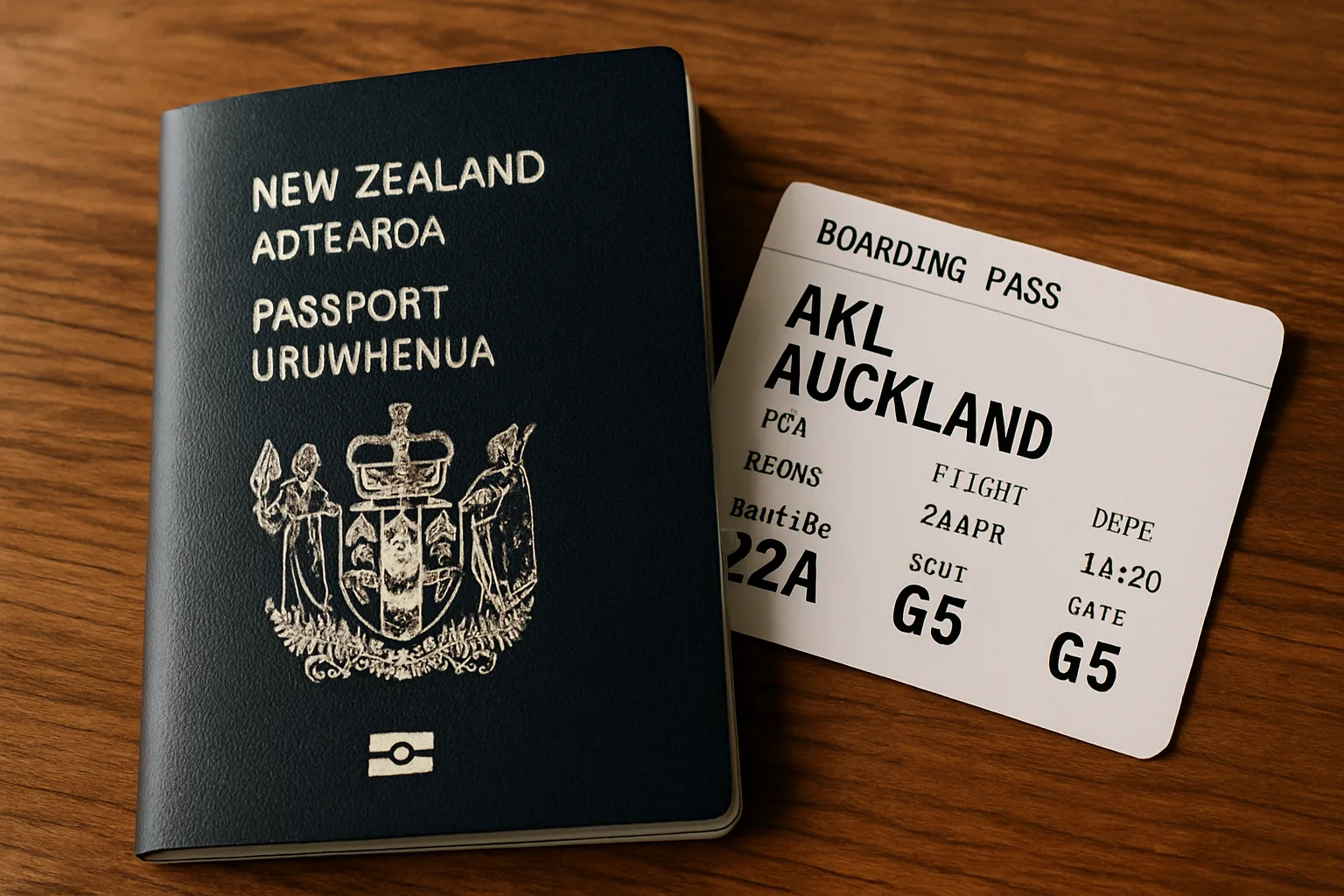
- The trial is narrow — it generally covers travellers on approved group tours booked through registered operators, not independent travellers
- Most Chinese citizens visiting New Zealand still need a visitor visa, with the NZeTA only relevant if you're transiting or already visa-exempt
- Eligibility rules, dates and operator lists can change with little notice, so always confirm directly with Immigration New Zealand before booking flights
If you've seen headlines about a "China visa waiver" for New Zealand and you're now wondering whether you can just apply for an NZeTA instead of a visa, you're not imagining it. New Zealand has been quietly testing a scheme that lets some Chinese tourists skip the usual visitor visa process. But the detail matters here — a lot.
This isn't a blanket visa-free arrangement for all Chinese passport holders. It's a tightly scoped trial, built around group tourism, approved travel agents, and specific entry conditions. Get the detail wrong and you could turn up at Auckland or Christchurch airport without the right paperwork.
We'll walk through exactly what the trial covers, who it's actually for, how the NZeTA fits into the bigger picture, and what independent Chinese travellers still need to do. We'll also flag where this is general guidance only — immigration policy shifts fast, so the official Immigration New Zealand (INZ) website is always your final word before you travel.
What is the NZeTA, and how is it different from a visa?
The NZeTA (New Zealand Electronic Travel Authority) is not a visa. It's a pre-travel screening requirement — similar in concept to the UK's ETA or the US ESTA. It applies to visa-waiver nationals and to most transit passengers passing through New Zealand airports.
If your nationality already qualifies for visa-free entry to New Zealand for short stays (common for countries like the UK, US, Australia and most EU states), you still need an NZeTA before you fly. It's a light-touch background and eligibility check, not a substitute for a visa application.
China is not on New Zealand's standard visa-waiver list. That's the key fact that trips people up. For the vast majority of Chinese citizens, a visitor visa — not an NZeTA — is the normal route into New Zealand, whether for tourism, business or family visits.
So why does "NZeTA China visa waiver" come up in searches?
Because New Zealand has experimented with limited exceptions. Under specific trial conditions, some Chinese travellers on organised group tours have been permitted to enter using a simplified, NZeTA-style electronic process instead of the full visitor visa application. It's an exception carved out for a defined group, not a change to China's general visa status.
Search interest spikes whenever a tourism ministry or trade delegation announces a new pilot, a renewal, or an expansion of an existing scheme. Headlines tend to simplify the announcement, dropping the conditions that make the scheme work in practice. That gap between the headline and the fine print is exactly where confusion — and risky last-minute bookings — tends to happen.
Why a trial structure, specifically?
Trials let immigration authorities test demand, processing load and compliance before committing to a permanent rule change. They can be reversed quickly if something goes wrong, such as a spike in overstays or misuse of the group-tour category by individuals travelling alone.
For travellers, the practical upshot is that you should never treat a trial as a settled, long-term entitlement. Treat it instead as a temporary door that might be open on the date you check, and could be narrower — or closed — by the time you fly.
What does the China visa-waiver trial actually cover?
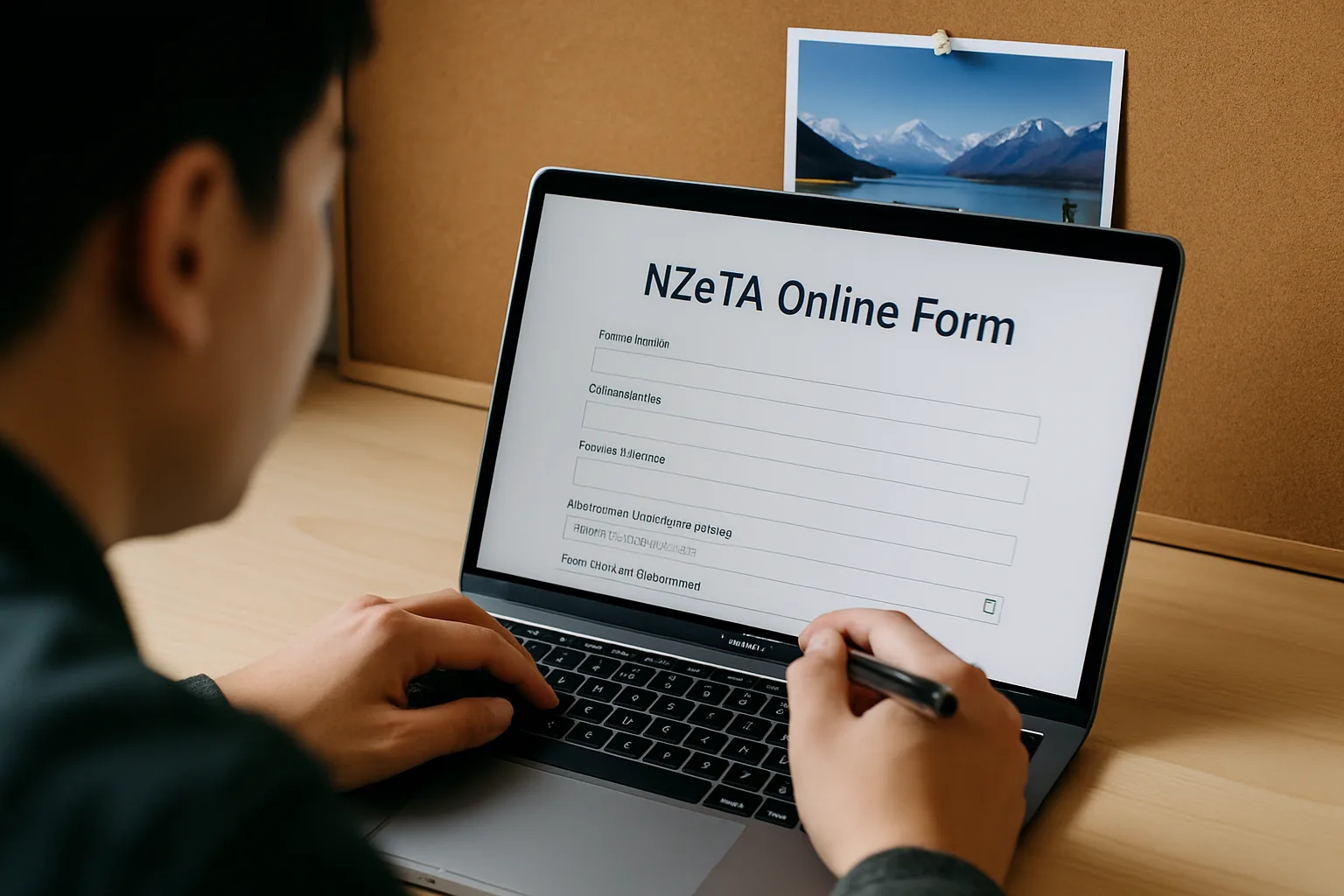
The trial arrangement, where it has applied, has typically been structured around these conditions:
- Travel must be part of an organised group tour, not independent travel
- The tour must be booked through a travel agent or operator formally approved or registered for the scheme
- Travellers usually need to depart New Zealand as part of the same group itinerary
- The arrangement applies to short-stay tourism, not work, study or long-term residence purposes
- It has run as a time-limited pilot rather than a permanent policy change
That last point is important. Trials like this are reviewed, extended, paused or scrapped depending on outcomes. A scheme that applied last season might not apply this season, or might apply with different conditions.
A typical (illustrative) group-tour scenario
Imagine a group of twenty Chinese tourists flying from Shanghai to Auckland on a pre-paid, fourteen-day coach tour covering both the North and South Islands. The tour was booked entirely through a registered agency, with a fixed group flight in and the same group flight out.
If that agency is on the approved list for the trial at the time of booking, this kind of itinerary is the closest fit to what the scheme is designed for. Note the word "illustrative" — this is a model of how the trial is meant to work, not a guarantee that any specific tour, agency or date will qualify.
Does this mean any Chinese tourist can now skip the visa?
No. If you're travelling independently — booking your own flights and hotels, setting your own itinerary, not going through an approved group operator — this trial almost certainly doesn't apply to you. You'd still need to go through New Zealand's standard visitor visa process.
This is the single biggest misunderstanding we see. People read "visa waiver trial" and assume it covers all Chinese travellers heading to New Zealand. It doesn't.
It's scoped to a specific travel model.
Who is actually eligible for the trial arrangement?
Eligibility, where the trial has been active, generally hinges on three things: your passport, your booking method, and your travel purpose.
| Factor | Likely to qualify | Likely excluded |
|---|---|---|
| Passport | Ordinary Chinese passport, tourism purpose | Travel on behalf of a business, study, or work-related visit |
| Booking type | Pre-arranged group tour via an approved agent | Self-booked independent travel (FIT) |
| Itinerary | Fixed group itinerary with group entry/exit | Open-ended or flexible solo travel plans |
| Stay length | Short-stay tourism (days to a few weeks) | Extended stays, repeat entries, or onward work plans |
If any of these don't line up with how you're actually travelling, treat the visa-waiver trial as not applicable to you, and plan on the standard visitor visa route instead.
Mixed scenarios that often cause confusion
A few situations sit right on the edge of these criteria, and they're worth calling out separately because they trip people up so often.
- Joining a group tour but planning to leave the group early to visit relatives independently
- Booking through an agent who resells another operator's tour, where the approval status of the actual ground operator is unclear
- Combining a group tour in New Zealand with independent travel in Australia on the same trip
- Travelling with a tour group that includes a mix of nationalities, some visa-exempt and some not
In every one of these cases, the safest assumption is that you don't automatically qualify for the trial pathway unless your operator can confirm otherwise in writing. When the scenario is mixed, the paperwork needs to be unambiguous, not implied.
What about Chinese travellers who hold a second passport?
If you hold dual nationality and one of your passports is from a country already on New Zealand's visa-waiver list, you'd travel on that passport and apply for an NZeTA in the usual way — the China-specific trial becomes irrelevant. Always travel on the passport that matches the visa or entry status you've been granted, and make sure your travel documents are consistent with your booking name and airline ticket.
Mixing passports across your booking and your actual travel document is a common, avoidable error. If your flight ticket and tour booking are under your Chinese passport, but you intend to present a second passport at the border, flag this with your airline and the tour operator well before departure.
How do you check if your trip qualifies?
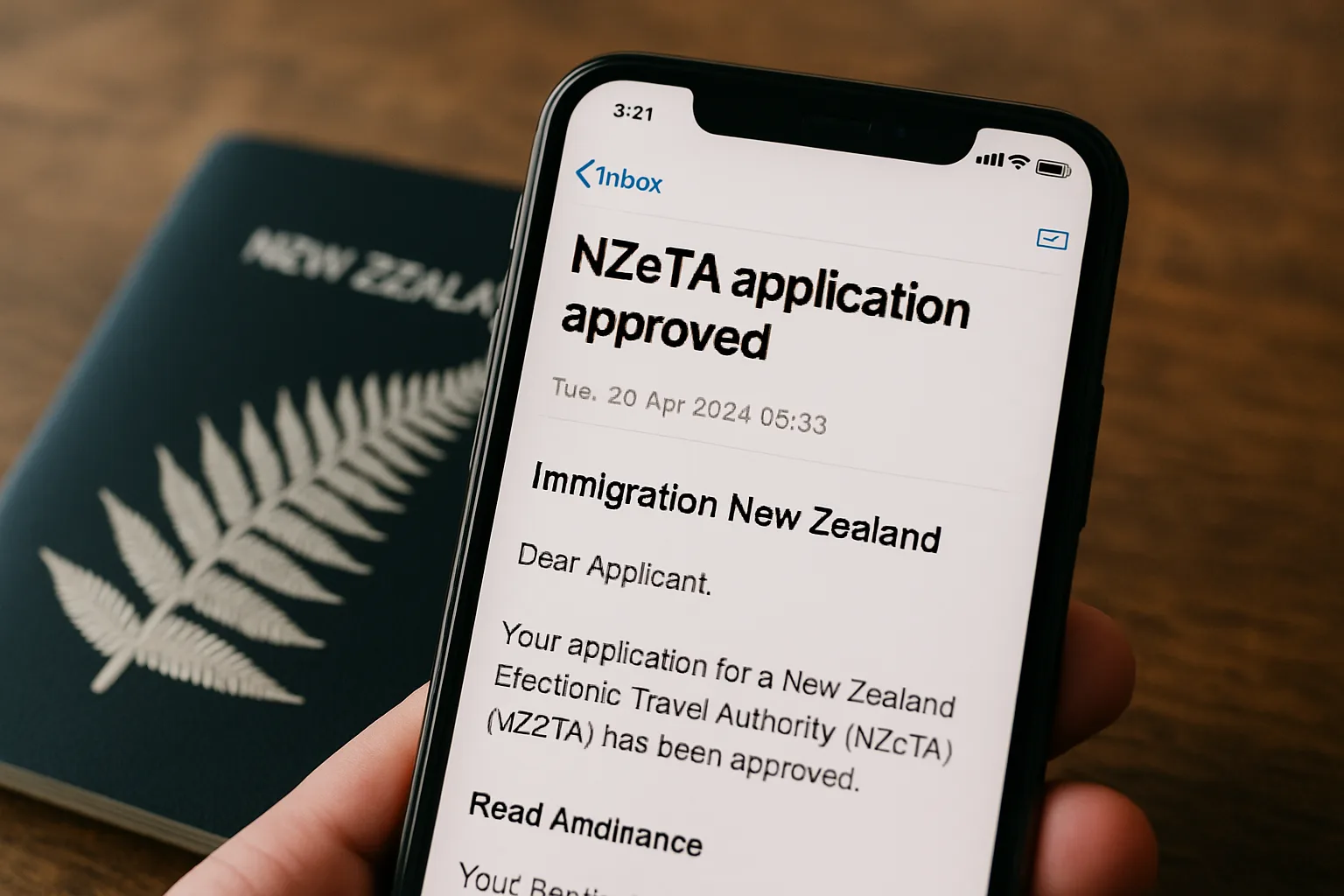
Because this is a trial and not a permanent rule, the safest approach is a short checklist before you commit to flights or a tour package.
- Check the current status of the trial directly on the official Immigration New Zealand website — don't rely on travel forums or outdated news articles
- Ask your tour operator directly whether they are formally approved to offer the visa-waiver arrangement for this specific trip
- Get written confirmation (email is fine) from the operator stating which entry pathway applies to your booking
- Confirm your group's exact entry and exit dates match what's required under the scheme
- If in doubt, apply for the standard visitor visa anyway — it's the fallback that always works
That last step is worth repeating: when a trial scheme is ambiguous or you can't get a clear answer, the visitor visa route is the one option that's never wrong. It takes longer and costs more, but it removes the risk of being refused boarding or turned away at the border.
Questions worth asking your tour operator directly
A polite but specific set of questions tends to get clearer answers than a general "are we covered?" enquiry. Consider asking your operator:
- Is your agency named on Immigration New Zealand's current approved operator list for this scheme?
- Can you provide a reference number or document confirming our group's approval?
- What happens if someone in our group wants to deviate from the fixed itinerary?
- Is the approval valid for our specific departure date, or only for an earlier season?
A reputable operator should be able to answer all four without hesitation. Vague or evasive answers are a signal to apply for a standard visitor visa instead, just to be safe.
How does this connect to the standard NZeTA process?
For travellers who do qualify for an NZeTA-based pathway — whether through general visa-waiver eligibility or a specific trial arrangement — the application itself follows the same basic process as everyone else's. You'll need a biometric passport, a smartphone or computer, and a debit or credit card for the fee.
We've covered the full step-by-step elsewhere, including the differences between the mobile app and the website version — see our guide on how to apply for NZeTA if you want the complete walkthrough. In short, expect to submit passport details, answer a handful of eligibility questions, upload a passport photo if required, and pay online.
What information does the application actually ask for?
Most NZeTA applications follow a similar pattern regardless of nationality or pathway. Expect to provide:
- Passport number, issue date and expiry date
- Basic personal details matching your passport exactly
- Contact details, including a mobile number and email address
- Answers to a short set of eligibility and declaration questions
- A digital passport-style photo, on some application routes
- Payment details for the NZeTA fee and the visitor levy
Double-check spelling and dates against your physical passport before submitting. A mismatched name or date is one of the most common reasons an application gets flagged for manual review.
How much does the NZeTA cost, and how long does it take?
Fees and processing times for the NZeTA have changed more than once in recent years, and an International Visitor Levy is charged on top of the NZeTA fee for most travellers. Because these figures are reviewed periodically by the New Zealand government, we won't quote a fixed number here — check the current fee and levy amount on the official Immigration New Zealand NZeTA page before you pay anything.
What we can tell you with confidence: most NZeTA applications are processed within minutes to a few days, though INZ recommends applying at least 72 hours before you travel to leave room for delays. Don't leave it until you're at the check-in desk.
What if you're just transiting through New Zealand?
Some Chinese travellers connecting through Auckland on the way to Australia, the Pacific Islands or elsewhere assume they don't need anything if they're not leaving the airport. That's not always true.
Transit rules depend on your nationality, whether you clear border control, and whether you're staying within the same terminal. Chinese citizens transiting New Zealand may still need an NZeTA, a transit visa, or in some cases a full visitor visa, depending on the specifics of the layover. This is genuinely one of the most commonly mis-answered questions in New Zealand travel planning.
If your itinerary includes a New Zealand stopover, read our dedicated breakdown of the nzeta transit visa rules before you book — it covers exactly when transit passengers are exempt and when they're not.
Why layovers cause so many surprises
Airlines sell connecting itineraries as a single ticket, which can give the impression that the whole journey is handled as one seamless transit. Immigration rules don't necessarily see it that way.
A short layover where you never leave a designated transit area is treated differently from a longer layover where you collect baggage, clear customs, or change terminals. Always check your specific routing and layover duration against the official transit rules, rather than assuming "transit" automatically means "no paperwork."
What does the application timeline look like in practice?
Planning around an NZeTA or visitor visa application is easier when you can see the rough shape of the timeline, even though exact processing times vary.
- Weeks before travel: confirm whether your trip fits the trial criteria or needs a standard visa
- 10–20 working days before travel: submit a visitor visa application if you're going the independent route, since processing can take longer than expected
- 72 hours or more before travel: submit an NZeTA application if you qualify for that pathway
- 24–48 hours before travel: double-check your approval status and keep confirmation documents accessible offline
- At the airport: have your passport, booking confirmation and any operator approval letter ready for check-in and border staff
Building in this kind of buffer matters more for the trial pathway than for a standard NZeTA, simply because trial approvals can be harder to verify quickly if something looks inconsistent at check-in.
What happens during peak travel periods?
Demand for both visitor visas and NZeTA processing tends to spike around major Chinese holidays, such as Lunar New Year and Golden Week. Processing times can lengthen during these periods purely due to volume, regardless of which pathway you're using.
If your trip falls near one of these peak windows, apply earlier than the minimum recommended timeframe. A few extra days of buffer is a small cost compared with the risk of a delayed approval clashing with a non-refundable flight.
Should you use a third party or agency to apply?
Because this is a niche, trial-based scheme, it attracts opportunistic agencies offering to "guarantee" visa-waiver entry for a fee. Be cautious here.
- No agency can guarantee entry — only New Zealand Border Force at the airport makes that final call
- Some third-party sites charge well above the official fee while offering no extra service
- Only travel agents formally approved under the trial scheme can legitimately offer the group-tour visa-waiver pathway
- If a website doesn't clearly state it's separate from the New Zealand government, treat it with suspicion
We've written a longer piece on this exact problem — worth a read if you're being pitched a "fast-track" or "guaranteed approval" service: see our NZeTA third party application help guide for how to spot legitimate help versus a costly middleman.
Red flags worth watching for
Beyond price gouging, a few patterns tend to show up repeatedly with low-quality or fraudulent agencies.
- Pressure to pay immediately via untraceable methods, such as direct bank transfer to a personal account
- Refusal to provide a written reference number tied to the official Immigration New Zealand system
- Marketing language that implies a "100% guarantee" of entry, which no legitimate service can offer
- Contact details that change between the time of booking and the time of any dispute
If something feels rushed or overly aggressive in its sales approach, slow down and verify independently before paying anything.
What happens if you arrive without the right documentation?
Border Force at New Zealand airports check entry documents against the conditions under which you were cleared to travel. If you arrive expecting a visa-waiver style entry but you don't meet the trial's conditions — say, you split off from your tour group, or your operator wasn't actually approved — you risk being refused leave to enter.
That's not a small inconvenience. Being refused entry can mean an immediate return flight at your own cost, and it can complicate future travel applications. It's a strong reason to over-verify rather than assume.
What does "refused leave to enter" actually mean in practice?
If Border Force decides your documentation doesn't match your stated purpose or pathway, they can deny you entry on the spot, even after a long-haul flight. You may be held in an airport transit area pending the next available return flight.
Depending on the circumstances, a refusal can also be recorded against your travel history, which may be asked about on future visa applications to New Zealand or other countries. This is part of why "the trial probably covers me" is not a strong enough basis for booking irreversible flights.
Can the rules change after you've booked your trip?
Yes, and this is genuinely the most important caveat in this whole article. Trial schemes are, by definition, temporary. New Zealand's government can extend, modify or end the arrangement with limited notice, especially as it assesses how the pilot is working in practice.
If you booked months in advance based on news of the trial, recheck the official position closer to your travel date. Don't assume that what was true when you booked is still true when you fly.
How does New Zealand's approach compare with other countries?
New Zealand isn't alone in testing targeted visa-waiver schemes for Chinese travellers. A number of destinations have introduced conditional, trial, or group-tour-based easing of visa requirements for Chinese tourists in recent years, often tied to specific events, travel agreements, or efforts to boost inbound tourism numbers.
The common thread across these schemes is that they're rarely unconditional. They tend to come with restrictions on group size, approved operators, or fixed itineraries — much like New Zealand's approach. If you're comparing options across multiple destinations, read the fine print for each one separately; eligibility for one country's scheme tells you nothing about another's.
Why group-tour conditions are so common internationally
Group tours are easier for immigration authorities to monitor than independent travel. A defined group, a known operator, and a fixed itinerary all reduce the administrative risk associated with relaxing entry requirements.
This is partly why so many countries piloting easier entry for Chinese travellers start with package tours rather than opening things up to independent travellers immediately. If a scheme does eventually expand to independent travel, that's usually a later phase, not the starting point.
Practical tips for Chinese travellers planning a New Zealand trip
Pulling this together into something actionable, here's what we'd suggest if you're at the planning stage:
- Decide early whether you're travelling independently or as part of a group — this single choice determines your entire visa pathway
- If going independent, plan for the standard visitor visa timeline, which typically takes longer than an NZeTA and requires more documentation
- If booking a group tour, ask the operator directly and in writing whether they're approved for any current visa-waiver trial
- Build in a buffer of several weeks before travel for visa processing, even if you expect to qualify for a faster pathway
- Keep digital and printed copies of any approval, confirmation or NZeTA reference number
- Recheck official guidance roughly one to two weeks before departure, since trial conditions can shift
What documents should you carry regardless of pathway?
Whether you travel under the visa-waiver trial, a standard visitor visa, or an NZeTA as a dual national, carry these basics:
- A biometric passport valid for the duration of your stay, ideally with several months of validity beyond your return date
- Proof of onward or return travel
- Evidence of accommodation or your tour itinerary
- Proof of sufficient funds for your stay
- Any written confirmation from your tour operator regarding visa-waiver eligibility, if relevant
Border officials can ask for any of these on arrival. Having them ready, even digitally, makes the process faster and reduces stress at the gate.
Planning beyond entry: insurance and onward travel
Whichever pathway applies to you, it's worth treating entry approval as just one part of trip planning, not the whole of it. Travel insurance covering medical costs, trip cancellation and lost baggage is strongly recommended for any international trip to New Zealand.
If your trip also includes onward travel to Australia or the Pacific Islands, check that country's entry requirements separately and early. Bundling multiple destinations into one itinerary multiplies the number of rules you need to satisfy, not just the number of stamps in your passport.
Common mistakes to avoid
A short list of the errors we see most often among travellers trying to use the trial pathway:
- Assuming the trial applies because a friend or family member used it on a previous trip under different conditions
- Booking flights before confirming the tour operator's current approval status
- Leaving a group tour partway through without checking how that affects entry conditions
- Relying on social media posts or unofficial forums instead of the official Immigration New Zealand website
- Paying a third-party agency a premium for a "guarantee" that isn't backed by any official authority
Most of these mistakes come from treating a temporary, conditional trial as if it were a stable, permanent rule. Avoiding that single assumption removes most of the risk.
A word on accuracy and timing
This article reflects general guidance on how New Zealand's NZeTA system and visa-waiver trials for Chinese travellers have typically worked. It is not professional immigration advice, and policy in this area moves quickly — trial schemes especially so. Always verify current eligibility, fees and conditions directly with Immigration New Zealand or a registered immigration adviser before booking flights or paying any fees.
Key takeaways
- There is no blanket NZeTA visa waiver for all Chinese travellers — it's a narrow, trial-based exception for specific group tours
- Independent Chinese travellers still need a standard visitor visa for most New Zealand trips
- Eligibility depends on your booking type, your tour operator's approval status, and your travel purpose
- Transit passengers aren't automatically exempt — check transit-specific rules separately
- Trial schemes can change quickly, so confirm details close to your travel date, not just when you book
- Be wary of third-party agencies promising guaranteed visa-waiver entry — only the official process and Border Force decide that
Frequently asked questions
Can all Chinese citizens now travel to New Zealand without a visa?
Do I need an NZeTA if I'm Chinese and travelling on an approved group tour?
What happens if my tour operator isn't approved for the visa-waiver trial?
Is the NZeTA the same thing as a New Zealand visa?
Can the China visa-waiver trial end or change without warning?
This article is for general informational purposes only. Visa and travel authorisation rules change frequently. Always check the official government website before travelling.

Written & reviewed by
Can OTUTravel Authorisation Editor
Can OTU is the editor of ETA Travel Assistant, specialising in UK ETA, Schengen ETIAS, NZeTA and ESTA travel authorisations. Can monitors official government sources and policy updates to ensure every guide is accurate, current and genuinely useful for travellers.
View all guides →