New Zealand's New Tourist Tax in 2026: What Visitors Need to Know
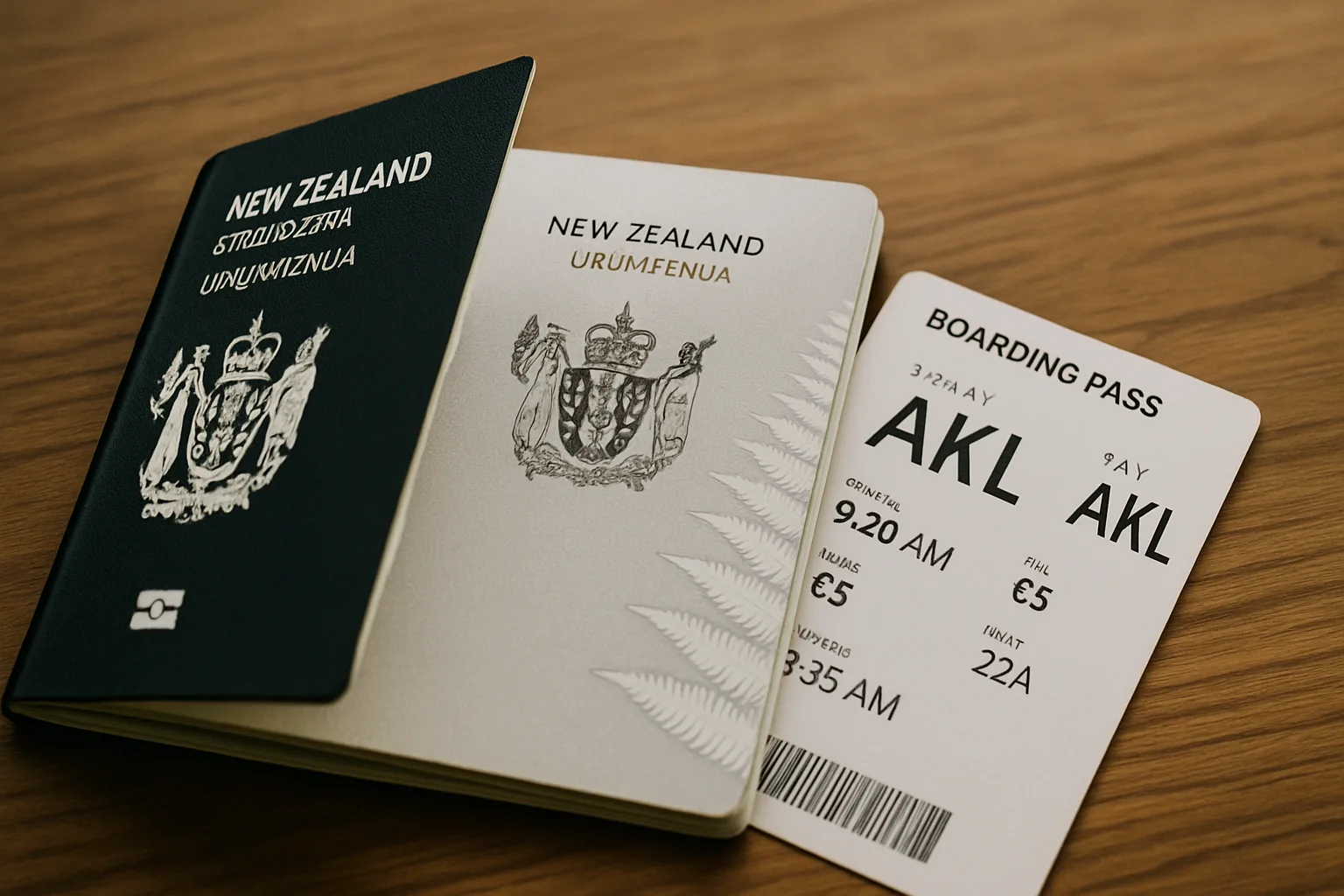
- The IVL is paid when you apply for an NZeTA or a visitor visa.
- It applies to most international visitors, including those from visa-waiver countries like the UK, US, and Japan.
- The increase is still being finalised — check official sources before you travel.
New Zealand is one of the world's most stunning destinations. But it's also one of the most expensive to visit. And from 2026, it's about to get a bit pricier.
The government has announced plans to raise the International Visitor Conservation and Tourism Levy (IVL) — often called the tourist tax — from NZ$35 to NZ$100 per person.
If you're planning a trip to Aotearoa, this change will affect your budget. But don't worry — we've got you covered. This article explains everything you need to know about the New Zealand tourist tax 2026: who pays, when it applies, how to pay, and what you get for your money.
Remember, this is general guidance. Always check official New Zealand government sources before booking or travelling. Rules and fees can change.
What Is the New Zealand Tourist Tax (IVL)?
The International Visitor Conservation and Tourism Levy (IVL) is a fee charged to most international visitors. It's not a visa. It's a separate charge that helps fund New Zealand's tourism infrastructure and conservation projects.
Think of it as a contribution towards the places you'll visit — national parks, walking tracks, beaches, and visitor centres. The money goes to the Department of Conservation and Tourism New Zealand.
The IVL was introduced in July 2019 at NZ$35. In 2024, the government proposed raising it to NZ$100 to keep up with visitor numbers and inflation. The increase is expected to take effect in 2026, pending final approval.
Why Was the IVL Created?
New Zealand welcomed over 3.8 million international visitors in 2019 before the pandemic. This put immense pressure on natural attractions and public facilities. The government needed a sustainable funding source to manage this impact.
The IVL was designed to ensure visitors contribute directly to the upkeep of the environment they enjoy. For example, the fee helps maintain the famous Tongariro Alpine Crossing track, which sees over 100,000 hikers annually. Without such funding, trails would degrade and become unsafe.
Another reason for the IVL is to reduce the financial burden on New Zealand taxpayers. Previously, local ratepayers funded much of the tourism infrastructure. The levy shifts some of this cost to those who use the facilities most — international visitors.
How the IVL Compares to Similar Taxes Globally
New Zealand is not alone in charging a tourist tax. Many countries have similar fees, though amounts vary widely. For instance, Bhutan charges a Sustainable Development Fee of US$100 per day, while Japan has a departure tax of ¥1,000 (about NZ$11).
New Zealand's proposed NZ$100 levy is relatively high compared to other nations. However, it remains a one-off payment for multiple visits over two years for NZeTA holders. This makes it more affordable than daily fees charged elsewhere.
Visitors from the UK or US might find the NZ$100 fee comparable to airport improvement charges in their home countries. The key difference is that New Zealand's levy directly funds conservation and tourism projects visible to travellers.
Who Has to Pay the New Zealand Tourist Tax in 2026?
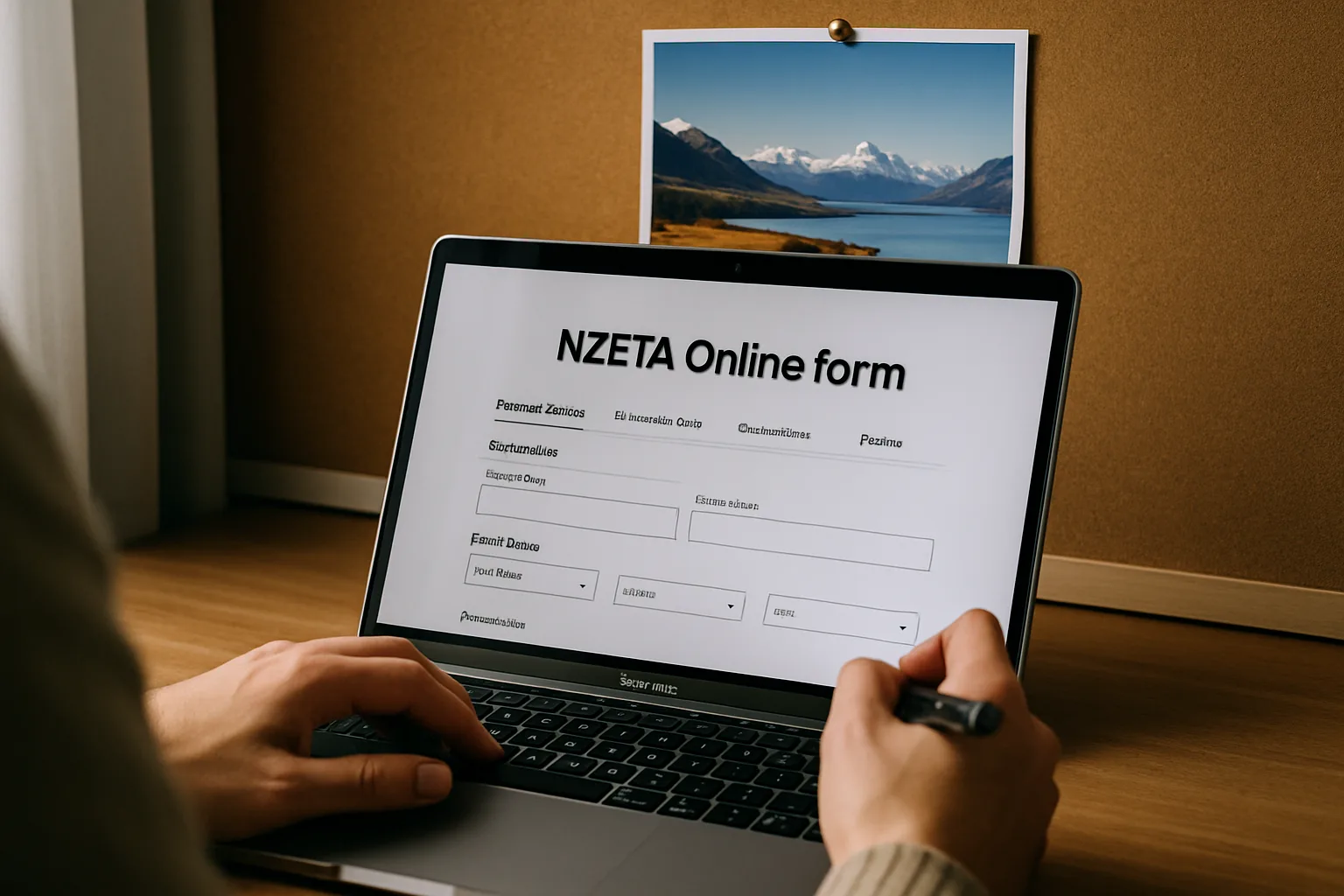
Most international visitors will need to pay the IVL. Here's who is affected:
- Visitors from visa-waiver countries (e.g. UK, US, Canada, Japan, South Korea, Germany, France) — you'll pay it when you apply for an NZeTA.
- Visitors who need a visitor visa (e.g. from India, China, Philippines, South Africa) — you'll pay it as part of your visa application fee.
- Transit passengers who need an NZeTA — yes, even if you're just passing through, you'll likely have to pay.
- Australian permanent residents — they need an NZeTA and will pay the IVL.
Who is exempt? A few groups don't have to pay:
- Australian citizens (they have a special visa category and don't need an NZeTA).
- New Zealand citizens and residents (including holders of a Returning Resident Visa).
- Diplomats and certain official travellers.
- Passengers on cruises that don't stop in New Zealand (but most cruises do stop).
- Children under 2 years old? The IVL is per person, but infants on some visa types may be exempt — check official rules.
Detailed Breakdown of Exemptions
Exemptions are narrow and specific. For example, diplomats must hold a valid diplomatic passport and be on official business. Cruise passengers are only exempt if their ship does not dock at any New Zealand port.
Australian citizens enjoy a unique arrangement due to the Trans-Tasman Travel Arrangement. They can live and work in New Zealand indefinitely without needing an NZeTA or visa. This exemption reflects the close relationship between the two countries.
If you are unsure about your status, use the official online eligibility tool. It asks simple questions about your nationality and travel purpose. This can save you from paying the fee unnecessarily.
How the IVL Affects Different Nationalities
For UK travellers, the IVL increase means a total NZeTA cost of NZ$117. This is roughly £55 at current exchange rates. A family of four from the UK would pay NZ$468 for the IVL alone.
US travellers face a similar impact. The NZ$100 IVL is about US$60. For a couple visiting for two weeks, this adds US$120 to their trip cost.
This might be a minor expense compared to flights and accommodation.
Japanese visitors, who are also visa-waiver, will see the same NZ$100 fee. However, given the weaker yen, this represents a larger relative cost. Budget-conscious travellers from Japan may need to adjust their spending plans accordingly.
How Is the Tourist Tax Paid?
You don't pay the IVL separately. It's included in the cost of your NZeTA or visitor visa application. So when you apply for NZeTA, the fee will include the IVL.
Same for a visitor visa.
Currently, the NZeTA costs NZ$17 plus the NZ$35 IVL = NZ$52 total. If the IVL rises to NZ$100, the total would be NZ$117. That's a significant jump.
But it's still a one-off fee for up to two years (for NZeTA holders).
For visitor visas, the IVL is added to the visa application fee (currently around NZ$211). So the total could be around NZ$311.
You pay online when you submit your application. Credit card or debit card is accepted.
Step-by-Step Payment Process
- Visit the official Immigration New Zealand website or download the NZeTA app.
- Complete the application form with your passport details and travel plans.
- Review the fee breakdown, which includes the IVL and service charge.
- Pay using a valid credit or debit card (Visa, Mastercard, or American Express).
- Receive confirmation via email within minutes for most NZeTA applications.
For visitor visas, the process takes longer. You must submit supporting documents like bank statements and itinerary. The IVL is automatically added to the visa fee during payment.
Always use official channels to avoid scams. Third-party websites often charge inflated fees. The official NZeTA app is free to download and secure.
When Will the New Zealand Tourist Tax Increase to NZ$100?
The New Zealand government announced the proposed increase in 2024. It's expected to take effect in 2026. Exact dates are not yet confirmed.
The change needs to go through a parliamentary process and may be subject to public consultation.
If you're travelling in 2025, you'll pay the current rate of NZ$35. If you're travelling in 2026 or later, be prepared for the higher fee. Check the official Immigration New Zealand website closer to your travel date.
Timeline of the IVL Increase
The government first signalled the increase in the 2024 budget. A consultation period ran from mid-2024 to early 2025. Feedback from tourism operators and environmental groups was considered.
Final approval requires a legislative amendment. This typically takes several months. The earliest possible implementation is mid-2026, but it could be later if delays occur.
For example, if you book a trip for March 2026, you might still pay the old rate. But by July 2026, the new fee is likely in effect. Monitor official announcements for exact dates.
Do You Need an NZeTA or a Visitor Visa?
Whether you need an NZeTA or a visitor visa depends on your nationality and the purpose of your visit.
NZeTA (New Zealand Electronic Travel Authority) is for citizens of visa-waiver countries. It's valid for up to 2 years for multiple visits. You can apply online or via the mobile app.
It's quick — usually approved within minutes or hours. But apply at least 72 hours before travel to be safe.
Visitor visa is for citizens of countries that don't have a visa waiver. You need to apply in advance, provide more documents, and the process can take weeks. The IVL is included in the visa fee.
If you're transiting through New Zealand to another country, you may need an nzeta transit visa — and yes, you'll pay the IVL too.
NZeTA vs Visitor Visa: Key Differences
| Feature | NZeTA | Visitor Visa |
|---|---|---|
| Eligible nationalities | Visa-waiver countries (e.g. UK, US, Japan) | All others (e.g. India, China, Philippines) |
| Validity | Up to 2 years | Up to 9 months (typically) |
| Processing time | Minutes to 72 hours | Weeks to months |
| Documents required | Passport, photo, travel details | Passport, photo, bank statements, itinerary, etc. |
| Cost (including IVL) | NZ$117 (from 2026) | Approx NZ$311 (from 2026) |
Choose the right option based on your nationality. Applying for the wrong one can delay your trip. Use the official visa wizard to confirm your requirements.
How to Determine Your Visa Type
Start by checking the Immigration New Zealand website's visa waiver list. If your country is listed, you qualify for an NZeTA. If not, you need a visitor visa.
For example, a German passport holder can apply for an NZeTA. A Nigerian passport holder must apply for a visitor visa. The process differs significantly in time and cost.
Remember that transit passengers also need an NZeTA. Even if you only stop in Auckland for a few hours, you must have this authorisation. The IVL applies in this case as well.
What About the NZeTA China Visa Waiver Trial?
In 2024, New Zealand launched a trial allowing Chinese citizens to apply for an NZeTA instead of a visitor visa for short stays. This is part of the NZeTA China visa waiver trial. If you're a Chinese national travelling for tourism or business for up to 90 days, you may be eligible.
You'll still need to pay the IVL as part of your NZeTA application. The trial is ongoing and may be extended or made permanent.
Impact of the IVL Increase on Chinese Visitors
Chinese visitors are a significant market for New Zealand tourism. In 2019, over 400,000 Chinese tourists visited, spending nearly NZ$1.7 billion. The NZeTA trial simplifies their entry process.
However, the IVL increase from NZ$35 to NZ$100 will affect their travel costs. For a family of four, the levy alone would be NZ$400. This could influence budget-conscious travellers to choose other destinations.
Despite this, the convenience of the NZeTA may offset the higher fee. Chinese visitors no longer need to submit extensive documents for short trips. The trade-off is a higher upfront cost.
What Does the IVL Fund?
You might wonder where your NZ$100 goes. The IVL funds two main areas:
- Conservation – protecting New Zealand's unique biodiversity, maintaining national parks, controlling pests, and restoring habitats.
- Tourism infrastructure – building and maintaining visitor facilities like toilets, car parks, walking tracks, and information centres.
New Zealand's tourism industry relies heavily on its natural environment. The IVL helps ensure that the places you visit are well looked after for future generations. It's a small price to pay for some of the most beautiful landscapes on Earth.
Examples of IVL-Funded Projects
Since 2019, the IVL has funded over 100 projects. For instance, the Milford Track, one of New Zealand's Great Walks, received upgrades to its huts and boardwalks. This improved safety and reduced environmental damage.
Another project involved pest control in the Abel Tasman National Park. Traps were set to protect native birds like the kiwi and weka. Visitors now see more wildlife thanks to these efforts.
In Queenstown, IVL funds helped build a new public toilet block near the Skyline Gondola. This may seem minor, but it reduces litter and improves the visitor experience. Such projects directly benefit tourists.
Transparency and Accountability
The New Zealand government publishes annual reports on IVL spending. You can see exactly how much money was collected and where it was allocated. This transparency helps build trust with visitors.
For example, the 2023 report showed NZ$80 million collected from the IVL. Of this, NZ$45 million went to conservation projects. The remainder funded tourism infrastructure and administration costs.
If you are interested, you can download these reports from the Department of Conservation website. They provide detailed breakdowns by region and project type.
How to Budget for the New Zealand Tourist Tax in 2026
Here's a quick breakdown of likely costs:
| Item | Current cost (2025) | Expected cost from 2026 |
|---|---|---|
| NZeTA (including IVL) | NZ$52 | NZ$117 |
| Visitor visa (including IVL) | approx NZ$246 | approx NZ$311 |
| IVL only (if paid separately) | NZ$35 | NZ$100 |
Remember, these are estimates. Official fees may vary. Always check the Immigration New Zealand website for the latest figures.
Additional Costs to Consider
Beyond the IVL, budget for flights, accommodation, and activities. New Zealand is expensive for food and transport. For example, a meal at a mid-range restaurant costs around NZ$40.
Petrol is roughly NZ$2.80 per litre.
If you plan to visit multiple national parks, consider a conservation pass. It costs NZ$60 for a vehicle and covers entry to all parks. This is separate from the IVL but supports similar goals.
For a two-week trip, a family of four might spend NZ$10,000 to NZ$15,000 total. The IVL increase adds NZ$260 to this budget. Plan accordingly to avoid surprises.
Tips for a Smooth Application
- Apply early – don't leave it to the last minute. Even NZeTA applications can be delayed.
- Have your passport ready – make sure it's valid for at least 3 months beyond your planned departure from New Zealand.
- Use the official app or website – avoid third-party sites that charge extra fees.
- Double-check your details – a mistake could delay your application.
- Keep a copy of your approved NZeTA or visa – you may need to show it at check-in or on arrival.
Common Application Mistakes
One frequent error is entering passport numbers incorrectly. A single digit off can cause rejection. Always double-check before submitting.
Another mistake is forgetting to declare previous visas or travel history. New Zealand immigration is strict about honesty. Failure to disclose can lead to visa denial.
Finally, some travellers use unofficial websites that charge extra fees. The official NZeTA app costs only the government fee. Stick to official channels to save money.
What to Do If Your Application Is Rejected
If your NZeTA or visa is rejected, you will not receive a refund of the IVL. The fee is non-refundable regardless of the outcome. This is a key point to remember.
You can reapply after correcting the error. However, you must pay the IVL again with the new application. There is no waiver for previous payments.
To minimise rejection risk, review all requirements carefully before applying. Use the official checklist on the Immigration New Zealand website.
How the IVL Increase Affects Different Travel Scenarios
Understanding how the tax applies to your specific travel plans is crucial. For a solo backpacker, the NZ$100 fee represents a single additional cost. For a family of five, the total IVL jumps from NZ$175 to NZ$500.
Consider a couple from the UK planning a two-week road trip. They will pay NZ$200 combined for the IVL. This is on top of flights, car rental, and accommodation.
The increase may shift their spending on activities like bungee jumping or glacier tours.
Business travellers are not exempt either. If you attend a conference in Auckland, you still need an NZeTA and must pay the IVL. The fee applies regardless of your purpose, as long as you are a visitor.
Planning for Group Travel
Group tours, such as those organised by travel agencies, will see higher per-person costs. A tour operator may bundle the IVL into the package price. This means travellers might not notice the increase directly, but overall tour prices will rise.
For example, a 10-day guided tour of the South Island might cost NZ$4,000 per person. With the IVL increase, the price could go up by NZ$65 per person. Operators should clearly disclose this fee in their quotes.
Independent travellers should factor the IVL into their daily budget. Spreading the NZ$100 over a 14-day trip adds about NZ$7 per day. This is manageable but worth noting for tight budgets.
Long-Term Travel and Working Holidays
If you are on a working holiday visa, you may still need to pay the IVL. Working holiday visas are a type of visitor visa. The IVL is included in the application fee.
For example, a UK citizen on a working holiday visa for 12 months would pay the NZ$100 IVL. This is a one-time cost for the entire duration. It does not need to be paid again if you extend your stay.
However, if you switch to a different visa category, you might need to pay again. Always check with Immigration New Zealand for your specific situation.
What Happens If You Don't Pay the IVL?
Failing to pay the IVL when required can have serious consequences. Your NZeTA or visa application will be rejected. You will not be allowed to board your flight to New Zealand.
If you somehow arrive without paying, immigration officers may deny you entry. You could be placed on the next flight home at your own expense. The IVL is a mandatory fee, not an optional donation.
There are no exceptions for forgetfulness. The system is automated, and non-payment is flagged immediately. Always double-check your application confirmation to ensure the IVL is included.
Appeals and Refunds
Refunds are only issued in very limited circumstances. For example, if you paid the IVL but your visa was denied, you may receive a refund. However, the NZeTA fee itself is non-refundable.
If you accidentally overpay, you can request a refund through Immigration New Zealand. This process can take several weeks. Provide proof of payment and explain the error.
Appeals against the IVL are not possible. It is a legislated fee, not a discretionary charge. If you disagree with the policy, contact your local MP or the New Zealand government.
Consequences for Airlines and Travel Agents
Airlines are required to verify that passengers have paid the IVL before boarding. If an airline allows a passenger to board without payment, it may face fines. This is why airlines check your NZeTA status at check-in.
Travel agents should also ensure their clients are aware of the IVL. Failure to disclose the fee could lead to complaints or legal action. Reputable agents will include it in their pricing.
If you book through a third party, ask for a detailed breakdown of fees. This helps avoid surprises at the airport.
Frequently Asked Questions
We've answered some common questions about the New Zealand tourist tax 2026 below.
Do I have to pay the IVL if I'm only transiting through New Zealand?
Yes, if you need an NZeTA to transit, you'll pay the IVL. Some transit passengers are exempt (e.g. those who don't clear immigration), but most will need to pay. Check the official transit rules.
Can I get a refund if my trip is cancelled?
No, the IVL is non-refundable once paid. The same applies to the NZeTA fee. Make sure you're certain about your travel plans before applying.
Is the IVL per person or per family?
It's per person. Each traveller, including children, must pay the IVL. However, infants under 2 may be exempt in some cases — check the official policy.
Do I need to pay the IVL if I have a valid NZeTA from before 2026?
No. If your NZeTA was approved before the fee increase, you don't need to pay the difference. Your existing NZeTA remains valid until it expires. The new fee only applies to applications submitted after the change date.
Will the IVL increase affect my visa application processing time?
No, the fee increase shouldn't affect processing times. However, if you apply after the change, make sure you pay the correct amount. Underpayment could delay your application.
What happens if I pay the wrong amount?
If you underpay, your application will be rejected. You'll need to reapply and pay the correct fee. Overpayments are not refunded automatically, but you can request a refund through official channels.
To avoid errors, use the official fee calculator on the Immigration New Zealand website. It shows the exact amount based on your nationality and visa type.
Do I need to pay the IVL if I am a returning New Zealand resident?
No, New Zealand residents are exempt. This includes holders of a Returning Resident Visa. You do not need to pay the IVL when you enter the country.
However, if you are a permanent resident but not a citizen, ensure your travel documents are in order. You may still need an NZeTA if you are an Australian permanent resident.
If you are unsure, contact Immigration New Zealand directly. They can confirm your exemption status.
Key Takeaways
- New Zealand's tourist tax (IVL) is rising from NZ$35 to NZ$100, likely in 2026.
- You pay it when you apply for an NZeTA or visitor visa.
- Most international visitors must pay, except Australian and New Zealand citizens, diplomats, and some others.
- The fee funds conservation and tourism infrastructure.
- Always check official sources before you travel: Immigration New Zealand.
Official sources
Check the authority for current fees and requirements before applying.
Frequently asked questions
Do I have to pay the IVL if I'm only transiting through New Zealand?
Can I get a refund if my trip is cancelled?
Is the IVL per person or per family?
Do I need to pay the IVL if I have a valid NZeTA from before 2026?
Will the IVL increase affect my visa application processing time?
This article is for general informational purposes only. Visa and travel authorisation rules change frequently. Always check the official government website before travelling.

Written & reviewed by
Can OTUTravel Authorisation Editor
Can OTU is the editor of ETA Travel Assistant, specialising in UK ETA, Schengen ETIAS, NZeTA and ESTA travel authorisations. Can monitors official government sources and policy updates to ensure every guide is accurate, current and genuinely useful for travellers.
View all guides →