Which Countries Are Visa-Free for New Zealand in 2026? Full Updated List
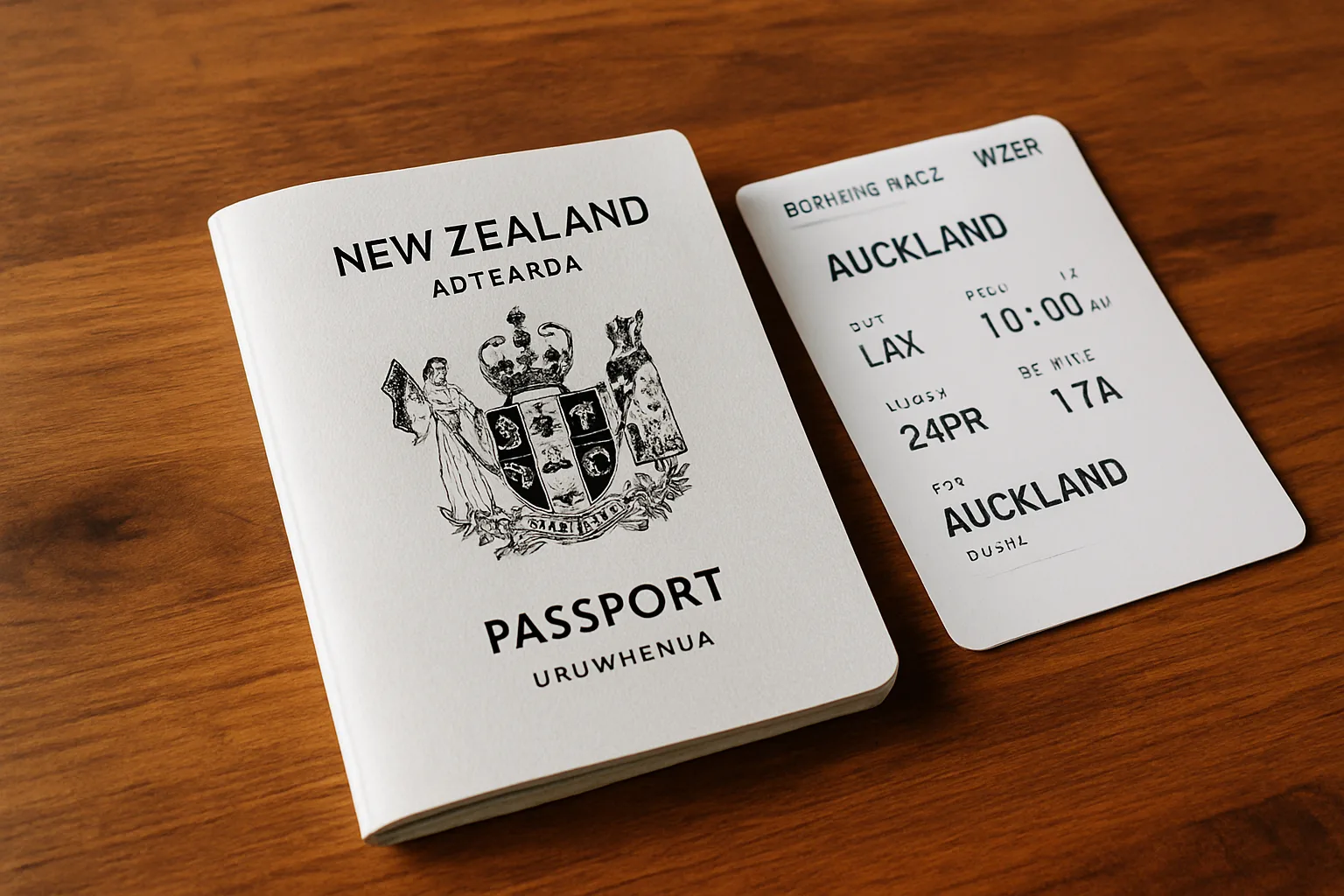
- No visa needed for short stays (usually up to 90 days) in most destinations.
- Some countries require an electronic travel authorisation (eTA) — like Australia, Canada, and the US.
- Always check official government sources before booking, as rules can change.
If you hold a New Zealand passport, you're in a strong position for hassle-free travel. In 2026, New Zealanders enjoy visa-free access to more than 180 destinations worldwide. That includes major tourism hubs, business centres, and remote islands alike.
But visa-free doesn't always mean you can just show up. Some countries require an electronic travel authorisation (eTA) or a visa on arrival. Others have specific passport validity rules or proof of onward travel.
This guide covers everything you need to know — region by region — so you can plan your trip with confidence.
Remember: entry requirements can change at short notice. Always confirm with the official embassy or immigration website of your destination before you travel. This article is general guidance, not professional legal advice.
What Does Visa-Free Mean for New Zealand Passport Holders?
Visa-free means you don't need to apply for a visa before you travel. You can present your New Zealand passport at the border and get entry for a short stay — typically tourism, business meetings, or transit. The exact length of stay varies by country.
But visa-free is not the same as unconditional entry. Border officials still have the final say. They may ask for proof of accommodation, return tickets, or sufficient funds.
Some countries also require you to register online before arrival, even if no visa is needed.
For example, the United States requires a visa waiver (ESTA) for New Zealanders, while Australia requires an eVisitor visa or ETA. These are not traditional visas, but they are mandatory pre-travel authorisations. We'll cover those separately.
How the New Zealand Passport Ranks Globally in 2026
The New Zealand passport consistently ranks among the most powerful in the world. In 2026, it typically sits in the top 10 on the Henley Passport Index. This ranking is based on the number of destinations accessible without a prior visa.
This high ranking gives New Zealanders significant travel flexibility. It allows for spontaneous trips to many popular regions without lengthy visa applications. However, the exact ranking can fluctuate slightly as countries update their entry policies.
For instance, a New Zealander can decide on a Monday to visit Japan for cherry blossom season and fly out on Tuesday, needing only a valid passport. This ease of travel is a major benefit of holding a New Zealand passport.
Europe: Schengen Area and Non-Schengen Countries
Schengen Area (90 days in any 180-day period)
New Zealand passport holders can enter the Schengen Area visa-free for up to 90 days within any 180-day period. The Schengen Area includes 27 European countries — most of the EU plus Iceland, Norway, Switzerland, and Liechtenstein. You can move freely between them once you enter.
Important: from 2025, the European Travel Information and Authorisation System (ETIAS) will be required for visa-exempt travellers. As of 2026, ETIAS is expected to be fully operational. You'll need to apply online before travel and pay a small fee (around €20).
The authorisation is valid for three years or until your passport expires.
Check the official ETIAS website for the latest launch date and application process.
Non-Schengen European Countries
Many European countries outside Schengen also offer visa-free access to New Zealanders. These include:
- United Kingdom — visa-free for up to 6 months. From 2025, an Electronic Travel Authorisation (ETA) will be required for short stays. Check the UK government's ETA page for updates.
- Ireland — visa-free for up to 90 days.
- Romania, Bulgaria, Cyprus — visa-free for up to 90 days (these are EU but not yet full Schengen).
- Croatia — now part of Schengen, so same 90/180 rule applies.
- Albania, Bosnia and Herzegovina, Montenegro, Serbia, North Macedonia — visa-free for up to 90 days (some require registration within 24 hours of arrival).
- Turkey — visa-free for up to 90 days in a 180-day period.
- Ukraine — visa-free for up to 90 days (but travel advice may be affected by the current situation).
Detailed Examples of European Travel
Imagine you plan a trip to France, Italy, and Spain. You can stay up to 90 days total across all three countries. You must leave the Schengen Area by day 90 or face penalties.
If you also want to visit the UK, you can do so after your Schengen trip. The UK allows up to 6 months visa-free, separate from the Schengen limit. Always track your days carefully to avoid overstaying.
For countries like Albania, you must register with local authorities within 24 hours of arrival. Hotels often do this for you, but if you stay in private accommodation, you must register yourself. Failure to do so can result in fines.
North America
United States
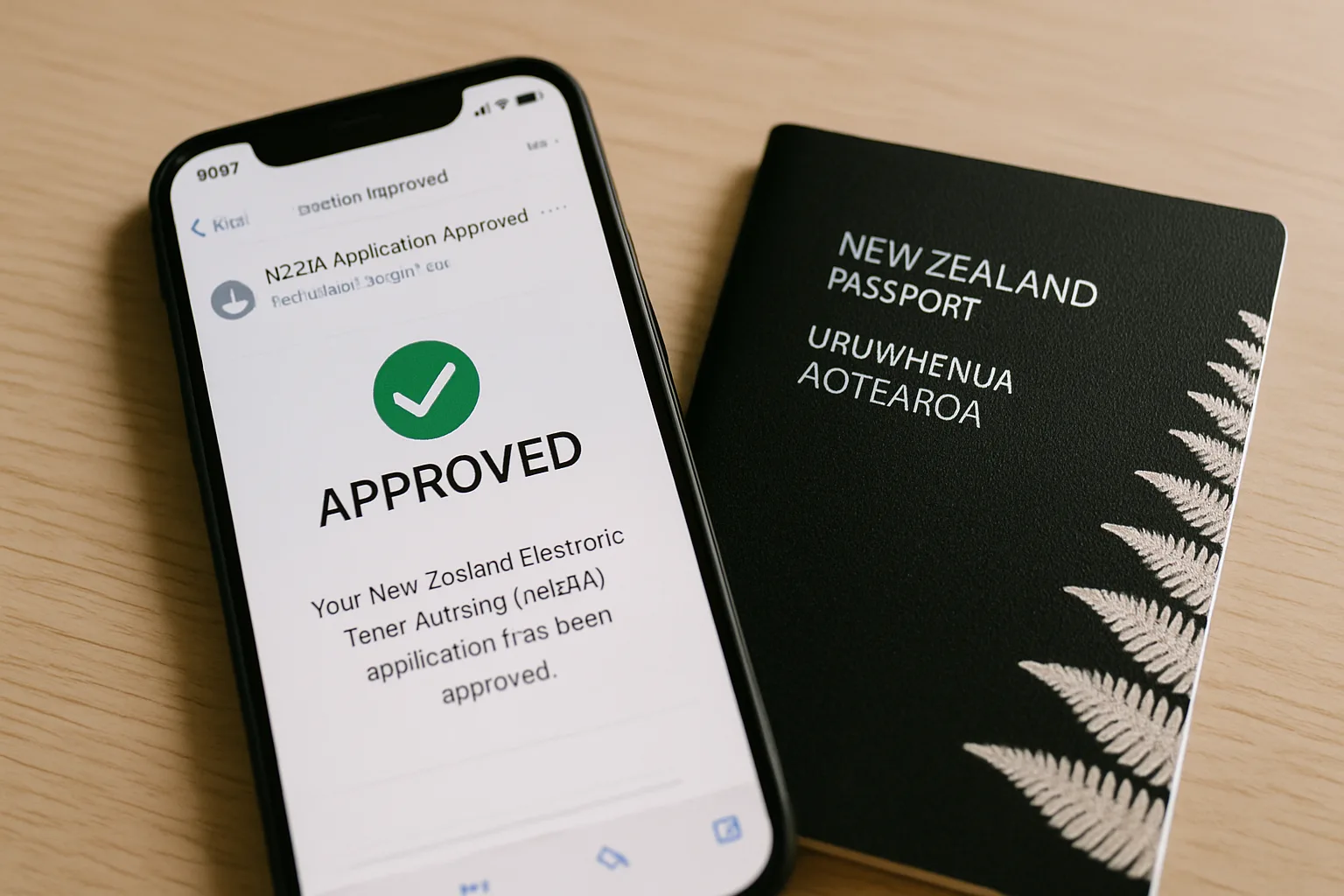
New Zealanders can travel to the US under the Visa Waiver Program (VWP). You do not need a visa, but you must obtain an Electronic System for Travel Authorisation (ESTA) before boarding your flight. The ESTA is valid for two years and allows multiple entries for up to 90 days each.
The fee is about US$21. Apply at the official ESTA website.
You'll need an e-passport (with a digital chip) and a return or onward ticket. If you overstay or work without authorisation, you risk losing VWP privileges.
Canada
New Zealanders need an Electronic Travel Authorisation (eTA) to fly to or transit through Canada. The eTA is valid for up to five years and costs CAD $7. Apply online at the official Canada eTA website.
It's linked electronically to your passport.
If you arrive by land or sea (e.g., from the US), you don't need an eTA — just your passport.
Mexico
Visa-free for up to 180 days for tourism or business. You may need to fill out an immigration form (FMM) on arrival. Some airlines require proof of onward travel.
Caribbean and Central America
Most Caribbean nations are visa-free for New Zealanders, including:
- Antigua and Barbuda (up to 30 days)
- Bahamas (up to 90 days)
- Barbados (up to 90 days)
- Dominican Republic (up to 30 days — tourist card required)
- Jamaica (up to 90 days)
- Cuba (visa required — tourist card available on arrival)
Central American countries like Costa Rica (up to 90 days), Panama (up to 90 days), and Guatemala (up to 90 days) are visa-free. Some may require proof of onward travel.
Practical Tips for North America
When flying to the US, ensure your ESTA is approved before you book flights. Some airlines check ESTA status at check-in. If your ESTA is expired or denied, you may be refused boarding.
For Canada, the eTA is valid for up to five years or until your passport expires. If you renew your passport, you must apply for a new eTA. Always check the expiry date before travelling.
In Mexico, the FMM form is usually provided on the flight. Fill it out accurately and keep the copy with your passport. You must return the form when you leave Mexico.
South America
New Zealanders enjoy visa-free access to almost all South American countries. Highlights:
- Argentina — up to 90 days (reciprocal fee may apply for US citizens, but not for NZ).
- Brazil — up to 90 days (extendable).
- Chile — up to 90 days.
- Colombia — up to 90 days.
- Peru — up to 90 days (some nationalities need a visa, but not NZ).
- Ecuador — up to 90 days.
- Uruguay — up to 90 days.
- Venezuela — visa-free for up to 90 days (check current travel advisories due to political situation).
Guyana and Suriname require a visa in advance.
Detailed South America Travel Tips
In Brazil, you can extend your stay by applying at the Federal Police office. The extension is usually for an additional 90 days. You must apply before your initial 90 days expire.
In Peru, you may be asked to show proof of onward travel. A bus ticket to Bolivia or a flight to Chile usually suffices. Keep a printed copy of your itinerary.
For Venezuela, check the latest travel advisories from the New Zealand Ministry of Foreign Affairs. The political situation can affect safety and entry rules. Always have a backup plan.
Asia
East Asia
- Japan — visa-free for up to 90 days.
- South Korea — visa-free for up to 90 days (must register online for K-ETA from 2025? Check current requirements).
- Taiwan — visa-free for up to 90 days (online registration required).
- Hong Kong — visa-free for up to 90 days.
- Macau — visa-free for up to 30 days.
Southeast Asia
- Thailand — visa-free for up to 30 days (60 days if arriving by air? Check latest).
- Malaysia — visa-free for up to 90 days.
- Singapore — visa-free for up to 90 days.
- Indonesia — visa-free for up to 30 days (must enter via specific ports).
- Vietnam — visa-free for up to 15 days (longer stays need a visa).
- Philippines — visa-free for up to 30 days.
- Cambodia — visa on arrival available (fee ~US$30).
- Laos — visa on arrival (fee ~US$30).
- Myanmar — e-visa required (can apply online).
South Asia
- India — e-visa available (not visa-free). Apply online before travel.
- Nepal — visa on arrival (fee varies).
- Sri Lanka — visa-free for up to 30 days (ETA required? Check current).
- Maldives — visa on arrival (free, up to 30 days).
- Bangladesh — visa on arrival (for certain purposes).
- Bhutan — visa required (must be arranged through a tour operator).
Central Asia and Middle East
- United Arab Emirates — visa-free for up to 30 days (extendable).
- Qatar — visa-free for up to 30 days.
- Oman — visa-free for up to 14 days (or e-visa for longer).
- Saudi Arabia — e-visa available (tourist visa).
- Israel — visa-free for up to 90 days.
- Jordan — visa on arrival (fee ~JOD 40).
- Turkey — visa-free for up to 90 days (as noted above).
Detailed Asia Travel Scenarios
Suppose you want to visit Japan, South Korea, and Taiwan in one trip. Each country allows up to 90 days visa-free. However, you must leave each country before the limit expires.
In Thailand, the 30-day visa-free period can be extended by 30 days at an immigration office. The fee is around 1,900 baht. You must apply before your initial 30 days expire.
For India, the e-visa is valid for 60 days and allows double entry. You must apply at least 4 days before travel. Print the e-visa approval letter to show at immigration.
Africa
Visa-free access for New Zealanders in Africa is more limited than other regions. Popular destinations include:
- South Africa — visa-free for up to 90 days.
- Morocco — visa-free for up to 90 days.
- Tunisia — visa-free for up to 90 days.
- Egypt — visa on arrival (US$25) or e-visa.
- Kenya — e-visa required (apply online).
- Tanzania — visa on arrival (US$50) or e-visa.
- Mauritius — visa-free for up to 90 days (visitor pass on arrival).
- Seychelles — visa-free (visitor's permit on arrival, up to 90 days).
- Botswana, Namibia, Zambia, Zimbabwe — visa-free for up to 90 days (check specific conditions).
Many West and Central African countries require a visa in advance. Always check the embassy website.
Practical Africa Travel Advice
In South Africa, you may need to show proof of sufficient funds. A bank statement from the last 3 months is usually acceptable. Also, carry a return ticket.
For Kenya, the e-visa application can take up to 10 days. Apply well in advance. Use the official e-visa portal to avoid scams.
In Egypt, the visa on arrival costs US$25 in cash. Have the exact amount in US dollars. You can also apply for an e-visa online before travel.
Oceania and the Pacific
Australia
New Zealanders can live and work in Australia indefinitely under the Trans-Tasman Travel Arrangement. You do not need a visa to enter — you'll be granted a Special Category Visa (SCV) on arrival. However, you need to meet health and character requirements.
For short visits, you can simply travel with your passport.
If you have a criminal record or certain health conditions, check with Australian immigration before travelling.
Pacific Islands
Most Pacific Island nations are visa-free for New Zealanders, including:
- Fiji — up to 4 months.
- Cook Islands — up to 31 days (free entry).
- Samoa — up to 60 days (visitor permit on arrival).
- Tonga — up to 30 days (visa on arrival).
- Vanuatu — up to 30 days.
- Solomon Islands — up to 90 days (visitor permit on arrival).
- Papua New Guinea — visa on arrival (for certain purposes, fee ~PGK 100).
Some smaller islands like Kiribati, Tuvalu, and Nauru may require a visa in advance. Check with the embassy.
Oceania Travel Scenarios
If you plan to visit Australia, you can enter on a Special Category Visa. This visa allows you to stay indefinitely, but you must meet health and character requirements. If you have a criminal record, apply for a visa in advance.
In Fiji, the visa-free period is up to 4 months. You must have a valid passport and return ticket. Some airlines may ask for proof of accommodation.
For the Cook Islands, entry is free for up to 31 days. You must have a return ticket and proof of accommodation. The Cook Islands are a self-governing territory in free association with New Zealand.
Countries Requiring Electronic Travel Authorisation (eTA) in 2026
Several visa-free destinations now require an online pre-authorisation. These are not visas, but you must apply before you travel. For New Zealanders, the main ones are:
- United States — ESTA (valid 2 years, multiple entries).
- Canada — eTA (valid 5 years, multiple entries).
- Australia — eVisitor (subclass 651) or ETA (subclass 601). Both are free for New Zealanders? Actually, the eVisitor is free, but the ETA may have a service fee. Check the Australian Department of Home Affairs website.
- United Kingdom — UK ETA (from 2025, likely required for New Zealanders in 2026). Apply online before travel.
- Schengen Area — ETIAS (from 2025/2026).
- New Zealand itself — if you're a New Zealand citizen, you don't need an NZeTA. But if you're a permanent resident of New Zealand with a different passport, you may need an NZeTA. For more on that, see our guide on how to apply for nzeta.
Also, the nzeta transit visa is required for some travellers passing through New Zealand.
How to Apply for eTAs
Applying for an ESTA or eTA is usually quick and straightforward. You fill out an online form, pay a small fee, and receive approval via email. Most approvals come within minutes, but some may take up to 72 hours.
Always apply at least a few days before your flight. If your application is denied, you may need to apply for a visa instead. Check the official website for each country's eTA program.
For the UK ETA, the application process is similar. You'll need your passport details and a valid email address. The fee is expected to be around £10.
Visa on Arrival and e-Visa Options
For countries that are not visa-free, you may still have options:
- Visa on arrival — available in many Asian and African countries (e.g., Cambodia, Nepal, Egypt). You pay at the border.
- e-Visa — apply online before travel (e.g., India, Vietnam, Turkey). Processing time is usually a few days.
Always check the official government website for the most accurate and up-to-date information.
Visa on Arrival Tips
When getting a visa on arrival, have the exact fee in cash. Many countries require US dollars or local currency. Carry small bills to avoid change issues.
For e-visas, print the approval letter and keep a digital copy on your phone. Some countries require you to show the e-visa at check-in. Always apply through the official government portal.
In Nepal, the visa on arrival fee varies by length of stay. A 15-day visa costs US$30, a 30-day visa costs US$50, and a 90-day visa costs US$125. You can pay in cash or by credit card.
Passport Validity and Other Requirements
Most countries require your passport to be valid for at least 6 months beyond your planned departure date. Some only require 3 months. Always check.
You may also need:
- Proof of onward or return travel.
- Sufficient funds for your stay.
- Travel insurance (recommended).
- Vaccination certificates (e.g., yellow fever for some African countries).
Passport Validity Examples
If your passport expires in 5 months, you may be denied entry to countries requiring 6 months of validity. For example, Thailand requires 6 months of validity. Renew your passport early if it's close to expiring.
Some countries like the UK only require 3 months of validity. However, it's always safer to have at least 6 months. Check the entry requirements for each country on your itinerary.
Proof of onward travel is often required. This can be a return ticket or a ticket to another country. Airlines may check this at check-in, so have a printed copy.
Special Cases: NZeTA and China Visa Waiver Trial
New Zealand's own entry requirements are straightforward for citizens. But if you're a permanent resident of New Zealand holding a different passport, you may need an NZeTA to enter or transit New Zealand. The NZeTA is valid for 2 years and costs NZD $9 (app fee) plus an International Visitor Conservation and Tourism Levy (IVL) of NZD $35.
There is also a NZeTA China visa waiver trial that allows certain Chinese passport holders to transit New Zealand visa-free. This is separate from the standard NZeTA.
NZeTA Application Details
To apply for an NZeTA, you need a valid passport, a credit or debit card, and an email address. The application is done online or via the NZeTA mobile app. Approval usually comes within minutes, but sometimes takes up to 72 hours.
The IVL is a fee that supports tourism infrastructure and conservation projects in New Zealand. It is paid once per NZeTA application. If you are a New Zealand citizen, you do not need an NZeTA.
For the China visa waiver trial, eligible Chinese passport holders can transit New Zealand for up to 24 hours without a visa. This trial is separate from the standard NZeTA and has specific conditions.
How to Prepare for Your Trip in 2026
Start by checking your passport's expiry date well in advance. Many countries require at least six months of validity beyond your travel dates. If your passport is close to expiring, renew it early to avoid last-minute issues.
Next, research the specific entry requirements for each country on your itinerary. Use official government websites or embassy pages for the most reliable information. Avoid relying solely on third-party travel forums or blogs.
Finally, consider applying for any required eTAs or e-visas at least two weeks before departure. Some authorisations, like the US ESTA, are processed quickly, but others may take longer. Always have digital and printed copies of your travel documents.
Common Mistakes New Zealanders Make When Travelling
One common mistake is assuming that visa-free entry means no paperwork at all. Many travellers forget to apply for an ESTA or eTA before flying to the US or Canada. This can lead to being denied boarding at the airport.
Another error is overstaying the allowed period in a country. For example, staying 95 days in a Schengen country instead of the permitted 90 can result in fines or a ban. Always track your days carefully, especially when visiting multiple Schengen states.
Finally, some travellers forget to check passport validity requirements. A passport that expires in four months may be rejected for entry into a country requiring six months of validity. Always verify this before booking flights or accommodation.
Regional Travel Tips for New Zealanders in 2026
Europe Travel Tips
When visiting multiple Schengen countries, keep a record of your entry and exit dates. The 90-day limit applies to the entire Schengen zone, not individual countries. For example, spending 30 days in France, 30 in Italy, and 30 in Spain counts as 90 days total.
For non-Schengen countries like the UK, remember that the 6-month visa-free period is separate. You could spend 90 days in Schengen, then 6 months in the UK, as long as you don't exceed each country's limit.
Always carry your passport and any required authorisations when crossing borders within Europe. Even though there are no physical checks in Schengen, officials may conduct random checks.
Asia Travel Tips
In Southeast Asia, many countries offer visa-free access but have strict entry requirements. For example, Thailand may ask for proof of at least 20,000 baht in funds. Always carry a printed copy of your hotel bookings and return ticket.
For Japan and South Korea, the visa-free period is generous at 90 days. However, working or studying without the proper visa is strictly prohibited. Even remote work for a foreign employer may be restricted in some countries.
When visiting India on an e-visa, ensure you apply at least 4 days before travel. The e-visa is valid for 60 days and allows double entry. Always print the e-visa approval letter to show at immigration.
Americas Travel Tips
In the United States, the ESTA authorisation is valid for two years, but it's not a guarantee of entry. Border officers may ask about your travel plans and purpose of visit. Be prepared to show hotel reservations and a return ticket.
For Canada, the eTA is linked to your passport number. If you renew your passport, you must apply for a new eTA. Always check that your eTA is still valid before booking flights.
In South America, some countries like Brazil require a return ticket or proof of onward travel. Airlines may deny boarding if you cannot show this. Keep digital copies of all travel documents on your phone and in the cloud.
Africa Travel Tips
When visiting African countries, check for vaccination requirements. Yellow fever vaccination is mandatory for entry into many African nations. Carry your International Certificate of Vaccination (Yellow Card) with you.
In countries like Kenya and Tanzania, e-visas are processed online and may take up to 10 days. Apply well in advance to avoid delays. Always use the official government e-visa portal, not third-party sites.
For South Africa, the visa-free period is 90 days, but you may need to show proof of sufficient funds. A bank statement or credit card statement from the last 3 months is usually acceptable.
Pacific Islands Travel Tips
For Australia, the Special Category Visa is granted on arrival, but you must meet health and character requirements. If you have a criminal record, apply for a visa in advance to avoid being denied entry.
In Fiji, the visa-free period is up to 4 months, but you must have a valid passport and return ticket. Some airlines may ask for proof of accommodation. Always carry a printed copy of your itinerary.
For smaller Pacific islands like Kiribati, check visa requirements well in advance. Some require a visa application through the embassy, which can take several weeks.
How to Stay Updated on Entry Rules
Entry rules can change at any time due to political events, health concerns, or policy updates. Always check the official government website of your destination before booking. For example, the US State Department's travel page provides current entry requirements.
Subscribe to travel advisories from the New Zealand Ministry of Foreign Affairs and Trade (MFAT). They provide up-to-date information on safety and entry rules for every country. You can sign up for email alerts on their SafeTravel website.
Use reputable travel forums and blogs for tips, but always verify with official sources. Entry rules are not always updated on third-party sites. When in doubt, contact the embassy or consulate of your destination directly.
Travel Insurance and Health Considerations
Travel insurance is highly recommended for all international trips. It covers medical emergencies, trip cancellations, and lost luggage. Some countries may require proof of insurance for entry, especially in the Schengen Area.
Check if your destination requires specific vaccinations. For example, yellow fever vaccination is required for entry into many African and South American countries. The World Health Organization (WHO) provides a list of recommended vaccinations for each region.
Carry a basic first-aid kit and any prescription medications in their original packaging. Some countries have strict rules about bringing medications. Check with the embassy if you are carrying controlled substances.
Budgeting for Your Trip
Visa-free travel saves you money on visa application fees, but you still need to budget for other costs. For example, the US ESTA costs US$21, and the Canada eTA costs CAD $7. These are small fees but add up if you travel frequently.
Some countries require a tourist card or visa on arrival fee. For example, Egypt charges US$25 for a visa on arrival. Always carry cash in the local currency or US dollars for these fees.
Plan for accommodation, food, transport, and activities. Use travel budgeting apps to track your spending. Always have a backup fund for emergencies, such as a medical evacuation or unexpected flight changes.
Key Takeaways
- New Zealand passport holders have visa-free access to over 180 destinations in 2026.
- Always check for eTA or ESTA requirements before travelling to the US, Canada, UK, Australia, and the Schengen Area.
- Passport validity of 6 months is commonly required.
- Entry rules can change — always verify with official sources before booking.
- This guide is for informational purposes; consult professional advice for specific situations.
Frequently asked questions
Do New Zealand passport holders need a visa for Europe in 2026?
Can New Zealanders live and work in Australia without a visa?
What is the difference between an ESTA and a visa for the US?
Is New Zealand visa-free for all countries?
Do I need an NZeTA if I am a New Zealand citizen?
This article is for general informational purposes only. Visa and travel authorisation rules change frequently. Always check the official government website before travelling.

Written & reviewed by
Can OTUTravel Authorisation Editor
Can OTU is the editor of ETA Travel Assistant, specialising in UK ETA, Schengen ETIAS, NZeTA and ESTA travel authorisations. Can monitors official government sources and policy updates to ensure every guide is accurate, current and genuinely useful for travellers.
View all guides →