NZeTA for Australian Citizens: Do You Need One?
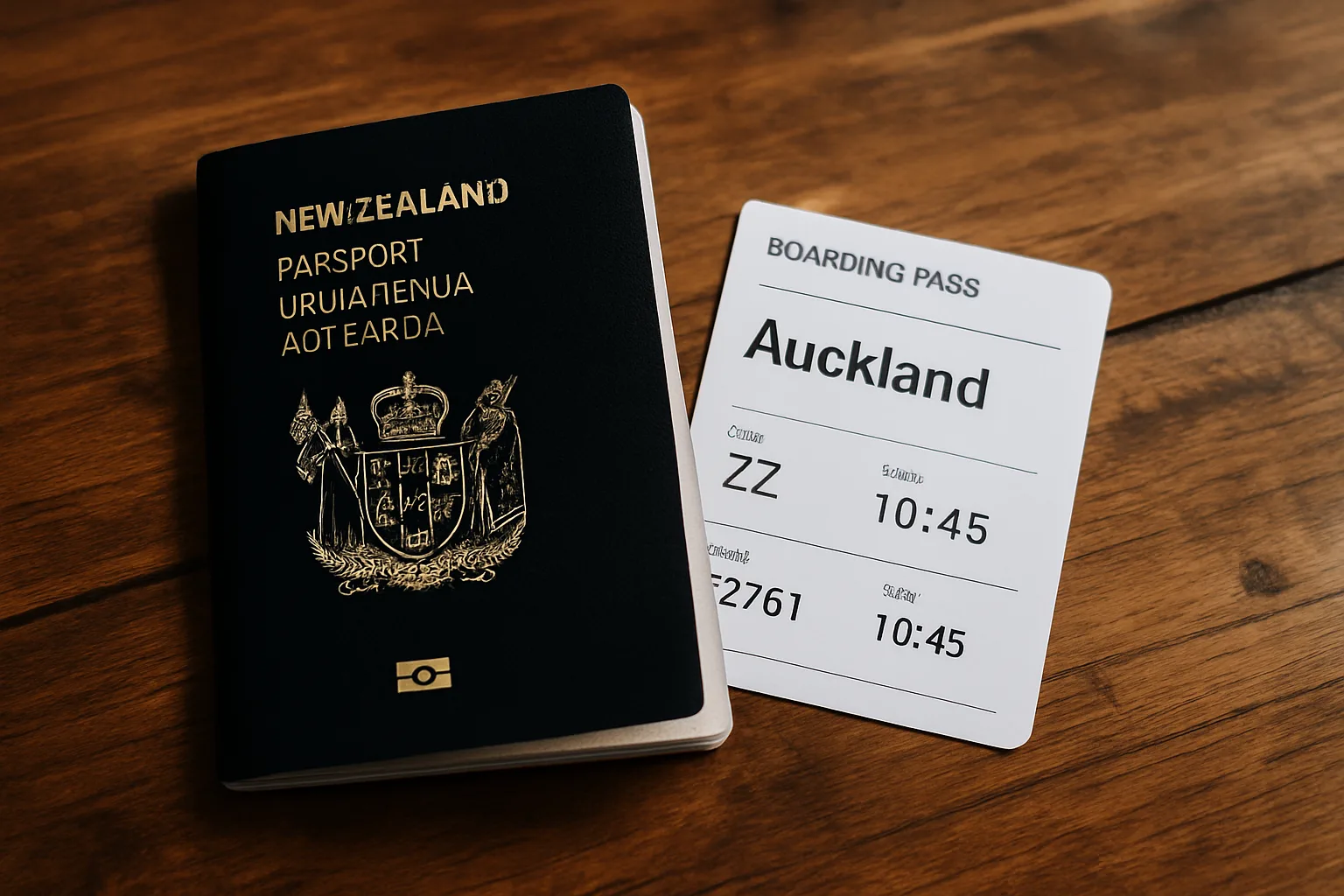
This guide covers everything Australian citizens need to know about the NZeTA — when you need one, when you don't, and how to handle the edge cases. By the end, you'll know exactly what to do before you book your flight.
Do Australian Citizens Need an NZeTA?
No, Australian citizens are exempt from the NZeTA requirement. You can travel to New Zealand on your Australian passport without applying for an NZeTA or any other visa (provided you meet standard entry requirements). This exemption is part of the Trans-Tasman Travel Arrangement, which allows Australian citizens and permanent residents to visit, live, and work in New Zealand indefinitely.
But here's the catch: the exemption applies only if you are an Australian citizen travelling on an Australian passport. If you hold a different passport — even if you're also an Australian citizen — you may need an NZeTA or a visa. More on that below.
What About Australian Permanent Residents?
Australian permanent residents (not citizens) do need an NZeTA. If you hold a valid Australian permanent resident visa but are not an Australian citizen, you must apply for an NZeTA before travelling to New Zealand. The same goes if you are a citizen of a visa-waiver country (like the UK, US, or Canada) and live in Australia — you'll need an NZeTA based on your passport nationality.
Check your visa status carefully. If you're unsure, the New Zealand Immigration website has a tool to check whether you need an NZeTA. For example, a South African citizen with Australian permanent residency must apply for an NZeTA using their South African passport.
Dual Nationality: Which Passport Do You Use?
Many Australian citizens also hold a second passport — from the UK, Ireland, South Africa, or elsewhere. If you're a dual national, the rules depend on which passport you use to enter Australia and which you plan to use for New Zealand.
Here's the rule: you must use the same passport to apply for an NZeTA that you will use to travel to New Zealand. If you enter Australia on one passport and then try to use a different passport for New Zealand, you may run into problems.
If you are an Australian citizen, you should always use your Australian passport to travel to New Zealand. That way, you don't need an NZeTA at all. But if you don't have an Australian passport (or it's expired), and you hold another nationality that is visa-waiver, you'll need to apply for an NZeTA using that passport.
Confused? Here's a quick checklist:
- Are you an Australian citizen with a valid Australian passport? → No NZeTA needed.
- Are you an Australian citizen but travelling on a foreign passport? → You may need an NZeTA (or a visa) depending on that passport's nationality.
- Are you an Australian permanent resident with a foreign passport? → You need an NZeTA if that passport is from a visa-waiver country.
How to Apply for an NZeTA (If You Need One)
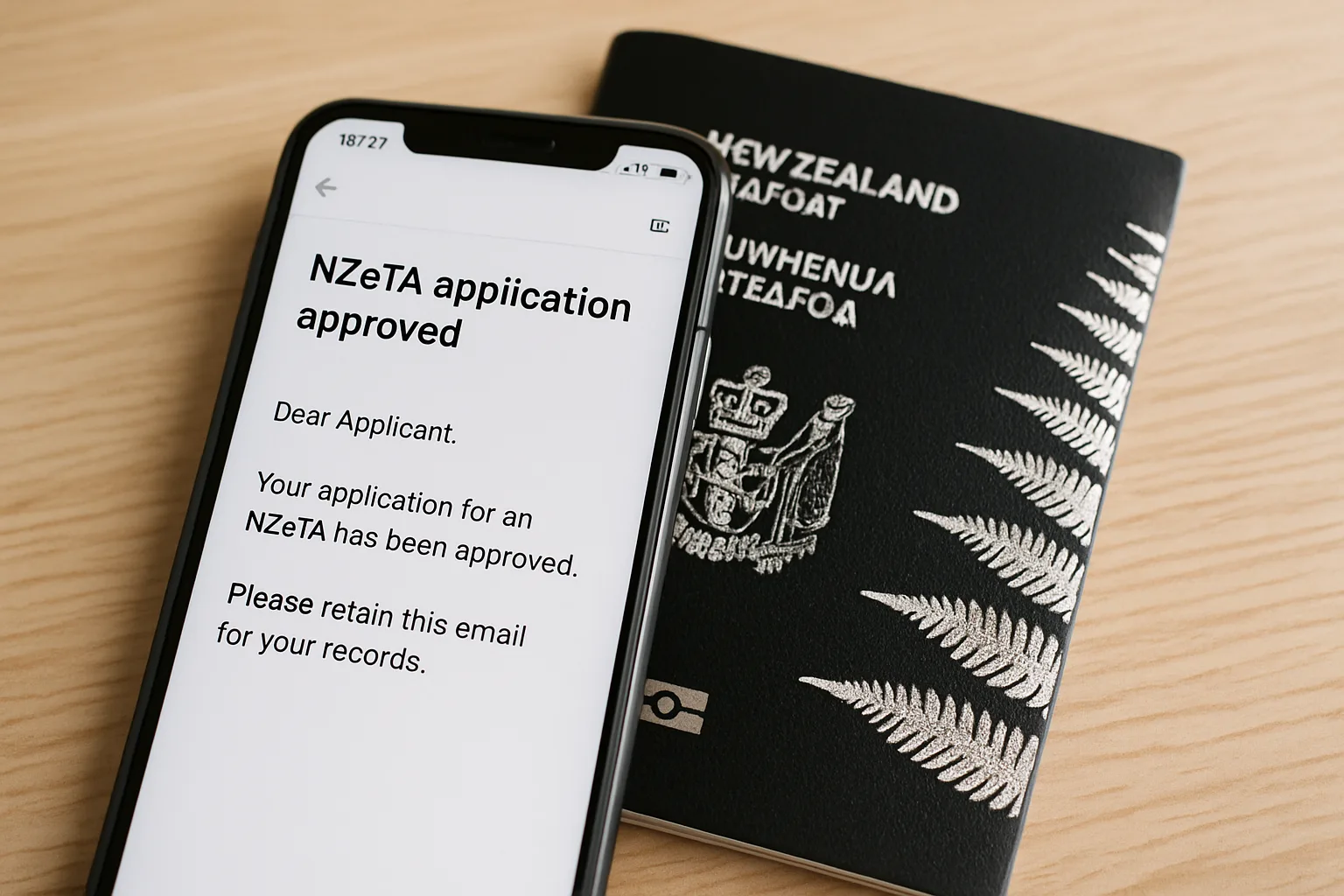
If you've determined you do need an NZeTA — for example, you're an Australian permanent resident or a dual national travelling on a non-Australian passport — the application process is straightforward. You can apply online or via the official NZeTA mobile app.
Here's a step-by-step overview:
- Go to the official New Zealand Immigration website or download the NZeTA app.
- Fill in your personal details, passport information, and travel plans.
- Pay the NZeTA fee (currently NZD $9 for the app, NZD $12 online) plus the International Visitor Conservation and Tourism Levy (IVL) of NZD $35.
- Wait for approval — most applications are processed within 72 hours, but it can take longer.
- Check your email for the confirmation. The NZeTA is linked electronically to your passport.
For a detailed walkthrough, see our nzeta application guide. And for a full breakdown of fees, check out our nzeta cost page.
What Is the NZeTA Exactly?
The NZeTA stands for New Zealand Electronic Travel Authority. It's a digital travel authorisation introduced in 2019 for citizens of visa-waiver countries who don't need a visa to visit New Zealand. Think of it as a pre-screening process — it allows New Zealand border authorities to check you before you board your flight.
The NZeTA is valid for up to 2 years (or 5 years if you're a US citizen) and allows multiple visits of up to 3 months each. You don't need to print anything; it's linked to your passport number electronically. For a full explanation, see our page on the new zealand electronic travel authority.
Who Needs an NZeTA?
You need an NZeTA if:
- You are a citizen of a visa-waiver country (e.g., UK, USA, Canada, Japan, South Korea) and are not an Australian citizen or permanent resident.
- You are an Australian permanent resident (not a citizen).
- You are a transit passenger from a visa-waiver country passing through Auckland International Airport on your way to another country.
You do not need an NZeTA if:
- You are an Australian citizen travelling on an Australian passport.
- You hold a valid New Zealand visa (e.g., a work visa or resident visa).
- You are a citizen of a country that requires a visa to visit New Zealand (you need to apply for a visitor visa instead).
Transiting Through New Zealand: Do Australian Citizens Need an NZeTA?
If you're an Australian citizen transiting through New Zealand — say you're flying from Sydney to Los Angeles via Auckland — you do not need an NZeTA, because you're exempt as an Australian citizen. However, if you are an Australian permanent resident or a citizen of another country, you may need a transit NZeTA (or a visa) even if you don't leave the airport.
Check your specific situation with your airline before you fly. For example, a Canadian permanent resident of Australia transiting Auckland would need a transit NZeTA.
What About UK Passport Holders Living in Australia?
If you hold a UK passport and live in Australia (but are not an Australian citizen), you need an NZeTA. The same applies to other visa-waiver nationalities. For more details, see our guide for nzeta uk passport holders.
Entry Requirements for Australian Citizens in New Zealand
Even though you don't need an NZeTA, you still need to meet standard entry requirements. That means:
- A valid Australian passport (with at least 3 months validity beyond your intended departure from New Zealand).
- Sufficient funds for your stay.
- A return or onward ticket.
- You must be of good character — if you have a criminal record, you may need a visa even if you're an Australian citizen.
- You must not be subject to a deportation order or other exclusion.
Border officials may ask about your travel plans, so have them ready. For instance, if you're visiting for a short holiday, be prepared to show hotel bookings and a return flight.
What If You Have a Criminal Record?
Australian citizens with a criminal record may be denied entry to New Zealand under the Trans-Tasman Travel Arrangement. If you have a conviction that carries a sentence of 12 months or more (even if suspended), or if you have been deported from any country, you may need to apply for a visa before travelling. Contact the New Zealand Immigration office or check their website for guidance.
For example, a DUI conviction with a 12-month sentence could trigger a character assessment. Always disclose your record honestly to avoid issues at the border.
How Long Can Australian Citizens Stay in New Zealand?
Australian citizens can stay indefinitely in New Zealand under the Trans-Tasman Travel Arrangement. There's no time limit. You can live, work, and study without needing any additional permits.
But if you plan to stay long-term, you may want to register for New Zealand healthcare and tax purposes.
For instance, if you move to Wellington for a job, you can start working immediately. Just ensure you have a valid passport and meet entry requirements.
What If You Overstay?
Overstaying is a serious matter. Even though Australian citizens don't need a visa, you must comply with New Zealand immigration laws. Overstaying can lead to removal, bans, and difficulties returning.
Always keep track of your travel dates.
If you accidentally overstay by a few days, contact Immigration New Zealand immediately. They may grant a temporary permit, but repeated overstays can affect future travel.
Special Cases: Australian Citizens with New Zealand Residency
Some Australian citizens also hold New Zealand residency or citizenship. If you are a New Zealand citizen, you don't need an NZeTA and can enter freely. If you hold New Zealand residency, you may need to present your resident visa label or electronic record.
Check your status with Immigration New Zealand before travel. For example, if you have a New Zealand resident visa on your Australian passport, you can skip the NZeTA entirely.
Traveling with Children: Do Australian Minors Need an NZeTA?
Australian citizen children do not need an NZeTA. They can travel on their own Australian passport. However, if a child holds dual nationality and travels on a foreign passport, they may need an NZeTA.
Always ensure children have valid passports and meet entry requirements. For example, a child with Australian and UK passports should use the Australian one for New Zealand travel.
What If You Are an Australian Citizen but Your Passport Is Expired?
If your Australian passport is expired, you cannot use it for travel. You must renew it before your trip. If you hold another nationality and that passport is valid, you may travel on it, but you'll need an NZeTA if it's from a visa-waiver country.
Renew your Australian passport well in advance. Processing times can vary, so plan ahead to avoid delays.
Understanding the Trans-Tasman Travel Arrangement
The Trans-Tasman Travel Arrangement is a unique agreement between Australia and New Zealand. It allows citizens of both countries to travel, live, and work freely across the Tasman Sea. This arrangement dates back to 1973 and has simplified travel for millions of people.
However, the arrangement does not grant automatic entry. Border officials can still refuse entry based on character or health concerns. For example, if you have a serious infectious disease, you may be denied entry even as an Australian citizen.
What Documents Do You Need to Carry?
Even without an NZeTA, you should carry certain documents when travelling to New Zealand. Your Australian passport is the most important item. Additionally, bring proof of onward travel, such as a return flight ticket.
If you are visiting for business or study, bring supporting documents like an invitation letter or enrolment confirmation. For example, a conference attendee should carry their registration details to show at the border.
Can You Work in New Zealand Without a Visa?
Yes, Australian citizens can work in New Zealand without a work visa. The Trans-Tasman Travel Arrangement allows you to take up employment immediately upon arrival. You do not need to apply for any additional permits.
However, you must still comply with New Zealand tax laws. Register for an IRD number (tax number) if you plan to work. For instance, a teacher moving from Sydney to Christchurch can start teaching as soon as they find a job.
Health Insurance for Australian Citizens in New Zealand
While New Zealand has a public healthcare system, Australian citizens are not automatically covered. You may be eligible for subsidised healthcare under the Reciprocal Health Agreement, but this covers only urgent care. For non-urgent treatment, you may need to pay.
Consider purchasing travel insurance for comprehensive coverage. For example, if you break your leg while hiking in Queenstown, insurance can cover hospital bills and evacuation costs.
Driving in New Zealand as an Australian Citizen
Australian citizens can drive in New Zealand using their Australian driver's licence. You do not need an International Driving Permit. However, you must follow New Zealand road rules, which include driving on the left side of the road.
Be aware that speed limits and road conditions differ. For example, rural roads in New Zealand can be narrow and winding. Always adjust your driving to local conditions.
Bringing Pets or Goods to New Zealand
If you plan to move to New Zealand with pets or goods, you must follow strict biosecurity rules. Australia and New Zealand have similar biosecurity standards, but you still need to declare certain items. For example, wooden items or soiled hiking boots must be declared.
Pets require quarantine and health checks. Contact the Ministry for Primary Industries (MPI) for detailed guidance. Failing to declare goods can result in fines of up to NZD $400.
What About Australian Citizens with a New Zealand Partner?
If you are an Australian citizen in a relationship with a New Zealand citizen, you still do not need an NZeTA. Your Australian passport is sufficient for entry. However, if you plan to live together in New Zealand, you may need to provide evidence of your relationship for other purposes, such as healthcare or tax registration.
For example, a couple moving from Melbourne to Auckland should bring proof of partnership, like joint bank statements or lease agreements. This can help streamline processes like enrolling with a doctor or applying for an IRD number.
Are There Any COVID-19 Related Requirements?
As of 2024, New Zealand has removed most COVID-19 travel restrictions. Australian citizens do not need to provide vaccination proof or a negative test result for entry. However, you should check the latest requirements close to your travel date, as policies can change.
For instance, during peak flu seasons, New Zealand might reintroduce health screening measures. Always verify with the New Zealand Ministry of Health or your airline before departure.
How to Check Your NZeTA Status
If you have applied for an NZeTA, you can check its status online. Use the official New Zealand Immigration website and enter your application reference number. The system will show whether your NZeTA is approved, pending, or denied.
Keep your application reference number safe. For example, if you applied via the app, you can find the number in your confirmation email. Checking the status a few days before travel ensures you have no last-minute surprises.
What to Do If Your NZeTA Is Denied
If your NZeTA application is denied, do not panic. The denial will include a reason, such as incomplete information or a character issue. You can reapply with corrected details or apply for a visitor visa instead.
For example, if the denial was due to a minor error in your passport number, simply reapply with the correct information. If the issue is more serious, like a criminal record, seek advice from Immigration New Zealand or a migration agent.
Exploring New Zealand: What Australian Citizens Can Expect
New Zealand offers a wide range of experiences for Australian visitors. From the stunning fjords of Milford Sound to the vibrant city life of Auckland, there is something for everyone. Australian citizens can explore these attractions without worrying about visa paperwork.
For example, a family from Brisbane might plan a road trip through the South Island. They can drive from Christchurch to Queenstown, enjoying scenic routes and national parks. The freedom to travel without an NZeTA makes such trips easy to organise.
Understanding the International Visitor Conservation and Tourism Levy (IVL)
The IVL is a fee that supports New Zealand's tourism infrastructure and conservation efforts. It is charged to most international visitors, including those who need an NZeTA. However, Australian citizens are exempt from paying the IVL when they enter New Zealand.
This exemption applies because of the Trans-Tasman Travel Arrangement. If you are an Australian citizen, you do not need to budget for the IVL. But if you are an Australian permanent resident, you must pay the IVL as part of your NZeTA application.
What About Australian Citizens Travelling for Business?
Australian citizens can travel to New Zealand for business purposes without an NZeTA. This includes attending meetings, conferences, or negotiating contracts. You do not need a separate business visa, as the Trans-Tasman Travel Arrangement covers such activities.
However, if you plan to work for a New Zealand employer, you may need to register for tax purposes. For instance, a consultant from Melbourne attending a week-long workshop in Wellington can enter freely. But if they decide to take up a permanent role, they must follow local employment laws.
Can Australian Citizens Study in New Zealand Without an NZeTA?
Yes, Australian citizens can study in New Zealand without an NZeTA. You can enrol in courses at universities, polytechnics, or other institutions. There is no need to apply for a student visa, as the Trans-Tasman Travel Arrangement allows you to study.
For example, a student from Sydney might pursue a degree at the University of Otago. They can start their studies immediately upon arrival. However, they should ensure they have health insurance and sufficient funds for living expenses.
Understanding the Role of the New Zealand Customs Service
When you arrive in New Zealand, you will go through customs and biosecurity checks. Australian citizens are subject to the same rules as other travellers. You must declare any food, plants, or animal products, as New Zealand has strict biosecurity laws.
For instance, if you bring a piece of fruit from Australia, you must declare it. Failure to do so can result in fines. Always check the New Zealand Customs website for a list of prohibited items before you travel.
What If You Are an Australian Citizen with a New Zealand Criminal Record?
If you have a criminal record in New Zealand, you may face additional scrutiny when entering the country. Even as an Australian citizen, border officials can deny entry based on your record. It is important to be honest about your history during the entry process.
For example, if you were convicted of theft in New Zealand years ago, you might need to apply for a special visa. Contact Immigration New Zealand for guidance on how to proceed. Always seek professional advice if you are unsure about your situation.
Frequently Asked Questions
Do I need an NZeTA if I'm an Australian citizen flying from Australia to New Zealand?
No, Australian citizens do not need an NZeTA. You can travel on your Australian passport without any prior authorisation.
I'm an Australian permanent resident with a UK passport. Do I need an NZeTA?
Yes, as an Australian permanent resident, you need an NZeTA. You should apply using your UK passport.
Can I apply for an NZeTA if I hold dual Australian and UK citizenship?
Yes, but you don't need to. If you have an Australian passport, use that and skip the NZeTA. If you only have a UK passport, you'll need an NZeTA.
How long does it take to get an NZeTA?
Most applications are processed within 72 hours. Apply at least a week before your trip to be safe.
What if my NZeTA is denied?
If your NZeTA is denied, you cannot travel to New Zealand under the visa-waiver scheme. You may need to apply for a visitor visa instead. Check the denial reason and seek advice from New Zealand Immigration.
Key Takeaways
- Australian citizens do not need an NZeTA to visit New Zealand.
- Australian permanent residents and dual nationals travelling on a non-Australian passport may need an NZeTA.
- Always check your specific situation with official sources before booking travel.
- For detailed application steps, see our nzeta application guide.
- For fee information, see our nzeta cost page.
This article is general guidance only. Always verify requirements with the New Zealand Immigration website or your nearest New Zealand embassy before travelling.
Frequently asked questions
Do I need an NZeTA if I'm an Australian citizen flying from Australia to New Zealand?
I'm an Australian permanent resident with a UK passport. Do I need an NZeTA?
Can I apply for an NZeTA if I hold dual Australian and UK citizenship?
How long does it take to get an NZeTA?
What if my NZeTA is denied?
This article is for general informational purposes only. Visa and travel authorisation rules change frequently. Always check the official government website before travelling.

Written & reviewed by
Can OTUTravel Authorisation Editor
Can OTU is the editor of ETA Travel Assistant, specialising in UK ETA, Schengen ETIAS, NZeTA and ESTA travel authorisations. Can monitors official government sources and policy updates to ensure every guide is accurate, current and genuinely useful for travellers.
View all guides →