The Complete Schengen Visa Document Checklist (2026 Update)
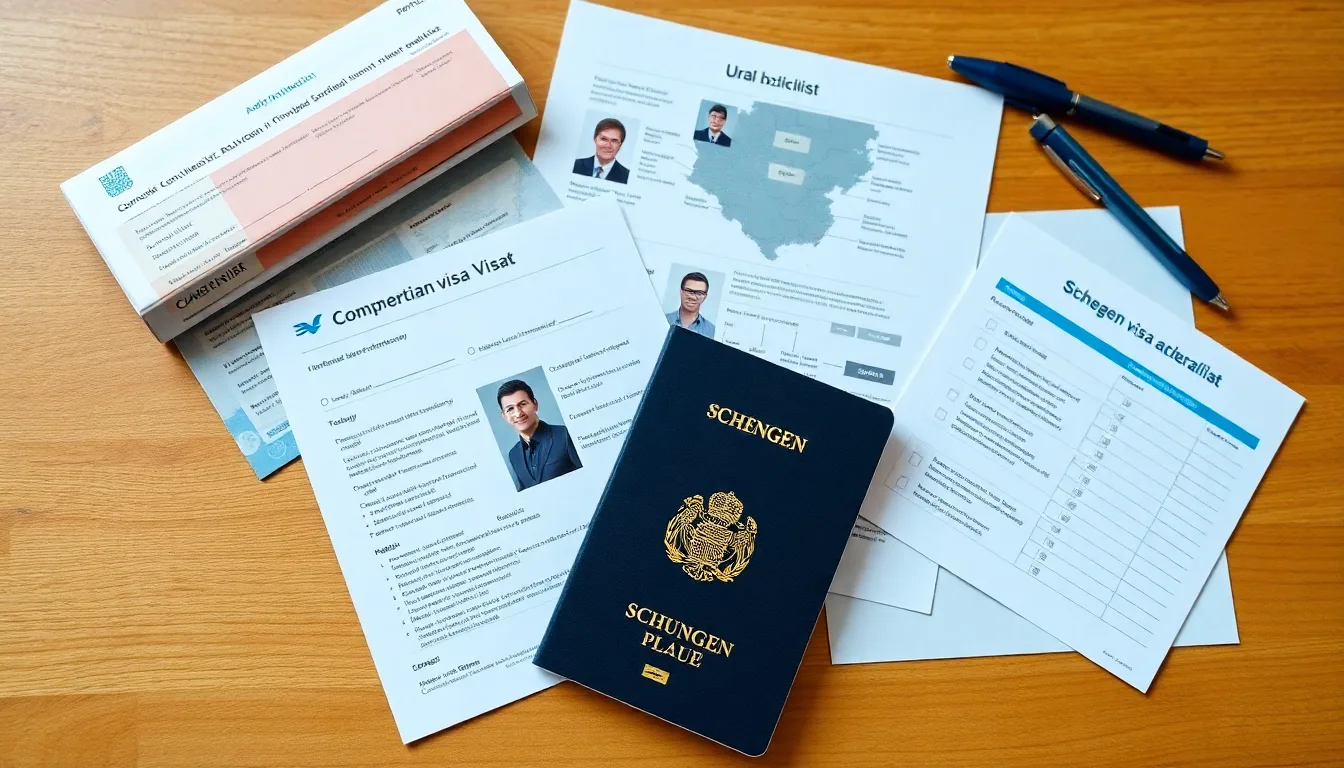
- Every Schengen country asks for the same core documents, but exact formats, page counts, and extra requirements vary by consulate — always check the specific embassy's own list before your appointment.
- Photos, insurance amounts, and passport validity are the three most common reasons a complete-looking file still gets rejected at the counter for being "incomplete."
- Book refundable flights and accommodation until your visa is actually approved — a paid, non-refundable booking is a real financial risk if anything in your file needs fixing.
Assembling a Schengen visa file feels straightforward until you're actually doing it — then the small print starts to matter. A photo that's 2mm off spec, a bank statement missing one month, an insurance policy that expires two days before your return flight: any of these can turn what looked like a complete application into a rejected one. This checklist walks through every document you need, exactly what consulates look for in each one, and the small mistakes that cause otherwise-solid applications to get bounced — so you can walk into your appointment with genuine, well-earned confidence instead of a folder full of guesswork.
The application form
Every Schengen application starts with the standard EU short-stay visa application form — the same form regardless of which country you're applying through, since it's a harmonised EU document. You can usually complete it online through the relevant consulate's visa application center portal, then print and sign it, or fill it out by hand in block capitals.
- Answer every field. Leaving a section blank rather than writing "N/A" or "none" reads as incomplete, not inapplicable.
- Make sure your signature matches your passport signature exactly.
- Double-check the visa type you're selecting (single-entry, multiple-entry, transit) matches your actual travel plans and your cover letter.
- Use the same spelling of your name, exactly as it appears in your passport, on every single document in your file.
Your passport
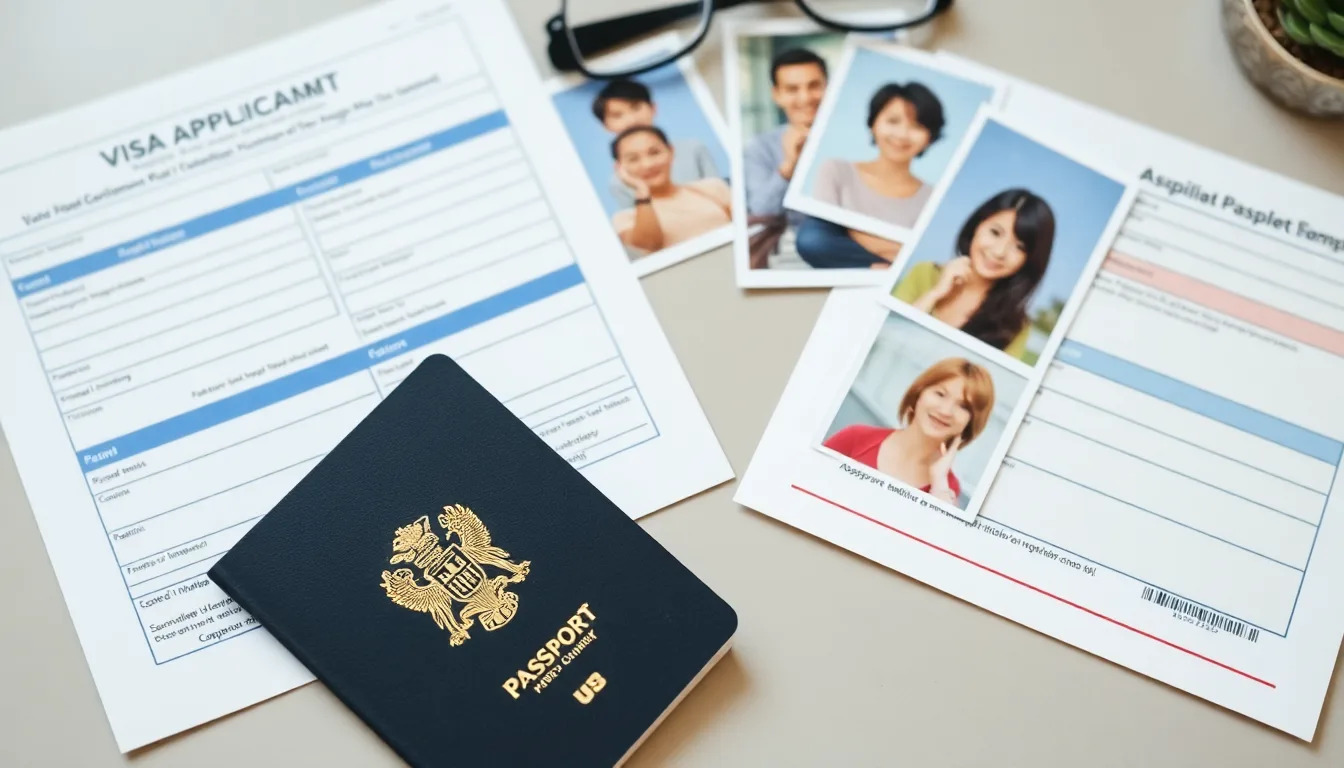
This sounds obvious, but passport issues are one of the most common reasons for an application being rejected at the counter before it's even reviewed. Your passport needs to:
- Be valid for at least 3 months beyond your planned departure date from the Schengen area.
- Have been issued within the last 10 years.
- Contain at least 2 completely blank pages for visa stickers and entry stamps.
- Not be damaged — a torn cover, water damage, or a page coming loose can all be grounds for refusal to even accept the application.
If you have an older passport with previous Schengen visas or entry stamps in it, bring that too, even though it's expired. A clean travel history — visas used correctly, no overstays — is genuinely useful supporting evidence, and consulates will often ask for it alongside your current passport.
Passport photos
Photo requirements are stricter than most applicants expect, and a photo that's technically "close enough" gets rejected more often than people assume.
- Size: typically 35mm x 45mm, though some consulates specify slightly different dimensions — always confirm with your specific application center.
- Background: plain white or light grey, no patterns, no shadows.
- Taken within the last 6 months, showing your current appearance.
- No glasses (unless medically required, in which case no glare or tinted lenses), no head covering (unless for religious reasons, in which case your full face must still be visible).
- Neutral expression, both ears visible in most cases, facing the camera directly.
- Bring 2 identical printed copies even if you also uploaded a digital version — most visa centers still want physical prints.
Photo booths inside train stations or pharmacies often don't meet visa-specific specs — use a photographer or photo service that explicitly advertises "passport and visa photos" and knows the Schengen dimensions.
If you're applying with children, each child needs their own passport photo meeting the same specifications — a family photo cropped down isn't accepted, and neither is a photo where a parent's hand is visible holding a baby steady. For infants who can't sit unsupported, most consulates accept a photo where the child is lying down as long as the background stays plain and the face is clearly visible and centered.
Travel medical insurance
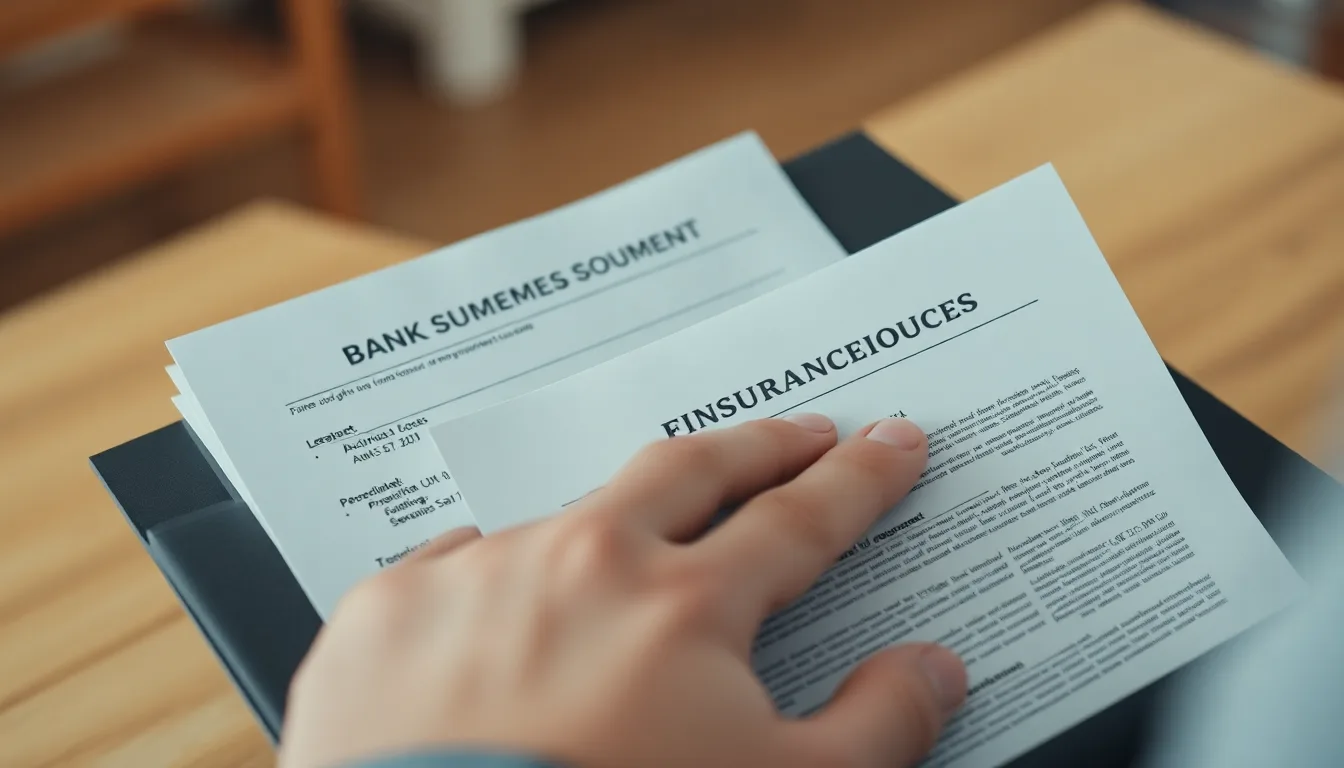
This is a frequently underestimated requirement. Your policy must:
- Cover a minimum of €30,000 for medical emergencies, hospitalization, and repatriation.
- Be valid across the entire Schengen area, not just the specific country you're visiting first.
- Cover the complete duration of your trip — every single day, including your entry and exit dates, with zero gaps.
- Be purchased and in hand before you submit your application — a quote or "intent to buy" isn't accepted.
A common and completely avoidable mistake: buying insurance that covers your trip dates but expires the same day you plan to fly home, with no buffer for a delayed return. Add a few days of buffer coverage on either end where your budget allows.
Flight reservation
You typically don't need a fully paid, non-refundable ticket — a confirmed, refundable flight reservation is normally sufficient and considerably safer.
- Get a round-trip reservation showing your planned entry and exit dates from the Schengen area.
- If your trip covers several countries, make sure any internal flights, trains, or ferries between them are also reflected somewhere in your itinerary — it doesn't need a full reservation each, but the movements should be consistent with your accommodation dates in each location.
- Make sure the reservation is genuinely holdable or refundable — some travel agencies offer "dummy ticket" services specifically for visa applications, which are refundable reservations rather than purchased flights.
- Avoid buying a real, non-refundable ticket before your visa is approved. If your application is refused or your travel dates change, you lose that money with no recourse.
Proof of accommodation
Your file needs to show where you'll be staying for every single night of your trip, with no unexplained gaps.
- Hotel or Airbnb bookings — again, ideally free-cancellation reservations rather than prepaid, non-refundable ones.
- If staying with friends or family, a formal invitation letter (sometimes called an "attestation d'accueil" in France or similar names elsewhere) from your host, including their ID or residence permit copy. This document usually needs to be fairly recent and, in some countries, officially registered at a local town hall or police station before it counts as valid — check your host country's specific process well in advance, since registration can take a few weeks.
- If your itinerary covers multiple cities or countries, accommodation proof for each leg, with dates that line up exactly with your stated travel plan.
Proof of financial means
Consulates need to see you can actually afford the trip without needing to work illegally or overstay to cover costs.
- Bank statements covering the last 3 to 6 months (check the specific requirement for your consulate), showing a stable, explainable balance.
- Enough funds to cover the official daily minimum for your destination country, multiplied by the length of your stay — this figure is set individually by each Schengen state and typically falls somewhere between €45 and €120 per day.
- If someone else is sponsoring your trip, a formal sponsorship letter plus the sponsor's bank statements and proof of your relationship.
- A payslip or employment income letter, if relevant, showing regular income beyond just a bank balance snapshot.
How much money do you actually need to show?
This is the question that causes the most anxiety, and the honest answer is: it depends on your destination, your trip length, and whether someone else is sponsoring part of your costs. Each Schengen country publishes its own minimum daily amount that applicants are expected to show they can cover — France, for instance, has historically required a higher daily minimum than some Central or Eastern European member states.
A rough way to think about it: multiply the destination's published daily minimum by the number of days you'll spend in the Schengen area, then make sure your available balance comfortably exceeds that figure — not just meets it exactly. Consulates read a balance that barely scrapes the minimum as a weaker signal than one with a clear buffer, since it suggests less financial cushion if anything about the trip changes.
If you're staying with family or friends who are covering your costs, a sponsorship letter (sometimes called a "letter of guarantee" or "prise en charge" depending on the country) shifts the financial proof requirement onto the sponsor rather than you — but you'll still usually need to show the relationship between you and the sponsor clearly, along with their own proof of funds.
Proof of employment or study status
This document does double duty — it proves your financial stability and your ties to home at the same time.
- Employed applicants: an employer letter confirming your position, salary, length of employment, and approved leave dates for the trip.
- Self-employed applicants: business registration documents and recent tax filings.
- Students: an enrollment letter confirming current study status and expected return to classes after the trip.
- Retirees: a pension statement or equivalent proof of ongoing income.
- Unemployed applicants: this is a genuinely harder case, and there's no way around it — a letter explaining your situation, proof of any other income source, and stronger evidence of ties to home (property, dependents, an ongoing course of study, or a return ticket already booked) all help offset the absence of a standard employment letter.
Travel itinerary and cover letter
Your cover letter ties every other document together into one coherent story: who you are, why you're travelling, where you're going, when, and why you'll return home afterward. Keep it to one page, be specific about dates and destinations, and directly reference your supporting documents rather than repeating vague claims the paperwork already proves.
A day-by-day itinerary — even a simple one — helps too, especially if you're visiting multiple countries or cities. It gives the officer a concrete picture of your trip rather than a general intention.
Structure the cover letter in a logical order: start with who you are and your occupation, state your travel dates and purpose clearly, briefly describe your day-by-day plan or main activities, confirm your accommodation and how you're funding the trip, and close with a clear statement of your ties to home — your job, family, or ongoing commitments that make your return straightforward. Officers read dozens of these a day, so a letter that's organized and easy to scan works in your favor simply by being easy to process quickly.
If your trip includes multiple purposes — say, a few days of tourism followed by a business meeting — say so plainly and support each part with the relevant documents (a hotel booking for the tourism leg, an invitation letter for the business leg). Trying to simplify a mixed-purpose trip into a single category, when your supporting documents actually show something different, is a common source of the "documents not consistent with stated purpose" refusal ground.
Civil status documents, where relevant
- Travelling with children: birth certificates and, if only one parent is travelling, notarized consent from the other parent.
- Married applicants travelling under a different surname than shown on supporting documents: marriage certificate.
- Divorced or widowed applicants where documents reference a prior status: the relevant certificate explaining the discrepancy.
- Adopted children or those in the care of a legal guardian: adoption papers or guardianship documentation, alongside the standard consent letter if one guardian is travelling without the other.
These civil status documents get overlooked more often than any other category on this list, mainly because applicants assume they only matter for unusual situations. In practice, even a small mismatch — travelling with a child whose surname differs from yours, for instance — can trigger a request for additional paperwork at the counter, which either delays your appointment or forces a second visit. Gathering these documents up front, even when you're not sure they'll be asked for, saves a real headache later.
Why the same checklist produces different outcomes at different consulates
One of the more confusing things about Schengen applications is that the ten core categories above are genuinely universal — every member state requires some version of each — but the specific expectations layered on top of them vary a surprising amount. A German consulate might want your bank statements formatted with an official stamp on every page. A French visa center might accept a simple PDF export.
Some consulates want your documents in a specific order, tabbed and labeled; others are far more relaxed about presentation as long as everything is there.
This isn't inconsistency for its own sake — each Schengen state runs its own consular service and sets its own internal procedures, even though they're all applying the same underlying EU visa code. The practical takeaway is simple: treat this checklist as your master list of categories to prepare, but always cross-check the exact formatting, page counts, and any country-specific extras against the official website of the embassy or outsourced visa application center (VFS Global, TLScontact, or similar) you'll actually be submitting through. A document that would sail through in one country can get flagged as "improperly presented" in another, even though nothing about its substance changed.
It's also worth checking whether your specific nationality triggers any additional requirements. Some consulates ask applicants from certain countries for extra proof of ties to home, additional financial documentation, or a longer processing buffer — none of which will show up on a generic checklist like this one, but all of which will be listed clearly on the relevant consulate's own application guidance.
How to physically organize your application file
Presentation matters more than most first-time applicants expect. A file that's easy for an officer to review quickly tends to move through the process more smoothly than one where they have to hunt for each document.
- Put your application form and passport photo on top, since these are usually checked first.
- Group related documents together — all financial proof in one section, all accommodation proof in another — rather than mixing categories together in the order you happened to collect them.
- Use a simple cover sheet or tabbed folder if your consulate doesn't provide a checklist envelope, so an officer can see at a glance that everything is present.
- Bring both originals and photocopies of everything — some consulates keep the copies and only glance at the originals for verification, others do the reverse, and you don't want to find out which on the day with nothing to hand over.
- Keep a personal copy of your entire submitted file. If anything goes wrong later — a lost document, a request for clarification, or a refusal you want to appeal — having your exact submission on hand is invaluable.
Common mistakes that delay or sink an otherwise strong application
- Submitting documents in a language the consulate doesn't accept, without a certified translation. Most consulates require translations into their own language or English, done by an approved or certified translator, not a casual bilingual friend.
- Letting documents go stale. A bank statement or employment letter that's several months old by the time of your actual appointment can raise questions about whether your situation has changed since it was issued. Time your document collection to land close to your submission date.
- Applying too early or too late. Most Schengen visas can be submitted up to 6 months before travel (some categories allow 9), but not more than 15 days before your trip at the earliest end. Applying too close to your travel date leaves no room to fix problems if something comes back incomplete.
- Ignoring the specific visa center's appointment and document-submission quirks. Some require online pre-registration before you can even book a slot; others require exact cash payment with no cards accepted. These logistics catch out otherwise well-prepared applicants regularly.
- Assuming one country's requirements apply everywhere. If you're eligible to apply through more than one Schengen country (for a multi-country trip, you generally apply through the country where you'll spend the most nights, or your first point of entry if time is split evenly), don't assume the checklist from a different country's embassy website applies to the one you're actually using.
- Forgetting to sign every page that requires a signature, including any declaration or consent forms bundled with the main application — an unsigned page is one of the fastest ways to have a file sent back for correction, costing you another appointment slot.
Key takeaways
- The ten core Schengen documents are the same everywhere, but exact formats and extra requirements vary by consulate — always confirm with the specific embassy or visa center you're applying through.
- Passport validity, photo specs, and insurance coverage amounts are the three most common reasons a seemingly complete file gets rejected as incomplete.
- Keep flights and accommodation refundable until your visa is approved — never buy non-refundable travel before approval.
- Your cover letter and itinerary should tie every other document together into one consistent, specific story.
- Bring your old passport with prior Schengen visas or stamps, even expired — a clean travel history genuinely helps.
- Organize your file logically before your appointment and keep a personal copy of everything you submit, in case you need it later for a follow-up request or an appeal.
This article provides general guidance, not official advice — always verify the exact document list with the official consulate or visa application center website for the specific country you're applying to before your appointment.
Frequently asked questions
Quick answers on the documents that trip people up most.
Frequently asked questions
How many months of bank statements do I need for a Schengen visa?
Do I need to buy a real flight ticket for a Schengen visa application?
What travel insurance coverage amount do I need for a Schengen visa?
How old can my passport photo be for a Schengen visa application?
Can I use the same document checklist for every Schengen country?
This article is for general informational purposes only. Visa and travel authorisation rules change frequently. Always check the official government website before travelling.

Written & reviewed by
Can OTUTravel Authorisation Editor
Can OTU is the editor of ETA Travel Assistant, specialising in UK ETA, Schengen ETIAS, NZeTA and ESTA travel authorisations. Can monitors official government sources and policy updates to ensure every guide is accurate, current and genuinely useful for travellers.
View all guides →