UK ETA Fee Refund: Can You Get Your Money Back After Rejection?
This article explains exactly why the fee is non-refundable, what happens to your money, and what you can do if your ETA is rejected. We'll also cover some common scenarios where people think they deserve a refund – spoiler: you probably don't qualify. Let's get into it.
Remember: this is general guidance. Always check the official UK government ETA page for the most up-to-date rules before you travel.
How Much Does a UK ETA Cost?
The UK ETA costs £20 per person as of 2025. That's a flat fee for each application, whether you're approved or not. You pay it when you apply online, and it's non-refundable from the moment you submit.
Here's a quick breakdown of typical costs:
| Scenario | Fee | Refund if Rejected? |
|---|---|---|
| Single ETA application (adult) | £20 | No |
| Single ETA application (child under 18) | £20 | No |
| Group application (per person) | £20 each | No |
| Application withdrawn before decision | £20 | No |
| Duplicate application (accidental) | £20 each | No |
As you can see, the fee is the same for everyone and every outcome. The UK government treats the ETA fee as an administrative charge for processing your application, not a payment for a guaranteed result. That's why you don't get a refund if you're rejected.
For more detail on costs, check out our guide on how much does a UK ETA cost.
Why Is the UK ETA Fee Non-Refundable?
The UK Home Office clearly states that the ETA fee is not refundable under any circumstances. This isn't unique to the UK – most digital travel authorisation schemes (like the US ESTA or upcoming EU ETIAS) have the same policy. Here's why:
- It's an administrative fee: The £20 covers the cost of processing your application, checking your details against security databases, and issuing the authorisation.
That work happens whether you're approved or not.
- It discourages frivolous applications: If refunds were available, people might apply without checking eligibility first, clogging up the system. A non-refundable fee encourages applicants to be sure they qualify before paying.
- It's standard practice: Visa and travel authorisation fees are almost always non-refundable. It's the same for US ESTA ($21), Canadian eTA ($7 CAD), and Australian ETA (AUD $20).
So when you pay the £20, you're paying for the application process itself, not for a successful outcome.
That's a key distinction to understand.
How the Fee Covers Processing Costs
Every application triggers an automated check against multiple government databases. This includes passport records, criminal history systems, and security watchlists. The system also verifies your identity and travel history.
These checks require infrastructure, staff, and ongoing maintenance. The £20 fee helps fund these operations. Even a rejected application still uses these resources.
Think of it like a toll road. You pay the toll to use the road, regardless of whether you reach your destination. The fee covers the journey, not the outcome.
What Happens to Your Fee After a Rejection?
If your UK ETA is rejected, the £20 fee is kept by the Home Office. You won't get a refund, and you can't transfer it to another application (for example, if you reapply with corrected information). Each new application requires a fresh £20 payment.
Think of it like a non-refundable booking fee for a hotel – you pay to secure the room, but if you cancel or don't show up, you don't get your money back. Here, you're paying to have your application considered. If the answer is no, the fee still covers the work done.
Where Does the Money Go?
The fee goes directly to the UK government's general budget for border security and immigration services. It helps fund the development and maintenance of the ETA system itself. This includes software updates, customer support, and security enhancements.
Some of the money also supports training for border officers and system administrators. The goal is to keep the process efficient and secure for all travellers. Your £20 contributes to this broader system.
Even if your application is rejected, your fee still helps improve the system for future applicants. That's a small consolation, but it's the reality of how these fees work.
Are There Any Exceptions to the No-Refund Rule?
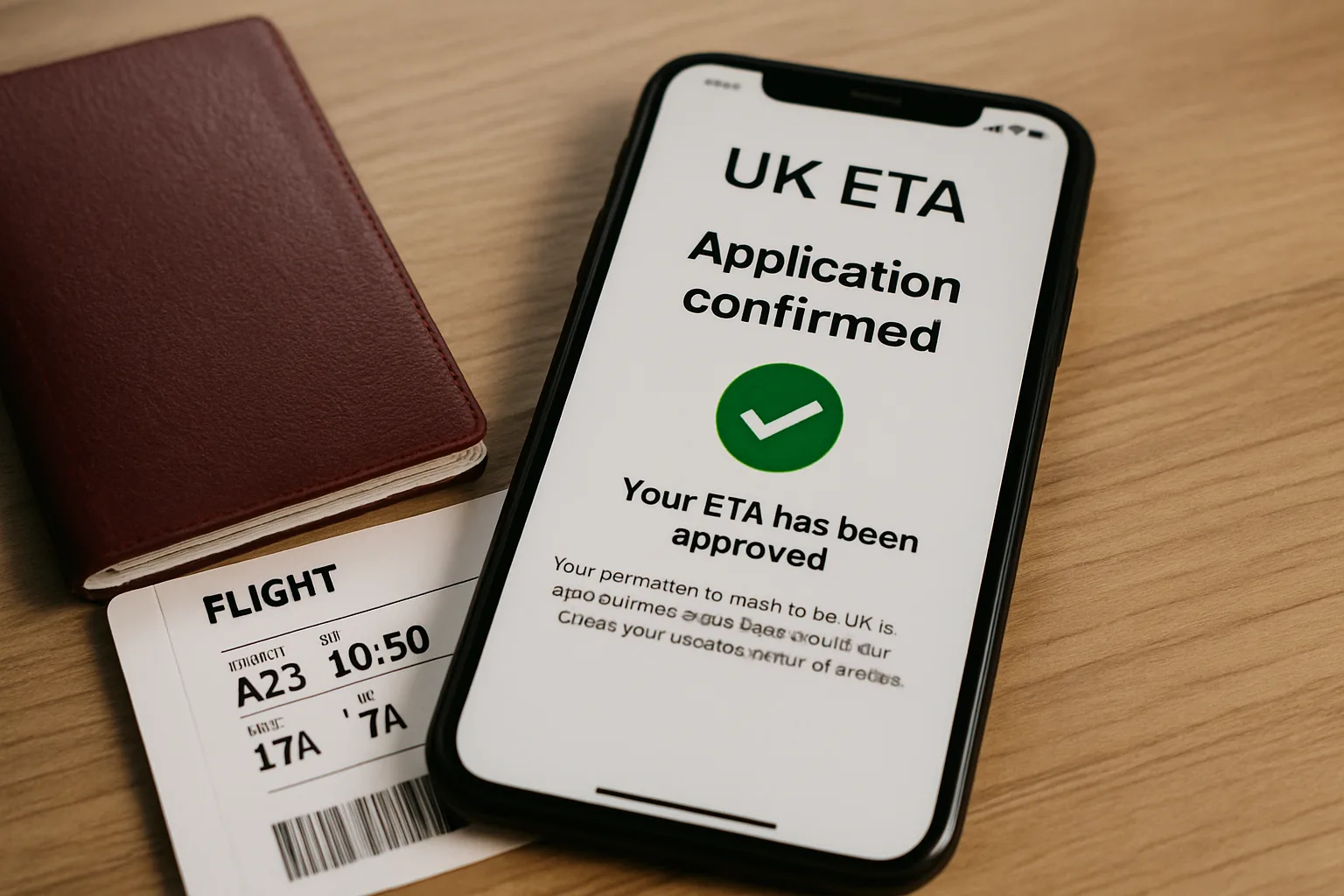
Very few. The UK Home Office does not list any exceptions for refunds on rejected ETAs. However, there are a couple of rare scenarios where you might get your money back:
- Duplicate payment: If you accidentally paid twice for the same application (e.g., a system glitch), you can contact the Home Office to request a refund for the duplicate. This isn't a refund for rejection – it's correcting a billing error.
- Application withdrawn before processing: In theory, if you withdraw your application immediately after submission (before any processing begins), you might receive a refund. But in practice, the system processes applications instantly, so there's almost no window to withdraw. Don't count on this.
For all other situations – rejection, cancellation, change of plans – the fee is gone. There's no appeal process that includes a refund either. If you appeal a rejection (which is possible in some cases), you still won't get the £20 back even if the appeal succeeds.
What About System Errors on the Home Office's Part?
If the rejection was caused by a technical error on the Home Office's side, you might hope for a refund. However, the policy does not make exceptions for system glitches. You would need to reapply with a new fee.
For example, if the system incorrectly flagged your name due to a database error, the Home Office will not refund the fee. They will simply advise you to submit a new application. This can be frustrating, but it's the current policy.
If you believe a system error occurred, document everything. Save screenshots, confirmation emails, and any error messages. This evidence may help if you escalate the issue, but a refund is still unlikely.
What Should You Do If Your UK ETA Is Rejected?
Getting a rejection is frustrating, especially since you've lost £20. But don't panic. Here's what to do next:
- Check the rejection reason: The Home Office will usually tell you why your application was refused. Common reasons include incorrect passport details, criminal history, or security concerns. Understanding the reason helps you decide your next step.
- Review your application: Double-check every detail you entered – name, passport number, date of birth, etc. A simple typo can cause a rejection. If you find an error, you can reapply with the correct information. But you'll need to pay another £20.
- Consider reapplying: If the rejection was due to a mistake or missing information, you can submit a new application. Make sure everything is accurate this time. There's no limit on how many times you can apply, but each attempt costs £20.
- Check if you need a visa instead: Some travellers who are refused an ETA may actually need a full visa. For example, if you have a criminal record, you might not be eligible for an ETA and need to apply for a Standard Visitor visa. That's a separate, more expensive process (around £115).
- Contact the Home Office: If you believe the rejection was an error (e.g., you have no criminal record but were flagged), you can try contacting UK Visas and Immigration. But be prepared – they may not reconsider without a new application.
For a full list of what you need to apply, see our page on uk eta application requirements.
Should You Reapply Immediately?
If the rejection was due to a simple error like a typo, reapplying right away is fine. Just make sure you correct the mistake. However, if the rejection was due to a criminal record or security concern, reapplying without addressing the issue will lead to another rejection.
In such cases, consider whether you need a visa instead. A Standard Visitor visa has a more thorough review process and may be more appropriate. Consulting an immigration advisor can help you decide.
Remember, each reapplication costs £20. If you're unsure about your eligibility, it's better to check first than to waste money on multiple failed attempts.
Can You Appeal a UK ETA Rejection?
There is no formal appeal process for a UK ETA rejection. The decision is final. However, you can submit a new application if you have new information or if you believe the original decision was based on incorrect data.
This is not an appeal – it's a fresh application with a new fee.
If you think the rejection was due to a mistake in your background check (e.g., you share a name with someone on a watchlist), you may need to apply for a visa instead, which has a more thorough review process. But again, no refund on the ETA fee.
What About a Letter of Explanation?
Some travellers wonder if they can submit a letter explaining their situation. The ETA system does not accept additional documents or explanations. The application is purely digital and based on the information you provide.
If you have a complex situation, such as a past conviction that was spent or expunged, the ETA system may not account for it. In that case, a visa application with supporting documents is your best option.
Again, this does not entitle you to a refund of the ETA fee. The £20 is lost regardless of the outcome.
How to Avoid a UK ETA Rejection
The best way to avoid losing £20 (and the stress of a rejection) is to make sure your application is correct the first time. Here are some tips:
- Use the exact details from your passport: Your name, date of birth, and passport number must match your passport exactly. Even a missing middle name can cause issues.
- Check your passport expiry date: Your passport must be valid for the duration of your stay. The ETA is linked to your passport number, so if your passport expires, the ETA becomes invalid.
- Answer all questions honestly: The application asks about criminal history, previous immigration violations, and other sensitive topics. Lying can lead to a rejection and a ban from future travel.
- Apply in advance: Don't wait until the last minute. The Home Office recommends applying at least 72 hours before travel, but processing can take longer in some cases. Give yourself plenty of time to reapply if needed.
For a full list of who needs an ETA, check our guide on who needs a uk eta.
Double-Check Your Passport Details
A common mistake is entering your name in the wrong order. For example, if your passport lists "John Michael Smith," you must enter it exactly as shown. Do not swap first and middle names.
Also, check the passport number carefully. Some passports use letters and numbers, while others use only numbers. A single typo can trigger an automatic rejection.
Take a photo of your passport information page and compare it to your application before submitting. This simple step can save you £20 and a lot of frustration.
What If You Change Your Travel Plans?
If you're approved for an ETA but then change your travel plans – for example, you decide not to go to the UK, or your flight is cancelled – you still won't get a refund. The ETA is valid for two years (or until your passport expires, whichever is sooner), so you can use it for a future trip. But if you never use it, the fee is non-refundable.
Similarly, if you accidentally apply for an ETA when you don't need one (e.g., you're a UK citizen who doesn't require an ETA), you won't get a refund. Always check your eligibility before applying.
Can You Transfer an ETA to Another Person?
No, ETAs are non-transferable. They are linked to your specific passport number and biometric data. You cannot give or sell your ETA to someone else.
If you cancel your trip, the ETA remains valid for you to use later. But if you lose your passport or get a new one, the ETA becomes invalid. You would need to apply for a new ETA with your new passport.
This is another reason to apply only when you are certain about your travel plans. Changing passports or plans can result in losing the fee.
How Does the UK ETA Compare to Other Travel Authorisations?
The UK ETA is similar to other digital travel authorisation schemes in terms of refund policy. Here's a quick comparison:
| Scheme | Fee | Refund if Rejected? |
|---|---|---|
| UK ETA | £20 | No |
| US ESTA | $21 | No |
| Canada eTA | $7 CAD | No |
| Australia ETA | AUD $20 | No |
| EU ETIAS (from 2025) | €20 | No |
As you can see, non-refundable fees are the norm. No country offers a refund if your application is rejected. So the UK is not an outlier here.
Why Are These Fees Non-Refundable Worldwide?
Travel authorisation systems are designed to be quick and automated. Offering refunds would require manual review and administrative overhead. This would increase costs and slow down processing.
Additionally, refunds could encourage abuse. People might apply without proper documentation, hoping to get their money back if rejected. A non-refundable fee discourages this behaviour.
The global standard is clear: you pay for the application process, not for a guaranteed approval. This policy is consistent across all major travel authorisation schemes.
Can You Get a Refund for a Duplicate or Incorrect Application?
If you accidentally submit two applications for the same person (e.g., you applied twice by mistake), you may be able to get a refund for the duplicate. You'll need to contact the Home Office and explain the error. But this is only for duplicate payments – not for rejections.
If you made a mistake on your application and it was approved, but you then realise the information is wrong, you cannot get a refund to correct it. You would need to apply for a new ETA with the correct details, paying another £20.
How to Request a Refund for a Duplicate Payment
Contact UK Visas and Immigration through the official gov.uk contact form. Provide your application reference numbers and payment details. Explain that you submitted two applications for the same person by mistake.
The Home Office will review your request. If they confirm the duplicate, they may issue a refund for one of the payments. This process can take several weeks, so be patient.
Remember, this only applies to duplicate payments for the same person. If you applied for two different people, each application is separate and non-refundable.
What If Your ETA Is Approved but You Can't Travel?
Even if your ETA is approved, the fee is non-refundable if you decide not to travel. The ETA remains valid for two years, so you can use it for another trip. But if you never use it, the £20 is gone.
There's no way to get it back.
This is another reason to be sure you need an ETA before applying. If you're unsure, check the official eligibility criteria or use our guide on who needs a uk eta.
What If Your Flight Is Cancelled?
If your flight is cancelled and you decide not to travel at all, the ETA fee is still non-refundable. However, you can use the ETA for a future trip within the two-year validity period.
If you rebook your flight for a later date, the ETA should still be valid. Just make sure your passport hasn't expired. If you get a new passport, you'll need to apply for a new ETA.
Always check your ETA status before rebooking. You can log into the application portal to confirm it's still active.
Common Misconceptions About UK ETA Refunds
Many travellers assume that a rejection means a refund is automatic. This is not true. The fee is for processing, not for approval.
Another misconception is that you can dispute the charge with your bank or credit card company. Banks rarely reverse legitimate government fees. Even if you try, the Home Office will not honour a chargeback.
Some people think that if the rejection is an error on the Home Office's part, they deserve a refund. In practice, the Home Office does not offer refunds for system errors. You would need to reapply with a new fee.
Why Do People Think They Deserve a Refund?
It's natural to feel that you paid for a service and didn't receive it. But the ETA is not a product – it's a permission to travel. The fee covers the vetting process.
For example, imagine you pay for a background check for a job. If the check reveals something that disqualifies you, you don't get that fee back. The same logic applies here.
Understanding this can help you manage expectations. The £20 is a small price for the security checks that protect UK borders.
How Long Does It Take to Process a UK ETA Application?
Most UK ETA applications are processed within minutes. However, some can take up to 72 hours or longer. If your application is rejected, you will usually receive an email notification quickly.
If you haven't heard back after 72 hours, check your spam folder. You can also log into the application portal to check the status. But remember: no refund is given for processing delays.
Applying early gives you time to reapply if needed. Waiting until the last minute increases the risk of missing your flight and losing the fee.
What Causes Processing Delays?
Delays can happen if your application requires manual review. This might occur if your name matches a watchlist entry or if your passport details are unusual. The system may flag your application for additional checks.
In rare cases, technical issues with the application portal can cause delays. If you experience a delay, don't panic. Just wait for the email notification or check the portal.
If you haven't heard back after 72 hours, contact the Home Office support team. They can check the status of your application. But again, no refund is available for delays.
What Are the Most Common Reasons for UK ETA Rejection?
Rejections often happen due to simple errors. Here are the top reasons:
- Passport details mismatch: A typo in your name or passport number can trigger a rejection. Always double-check before submitting.
- Criminal record: Certain criminal convictions make you ineligible for an ETA. You may need a visa instead.
- Previous immigration violations: Overstaying a visa or being deported from the UK can lead to rejection.
- Security concerns: If your name matches a watchlist entry, your application may be refused.
- Incomplete application: Missing fields or incorrect answers can cause automatic rejection.
Each rejection reason requires a different response. For example, a typo is easy to fix with a new application. A criminal record may require a full visa.
Can You Reapply After a Rejection?
Yes, you can reapply as many times as you want. But each new application costs £20. There is no limit on the number of attempts.
If you reapply, make sure you correct the issue that caused the rejection. Submitting the same incorrect information will lead to another rejection and another lost fee.
For complex cases, consider consulting an immigration advisor. They can help you determine if an ETA is appropriate or if you need a visa.
What Is the Difference Between an ETA and a Visa?
An ETA is a digital travel authorisation for short stays (up to 6 months). It is not a visa. A visa is a more comprehensive permission that requires a longer application process.
If your ETA is rejected, you may still be eligible for a Standard Visitor visa. This visa costs around £115 and involves more paperwork. However, it has a formal appeal process.
Choosing the right route is important. Applying for an ETA when you need a visa will result in rejection and loss of the £20 fee.
When Should You Apply for a Visa Instead?
If you have a criminal record, especially for serious offences, you are likely ineligible for an ETA. A Standard Visitor visa allows for a more detailed review of your circumstances.
Similarly, if you have previously been deported or refused entry to the UK, you should apply for a visa. The ETA system is not designed to handle complex immigration histories.
Consult the official UK government website or an immigration advisor to determine which route is best for you. This can save you money and time in the long run.
How to Check Your UK ETA Application Status
You can check your application status online through the official UK government portal. You will need your application reference number and passport details.
If your application is approved, you will receive an email confirmation. If it is rejected, the email will include the reason. Keep this email for your records.
Checking your status early can help you plan. If you see a rejection, you can start the reapplication process immediately.
What If You Don't Receive a Notification?
If you haven't received an email within 72 hours, check your spam or junk folder. Sometimes automated emails are filtered incorrectly. Also, ensure you entered the correct email address on your application.
If you still can't find the notification, log into the application portal. The status should be displayed there. If the portal shows no update, contact the Home Office support team.
Do not assume your application is approved just because you haven't heard back. Always verify the status before making travel arrangements.
What If You Applied for the Wrong Person?
If you accidentally applied for a family member with incorrect details, you cannot transfer the fee. Each person needs their own application, and each application costs £20.
For example, if you applied for your child but used the wrong date of birth, you must submit a new application. The old fee is non-refundable.
To avoid this, carefully review all information before paying. Group applications require separate checks for each traveller.
How to Handle Group Applications
When applying for a group, submit each application individually. Do not assume that one application covers everyone. Each person must have their own ETA linked to their own passport.
If you make a mistake on one person's application, only that application is affected. The others can proceed as normal. But the incorrect application's fee is still non-refundable.
Double-check each application before submitting. It's better to take a few extra minutes than to lose £20 per mistake.
Can You Get a Refund for a Technical Glitch?
Technical glitches are rare but possible. If the payment went through but the application was not submitted, you may be eligible for a refund. Contact the Home Office support team immediately.
However, if the application was submitted and then rejected, a glitch is not a valid reason for a refund. The Home Office will treat it as a standard rejection.
Always take screenshots or save confirmation emails. This evidence can help if you need to dispute a technical issue.
What Counts as a Technical Glitch?
A glitch might include a payment error that charged you twice, or a system crash that prevented submission. If you have proof of the glitch, such as an error message or bank statement, include it in your refund request.
But if the application was submitted successfully and then rejected, it's not considered a glitch. The system worked as intended, even if the outcome was unfavourable.
Technical issues are frustrating, but they rarely result in refunds. Always document your application process to protect yourself.
How to Contact the UK Home Office About a Refund
If you believe you qualify for a refund (e.g., duplicate payment), you can contact UK Visas and Immigration. Use the official contact form on the gov.uk website.
Be prepared to provide your application reference number, payment details, and a clear explanation. Response times vary, so be patient.
For most travellers, contacting the Home Office about a refund will not result in money back. The policy is strict, and exceptions are rare.
What Information Should You Include?
When contacting the Home Office, include your full name, passport number, and application reference number. Also provide the date of payment and the amount charged.
Explain clearly why you believe a refund is due. For example, if you paid twice, state that you submitted a duplicate application. Attach any supporting evidence, such as bank statements or screenshots.
Keep your communication polite and professional. The Home Office receives many requests, and a clear, concise message is more likely to be processed quickly.
What Are the Alternatives to a UK ETA?
If you are not eligible for an ETA, you may need a Standard Visitor visa. This visa allows longer stays and more flexibility. It costs more but has a formal review process.
Some travellers may also qualify for the UK's Electronic Visa Waiver (EVW) scheme. However, the EVW is being phased out in favour of the ETA. Check the official website for updates.
Always verify your eligibility before applying. Using the wrong scheme wastes time and money.
How to Choose Between an ETA and a Visa
If you are a citizen of an eligible country and have no criminal record, an ETA is usually sufficient. It's quick, cheap, and easy to obtain.
If you have a criminal record, previous immigration issues, or plan to stay longer than 6 months, a visa is likely required. The visa process is more thorough but offers more flexibility.
Consult the official UK government website for a full list of eligible countries and requirements. This will help you make an informed decision.
How to Plan Your Travel to Avoid ETA Issues
Start your application process at least two weeks before your trip. This gives you time to fix errors or reapply if needed.
Keep a copy of your approved ETA on your phone and in print. Border officers may ask to see it upon arrival.
If your travel plans change, check if your ETA is still valid. It is linked to your passport, so a new passport requires a new ETA.
What to Do If You're Denied Entry at the Border
Even with an approved ETA, border officers can deny you entry. This is rare but possible. If this happens, your ETA fee is still non-refundable.
Reasons for denial at the border include suspicion of overstaying, insufficient funds, or security concerns. The ETA only grants permission to travel, not guaranteed entry.
Always carry proof of your travel plans, accommodation, and sufficient funds. This can help you avoid issues at the border.
Key Takeaways
- The UK ETA fee is £20 and non-refundable – even if your application is rejected.
- The fee covers the cost of processing, not a guaranteed outcome.
- There are no exceptions for rejection, cancellation, or change of plans.
- If your application is rejected, you can reapply with a new £20 fee.
- Always double-check your application details to avoid rejection.
- For official information, visit the UK government ETA page.
Frequently asked questions
Can I get a refund if my UK ETA is rejected?
Are there any exceptions to the no-refund rule for UK ETA?
What should I do if my UK ETA is rejected?
Can I appeal a UK ETA rejection?
Is the UK ETA fee refundable if I change my travel plans?
This article is for general informational purposes only. Visa and travel authorisation rules change frequently. Always check the official government website before travelling.

Written & reviewed by
Can OTUTravel Authorisation Editor
Can OTU is the editor of ETA Travel Assistant, specialising in UK ETA, Schengen ETIAS, NZeTA and ESTA travel authorisations. Can monitors official government sources and policy updates to ensure every guide is accurate, current and genuinely useful for travellers.
View all guides →