How to Avoid UK ETA Delays: Why Early Travel Planning Is Essential
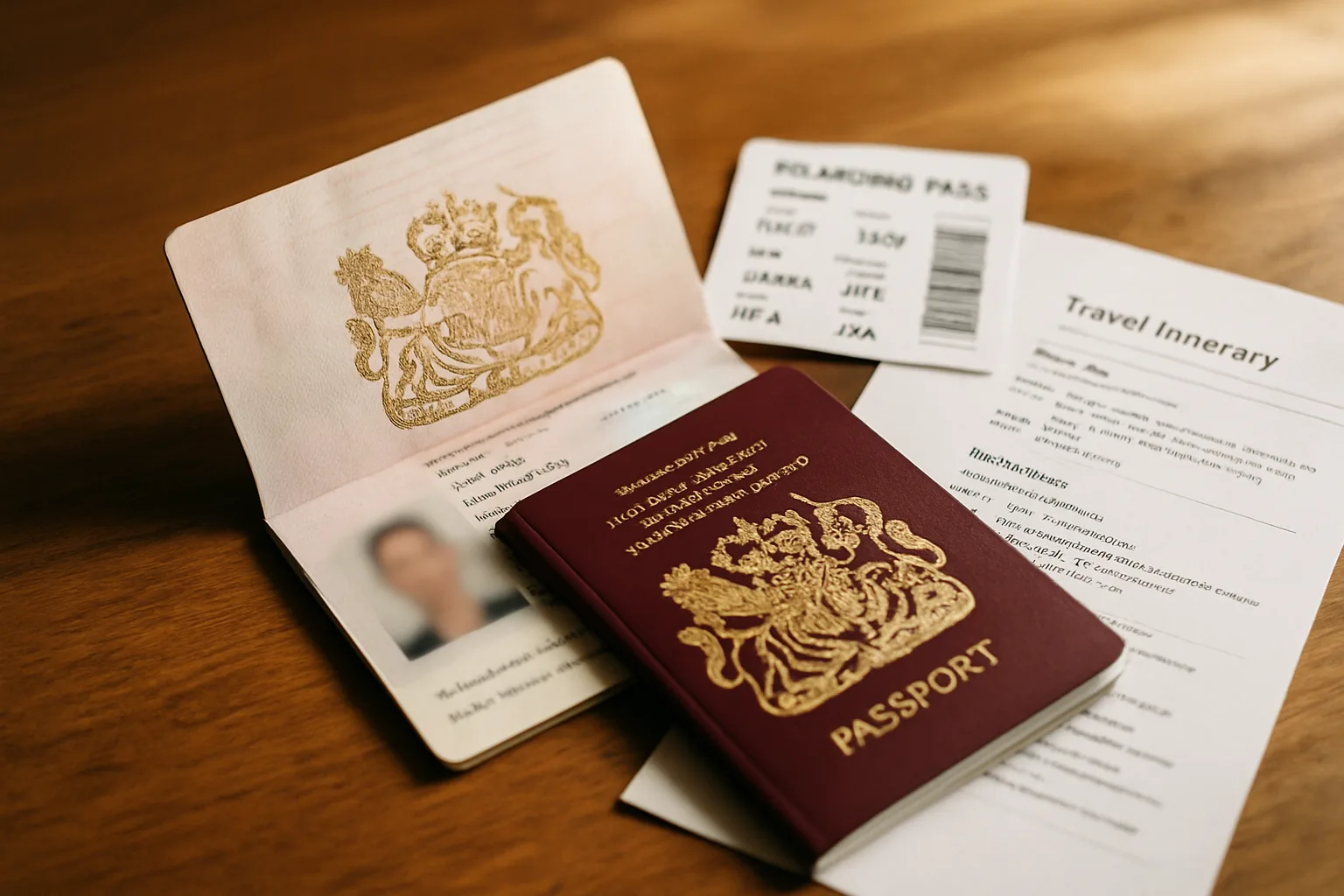
- Check your passport is valid and has at least 6 months remaining.
- Have your passport, email, and payment method ready before you start.
- Double-check all details match your passport exactly to avoid rejection.
You're planning a trip to the UK, and you've heard about the new Electronic Travel Authorisation (ETA). You might be wondering: how long does it take? What could go wrong?
The good news is that most applications are approved within minutes. But delays can happen, and they can derail your travel plans if you're not prepared.
In this guide, we'll walk you through the exact steps to avoid UK ETA delays. You'll learn what to do before you apply, during the application, and after you submit. We'll cover common pitfalls like passport issues, payment problems, and last-minute applications.
By the end, you'll know exactly how to ensure your ETA arrives on time.
Remember: this is general guidance. Always check official sources before travel, as rules can change.
What Is a UK ETA and Why Do You Need It?
A UK ETA is a digital authorisation that allows you to travel to the United Kingdom for short visits, transit, or business. It's not a visa — it's a pre-screening that lets Border Force know you're allowed to enter before you board your flight.
You need an ETA if you're a national of a country that doesn't require a visa for short stays — for example, the US, Canada, Australia, Japan, and many others. If you're unsure, check the who needs a uk eta page for the full list.
The ETA is linked to your passport electronically. You don't need to print anything. When you check in for your flight, the airline will verify your ETA.
Without it, you won't be allowed to board.
This system is designed to streamline entry for low-risk travellers. It helps border officials assess you before you arrive. Understanding this purpose can help you appreciate why accuracy matters so much.
Step 1: Check Your Passport Well in Advance
Your passport is the most common cause of delays. Here's what to check:
- Validity: Your passport must be valid for the entire duration of your stay. Some countries require 6 months' validity beyond your departure date — the UK doesn't have a strict 6-month rule, but it's safest to have at least that. If your passport expires soon, renew it before applying.
- Biometric: You need a biometric passport (with a chip symbol). Older non-biometric passports may not work with the ETA system.
- Damage: If your passport is damaged (water, tears, etc.), get a new one. Border Force can refuse entry even with an approved ETA if the passport is damaged.
If your passport doesn't meet these requirements, your application will be delayed or rejected. Fixing passport issues takes weeks, so start early.
Consider checking your passport's expiration date at least three months before your trip. For example, if you plan to travel in December, check your passport in September. This gives you time to apply for a renewal if needed.
Passport renewal times vary by country. In the US, standard processing can take 6-8 weeks. In Canada, it might take 20 business days.
Factor these timelines into your planning.
If your passport has minor wear and tear, like a slightly bent cover, it might still be acceptable. But significant damage, such as a torn page or water staining, will likely cause problems. When in doubt, consult your passport issuing authority.
Step 2: Apply at Least 72 Hours Before Travel — But Earlier Is Better
The official guidance says to apply at least 72 hours before you travel. Most applications are processed within minutes, but some take longer. If you apply 72 hours before and there's a delay, you might miss your flight.
Apply at least a week in advance. Two weeks is even safer. This gives you time to fix any issues and reapply if needed.
Remember, the ETA is valid for two years (or until your passport expires), so there's no downside to applying early.
If you're a frequent traveller, apply as soon as you book your trip. You don't need to have specific travel dates — the ETA is linked to your passport, not a particular journey.
Think of the ETA like a travel insurance policy. You buy it before you need it. Similarly, getting your ETA early ensures you're covered for any last-minute travel opportunities.
For business travellers who might need to travel on short notice, having a valid ETA already in place is a smart move. It removes one more hurdle from your travel checklist.
Step 3: Gather Your Documents and Payment Before You Start
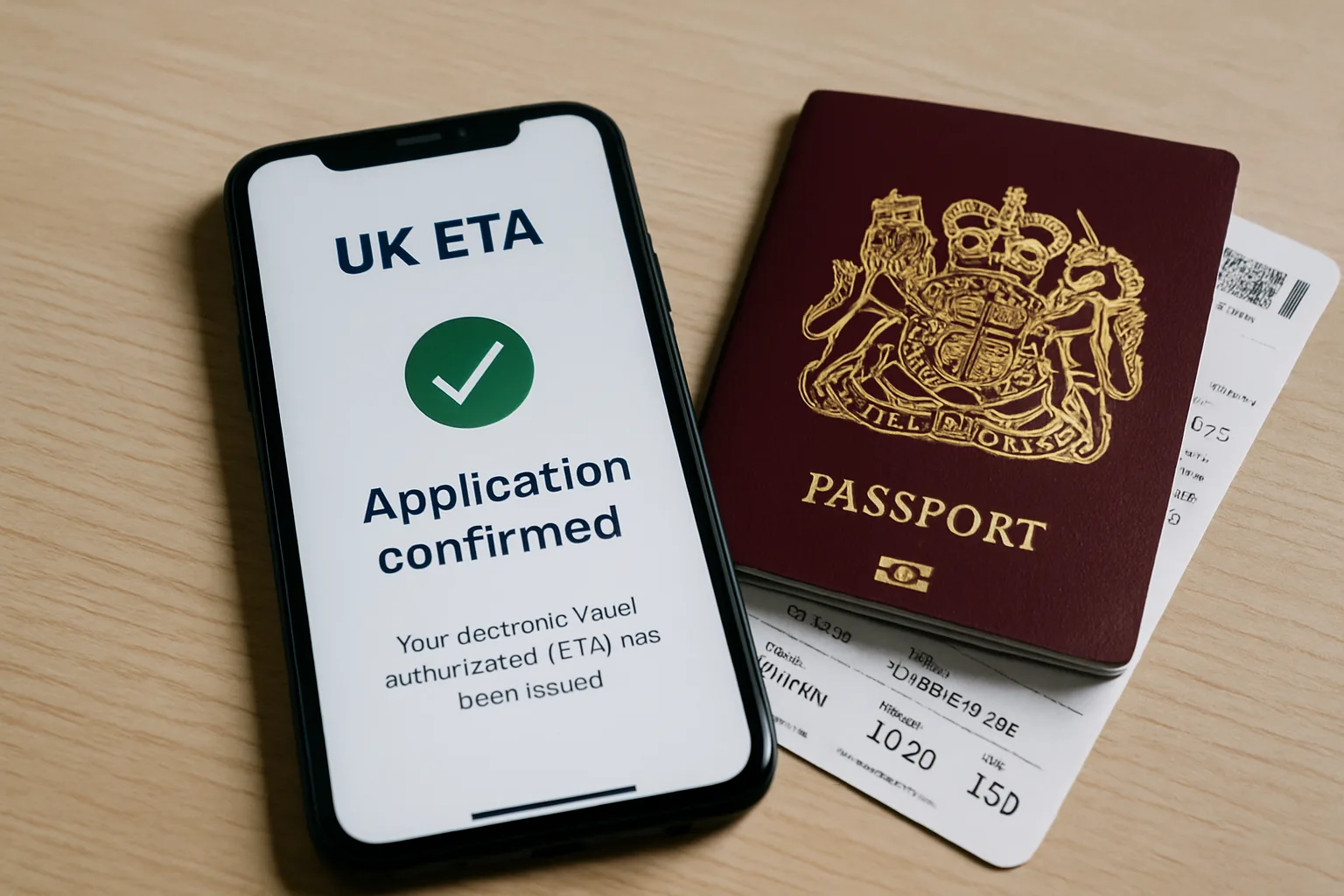
Don't start the application until you have everything ready. Here's what you need:
- Your passport — you'll need the details from the bio page.
- A valid email address — you'll receive confirmation and updates.
- A payment method — debit or credit card. The fee is non-refundable, even if your application is denied. Check how much does a uk eta cost for current fees.
- Your travel details — you may need to provide your intended address in the UK (if known) and your flight number.
Having these ready means you won't time out or lose your progress. The application form is short, but rushing can lead to mistakes.
Set up a dedicated folder on your computer or phone for travel documents. Store a digital copy of your passport and any other relevant files. This makes the application process smoother.
If you're using a mobile device, ensure your internet connection is stable. A dropped connection mid-application can cause you to lose your work and have to start over.
Step 4: Fill Out the Application Carefully — Every Detail Matters
This is where many delays happen. The system checks your details against immigration databases. Any mismatch — even a typo — can trigger a manual review, which takes days or weeks.
Here's what to watch for:
- Name exactly as on passport: If your passport has a middle name, include it. Don't use nicknames or shortened forms.
- Passport number: Double-check digits. One wrong number and your application will fail.
- Date of birth: Use the format DD-MM-YYYY or as requested. A swapped day and month can cause issues.
- Nationality: Use the nationality on your passport, not your country of residence.
If you have dual nationality, use the passport you plan to travel on. The ETA is linked to that specific passport. If you switch passports later, you'll need a new ETA.
Take your time. Read each field twice before moving on. A few extra seconds now can save days of delay.
For example, if your name is "John Michael Smith" on your passport, don't enter "John Smith" or "Michael Smith." Use the full name exactly as printed. Even a missing middle initial can cause a mismatch.
Similarly, pay attention to the passport number field. Some passports have letters and numbers, while others are purely numeric. Enter them exactly as shown, including any hyphens or spaces.
If you're unsure about any field, use the help tooltips provided on the application page. They offer guidance on what information is required.
Step 5: Submit and Wait — But Don't Panic
After you submit, you'll get an email confirmation. Most approvals come within minutes. But sometimes you'll see a message saying your application is under review.
This can take up to 72 hours (or longer in rare cases).
What to do while waiting:
- Don't book non-refundable travel until you have approval. If you're denied, you'll lose money.
- Check your spam folder for the confirmation email. Add the sender to your safe list.
- Don't apply again unless you're sure the first one was rejected. Multiple applications can cause confusion.
If you haven't heard back after 72 hours, contact the UKVI helpline. Have your application reference number ready.
During peak travel seasons, such as summer or Christmas, processing times may be longer. The system handles a higher volume of applications, which can lead to delays. Applying early is especially important during these periods.
If you're a group traveller, each person needs their own ETA. Don't assume a family application covers everyone. Each individual must apply separately using their own passport.
Common UK ETA Delays and How to Avoid Them
Passport Expiry or Damage
As mentioned, a passport that expires soon or is damaged can cause delays. Solution: renew your passport before applying. If you've already applied and your passport expires within 6 months, you might still be approved, but it's risky.
For example, if your passport expires in 4 months, the ETA will only be valid until that date. You'll need to renew your passport and apply for a new ETA after renewal. This adds unnecessary steps to your travel planning.
Mismatched Details
A typo in your name or passport number is the most common error. Solution: double-check everything before submitting. If you realise a mistake after submission, you can't edit it.
You'll need to apply again (and pay again).
Consider having someone else review your application before you submit. A fresh pair of eyes can catch errors you might overlook. This is especially helpful for complex names or long passport numbers.
Payment Issues
Your card might be declined for various reasons — insufficient funds, bank block, or expired card. Solution: use a card that works internationally, and ensure you have enough funds. Some banks block international transactions; call them first.
If your card is declined, the application won't be processed. You'll need to start over with a different payment method. This wastes time and can be frustrating, especially if you're in a hurry.
To avoid this, notify your bank in advance that you'll be making an international transaction. Some banks have fraud detection systems that flag unexpected charges. A quick call can prevent a block.
Technical Glitches
The website might time out or crash. Solution: use a stable internet connection. If the site is down, try again later.
Don't refresh repeatedly — you might submit multiple applications.
Technical issues are rare but can happen. If you encounter an error message, take a screenshot for reference. This can help if you need to contact support later.
Consider applying during off-peak hours, such as early morning or late evening UK time. The website may be less congested, reducing the chance of glitches.
Criminal Record or Immigration History
If you have a criminal record or have been refused entry to the UK before, your application will likely be reviewed manually. This can take weeks. Solution: be honest in your application.
Lying can lead to a ban. If you have a record, apply very early and consider seeking legal advice.
For example, a minor traffic violation from years ago might not affect your application. But a more serious conviction, like a DUI or theft, could trigger a manual review. Always disclose any criminal history as required by the application form.
If you've previously been denied a UK visa or entry, mention it honestly. The system will cross-check your information with immigration records. Omitting this information can be seen as deception and lead to a ban.
What If Your UK ETA Is Delayed or Denied?
If your ETA is delayed beyond 72 hours, contact UKVI. They can check the status. If it's denied, you'll receive a reason.
Common reasons include:
- Ineligible nationality
- Criminal record
- Previous immigration violations
- Incorrect information
If denied, you can apply again — but only if the issue is fixable (like a typo). If it's a substantive reason (like a criminal record), reapplying won't help. You may need to apply for a visa instead.
If you're denied and your travel is imminent, you'll need to cancel or postpone your trip. That's why early application is so important.
In some cases, a denial can be appealed. However, the ETA system doesn't have a formal appeals process. You may need to apply for a standard visitor visa instead, which has a more thorough review process.
If you believe your denial was an error, gather evidence to support your case. This might include a copy of your passport, proof of travel plans, or documentation of your criminal history (if applicable). Contact UKVI with this information.
How Early Should You Apply? A Timeline
Here's a suggested timeline for stress-free ETA application:
- 3+ months before travel: Check your passport validity. Renew if needed.
- 2 months before: Apply for your ETA. You'll have plenty of time to fix any issues.
- 1 month before: Confirm your ETA is approved. If not, contact UKVI.
- 1 week before: Print or save your approval email (just in case).
- Day of travel: Check in online — your ETA will be verified automatically.
If you're a last-minute planner, at least apply 72 hours before. But know that you're taking a risk.
For example, if you book a flight for next week, apply immediately after booking. Don't wait until the day before. Even if you're approved quickly, you'll have peace of mind knowing it's done.
If you're planning a multi-city trip that includes the UK, apply for your ETA as soon as you book the UK portion. This ensures you have authorisation before you arrange other travel details.
What About Transit Passengers?
If you're transiting through a UK airport (changing planes without passing through border control), you still need an ETA unless you're from a visa-exempt country. Check the uk eta application requirements for transit rules.
Transit applications are processed the same way. Apply early — if your ETA is delayed, you could miss your connection.
For example, if you're flying from New York to Dubai with a layover in London Heathrow, you need an ETA even if you don't leave the airport. The airline will check your ETA before issuing your boarding pass for the first leg of your journey.
Some transit passengers mistakenly think they don't need an ETA because they're not entering the UK. This is a common error. Always verify the requirements for your specific itinerary.
Can You Speed Up the ETA Process?
There's no expedited service for UK ETAs. The system processes applications in order. However, you can avoid delays by:
- Applying during UK business hours (when support is available).
- Using a reliable internet connection.
- Having all documents ready.
Some third-party websites claim to speed up the process — don't use them. They charge extra and offer no advantage. Use the official UK government website only.
Third-party sites may also collect your personal data for marketing purposes. Stick with the official site to protect your privacy and ensure your application is handled correctly.
If you encounter a technical issue, don't panic. Refresh the page or try a different browser. Most issues are temporary and resolve on their own.
What to Do If You've Already Applied and Are Waiting
If you're waiting for approval, here's what you should and shouldn't do:
- Do: Check your email (including spam) for updates.
- Do: Keep your travel plans flexible if possible.
- Don't: Call UKVI repeatedly — it won't speed things up.
- Don't: Book non-refundable flights or hotels until approved.
If you're at the airport and still waiting, you may be denied boarding. Airlines check for ETA before issuing a boarding pass. So don't risk it — apply early.
Consider setting up email notifications on your phone so you don't miss the approval message. Some email providers have a "priority" folder that might catch these messages. Check all folders regularly.
If you're travelling with others, coordinate your applications. Everyone in your group should apply at the same time to avoid one person being left behind due to a delay.
Understanding the ETA Application Process in Detail
The UK ETA application process is designed to be straightforward. You fill out an online form, pay a fee, and receive a decision. But understanding the backend can help you avoid pitfalls.
The system checks your details against multiple databases. These include immigration records, criminal databases, and watchlists. Any match or discrepancy can trigger a manual review.
Manual reviews are conducted by UKVI staff. They have access to additional information and can make nuanced decisions. However, this takes time — often several days.
If your application is flagged for manual review, you'll receive an email saying it's "under consideration." This is not a denial. It simply means a human needs to look at your case.
During a manual review, you may be asked for additional information. This could include proof of travel plans, a criminal record explanation, or other documents. Respond promptly to avoid further delays.
Common Mistakes That Lead to Rejection
Beyond delays, some mistakes can lead to outright rejection. Here are the most common ones:
- Using a non-biometric passport: If your passport doesn't have a chip, the system may not accept it. Check your passport's cover for the biometric symbol.
- Providing false information: Lying about your criminal record or travel history is a serious offense. It can result in a ban from the UK.
- Applying for the wrong purpose: The ETA is for short visits, transit, or business. If you plan to work or study, you need a different visa.
- Using an expired passport: Your passport must be valid at the time of application. An expired passport will be rejected immediately.
For example, if you apply for an ETA but your real intention is to work in the UK, you're misusing the system. This can lead to a ban and affect future travel.
If you're unsure about your eligibility, use the official UK government checker tool. It will guide you based on your nationality and travel plans.
How to Prepare for a Smooth Application Experience
Preparation is key to a smooth application. Here's a checklist to follow:
- Read the official guidance: Visit the UK government website for the latest rules.
- Check your passport: Ensure it's valid, biometric, and undamaged.
- Gather your documents: Have your passport, email, and payment method ready.
- Choose a quiet time: Apply when you won't be interrupted.
- Double-check your entries: Review each field before submitting.
If you're applying from a mobile device, use a secure Wi-Fi connection. Public Wi-Fi can be less reliable and may expose your data to risks.
Consider using a laptop or desktop computer for the application. The form is easier to navigate on a larger screen, reducing the chance of errors.
Take a screenshot of your confirmation page after submission. This serves as proof that you applied, in case you don't receive the email immediately.
What to Do If You Need to Travel Urgently
If you have an urgent travel need and haven't applied for an ETA, you have limited options. The system doesn't offer expedited processing. However, you can try the following:
- Apply immediately: Even if your travel is within 72 hours, apply now. Some applications are approved in minutes.
- Contact UKVI: Explain your situation. They may be able to prioritise your case, but this is not guaranteed.
- Consider alternative travel: If you're denied, you may need to postpone or change your plans.
For example, if you have a family emergency and need to fly to London tomorrow, apply for your ETA as soon as you book your flight. There's a chance it will be approved quickly, but there's also a risk of delay.
In extreme cases, you might be able to travel without an ETA if you're eligible for a visa waiver. But this is rare and depends on your nationality. Check with the airline or UKVI before heading to the airport.
If you're denied boarding due to a missing ETA, you'll need to rebook your flight. This can be costly, especially for last-minute tickets. Early application is the best way to avoid this scenario.
Conclusion
Avoiding UK ETA delays comes down to one thing: planning ahead. Check your passport, apply early, and fill out the form carefully. Most people get approved in minutes.
But for those who don't, the consequences can be costly.
By following the steps in this guide, you'll give yourself the best chance of a smooth application. And remember — always verify requirements with official sources before you travel.
Taking a few extra minutes to prepare can save you hours of stress later. Whether you're a seasoned traveller or a first-time visitor, early planning is your best tool for a hassle-free UK ETA experience.
Key takeaways
- Apply at least a week before travel, not just 72 hours.
- Check your passport is valid and biometric.
- Double-check every detail on the application form.
- Have your payment method ready and working.
- If delayed, wait 72 hours before contacting UKVI.
- Never use third-party websites — use the official government site.
Frequently asked questions
What is the most common cause of UK ETA delays?
Can I apply for a UK ETA less than 72 hours before my flight?
What should I do if my UK ETA application is taking longer than 72 hours?
Will a criminal record delay or deny my UK ETA?
Can I use a third-party website to get my UK ETA faster?
This article is for general informational purposes only. Visa and travel authorisation rules change frequently. Always check the official government website before travelling.

Written & reviewed by
Can OTUTravel Authorisation Editor
Can OTU is the editor of ETA Travel Assistant, specialising in UK ETA, Schengen ETIAS, NZeTA and ESTA travel authorisations. Can monitors official government sources and policy updates to ensure every guide is accurate, current and genuinely useful for travellers.
View all guides →