The UK ETA in One Sentence, Plus Your Pre-Travel Checklist
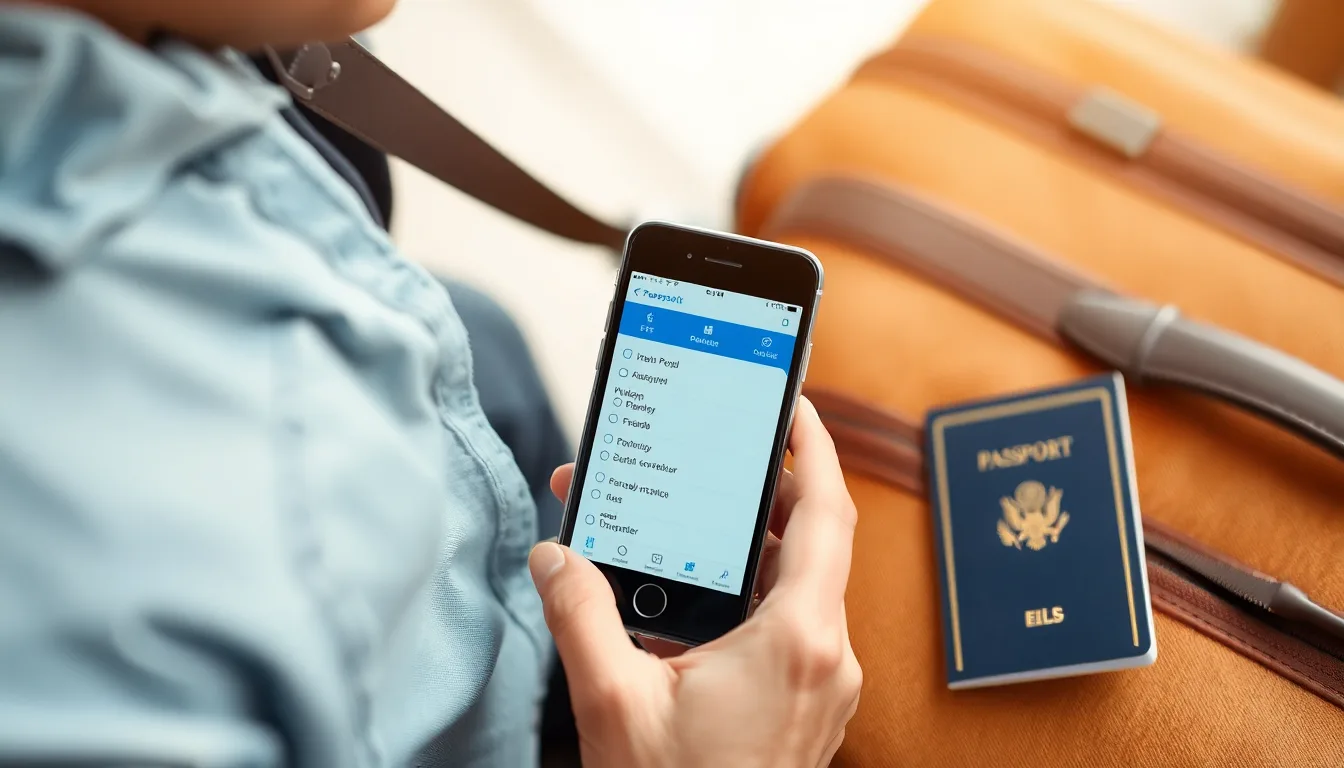
- Apply online only through the official GOV.UK website or app — never a third-party site — and genuinely expect a decision within minutes to about three days.
- Double-check your ETA details match your actual passport exactly before travel day, since even genuinely small mismatches can occasionally cause real boarding problems at check-in.
- An ETA is genuinely not a guarantee of entry — border officers still make the actual final call, so bring the same supporting documents you'd want ready for any short visit anywhere.
If you just need the quick one-sentence version and a genuinely practical pre-departure checklist, you're in exactly the right place. This isn't meant to be a deep, exhaustive explainer of the whole ETA system — it's the condensed, genuinely practical version: exactly what you actually need sorted before you travel, laid out in the order that matters most.
The one-sentence version, expanded slightly
A UK ETA authorizes short visits — tourism, business, family visits, transit — of up to six months, for a flat £20 fee, applied for entirely online, with most decisions arriving within minutes. It replaced the old assumption that many nationalities could simply show up visa-free with nothing pre-arranged. Now, for most non-British, non-Irish travellers, something genuinely needs to be sorted out in advance, even if that "something" only actually takes a few minutes to complete from start to finish.
Your pre-travel checklist, in order

- Confirm you actually need one. British and Irish citizens don't. Holders of an existing UK visa, BRP, or eVisa status generally don't either. Almost everyone else applying for a short visit does.
- Apply as soon as your trip is confirmed — not the night before. Most decisions land within minutes, but a small share take up to three days, and you don't want that discovered the morning of your flight.
- Use only the official GOV.UK website or app. Search results sometimes surface paid third-party sites charging well above the official £20 fee — check the URL carefully before entering any payment details.
- Have your passport, a card, and a recent digital photo ready before you start — the application itself takes just a few minutes once you have these three things on hand.
- Check your confirmation email carefully once approved — name, passport number, and validity dates should all match your passport exactly.
- Keep the confirmation accessible (screenshot or printed) for peace of mind, even though it's electronically linked to your passport and doesn't require physical presentation in most cases.
- Bring the same supporting documents you'd want for any visit — proof of accommodation, a return ticket, and evidence of funds — since an ETA doesn't remove the border officer's discretion on arrival.
What an ETA is not, in equally short form
- It's not a visa in the fuller sense — it doesn't cover work, long-term study, or settlement.
- It's not a guarantee of entry — it's a pre-screening authorization, and border officers retain final discretion.
- It's not something you can get at the airport if you forgot — apply before you travel, since airlines check ETA status before boarding.
- It's not tied to a single trip — an approved ETA covers multiple visits within its validity period (up to two years, or until your passport expires).
The cost and timing, at a glance
- Cost: £20 per person, every age, no exceptions, paid online at the time of application.
- Processing: most within minutes to a few hours; occasionally up to three working days.
- Validity: up to two years, or until your passport expires, whichever comes first.
- Coverage per visit: up to six months per trip, with multiple trips allowed within the overall validity window.
Who this article is for (and who should read something more detailed instead)
This condensed version suits anyone who wants the practical checklist without a full explainer — if your situation is straightforward (a short holiday, a family visit, a business trip), this covers everything you actually need to do. If your situation is more complex — you're unsure whether an ETA covers your specific purpose, you've had a previous UK immigration issue, or your nationality situation is unusual — a more detailed guide covering the specific edge cases is worth reading in full rather than relying on this quick version alone.
The three mistakes that cause the most last-minute stress
- Applying too late. Even though most decisions are fast, the rare longer review genuinely can take up to three days — apply with a buffer, not the night before a flight.
- Typos in passport details. A single mismatched digit in your passport number, or a misspelled name, can cause real problems — enter these details carefully and double-check them before submitting.
- Using an unofficial website. This costs more and gathers your personal data through a channel you don't need — the official process is genuinely simple enough that a middleman adds cost without adding value.
Understanding the £20 fee and what it actually covers
The flat £20 fee applies to every applicant, regardless of age, trip length within the six-month limit, or number of previous visits. It's worth understanding what this fee is, and isn't, paying for:
- It covers the processing and administration of your specific application — not travel insurance, not accommodation, and not any other travel-related cost.
- It's a one-time payment per approved ETA, covering the full validity period (up to two years or your passport's expiry), not a per-visit charge.
- If your application is refused, the fee is generally not refundable, since it covers the cost of processing the application itself rather than guaranteeing a specific outcome.
- There's no discount for children, families, or repeat travellers — each person's application costs the same flat fee regardless of circumstances.
A brief comparison: ETA now vs. the old visa-free system
For travellers who visited the UK before the ETA system existed, it's worth understanding what specifically changed. Previously, many nationalities could simply arrive at UK border control without arranging anything in advance, relying purely on an in-person check at arrival. The ETA moved part of that check earlier, into a quick online step completed before departure.
The underlying eligibility for a short visit hasn't fundamentally changed for most travellers — what's changed is the mechanism: a small, upfront administrative step now exists where none did before. For most people, this genuinely just means one extra five-minute task added to trip planning, not a meaningfully different bar to clear.
Why some travellers find this confusing at first
Part of the confusion around the ETA comes from its relative newness compared with long-established visa systems that many travellers are already familiar with from other countries. It doesn't help that similar-sounding systems exist for other destinations (ESTA for the US, the upcoming ETIAS for the Schengen area), each with its own separate rules, fees, and validity periods. If you regularly travel to multiple destinations that each have their own pre-authorization system, it's genuinely worth keeping a simple personal note of which system applies to which specific country, and when each one is actually due for renewal, rather than relying purely on memory alone across several different, similarly-named systems that are easy to mix up over time.
What happens after you land
Your ETA authorizes travel; it doesn't eliminate the standard immigration process on arrival. Expect the same kind of questions any visitor might face — purpose of visit, planned length of stay, sometimes proof of onward travel or accommodation. Having these details ready and consistent with what you stated in your ETA application (where relevant) makes this step quick and uneventful, which is really the whole goal of preparing properly beforehand.
A slightly longer version, if the one sentence left you with questions
If the opening sentence answered your immediate question but left you wanting a bit more context, here's the short version of the reasoning behind the system. The UK, like a growing number of countries, moved toward requiring a quick digital pre-check for visa-exempt travellers rather than relying purely on checks at the point of arrival. The idea is that catching potential issues before departure — rather than only at the UK border — is better for everyone involved: fewer surprises for travellers, and a smoother, faster process for border staff who already know a traveller has been pre-screened.
This is genuinely the same underlying logic behind similar systems elsewhere — the US ESTA for the Visa Waiver Program, and the EU's own upcoming ETIAS system for the Schengen area. If you've dealt with one of those before, the UK ETA will feel very familiar in concept, even though the specific fees, validity periods, and application details differ.
Timing your application around your actual trip
While "apply as soon as your trip is confirmed" is the simplest advice, here's how to think about it more precisely depending on your situation:
- If you're booking well in advance (months ahead), there's no need to apply immediately — the ETA doesn't need to be requested the moment you book flights, since it's tied to your passport rather than a specific booking. That said, applying a few weeks ahead removes the topic from your mental checklist early.
- If you're booking on shorter notice (a few weeks out), apply within a few days of confirming your trip, giving yourself comfortable buffer against the rare longer processing case.
- If you're booking very last-minute (days before travel), apply the moment your plans are set — don't wait until you're packing, since a delayed decision at this point leaves very little room to resolve any issue before your flight.
What if something looks wrong after you've applied?
Occasionally applicants notice an error after submitting — a typo in a name, an incorrect passport number, or a photo that didn't upload as expected. If you catch this before a decision comes through, contact the official support channel via GOV.UK promptly to ask whether a correction is possible before processing completes. If the error is discovered after approval, you may need to submit a new, corrected application rather than editing the existing one — check the current official guidance on corrections, since the exact process can change over time as the system matures.
Seasonal and peak-period considerations
While most ETA decisions are genuinely fast regardless of season, overall demand does fluctuate — more applications tend to come in around major holiday travel periods and the start of the UK's peak summer tourist season. This doesn't typically translate into meaningfully longer processing times for individual applicants, since the system is largely automated, but it's one more reason "apply early rather than late" is sound general advice, particularly if your travel dates fall during an especially busy period.
Frequently confused terms, clarified quickly
- ETA vs. visa: an ETA is a lighter, faster, short-stay authorization; a visa is a fuller process for longer or more complex purposes (work, study, settlement).
- ETA vs. ESTA: ESTA is the US equivalent system; they are entirely separate, and holding one has no bearing on needing the other for its respective country.
- ETA vs. ETIAS: ETIAS is the EU's equivalent system for the Schengen area; again, entirely separate from the UK's ETA, covering different countries and requiring separate applications.
- ETA vs. eVisa: an eVisa is a different, often longer-term digital immigration status some individuals already hold — if you have one, you typically don't need a separate ETA on top of it.
A quick troubleshooting section
- Application won't submit: check your internet connection, try the alternative channel (app instead of website, or vice versa), and confirm your payment card details are entered correctly.
- Haven't received a decision after several days: check your spam folder first, then contact official GOV.UK support directly if genuinely nothing has arrived beyond the typical processing window.
- Confirmation email has an error: contact official support promptly rather than assuming it will resolve itself or that a small discrepancy won't matter at the border.
- Lost your confirmation before travel: your ETA is linked electronically to your passport, so losing the email itself isn't necessarily catastrophic, but retrieving a fresh copy of your confirmation through the official channel before travel is still worth doing for your own peace of mind.
Key takeaways
- A UK ETA is a £20, fast, online-only travel authorization for short visits — apply through the official GOV.UK website or app only.
- Apply as soon as your trip is confirmed, not last minute, since a small share of applications take up to three days.
- Double-check your confirmation details against your passport before travel day.
- An ETA doesn't guarantee entry — bring standard supporting documents and expect normal border questions on arrival.
- If your situation is anything other than a straightforward short visit, read a more detailed guide covering your specific circumstances.
This article provides general guidance, not official advice — always verify current requirements and fees on the official GOV.UK website before applying.
A note for families travelling together
Each traveller — adult or child, including infants — needs their own individual ETA linked to their own passport. There's no way to add family members to a single "household" application, so build in a few extra minutes per person when planning a family trip. A few practical points:
- Parents or guardians can complete the application on behalf of children, using the child's own passport details and a current photo of the child.
- Double-check each family member's application separately before submitting, since a small error on one child's application won't be caught simply because the adult's application went smoothly.
- If you're travelling with a large family group, consider completing all the applications in one focused sitting, with everyone's passports and photos gathered in advance, rather than doing them one at a time scattered across several separate days — this genuinely reduces the chance of losing track of who has and hasn't actually been submitted yet.
Packing your documentation, physically and digitally
Even though the ETA itself is electronic and linked to your passport, it's worth having a small, organized set of related documents ready for your trip:
- A screenshot or printed copy of your ETA confirmation email, stored somewhere easy to find quickly if asked.
- Your passport, checked for validity well beyond your planned return date.
- Proof of onward or return travel, such as a return flight booking.
- Basic proof of accommodation for your stay, even if it's simply a hotel confirmation email.
- Any documents specific to your trip purpose — an invitation letter for a family visit, a conference registration for business travel, or similar, depending on your situation.
None of this is strictly required for the ETA itself, but having it organized and accessible smooths over the actual border experience, which is really the point of all this preparation in the first place.
What changes if you're transiting rather than actually visiting
If you're only passing through a UK airport on the way to another destination, your ETA requirement depends on whether you'll clear border control during your connection. Staying entirely within the airport's international transit area, without collecting baggage or passing through a public arrivals area, generally means you won't need to meet standard entry requirements at all for that specific connection. But if your itinerary requires collecting bags, changing terminals through a public area, or clearing security again, you're effectively entering the UK in the immigration sense, and the same ETA rules apply as they would for a full visit.
Check your specific routing and airline's guidance if you're unsure which category your connection falls into.
How this fits into a wider multi-country trip
If your UK visit is one stop on a larger trip — say, the UK followed by several Schengen countries — remember that your UK ETA has absolutely no bearing on your entry requirements for the rest of your itinerary, and vice versa. Each leg of a multi-country trip needs its own separate check against that specific country's own entry system. Don't assume that having sorted your UK ETA means you've somehow handled "Europe" as one single administrative unit — it very much hasn't, and each individual destination needs its own separate attention using the same basic underlying principle throughout: confirm your actual requirement, apply through the correct official channel for that specific country, and build in a sensible time buffer before you actually travel.
A final sanity check before you fly
In the days just before travel, run through this short final check:
- Confirm your ETA approval email is genuinely in hand and the details match your passport exactly.
- Confirm your passport itself has enough remaining validity for your trip.
- Confirm you have your accommodation and return travel details accessible, even informally.
- If travelling with family, confirm every individual family member's ETA is separately approved, not just your own.
This kind of quick final pass takes only a couple of minutes but catches the overwhelming majority of avoidable, last-minute problems well before they have any chance to become actual problems at the departure airport itself.
It's a small habit, but it's genuinely the single most effective thing you can do to make sure all the preparation covered throughout this guide actually pays off on the day that matters — the day you're standing at check-in with a boarding pass in hand.
Frequently asked questions
Quick answers on the practical basics of the UK ETA, covering the timing, family, and troubleshooting questions travellers ask most before departure.
Frequently asked questions
What is a UK ETA in one sentence?
How far in advance should I apply for a UK ETA?
Does having a UK ETA guarantee I will be let into the UK?
How many trips does one UK ETA cover?
What is the single biggest mistake to avoid with a UK ETA?
This article is for general informational purposes only. Visa and travel authorisation rules change frequently. Always check the official government website before travelling.

Written & reviewed by
Can OTUTravel Authorisation Editor
Can OTU is the editor of ETA Travel Assistant, specialising in UK ETA, Schengen ETIAS, NZeTA and ESTA travel authorisations. Can monitors official government sources and policy updates to ensure every guide is accurate, current and genuinely useful for travellers.
View all guides →