UK ETA vs UK Visa: What Is the Difference?
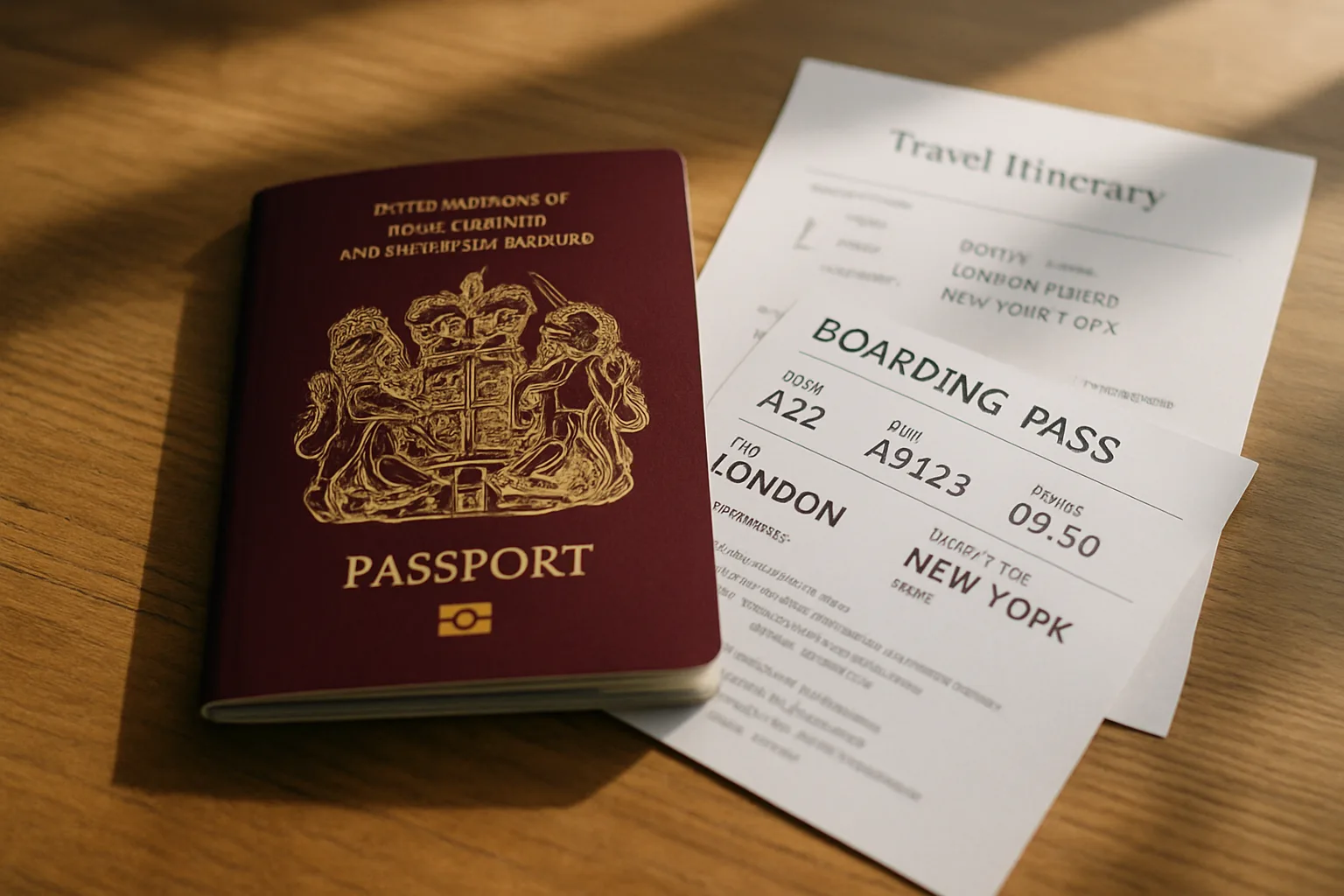
- UK ETA: £20, online, minutes, for tourism/business transit up to 6 months
- UK visa: from £115, weeks, in-person appointment, for work/study/family/longer stays
- You cannot use an ETA if you need a visa – check your nationality first
Planning a trip to the UK? You've probably heard about the UK ETA and UK visas. They sound similar, but they're very different things.
Choosing the right one can save you time, money, and a lot of hassle.
This guide explains exactly what each one is, who needs which, and how to apply. We'll compare costs, processing times, eligibility, and what you can actually do once you arrive. By the end, you'll know for sure which one you need.
Remember: this is general guidance. Always check the official UK government website before you apply.
What Is a UK ETA?
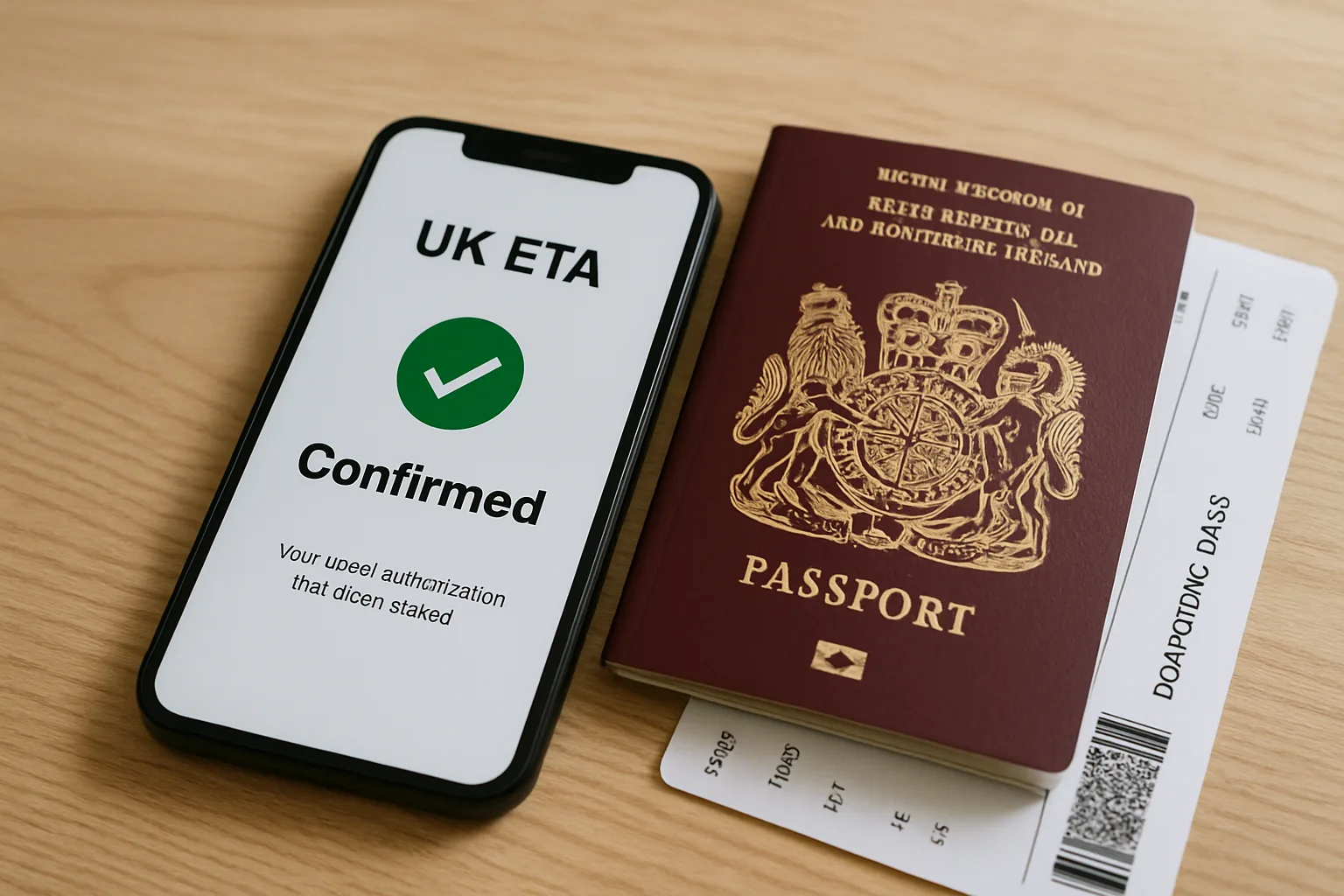
A UK ETA (Electronic Travel Authorisation) is a digital permission to travel to the UK. It's not a visa. Think of it as a pre-screening check that links to your passport electronically.
The UK ETA is for short visits – tourism, business meetings, short courses, or transit. It allows you to stay up to 6 months per visit. You apply online, pay £20, and usually get a decision within minutes.
It's designed for citizens of countries that currently don't need a visa for short visits. The system is rolling out in 2024 and 2025. Once fully in place, most non-visa nationals will need an ETA before travelling.
You cannot extend an ETA or switch to another immigration status while in the UK. It's strictly for short-term visits.
How the ETA Works in Practice
When you apply for an ETA, the system checks your details against security databases. If approved, the authorisation is digitally linked to your passport number.
At the border, UK Border Force officers scan your passport and see the ETA approval instantly. You don't need to print anything or carry a separate document.
For example, a Canadian tourist flying to London for a week-long holiday would simply apply for an ETA online before their flight. They pay £20, receive approval in minutes, and board their flight without any visa paperwork.
ETA Validity Period
Once approved, a UK ETA is valid for two years or until your passport expires, whichever comes first. During this period, you can make multiple visits to the UK, each lasting up to six months.
If you get a new passport, you must apply for a new ETA. The old one is tied to the previous passport number and cannot be transferred.
For instance, an Australian traveller with an ETA valid until 2026 can visit the UK several times for holidays or business meetings. They don't need to reapply each time, as long as their passport remains valid.
What Is a UK Visa?
A UK visa is a formal permission to enter the UK for a specific purpose and duration. There are many types: visitor visas, work visas, student visas, family visas, and more.
Visas are for longer stays, work, study, or joining family. The application process is more involved: you fill out a long form, attend a biometric appointment, and submit documents proving your purpose and ties to your home country.
Fees start from around £115 for a standard visitor visa and can go much higher for work or settlement visas. Processing times range from 3 weeks to several months.
Unlike an ETA, some visas allow you to extend your stay or switch to another category. They also let you do things an ETA doesn't, like work for a UK employer or study a full course.
Types of UK Visas
There are dozens of UK visa categories. The most common include the Standard Visitor Visa, Skilled Worker Visa, Student Visa, Family Visa, and Innovator Visa.
Each visa type has its own requirements, fees, and conditions. For instance, a Skilled Worker Visa requires a job offer from a licensed UK employer and a minimum salary threshold.
A Student Visa requires an unconditional offer from a UK educational institution and proof of sufficient funds for tuition and living costs. The application process differs significantly for each category.
Visa Application Centres Worldwide
To apply for a UK visa, you must attend a biometric appointment at a Visa Application Centre (VAC). These centres are located in many countries around the world.
You provide your fingerprints and a digital photograph at the VAC. Some centres also offer optional services like document scanning assistance or courier return of your passport.
In countries like India or Nigeria, there are multiple VACs in major cities. You can choose the nearest one when booking your appointment online.
Key Differences at a Glance
| Feature | UK ETA | UK Visa |
|---|---|---|
| Purpose | Tourism, business, transit (short visits) | Work, study, family, longer stays |
| Max stay | 6 months per visit | Varies by visa type (e.g., 6 months, 2 years, 5 years) |
| Cost | £20 | From £115 (visitor visa) – much more for other types |
| Application time | Minutes (online only) | Weeks to months (online + appointment) |
| Biometrics needed? | No | Yes (fingerprints and photo) |
| Documents needed? | Passport only | Passport, financial evidence, itinerary, etc. |
| Can you work? | No (except limited paid engagements) | Yes, if the visa permits |
| Can you study? | Short courses only (up to 6 months) | Full-time courses (student visa) |
| Extendable? | No | Some visa types can be extended |
| Eligibility | Citizens of ETA-eligible countries | Open to all nationalities (but requirements vary) |
Who Needs a UK ETA vs a UK Visa?
This is the most common question. The answer depends on your nationality and what you plan to do in the UK.
You need a UK visa if:
- You're a citizen of a country that requires a visa for any visit (e.g., India, China, Nigeria, Philippines). Check the official list.
- You want to work in the UK (except very limited paid engagements).
- You want to study a full course longer than 6 months.
- You plan to stay longer than 6 months.
- You want to join family who are settled in the UK.
- You intend to marry or register a civil partnership in the UK.
You need a UK ETA if:
- You're a citizen of an ETA-eligible country (e.g., USA, Canada, Australia, Japan, EU countries – check the full list).
- You're visiting for tourism, business meetings, or short study (up to 6 months).
- You're transiting through the UK (including airside transit).
- You're visiting for certain paid engagements (like a permitted paid engagement visa – but you may need a visa instead).
If you're unsure, use the official UK government tool: "Check if you need a UK visa." It asks your nationality and reason for travel and tells you exactly what you need.
Concrete Examples of Who Needs What
Consider a Brazilian citizen wanting to attend a 5-day business conference in London. Brazil is a visa-required country, so they need a Standard Visitor Visa, not an ETA.
Now imagine a Japanese citizen wanting the same trip. Japan is an ETA-eligible country. They simply apply for an ETA online, pay £20, and get approval in minutes.
Another example: an Australian citizen who wants to work as a software developer in Manchester for two years. Even though Australia is ETA-eligible, they cannot use an ETA for work. They need a Skilled Worker Visa.
Special Cases: Dual Nationals
If you hold dual nationality, you must use the passport you intend to travel on when applying. Your eligibility depends on the nationality of that passport.
For example, a person with both Indian and Canadian passports can apply for an ETA using their Canadian passport. But if they use their Indian passport, they would need a visa.
Always choose the passport that gives you the simplest travel authorisation. Ensure that passport is valid for your entire trip.
Cost Comparison: ETA vs Visa
Cost is a major factor. The UK ETA costs just £20 per person. That's it – no hidden fees.
You pay online when you apply.
UK visa fees are much higher. A standard visitor visa (6 months) costs £115. Longer visitor visas (2, 5, or 10 years) cost more – £400, £771, and £963 respectively.
Work and student visas range from £259 to over £1,000. Settlement visas are even more expensive.
You may also need to pay for priority processing (extra £100-£500) and biometric appointments (free at some centres, but private centres charge).
For a single short trip, an ETA is far cheaper. For multiple trips over several years, a long-term visitor visa might work out better if you're from a visa-required country.
For more details on ETA fees, see our guide on how much does a uk eta cost.
Hidden Costs to Consider
With a UK visa, you might also need to pay for document translation, travel to the visa application centre, and courier services for passport return. These costs can add up quickly.
For an ETA, there are no such extras. The £20 fee covers everything. You apply from home without any additional expenses.
If you need to apply for a visa urgently, priority processing fees can double or triple the total cost. An ETA never requires priority fees because it's already fast.
Cost for Families
For families travelling together, the cost difference becomes even more significant. Each person needs their own ETA or visa.
A family of four from an ETA-eligible country pays only £80 total for ETAs. The same family from a visa-required country would pay at least £460 for standard visitor visas.
This makes the ETA particularly attractive for group travel. Families can save hundreds of pounds compared to visa applications.
Application Process: ETA vs Visa
The application process is night and day.
UK ETA application:
- Go to the official UK ETA website or app.
- Fill in your personal details, passport info, and travel plans.
- Answer a few security questions.
- Pay £20 with a credit or debit card.
- Submit. You'll receive a decision, usually within minutes.
No documents to upload. No appointment. No waiting for post.
It's all online.
For a full breakdown, see our uk eta application requirements guide.
UK visa application:
- Apply online on the official UK Visas and Immigration website.
- Fill in a lengthy form with your travel history, finances, employment, and purpose of visit.
- Upload supporting documents: bank statements, employer letter, itinerary, accommodation, etc.
- Pay the visa fee.
- Book a biometric appointment at a visa application centre. Attend in person to give fingerprints and a photo.
- Submit your passport (some centres keep it, others return it).
- Wait for a decision. Standard processing is 3 weeks for visitor visas, but can be longer.
You may also need to attend an interview in some cases.
Document Requirements Compared
For an ETA, you only need your passport. No bank statements, no flight itineraries, no hotel bookings. The system checks your details automatically.
For a visa, you typically need to prove you have enough funds for your trip. This means submitting recent bank statements showing sufficient balance.
You might also need an employer letter confirming your job and approved leave, plus a detailed travel itinerary. Missing documents can lead to refusal.
Processing Times
UK ETA: Most applications are approved within minutes. Some take up to 72 hours if additional checks are needed. Apply at least 3 days before travel to be safe.
UK visa: Standard visitor visa processing is 3 weeks from your biometric appointment. Priority processing (extra fee) gets you a decision within 5 working days. Super priority gives you a decision by the next working day.
But these services aren't available everywhere.
Work and student visas can take 8 weeks or longer. Settlement visas can take 6 months or more.
If you're in a hurry, an ETA is much faster.
What Affects Processing Times
ETA processing times are usually instant because the system is automated. However, if your name matches a security database, manual checks may delay the decision.
Visa processing times depend on the time of year. Peak seasons (summer, Christmas) see higher volumes and longer waits.
Complex applications, such as those with previous visa refusals or criminal records, can take significantly longer. Always apply well in advance to avoid disappointment.
Seasonal Variations in Processing
During summer months, visa application centres experience high demand. Processing times can extend beyond the standard 3 weeks.
Similarly, around major holidays like Christmas and Easter, delays are common. Plan your application to avoid these peak periods.
For ETAs, seasonal demand has little impact. The automated system handles high volumes without significant delays.
What You Can Do in the UK with Each
This is where the biggest difference lies. Your permission determines what activities are allowed.
With a UK ETA you can:
- Visit for tourism, holidays, or sightseeing.
- Attend business meetings, conferences, or networking events.
- Take a short course of study (up to 6 months).
- Transit through the UK to another country.
- Perform certain paid engagements (e.g., as a speaker, artist, or sports person) if you meet specific conditions – but you may need a visa instead.
- Visit family and friends.
With a UK visa you can:
- Do everything an ETA allows, plus more depending on the visa type.
- Work for a UK employer (if you have a work visa).
- Study a full-time course (student visa).
- Join family who are settled in the UK (family visa).
- Stay longer than 6 months (some visas allow up to 5 years or indefinite leave).
- Extend your stay or switch to another visa category in some cases.
If you want to work or study long-term, you need a visa. An ETA won't allow it.
Activities Not Permitted on an ETA
You cannot take employment on an ETA, even part-time or remote work for a foreign employer. The UK considers any work done while physically in the UK as requiring permission.
You cannot access public funds or benefits. You must be able to support yourself financially during your stay.
You cannot marry or register a civil partnership on an ETA. For that, you need a Marriage Visitor Visa or a Family Visa.
Eligibility: Who Can Get Each?
UK ETA eligibility
You must be a citizen of an ETA-eligible country. The list includes the US, Canada, Australia, New Zealand, Japan, South Korea, Singapore, and most EU countries (except Ireland – Irish citizens don't need an ETA or visa). The list is expanding.
Check the official list before applying.
You also need a valid biometric passport (with a chip) from an eligible country. Non-biometric passports aren't accepted.
You must not have any criminal convictions or previous immigration violations that would make you ineligible. The ETA application asks security questions – if you answer yes to certain ones, you may be refused.
For more on who qualifies, see our guide on who needs a uk eta.
UK visa eligibility
Anyone can apply for a UK visa, regardless of nationality. But you must meet the specific requirements for the visa type you're applying for.
For a standard visitor visa, you need to show:
- You'll leave the UK at the end of your visit.
- You have enough money to support yourself without working.
- You have a valid reason for visiting (tourism, business, family).
- You have strong ties to your home country (job, family, property) to prove you'll return.
Work and study visas have additional requirements like a job offer, certificate of sponsorship, or acceptance letter from a UK educational institution.
Can You Switch from ETA to Visa?
No. You cannot apply for a visa while in the UK on an ETA. If you arrive on an ETA and decide you want to work or study, you must leave the UK and apply for the appropriate visa from your home country.
There's no way to extend an ETA or change your immigration status in-country. So if you think you might want to stay longer or work, apply for the right visa before you travel.
Why This Rule Exists
The UK immigration system separates visit permissions from longer-term permissions. ETAs are designed for genuine short-term visitors only.
Allowing switches would encourage people to enter on an ETA and then change plans, potentially abusing the system. The rule keeps the system simple and fair.
If your circumstances change after arrival, you must leave the UK and apply from abroad. Plan ahead to avoid this inconvenience.
Which One Should You Choose?
Here's a simple decision tree:
- Check your nationality. If you're from a visa-required country, you need a visa for any visit. Full stop.
- What do you want to do? If you're visiting for tourism, business meetings, or short study (under 6 months) and you're from an ETA-eligible country, get an ETA. It's cheaper and faster.
- Need to work or study long-term? Get the appropriate visa. An ETA won't cover it.
- Planning multiple trips? If you're from a visa-required country, a long-term visitor visa (2, 5, or 10 years) might be cost-effective. If you're ETA-eligible, you can just apply for an ETA each time (or it's valid for 2 years once the system is fully rolled out).
For most short-term visitors from eligible countries, the ETA is the clear winner. For anyone who needs to work, study, or stay longer, a visa is the only option.
Common Mistakes to Avoid
- Applying for an ETA when you need a visa. If you're from a visa-required country, an ETA won't be granted. You'll waste £20 and time. Check first.
- Assuming an ETA allows work. It doesn't. If you're caught working without permission, you could be removed and banned.
- Overstaying. Both ETA and visa holders must leave before their permission expires. Overstaying can lead to a ban.
- Not applying early enough. While ETAs are fast, apply at least 3 days before travel. Visas need weeks – plan ahead.
- Using the wrong application website. Only use official government sites. Unofficial sites charge extra fees and may not be secure.
Key takeaways
- UK ETA = cheap, fast, online, for short visits (up to 6 months) from eligible countries.
- UK visa = expensive, slow, requires biometrics, for work/study/family/longer stays.
- Choose based on your nationality and purpose. If you're from an ETA-eligible country and visiting short-term, get an ETA.
- Always check official sources before applying. Rules change.
Still unsure? The UK government has a simple online tool: "Check if you need a UK visa." Answer a few questions and it tells you exactly what you need. Bookmark that page – it's the most reliable source.
Official sources
Check the authority for current fees and requirements before applying.
Frequently asked questions
Can I use a UK ETA to work in the UK?
Is a UK ETA cheaper than a UK visa?
Do I need a UK ETA if I have a UK visa?
Can I apply for a UK visa while in the UK on an ETA?
How long does a UK ETA last compared to a UK visa?
This article is for general informational purposes only. Visa and travel authorisation rules change frequently. Always check the official government website before travelling.

Written & reviewed by
Can OTUTravel Authorisation Editor
Can OTU is the editor of ETA Travel Assistant, specialising in UK ETA, Schengen ETIAS, NZeTA and ESTA travel authorisations. Can monitors official government sources and policy updates to ensure every guide is accurate, current and genuinely useful for travellers.
View all guides →