EU Border Checks and ETIAS: Will They Cause Summer Travel Delays?
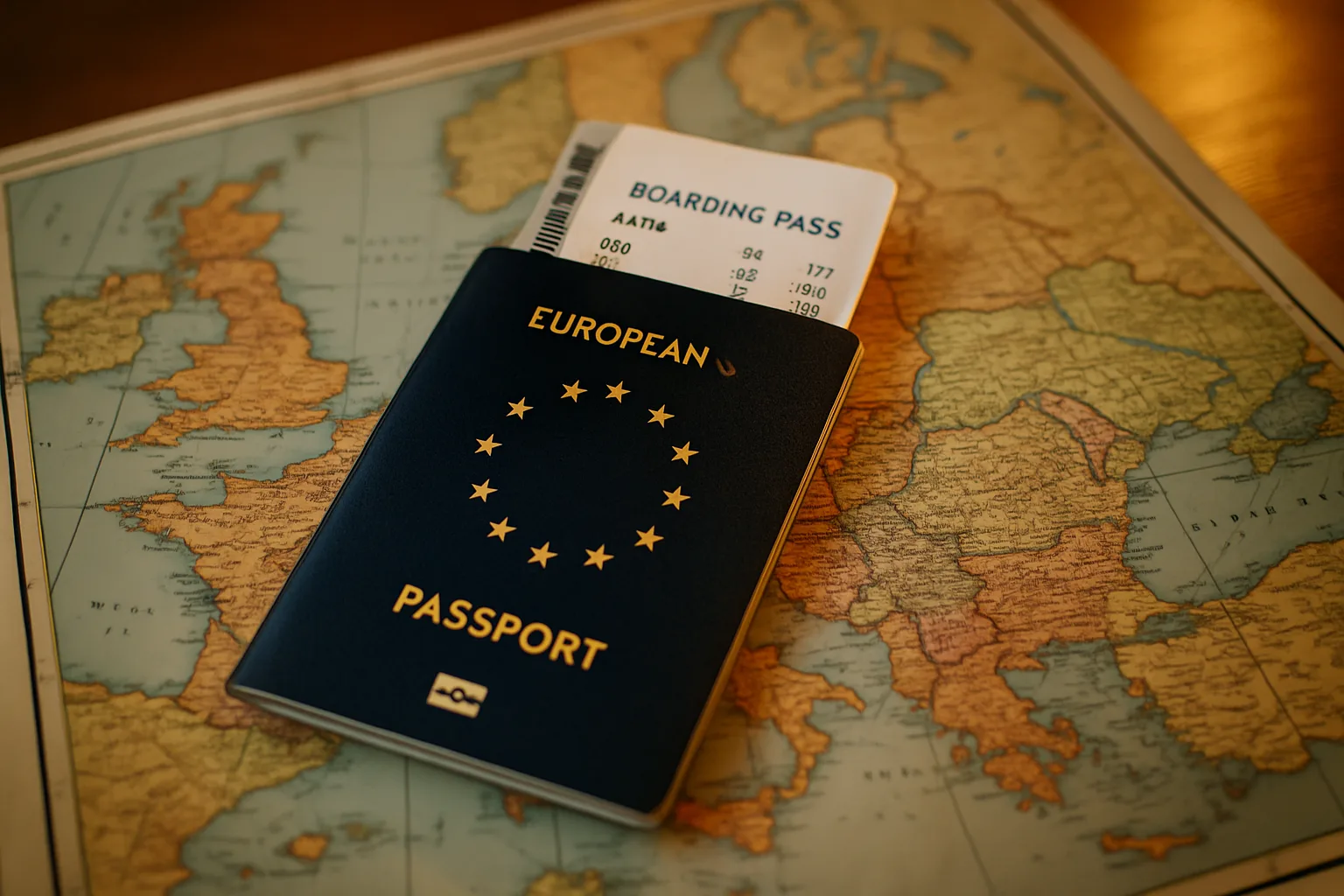
- EES launches in late 2025; ETIAS follows 6 months later.
- Initial rollouts will be gradual, with phased implementation to avoid disruption.
- Most travellers won't face significant extra wait times once systems are running smoothly.
You've seen the headlines: "EU border chaos looming," "New checks to cause summer travel meltdown." It's enough to make any traveller nervous. But here's the reality — the EU knows it cannot afford to wreck peak-season holidays. The new systems are designed to be phased in carefully.
This article cuts through the noise. You'll learn exactly what EES and ETIAS are, when they launch, and whether they'll actually cause you to miss your flight. We'll also give you practical tips to breeze through borders, whatever the system.
Remember: this is general guidance. Always check official EU and UK government sources before you travel.
What Are EES and ETIAS?
Two new systems are coming to the Schengen Area's external borders. They work together but do different things.
Entry/Exit System (EES)
EES is an automated IT system that registers non-EU travellers each time they cross an external EU border. Instead of stamping your passport, the system records your name, travel document type, biometric data (fingerprints and facial image), and the date and place of entry and exit.
It replaces the old manual stamping. The goal is to identify overstayers, detect travellers using fake identities, and speed up border processes in the long run.
For more detail, see our full guide on the EES entry exit system EU border checks.
European Travel Information and Authorisation System (ETIAS)
ETIAS is a visa-waiver system for nationals of countries that currently don't need a visa to enter the Schengen Area (including UK, US, Canadian, Australian, and many other travellers). You'll need to apply online before travel, pay a small fee (€20 for most), and receive an authorisation valid for three years or until your passport expires.
It's not a visa. It's a pre-screening check. Think of it like the US ESTA or UK ETA.
Most applications are approved within minutes.
When Will These Systems Launch?
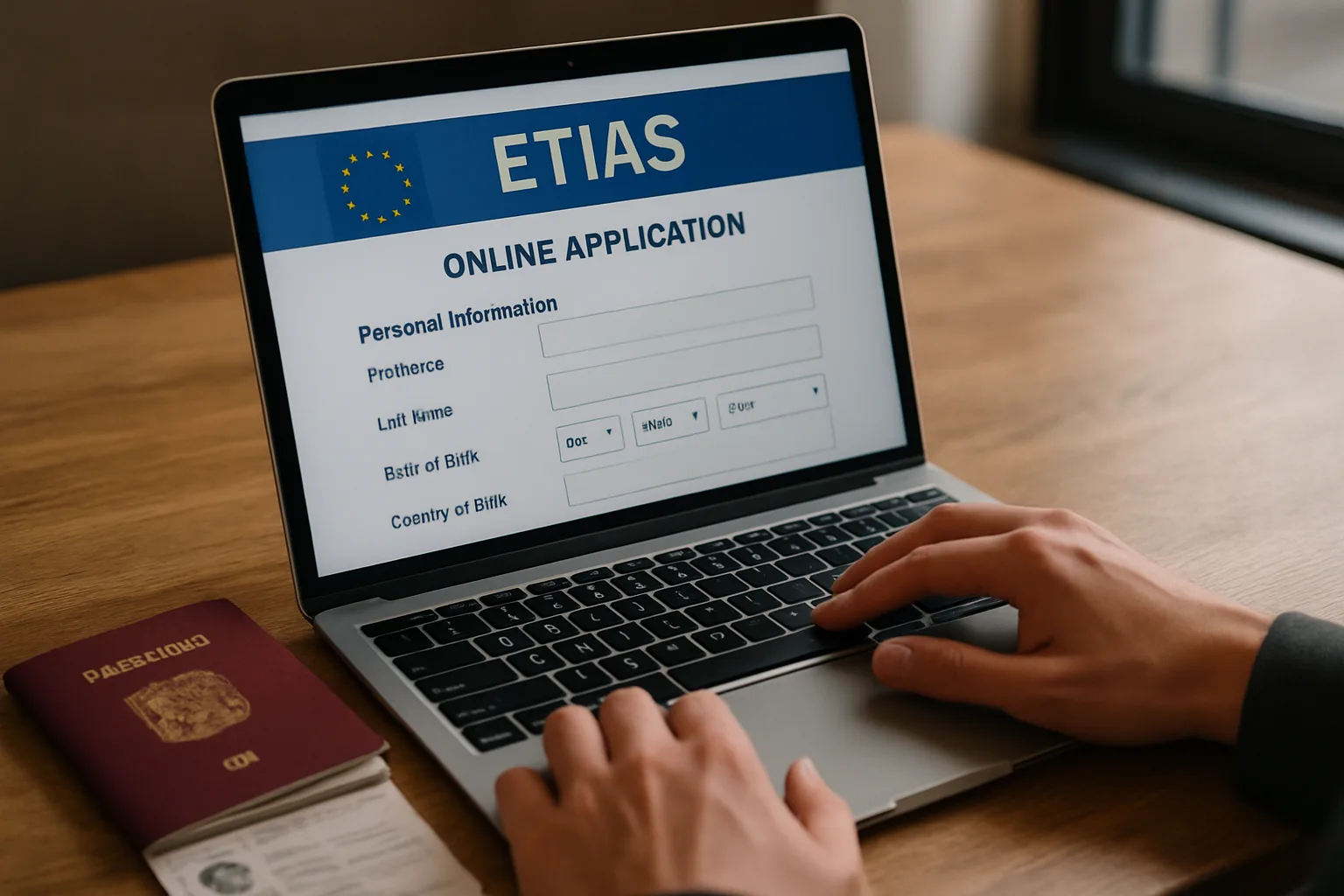
Timelines have shifted multiple times. Here's the current expected schedule as of mid-2025:
- EES: Expected to go live in late 2025 (October or November). No firm date yet.
- ETIAS: Will follow approximately 6 months after EES goes live — likely mid-2026.
Both systems have been delayed before. The EU is cautious. They want a smooth rollout, not chaos at borders.
Will EES Cause Summer Travel Delays in 2025?
If EES launches in late 2025 (autumn/winter), it won't affect summer 2025 travel at all. Summer 2025 borders will operate exactly as they do now — manual passport stamps, no EES checks.
Even if EES were to launch during summer, the EU has promised a phased rollout. Not all borders will switch on day one. Some ports and airports may start later.
This should spread out any teething problems.
That said, the initial weeks of any new system can be bumpy. Staff need training. Systems need testing.
You might see slightly longer queues at a few major entry points. But widespread summer delays? Unlikely.
How Will EES Actually Work at the Border?
When you arrive at an airport or port, you'll approach a self-service kiosk or an e-gate. The kiosk will scan your passport and capture your fingerprints and facial image. This process takes about 30 to 60 seconds for first-time users.
For subsequent trips, the system will recognise you faster. It will match your biometrics against the stored data, often in under 10 seconds. This reduces the time spent at the border over the long term.
Imagine arriving at Paris Charles de Gaulle in summer 2026. You use a kiosk, scan your passport, and place your fingers on the reader. The screen confirms your entry.
You then proceed to a border officer for a quick visual check. Total time: about two minutes.
Will ETIAS Cause Summer Travel Delays in 2026?
ETIAS won't be operational until mid-2026 at the earliest. So summer 2026 could be the first season affected. But again, the EU is planning a gradual introduction.
Here's the key point: ETIAS itself doesn't add time at the border. You apply online before you travel. The authorisation is linked to your passport electronically.
When you arrive, the border officer scans your passport, and the ETIAS status appears instantly. No extra paperwork, no forms to fill in at the counter.
The real potential for delay comes from EES, because that's where biometric data is collected. But even then, the EU is designing self-service kiosks and e-gates to handle most travellers quickly.
For a deeper look at potential queues, read our analysis of EU border wait times summer 2026.
What Could Actually Go Wrong?
No new system is perfect. Here are the realistic risk areas:
- Technical glitches: IT systems can crash, especially in the first weeks. If EES goes down, border staff may revert to manual checks, slowing things down.
- Staff training gaps: Not all border officers will be equally comfortable with the new systems on day one.
- Biometric enrolment delays: First-time EES registration takes longer than a simple passport scan — expect 30-60 seconds extra per person at the kiosk.
- Queue build-up at peak times: Even small extra delays per passenger can multiply during summer rush hours.
But the EU has run extensive trials. They've tested the systems at selected borders. They know where the bottlenecks are and have mitigation plans.
What About Technical Failures at Major Airports?
Consider a scenario at Amsterdam Schiphol in August 2026. The EES system experiences a temporary outage during the morning rush. Border officers switch to manual checks using paper forms and passport stamps.
Queues grow quickly. Passengers with connecting flights may face delays. The airport deploys extra staff to manage the flow.
The system is restored within an hour, but the backlog takes two hours to clear.
Such incidents are possible but not guaranteed. The EU has backup servers and offline modes. Most failures will be brief and localised.
How Do Backup Systems Work in Practice?
When EES goes offline, border staff use portable devices to scan passports and record entry manually. These devices store data locally and sync when the system is restored.
At smaller border crossings, officers may revert to paper lists or phone calls to verify traveller status. This is slower but ensures no one is stranded.
For example, at the Port of Dover, backup procedures include handwritten logs and mobile fingerprint scanners. These measures keep traffic flowing, albeit at reduced speed.
How Will Summer 2026 Be Different?
Summer 2026 will be the first real test with both EES and ETIAS likely in place. Here's what to expect:
- More e-gates: Many airports and ports will have automated gates that process eligible travellers (biometric passport holders) quickly.
- Pre-enrolment options: Some countries may allow you to pre-register biometrics online or at a kiosk before your trip.
- Phased rollout: Not every border will use EES from day one. Land borders (e.g., driving from Switzerland into France) may be last to switch.
Our dedicated guide on EU border system holiday delays EES ETIAS covers this in more detail.
Practical Tips to Avoid Delays
Whether you're travelling this summer or next, here's how to minimise your border time:
- Apply for ETIAS early. Once it's live, don't wait until the last minute. Apply at least 72 hours before departure, though most approvals come in minutes.
- Use e-gates where possible. If you have a biometric passport (the one with the gold camera symbol), you can use automated gates at many EU airports. This bypasses the manual booth.
- Have your documents ready. Have your passport open at the photo page, remove any covers, and have your boarding pass or travel itinerary accessible.
- Travel during off-peak hours. Early morning and late evening flights often have shorter queues.
- Check your passport validity. Your passport must be valid for at least 3 months beyond your planned departure from the Schengen Area, and issued within the last 10 years.
- Consider using a trusted traveller programme. Some EU countries have registered traveller schemes (e.g., Germany's EasyPass, France's PARAFE) that offer expedited clearance. Check eligibility.
What If You Have a Connecting Flight?
If you're transiting through a Schengen airport to another non-Schengen destination, you may not need to pass through border control. Check with your airline whether you stay in the transit area.
For connections within Schengen, you'll clear border control at your first point of entry. Allow at least 2-3 hours for connections to account for potential EES delays.
For instance, flying from New York to Barcelona via Madrid means you clear Spanish border control in Madrid. Your luggage is checked through, but you must go through passport checks.
What About UK Travellers?
UK citizens will need ETIAS for short stays in the Schengen Area once it launches. The UK is a non-EU country now, so you're treated like any other visa-exempt third-country national.
You won't need a visa for tourism or business trips up to 90 days in any 180-day period. But you will need ETIAS authorisation. The application is online, costs €20, and is valid for 3 years.
At the border, you'll go through the non-EU queue. EES will register your entry and exit. If you have a biometric UK passport, you can use e-gates at many airports.
One thing to note: the UK has its own border system (the UK ETA for visa-exempt travellers). If you're a non-UK national travelling to the UK, check whether you need a UK ETA. The two systems are separate.
Will There Be Chaos at Land Borders?
Land borders — like driving from Switzerland into France or from Croatia into Slovenia — are a special concern. Currently, many land borders within Schengen have no systematic checks. EES will change that.
The EU is aware that installing kiosks at every road crossing is impractical. So they plan a lighter touch at land borders: officers will use mobile devices to scan passports and register entry/exit. This could still cause delays at busy crossings during summer weekends.
If you're planning a road trip across multiple Schengen countries, factor in extra time at border crossings. But again, the rollout will be gradual. The EU may exempt certain low-traffic crossings initially.
What About Train Crossings?
Train borders, such as Eurostar from London to Paris or Thalys from Brussels to Amsterdam, will also use EES. Passengers will be processed at the departure station before boarding.
Eurostar already checks passports before departure. EES will add biometric enrolment at the same point. This may increase check-in times by 5-10 minutes per passenger during peak hours.
For example, at London St Pancras, you'll scan your passport and fingerprints at a kiosk before proceeding to security. The process is similar to airport e-gates.
How Will Ferry Ports Handle EES?
Ferry ports like Dover or Calais present unique challenges. Thousands of passengers arrive in vehicles. EES requires biometric checks for each individual, which takes time.
The EU is testing mobile kiosks that can be used while passengers remain in their cars. Officers will walk along queues, scanning passports and capturing fingerprints with handheld devices. This keeps traffic moving.
At peak summer weekends, expect longer waits at major ports. The Port of Dover has already warned that EES could add 10 to 15 minutes per vehicle during busy periods. Plan accordingly.
How Can Ferry Travellers Prepare?
If you're driving onto a ferry, have your passports ready for each passenger. Remove sunglasses and hats to speed up facial recognition scans.
Consider arriving at the port 30-60 minutes earlier than usual during summer weekends. This buffer helps absorb any unexpected delays.
For example, a family of four driving from Dover to Calais in August 2026 should allow an extra hour for EES processing. This ensures they don't miss their sailing.
What Do the Airlines Say?
Airlines are watching closely. They don't want summer delays either. Industry groups have been in regular consultation with the EU to ensure systems are robust and that staff are trained.
Some airlines may offer to check your ETIAS status at check-in, similar to how they check visa requirements today. If you don't have a valid ETIAS, you could be denied boarding. So it's your responsibility to have authorisation before you travel.
Major carriers like Ryanair and easyJet have already updated their booking systems. They will prompt passengers to check ETIAS requirements when booking flights to Schengen countries. This helps reduce last-minute surprises.
How Will ETIAS Affect Non-EU Citizens?
Non-EU citizens from visa-exempt countries will be the primary users of ETIAS. This includes travellers from the United States, Canada, Australia, New Zealand, Japan, South Korea, and many others.
Each applicant must fill out an online form with personal details, passport information, and a few security questions. The system checks against databases like Interpol and Europol. Most applications are approved automatically within minutes.
If your application is flagged for manual review, it may take up to 72 hours. In rare cases, it could take longer. Always apply well in advance of your trip to avoid delays.
What Information Is Required for ETIAS?
The ETIAS application asks for basic personal data: full name, date of birth, nationality, passport number, and contact details. You'll also answer security questions about criminal history and travel to conflict zones.
You do not need to upload supporting documents for most applications. The system cross-references your details with existing databases automatically.
For example, a US citizen applying for ETIAS will enter their passport number and answer a few yes/no questions. The system checks against Interpol records and returns a decision within minutes.
What About Children and Families?
Children under 18 will need their own ETIAS authorisation. Parents or guardians can apply on their behalf. The fee for children is the same as for adults: €20.
At the border, families may use the same kiosk or e-gate. Children's biometrics (fingerprints and facial image) will be captured just like adults. This is standard procedure for security.
If you're travelling with young children, allow extra time at the border. The biometric enrolment process may take a bit longer for kids who are fidgety or uncooperative.
Are There Special Rules for Minors Travelling Alone?
Unaccompanied minors must have their own ETIAS and a signed parental consent letter. Border officers may ask for additional documentation, such as proof of guardianship.
It's wise to carry a copy of the child's birth certificate and a notarised letter from the absent parent. This avoids delays at border control.
For example, a 16-year-old travelling alone from Canada to France should have ETIAS, a passport, and a letter from both parents. The border officer may verify these before allowing entry.
Will There Be Exemptions for Certain Travellers?
Yes, some travellers are exempt from EES and ETIAS requirements. These include:
- EU citizens (they use separate lanes).
- Residents of Schengen countries with valid residence permits.
- Diplomatic passport holders on official duty.
- Transit passengers who do not enter the Schengen Area.
If you hold a residence card from an EU country, you will not need ETIAS. Your card serves as proof of legal residence. You will still pass through border checks but with fewer formalities.
How Will the EU Communicate Changes to Travellers?
The European Commission plans a major public awareness campaign. This will include websites, social media, airport posters, and partnerships with airlines and travel agencies.
You can expect notifications when you book flights or search for travel information. Official EU sources like the ETIAS website will provide clear guidance. Always check these sources before your trip.
Third-party travel blogs and forums may also offer tips. But rely on official channels for the most accurate and up-to-date information.
Will There Be a Mobile App for ETIAS?
The EU is developing a mobile app for ETIAS applications. This will allow you to apply, pay, and receive your authorisation directly on your smartphone.
The app is expected to launch alongside the ETIAS system in mid-2026. It will include a digital copy of your authorisation for easy access.
For example, you can download the app, fill in your details, and receive a QR code to present at the border. This eliminates the need for printed documents.
What If You Forget to Apply for ETIAS?
If you arrive at the airport without a valid ETIAS, you may be denied boarding. Airlines are required to check your travel authorisation before allowing you to fly.
In some cases, you might be able to apply at the airport using a mobile device or a kiosk. But this is not guaranteed. The safest approach is to apply well before your departure.
If you are already in the Schengen Area and your ETIAS expires, you can apply for a new one while abroad. But you must have a valid authorisation before your next entry into the Schengen Area.
What If You're Denied ETIAS?
If your ETIAS application is denied, you'll receive a reason and instructions on how to appeal. Common reasons include criminal records or security concerns.
You can reapply with additional documentation, such as a police clearance certificate. The appeals process may take several weeks, so plan accordingly.
For example, a traveller with a minor criminal record may need to provide court documents showing the conviction is spent. This can extend the processing time to 30 days.
How Will EES Affect Travellers with Dual Nationality?
Travellers with dual nationality, including one EU passport, should use their EU passport when entering the Schengen Area. This exempts them from EES and ETIAS.
If you hold both a UK and an Irish passport, use the Irish passport to avoid EES checks. Irish citizens are not subject to EES or ETIAS.
For example, a dual US-Italian citizen should present their Italian passport at the border. This allows them to use the EU citizen lane and bypass biometric enrolment.
What About Travellers with Disabilities?
The EU is designing EES kiosks to be accessible for travellers with disabilities. This includes adjustable height screens, audio instructions, and tactile keypads.
If you have a disability that makes biometric enrolment difficult, border officers can assist you manually. Request assistance at the border control area.
For example, a traveller with limited hand mobility may have their fingerprints taken by an officer using a handheld scanner. This ensures everyone can be processed efficiently.
How Will Brexit Affect EES and ETIAS for UK Travellers?
Brexit means UK citizens are now third-country nationals for EU border purposes. This is why ETIAS and EES apply to you.
The UK government has confirmed it will not introduce reciprocal biometric checks for EU travellers at UK borders. But the UK ETA system already requires pre-authorisation for some visitors.
UK travellers should stay informed about both systems. Check the UK government's travel advice page for updates on EU border changes.
Bottom Line: Should You Worry?
For summer 2025: no. EES won't be live yet. Travel as normal.
For summer 2026: probably not, but be prepared. Apply for ETIAS early, use e-gates, and allow a little extra time at the border. The systems are designed to be efficient, and the EU has strong incentives to avoid chaos.
Will there be isolated delays? Almost certainly — any new system has teething problems. But a summer of gridlocked borders?
That's unlikely. The EU has learned from other countries' rollouts (like the UK's ETA) and is taking a cautious approach.
Key takeaways
- EES and ETIAS are coming, but not before late 2025 at the earliest.
- Summer 2025 travel is unaffected.
- Summer 2026 may see minor delays, but widespread chaos is improbable.
- Apply for ETIAS early, use e-gates, and keep your documents ready.
- Check official sources before travel for the latest updates.
Official sources
Check the authority for current fees and requirements before applying.
Frequently asked questions
When will the new EU border checks start?
Will ETIAS cause long queues at airports?
Do I need ETIAS if I have a biometric passport?
Can I apply for ETIAS at the border?
What happens if the EES system crashes during summer?
This article is for general informational purposes only. Visa and travel authorisation rules change frequently. Always check the official government website before travelling.

Written & reviewed by
Can OTUTravel Authorisation Editor
Can OTU is the editor of ETA Travel Assistant, specialising in UK ETA, Schengen ETIAS, NZeTA and ESTA travel authorisations. Can monitors official government sources and policy updates to ensure every guide is accurate, current and genuinely useful for travellers.
View all guides →