ETIAS and EU Border Wait Times: What Travellers Can Expect This Summer
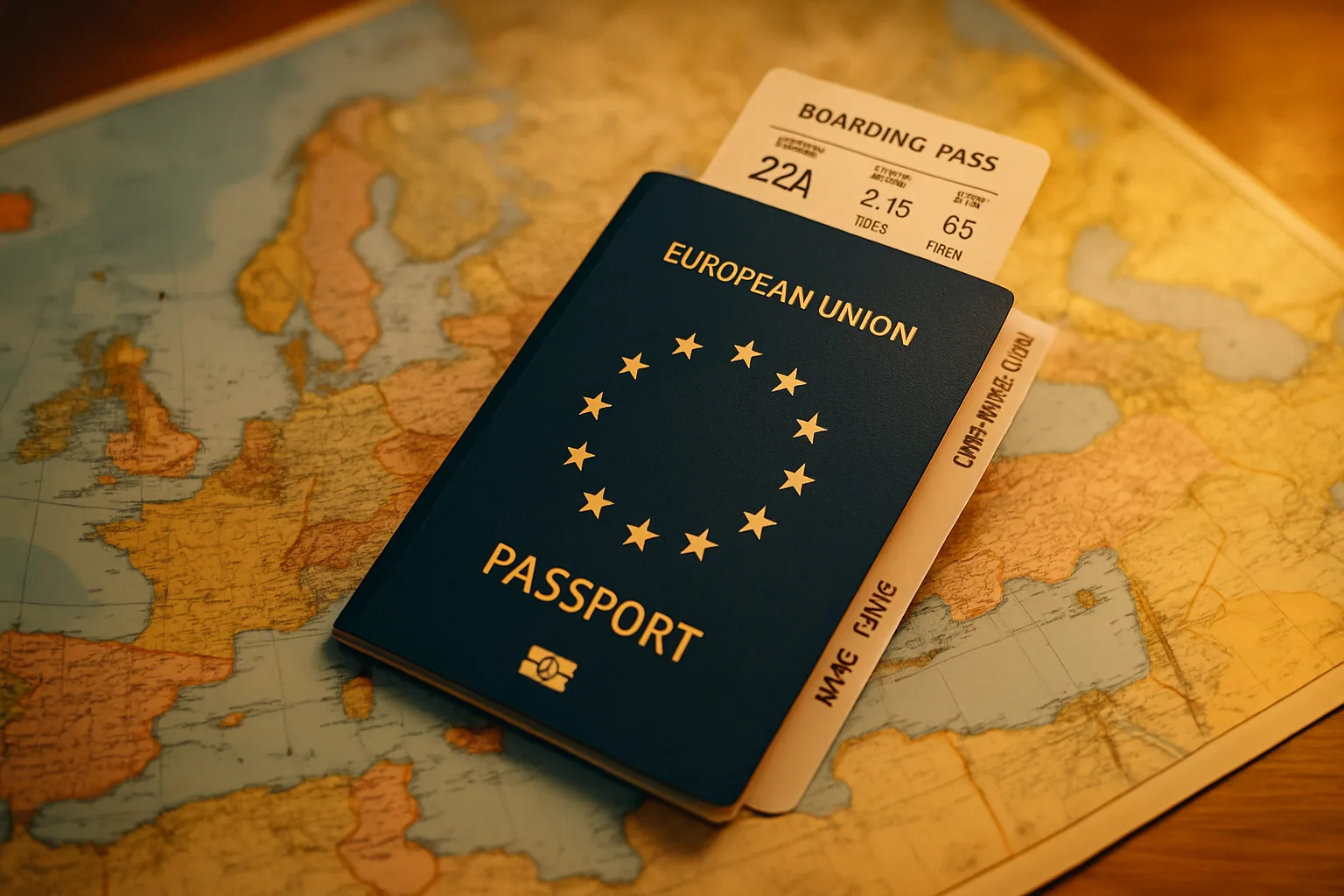
- ETIAS is a pre-travel authorisation, not a visa – most checks happen before you fly.
- EES (Entry/Exit System) will digitally register non-EU travellers, adding time at the border.
- Summer 2026 is the first peak season with both systems – expect longer waits at major airports and land borders.
If you're planning a trip to Europe this summer, you've probably heard about ETIAS. But you might be wondering: will it mean hours stuck in line at passport control? The short answer is no – but the new Entry/Exit System (EES) could make queues longer, especially at busy border points.
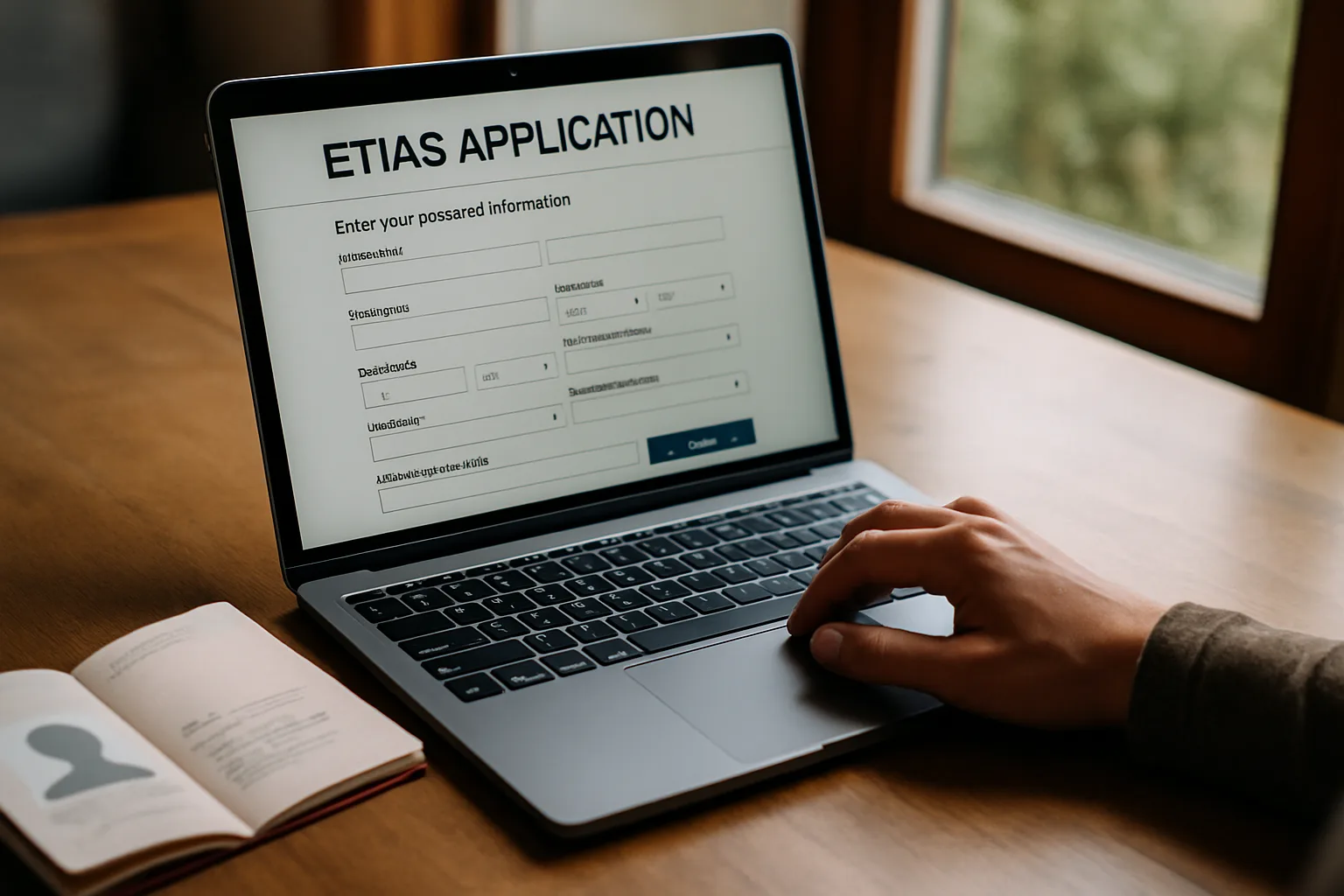
Let's be clear: ETIAS is not a visa. It's a quick online authorisation you get before you travel. You apply, pay a small fee, and if approved, you're good to go for three years.
The real change at the border comes from EES – a digital system that will track when you enter and leave the Schengen Area.
This article breaks down exactly what to expect for EU border wait times in summer 2026, how ETIAS and EES work together, and practical steps to avoid delays. We'll cover the facts, the myths, and what you need to know before you pack your bags.
What is ETIAS and Why Does It Matter for Border Wait Times?
ETIAS stands for European Travel Information and Authorisation System. It's not a visa – it's a pre-screening for visa-exempt travellers (like US, UK, Canadian, Australian passport holders) entering the Schengen Area. You apply online, and most people get approved within minutes.
Once granted, it's valid for three years or until your passport expires.
Since ETIAS approval happens before you travel, it shouldn't directly cause delays at the border. Border officers will check your passport – and your ETIAS authorisation is linked electronically to it. That check takes seconds.
But here's the catch: if your ETIAS is denied or you haven't applied, you could be turned away at the border. That's a delay of a different kind – one that ends your trip before it starts.
So for most travellers, ETIAS won't add time to the queue. The bigger factor is EES.
What is EES and How Will It Affect EU Border Wait Times?
The Entry/Exit System (EES) is a new automated system that will register non-EU travellers each time they cross an external Schengen border. Instead of a passport stamp, your entry and exit will be recorded digitally – including your name, travel document, biometrics (fingerprints and facial image), and the date and place of entry/exit.
This change is significant. Currently, border officers scan your passport and stamp it – a process that takes about 10-15 seconds. With EES, they'll need to capture your fingerprints and photo on first entry, and then verify them on subsequent trips.
That first enrolment can take 30-90 seconds per person. Multiply that by hundreds of passengers in a queue, and you can see how delays build up.
Summer 2026 will be the first peak season with EES fully operational. Expect longer waits at busy airports like Paris Charles de Gaulle, Amsterdam Schiphol, Frankfurt, and at land borders like the UK-France border at Dover or the Channel Tunnel. Border authorities are aware of this and are rolling out self-service kiosks to speed things up, but teething problems are likely.
For a deeper dive into how EES works alongside ETIAS, check out our guide on EES entry exit system EU border checks.
Will ETIAS Cause Longer Queues at the Border?
No – ETIAS itself will not cause longer queues. Your authorisation is checked electronically when your passport is scanned. The border officer sees a green light on their screen.
No extra paperwork, no stamps. The process is designed to be seamless.
However, there's one scenario where ETIAS could indirectly contribute to delays: if a traveller hasn't applied, or if their application is pending or denied. That traveller will be pulled aside for questioning, which holds up the line. But that's a user error, not a system problem.
In short: apply for ETIAS before you travel, and you'll breeze through. Forget to apply, and you could be the reason the queue behind you gets longer.
How Long Will EU Border Wait Times Be in Summer 2026?
Predicting exact wait times is tricky – it depends on the airport, time of day, and how well the rollout goes. But here's a realistic picture based on pilot tests and official projections:
| Border Type | Current Wait (peak) | Estimated Wait Summer 2026 (peak) |
|---|---|---|
| Major airport (e.g., CDG, AMS) | 20-40 min | 30-60 min |
| Regional airport | 10-20 min | 15-30 min |
| Land border (e.g., Dover) | 30-60 min | 45-90 min |
| Eurostar/Channel Tunnel | 15-30 min | 20-45 min |
These are estimates. The EU is rolling out self-service kiosks and automated gates to reduce the impact. But first-time enrolment will always take longer than a simple passport scan.
If you're travelling in summer 2026, plan for extra time – especially if you're catching a connecting flight or have a tight schedule.
What Can You Do to Avoid Long Waits?
You can't control the system, but you can control your preparation. Here's how to minimise your time in line:
- Apply for ETIAS well in advance. Do it as soon as you book your trip. Most approvals are instant, but allow a few days just in case.
- Check your passport. It must be valid for at least 3 months beyond your planned departure from Schengen. If it's close to expiring, renew it first.
- Use e-gates where available. Many airports have automated passport control for biometric passports. EES will integrate with these, but first-time users may need to see an officer.
- Travel during off-peak hours. Early morning and late evening flights often have shorter queues. Avoid midday arrivals at major hubs.
- Have your documents ready. Keep your passport and boarding pass accessible. Don't fumble in your bag at the counter.
- Consider using a trusted traveller programme. Some EU countries have registered traveller schemes (e.g., France's PARAFE). Check if you're eligible.
These steps won't eliminate the wait, but they'll keep you moving faster than the unprepared traveller.
How Does ETIAS Compare to the UK ETA or US ESTA?
If you're familiar with the UK ETA or the US ESTA, ETIAS works similarly. All three are pre-travel authorisations for visa-exempt travellers. The key difference is that ETIAS covers the Schengen Area (29 European countries), while the UK ETA is for the UK only, and ESTA is for the US.
None of these systems are visas. They're quick, cheap, and valid for multiple trips over several years. The UK ETA costs £20, ESTA costs $21, and ETIAS will cost €20.
All are applied for online and typically approved within minutes.
The UK ETA launched in 2023 for some nationalities and will expand in 2024-2025. It has a similar purpose: pre-screen travellers to enhance security. But unlike ETIAS, the UK ETA is not linked to an entry-exit system like EES – the UK uses a different system for border control.
So if you're a frequent traveller, you'll likely need both the UK ETA (for the UK) and ETIAS (for Schengen). Check the requirements for each country you plan to visit.
What Happens at the Border When You Arrive?
Here's a step-by-step of what you'll experience at a Schengen border in summer 2026:
- Queue up at passport control. Look for signs for EU/EEA citizens vs. all other passports. You'll join the non-EU line.
- Approach the booth or self-service kiosk. If it's your first EES entry, you'll need to provide fingerprints and a facial image. This is done at a kiosk or at the officer's desk.
- Present your passport. The officer scans it. Your ETIAS authorisation is automatically verified. The officer may ask a few questions (purpose of trip, accommodation, return ticket).
- Get your entry recorded. EES logs your entry date and time. No stamp. You're free to enter.
- On exit, you'll go through a similar process – your exit is recorded, and your allowed stay is updated.
The whole process should take 30-60 seconds for first-time enrolment, and 10-20 seconds for subsequent trips (since your biometrics are already on file). But queues can still build if many first-time travellers arrive at once.
Will There Be Delays at Land Borders (e.g., Dover, Eurotunnel)?
Land borders between the UK and France are a special case. Because the UK is not in Schengen, travellers from the UK to France must pass through French border controls before boarding the ferry or train. This is done on UK soil (juxtaposed controls).
At Dover and the Channel Tunnel, French border officers check passports and, from 2026, will use EES. This means queues could form before you even leave the UK. During peak summer weekends, delays have already been known to stretch to several hours.
With EES, that could get worse – at least initially.
The French and UK authorities are working on solutions, including more kiosks and staff. But if you're driving to Europe via Dover or taking the Eurotunnel, allow extra time. Consider travelling midweek or early morning to avoid the worst queues.
What About Airports with US Preclearance?
Some airports (like Dublin, Shannon, and a few in the Caribbean) have US preclearance – you clear US customs before boarding your flight. But for Schengen, there's no equivalent. You'll always clear EU border control on arrival.
So no shortcuts there – but you can use e-gates if available.
Are There Any Exemptions from ETIAS or EES?
Yes, some travellers are exempt:
- EU/EEA/Swiss citizens – they don't need ETIAS and are not subject to EES (they use a separate system).
- Non-EU family members of EU citizens – they may have different rules under EU free movement law.
- Holders of a valid Schengen visa – they don't need ETIAS. The visa itself grants entry.
- Diplomatic passport holders – often exempt, but check specific agreements.
- Transit passengers – if you're transiting through a Schengen airport without leaving the international zone, you generally don't need ETIAS. But check – some airports require it even for transit.
If you're unsure, always check the official EU ETIAS website or consult your airline. This is general guidance – not professional advice.
What If Your ETIAS Application Is Denied?
Denials are rare but possible. If your application is rejected, you'll receive a reason. You can appeal the decision.
But if you're denied, you cannot travel to Schengen without a visa. This could cause significant delays to your plans – and to the queue behind you if you show up at the border without authorisation.
To avoid this, apply well in advance and double-check your application for errors. A mistake in your passport number or name could trigger a denial.
How Will ETIAS and EES Affect Business Travellers?
Business travellers who cross borders frequently will feel the impact most. If you're a consultant flying into Frankfurt every month, you'll need to go through EES enrolment once, then subsequent trips should be faster. But the first time will take a bit longer.
Apply for ETIAS early and keep your passport handy.
Some business travellers may qualify for trusted traveller programmes that offer expedited clearance. Check if your country has a bilateral agreement with Schengen states.
What About Families with Children?
Children also need ETIAS – there's no age exemption. Parents or guardians must apply on their behalf. At the border, children under 12 may not need to provide fingerprints (rules vary by country).
But they will still need a passport and ETIAS authorisation.
Families can sometimes use a dedicated family lane at larger airports, which may be faster. But expect the same EES process for each member.
Will ETIAS Reduce Border Wait Times in the Long Run?
Yes – once the systems are fully operational, ETIAS and EES should actually improve efficiency. Pre-screening travellers means border officers have less to check. Automated gates will handle most passengers, and manual checks will be reserved for exceptions.
The EU's goal is to make borders faster and more secure.
But the transition period – especially summer 2026 – will be bumpy. Think of it like a software update: once it's installed, things run smoother. But the installation itself can be a hassle.
How Do Airports Plan to Manage Summer Peak Queues?
Major airports are investing in infrastructure to handle the extra load from EES. For example, Amsterdam Schiphol plans to install dozens of self-service kiosks in arrival halls. These kiosks allow travellers to scan their passport and provide biometrics before reaching the border officer.
This reduces the time spent at the booth.
Paris Charles de Gaulle is testing similar technology in Terminal 2E. The goal is to process up to 30 passengers per kiosk per hour. However, staff will still be needed to assist first-time users and resolve technical glitches.
In summer 2026, expect some kiosks to be out of service or slow due to high demand.
If you arrive at a busy time, look for signs directing you to kiosk lanes. These lanes often move faster than manual booths. But if you have a complex travel history or a damaged passport, you may be directed to a manual check anyway.
What Should You Do If You Miss a Connection Due to Border Delays?
Border delays can cause missed flights, especially at hubs like Frankfurt or Paris. If you have a tight connection, inform the airline staff as soon as you land. They may rebook you on the next available flight.
But don't rely on this – plan a buffer of at least 2-3 hours between arrival and departure.
Some airlines offer priority lanes for connecting passengers at certain airports. Check with your carrier before travel. For example, Lufthansa passengers at Frankfurt can use a dedicated transfer desk if delayed.
However, this does not bypass border control – you still need to clear EES.
If you miss a connection due to border queues, document the delay. Take a photo of the queue or get a note from border staff. This may help with insurance claims or rebooking fees.
But prevention is better – always allow extra time.
How Will Brexit Affect ETIAS and EES for UK Travellers?
Since Brexit, UK citizens are now third-country nationals for Schengen purposes. This means you need ETIAS for short stays (up to 90 days in any 180-day period). You are also subject to EES registration.
This is a major change from pre-Brexit days when UK citizens could use EU citizen lanes.
UK travellers will now join the non-EU queue at border control. This could feel frustrating, especially if you're used to fast-track lanes. But the process is the same for all visa-exempt travellers.
The UK government advises allowing extra time for border checks when travelling to the EU.
For UK travellers driving through France, the situation at Dover is especially relevant. French border controls on UK soil mean queues can start before you board. Plan for potential delays of 1-2 hours during peak summer weekends.
What About Travellers with Dual Nationality?
If you hold both an EU passport and a non-EU passport, use your EU passport when entering Schengen. EU citizens are exempt from ETIAS and EES. They use separate lanes and faster processing.
Presenting your non-EU passport could trigger unnecessary checks.
But be careful: some countries require you to use your passport of entry. If you enter on an EU passport, you must exit on the same one. Mixing passports can cause confusion at the border.
Always carry both documents, but present the one that gives you the easiest entry.
If your non-EU passport is from a visa-exempt country (like the US or Canada), you still need ETIAS for that passport. But using your EU passport avoids this entirely. Check your citizenship rights before travel.
How Will Technology Like Facial Recognition Speed Up Borders?
The EU is investing in facial recognition technology for automated border gates. These gates scan your face and compare it to your passport photo. If it matches, the gate opens.
This process takes about 5-10 seconds. EES will integrate with these gates for subsequent trips after your first enrolment.
However, first-time enrolment still requires fingerprinting and a facial image capture. This cannot be done at a gate – you need a kiosk or officer. So the first entry will always be slower.
But once enrolled, you can use automated gates for faster exit and re-entry.
Some airports are testing "contactless corridors" where you walk through without stopping. These are still in pilot phase. For summer 2026, expect traditional gates and kiosks as the norm.
How Do Seasonal Factors Affect Wait Times at Different Borders?
Summer 2026 will see peak travel volumes, but wait times vary by location and time of year. For example, ski resorts in the Alps see winter surges, while Mediterranean beaches attract summer crowds. At airports like Nice or Geneva, border queues can double during holiday weeks.
Land borders at popular crossings, such as between Germany and Switzerland, may also experience seasonal spikes. However, these are internal Schengen borders and not subject to EES. Only external borders (like the UK-France border) are affected.
If you travel during a major event, like the Olympics or a music festival, expect additional delays. Plan your arrival time carefully and check local travel advisories.
What Role Do Airlines Play in Managing Border Queues?
Airlines are not directly responsible for border control, but they can help reduce delays. Many carriers now offer digital document checks before boarding. For example, some airlines verify your ETIAS status during online check-in.
This reduces the chance of issues at the border.
Additionally, airlines may provide guidance on queue times at specific airports. Check your airline's app or website for real-time updates. Some airlines also offer fast-track services for a fee, which can bypass general queues at certain airports.
However, these services do not exempt you from EES or ETIAS requirements. Always ensure your documents are in order before arriving at the airport.
How Can You Stay Informed About Changing Requirements?
Travel rules can change quickly. The EU may adjust ETIAS or EES implementation based on feedback. To stay updated, follow official sources like the EU's travel website or your home country's foreign office.
Avoid relying solely on social media or travel forums.
Subscribe to travel alerts from your airline or travel agent. Many offer email updates on border changes. For example, the UK Foreign Office provides travel advice for each country, including Schengen entry rules.
If you have a specific question, contact the embassy of the Schengen country you plan to visit. They can provide the most accurate information for your nationality.
What Are Common Myths About ETIAS and Border Wait Times?
There are several myths circulating about ETIAS and EES. One common myth is that ETIAS will require an interview or in-person appointment. This is false – the application is entirely online.
Another myth is that EES will replace passport checks entirely. In reality, officers will still verify documents manually in many cases.
Some travellers believe that ETIAS guarantees entry to Schengen. This is not true – border officers have final say. They can deny entry even if you have an approved ETIAS.
Always carry proof of accommodation, return tickets, and sufficient funds.
Finally, a myth persists that ETIAS will cause hours-long delays at every border. As we've explained, the system is designed to be quick. Delays are more likely from EES, especially during the first year of operation.
How Do Different Nationalities Experience Border Wait Times?
Wait times can vary based on your passport. Travellers from countries with high visa overstay rates may face longer checks. For example, US and UK citizens generally experience faster processing than those from some other visa-exempt nations.
However, EES treats all non-EU travellers equally.
If you hold a passport from a country with a strong travel history, you may be directed to automated gates sooner. But first-time enrolment still applies to everyone. The key is to have a valid, undamaged passport with a biometric chip.
Some nationalities may also be eligible for expedited processing through bilateral agreements. Check with your embassy if your country has such an arrangement with Schengen states.
What Are the Costs of Delays for Travellers and the Economy?
Border delays have financial implications. For travellers, a missed flight can cost hundreds of euros in rebooking fees. Lost hotel nights and car rental reservations add to the expense.
For business travellers, a delayed meeting can impact contracts or partnerships.
For the economy, long queues can deter tourism. A study by the European Commission estimated that border delays cost the EU economy billions annually in lost revenue. Faster systems like ETIAS and EES aim to reduce these costs over time.
However, the transition period may temporarily increase costs. Travellers should budget for potential delays and consider travel insurance that covers missed connections.
How Will the Rollout of EES Affect Different Border Types?
The impact of EES will vary by border type. At airports, self-service kiosks and e-gates will help manage flow. At seaports, such as ferry terminals, space constraints may limit kiosk installation.
This could lead to longer queues at ports like Dover or Calais.
At land borders with non-Schengen countries, such as between Norway and Russia, EES will be implemented gradually. These borders may see less traffic but still require biometric enrolment. Travellers crossing these borders should expect similar delays.
At rail borders, like the Eurostar terminal in London, EES will be integrated into existing check-in processes. Staff will guide passengers to kiosks before boarding. The goal is to minimise disruption, but initial queues are likely.
What Are the Technical Challenges of Implementing EES?
EES relies on a centralised database that must be accessible at all border points. Technical glitches, such as system outages or slow connections, could cause significant delays. During summer 2026, high demand may strain the system.
Border authorities are conducting stress tests to identify weak points. For example, pilot programmes at airports like Lisbon have revealed issues with fingerprint scanners. These are being addressed, but not all problems may be resolved by summer 2026.
If you encounter a technical issue at the border, remain patient. Officers are trained to handle such situations manually. However, manual processing takes longer, so expect additional wait times.
How Can You Prepare for the First EES Enrolment?
Your first EES enrolment is the most time-consuming step. To speed things up, ensure your passport is clean and undamaged. Scratches on the biometric chip can cause scanning errors.
Also, remove any passport covers before presenting it.
If you have long nails or tattoos on your fingers, fingerprint scanners may struggle. Officers may ask you to try multiple fingers. This is normal and adds a few seconds to the process.
Finally, have your travel documents ready, including your return ticket and accommodation details. While these are not always required, having them accessible can prevent delays if asked.
What Are the Alternatives to Traditional Border Queues?
Some airports offer premium services to bypass queues. For example, fast-track lanes are available at many hubs for a fee. These lanes often lead to dedicated booths with shorter wait times.
However, they do not exempt you from EES enrolment.
Another alternative is to use mobile passport control apps, where available. These apps allow you to submit your details before arrival. Some airports, like those in Finland, are testing such systems.
Check if your destination airport offers this option.
For frequent travellers, trusted traveller programmes like Global Entry (for US citizens) may offer expedited entry to some Schengen countries. However, these programmes are limited and not yet widespread in Europe.
How Will ETIAS and EES Affect Cruise Ship Passengers?
Cruise passengers entering Schengen will also need ETIAS and undergo EES enrolment. This applies at the first port of entry. The process is the same as for air travellers, but cruise terminals may have fewer kiosks.
Expect longer queues at popular cruise ports like Barcelona or Civitavecchia.
Cruise lines are preparing for this change. Many will provide guidance on completing ETIAS before departure. Some may even offer onboard assistance for EES enrolment.
However, passengers are ultimately responsible for their own documentation.
If you are on a cruise that visits multiple Schengen countries, you only need to clear EES at the first entry point. Subsequent ports are considered internal travel. But always carry your passport for spot checks.
What Are the Legal Implications of Not Having ETIAS or EES Compliance?
If you arrive at a Schengen border without ETIAS, you may be denied entry. This can result in a ban from future travel or a fine. Similarly, failing to comply with EES registration could lead to questioning or detention.
Overstaying your allowed 90-day period, which EES will track more accurately, can result in deportation or a re-entry ban. The length of the ban depends on the severity of the overstay. Always monitor your stay using the EES system or a personal log.
If you have a legitimate reason for overstaying, such as a medical emergency, carry documentation. Border officers have discretion in such cases, but proof is essential.
How Do Different Schengen Countries Vary in Their Implementation?
While ETIAS and EES are EU-wide systems, individual countries may implement them differently. For example, France may use more manual checks at Dover, while Germany may rely more on e-gates at Frankfurt. These variations can affect wait times.
Some countries, like the Netherlands, have invested heavily in automated kiosks. Others, like Italy, may have slower rollouts due to budget constraints. Check the specific entry point you will use for local updates.
If you are travelling to multiple Schengen countries, your first entry point matters most. That is where EES enrolment occurs. Subsequent entries within Schengen are seamless, but always carry your passport.
What Are the Environmental Impacts of Border Queues?
Long queues at land borders can increase vehicle emissions. Idling cars at Dover or the Channel Tunnel contribute to air pollution. The EU is aware of this and is promoting digital solutions to reduce wait times.
For air travellers, delays can lead to missed flights and additional carbon emissions from rebooked travel. Planning ahead can minimise these impacts. Consider using public transport to the airport to reduce your overall footprint.
Some airports are offsetting emissions from queues through green initiatives. For example, Schiphol uses renewable energy for its kiosks. But the best way to help is to prepare your documents in advance.
Key Takeaways
- ETIAS won't cause delays at the border – it's a pre-travel authorisation checked electronically.
- EES will add 30-90 seconds per person on first entry, potentially building queues at peak times.
- Summer 2026 will be the first peak season with both systems – expect longer waits at major airports and land borders.
- Apply for ETIAS early – at least a few days before travel. It's valid for 3 years.
- Prepare for EES – have your passport ready, use e-gates if possible, and allow extra time.
- Check official sources – travel requirements can change. Always verify with the EU ETIAS website or your airline before departure.
This is general guidance, not professional advice. For the most up-to-date information, visit the official EU ETIAS website.
Frequently asked questions
Will ETIAS make border queues longer in summer 2026?
How long will I wait at the border with ETIAS and EES?
Do I need ETIAS if I'm just transiting through a Schengen airport?
Can I use e-gates with ETIAS and EES?
What happens if I arrive at the border without ETIAS?
This article is for general informational purposes only. Visa and travel authorisation rules change frequently. Always check the official government website before travelling.

Written & reviewed by
Can OTUTravel Authorisation Editor
Can OTU is the editor of ETA Travel Assistant, specialising in UK ETA, Schengen ETIAS, NZeTA and ESTA travel authorisations. Can monitors official government sources and policy updates to ensure every guide is accurate, current and genuinely useful for travellers.
View all guides →