EU New Border System EES: Why Holiday Delays Are Warned and How ETIAS Travellers Are Affected
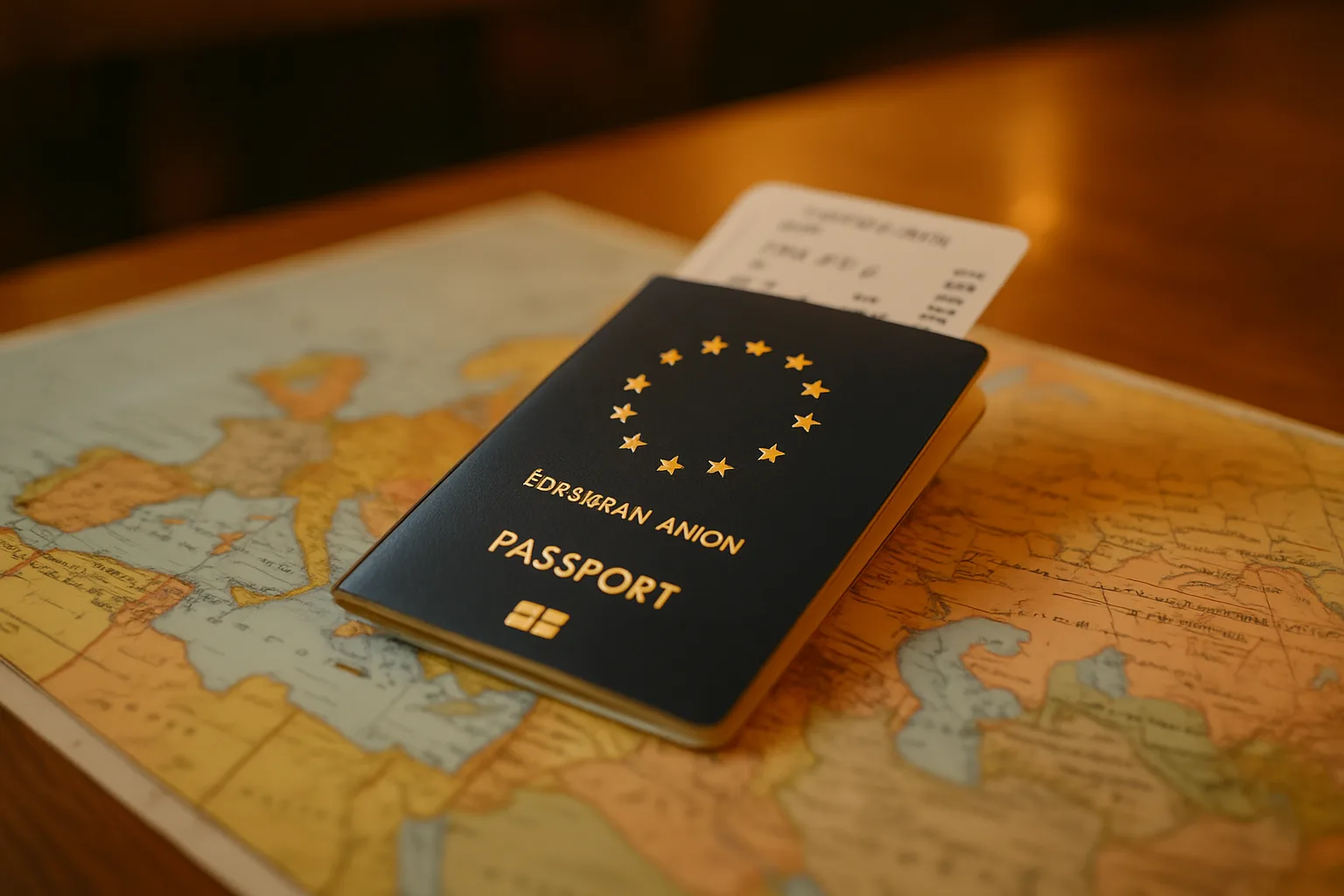
- EES starts October 2025 – expect slower border processing, especially at peak times.
- ETIAS begins 6 months after EES – you'll need to apply online before travel.
- Plan extra time at borders and apply for ETIAS well in advance to avoid holiday delays.
The European Union is rolling out two major border security systems that will change how non-EU travellers enter the Schengen Area. First up is the Entry/Exit System (EES), which will replace manual passport stamping with digital registration. Then comes the European Travel Information and Authorisation System (ETIAS), a pre-travel authorisation for visa-free nationals.
If you're planning a holiday to Europe, you've probably heard warnings about longer queues and potential delays. And yes – there's a real risk of holiday disruption, especially during peak seasons. But with a bit of preparation, you can avoid the worst of it.
This article explains exactly what EES and ETIAS are, how they'll affect your travel, and what you can do to minimise delays. We'll cover the latest timelines, practical tips, and what to expect at the border. Let's cut through the confusion.
What Is the EU Entry/Exit System (EES)?
The Entry/Exit System (EES) is an automated IT system designed to register non-EU travellers each time they cross an external EU border. Instead of getting a passport stamp, your entry and exit will be recorded electronically.
Here's what the system will capture:
- Biometric data: fingerprints and a facial image.
- Personal details: name, travel document type, and passport number.
- Date and place of entry/exit.
- Overstays: the system will automatically calculate how long you've stayed and flag anyone exceeding the 90/180-day limit.
EES applies to all non-EU nationals who don't need a visa for short stays (up to 90 days in any 180-day period). That includes UK, US, Canadian, Australian, and many other passport holders.
The system will be deployed at all Schengen external borders – airports, seaports, and land borders. Rollout is planned for October 2025, though some member states may phase it in gradually.
How EES Will Affect Border Processing Times
The biggest concern for travellers is time. Right now, a border officer glances at your passport, stamps it, and you're through – often in 10-30 seconds. With EES, each traveller will need to provide biometrics (fingerprints and photo) on first use, which takes longer.
Estimates from EU authorities suggest that initial registration could take 30 to 60 seconds per person – that's two to four times longer than a stamp. For a family of four, that's 2-4 minutes just for one family. Multiply that by hundreds of passengers on a busy flight, and queues can build quickly.
At peak holiday times – summer, Christmas, Easter – airports and ferry ports already see long lines. Adding EES processing could make those waits significantly worse. The EU has warned that EU border wait times summer 2026 could be particularly challenging as the system beds in.
Which Borders Will Be Affected Most?
Not all borders will feel the impact equally. High-volume airports like London Heathrow (for Eurostar connections), Paris Charles de Gaulle, Amsterdam Schiphol, Frankfurt, and Madrid-Barajas will see the biggest queues. Seaports in Dover, Calais, and Rotterdam – where large numbers of passengers arrive by ferry – are also high-risk.
Land borders between Schengen and non-Schengen countries (e.g., Norway-Sweden, Switzerland-Italy at certain points) will also be affected, but traffic volumes are lower.
The European Commission has said it will work with member states to deploy enough kiosks and staff to keep delays manageable. But many border authorities are already understaffed, so scepticism is warranted.
What Is ETIAS?
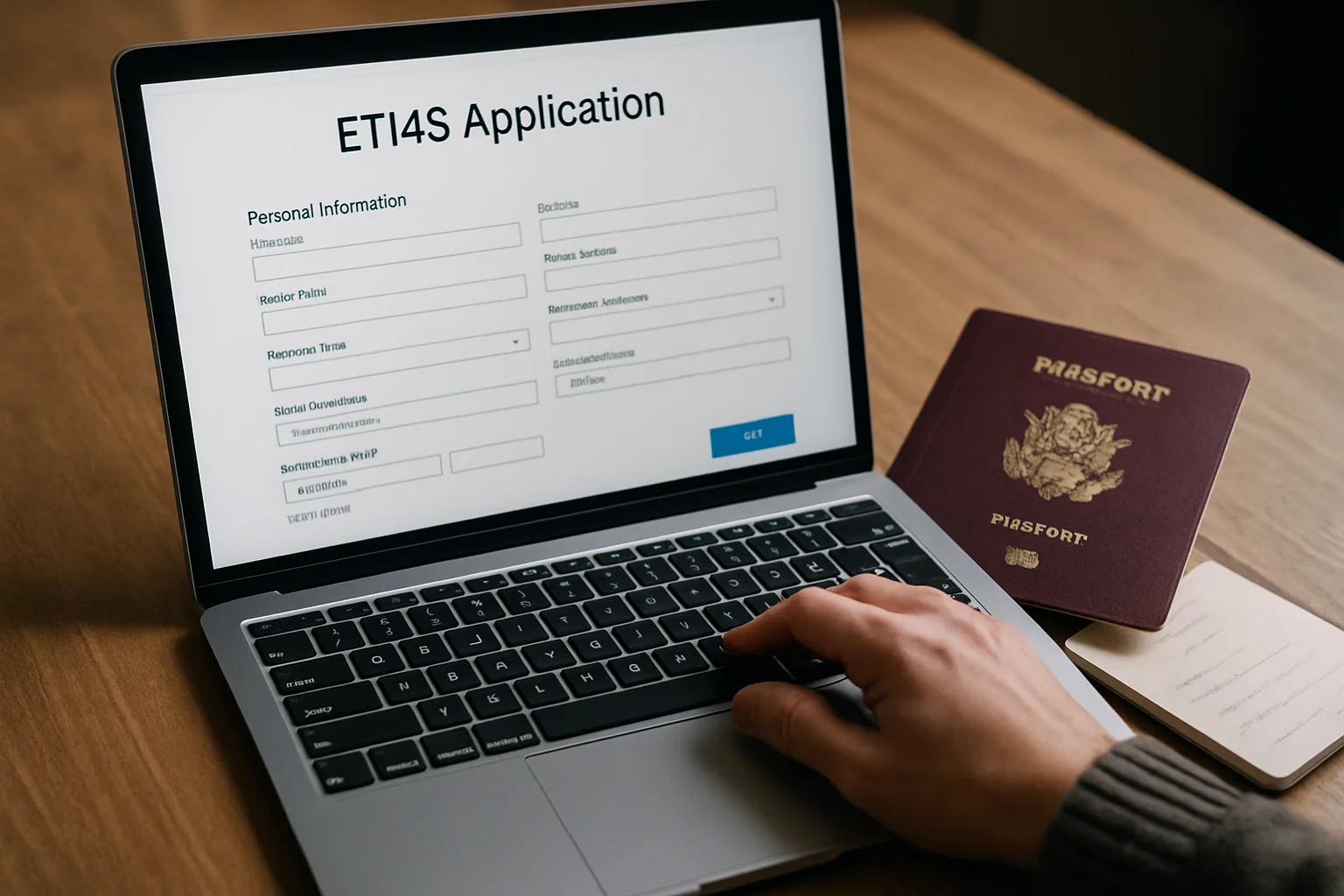
ETIAS – the European Travel Information and Authorisation System – is a separate scheme that will require visa-free travellers to obtain online authorisation before travelling to the Schengen Area. It's similar to the US ESTA, Canada's eTA, or the UK ETA.
ETIAS is not a visa. It's a pre-screening system that checks travellers against security databases before they travel. You'll apply online, pay a small fee (€20 for most adults, free for under-18s and over-70s), and typically receive approval within minutes.
But it can take longer if your details need manual review.
ETIAS will be valid for three years (or until your passport expires) and allows multiple entries for short stays (up to 90 days in any 180-day period).
ETIAS Timeline: When Will It Start?
ETIAS was originally planned for 2024, then pushed to 2025. The latest official guidance says ETIAS will become operational six months after EES goes live. Since EES is now expected in October 2025, ETIAS could launch around April 2026.
However, this date is still provisional – check official sources before you travel.
There will be a transition period (likely 6 months) during which ETIAS is recommended but not mandatory. After that, it will be required for all eligible travellers.
How EES and ETIAS Interact: Two Systems, One Journey
It's easy to confuse EES and ETIAS, but they serve different purposes and work together.
- EES is a border management system that records your physical entry and exit. It's done at the border.
- ETIAS is a pre-travel authorisation that you apply for online before you travel. It's checked when you check in for your flight or ferry, and again at the border.
Think of it like this: ETIAS gets you permission to travel; EES records when you actually arrive and leave. Both will be linked to your passport.
For the traveller, this means two extra steps: first, apply for ETIAS before your trip (allow at least 72 hours, but better to do it weeks ahead). Second, expect a slightly longer border process when you arrive, especially your first time using EES.
Why Holiday Delays Are Being Warned

You've probably seen headlines warning of 'holiday chaos' and 'border meltdowns' when EES launches. While some of that is media hyperbole, the concerns are real. Here's why.
First-Time Registration Bottleneck
The biggest delay factor is the first-time registration for EES. Every traveller must provide biometrics (fingerprints and photo) once when they first use the system. That initial process takes longer than subsequent visits (where only a facial scan may be needed).
In the first few months after EES goes live, everyone will be a first-time user. That means every passenger at every Schengen border will need the full registration. Border authorities expect this to cause significant queues, especially at peak times.
The EU has said it will deploy self-service kiosks to speed things up, but the sheer volume of travellers – especially during summer holidays – will test the system's capacity.
Staffing and Infrastructure Gaps
Many Schengen border points are already understaffed. Adding a new digital system that requires more time per passenger will strain resources. Some airports have invested in new kiosks and e-gates, but others lag behind.
The result? Longer queues at the least prepared borders.
For example, the Port of Dover – a major entry point for UK travellers driving to France – has limited space for queuing vehicles. If EES processing slows each car by a minute, the queue could stretch for miles during peak summer weekends. Similar concerns apply to the Channel Tunnel and ferry ports.
System Glitches and Teething Problems
No major IT system launches perfectly. EES is a complex, pan-European database linking dozens of national border systems. There will likely be glitches, downtime, and slow response times in the early days.
When the system goes down, border officers may have to revert to manual checks, which are even slower.
The EU has contingency plans, but they won't eliminate delays entirely. Travellers should expect some disruption, especially in the first year.
Which Countries Are Most at Risk for Delays?
Some Schengen countries are more likely to see significant queues than others. Factors include traveller volume, existing infrastructure, and staffing levels.
Based on current data, the following countries are considered higher risk for ETIAS warning France Spain Italy Greece Portugal – these popular holiday destinations process millions of tourists each year and may struggle with the new systems.
- France: The busiest tourist destination globally. Paris airports and the Channel ports (Calais, Dunkirk) will be under enormous pressure.
- Spain: Millions of British and other tourists visit the Costas and islands. Airports like Malaga, Alicante, and Barcelona see huge summer volumes.
- Italy: Rome, Venice, and Milan airports, plus cruise ports, will face similar challenges.
- Greece: Many islands are reached by ferry or small airports with limited border infrastructure.
- Portugal: Lisbon and Faro airports handle large numbers of holidaymakers.
If you're travelling to any of these countries, plan for extra time at the border. Consider arriving at off-peak hours if possible, and ensure your passport is in good condition (damaged passports may not work with biometric readers).
Practical Tips to Avoid Holiday Delays
You don't have to be a victim of border queues. Here's what you can do to minimise disruption.
1. Apply for ETIAS Early
Once ETIAS is live, apply well before your trip – ideally at least a month in advance. The system usually responds within minutes, but manual checks can take up to 30 days. Don't wait until the day before you fly.
Your ETIAS authorisation is valid for three years, so you can apply even if you don't have firm travel plans. Just make sure your passport has at least three months' validity beyond your intended stay.
2. Use e-Gates Where Available
Many Schengen airports have e-gates for biometric passport holders. These are faster than manned booths. However, note that children under 12 often cannot use e-gates, so families may still need to queue.
Check if your departure or arrival airport has e-gates for your nationality. UK passport holders, for example, can use e-gates in many EU countries, but not all.
3. Travel During Off-Peak Times
If your schedule is flexible, avoid arriving at peak hours. Early morning and late evening flights often have shorter queues. Midday and early afternoon are busiest.
Also avoid weekends if possible – Tuesday and Wednesday tend to be quieter.
4. Ensure Your Passport Meets Requirements
EES relies on electronic passport readers and biometric scanners. If your passport is damaged, worn, or has a chip that doesn't work, you may be directed to a manual booth, which takes longer. Check your passport's condition before you travel.
Also, ensure your passport is valid for at least three months beyond your intended departure date from Schengen. This is a requirement for many non-EU nationals, and border officers can deny entry if your passport is close to expiry.
5. Have Your Documents Ready
When you approach the border, have your passport open to the photo page. If you're using e-gates, follow the instructions carefully. For manual booths, be ready to answer questions about your trip (purpose, accommodation, return ticket).
Keep a printed or digital copy of your ETIAS approval (once it's required) and any supporting documents (hotel bookings, travel insurance) handy.
6. Allow Extra Time for Connections
If you have a connecting flight within Schengen, remember that you'll clear border control at your first point of entry into the Schengen Area. Allow at least 2-3 hours for your connection, especially during peak season. If you miss your connection due to a long queue, it's your responsibility to rebook.
Some airports offer 'fast track' or 'priority' lanes for a fee – check if this is available at your arrival airport.
What About Non-Schengen EU Countries?
Not all EU countries are in Schengen. Ireland, Cyprus, and (for now) Romania and Bulgaria are outside the Schengen zone. EES and ETIAS do not apply to these countries, but they have their own entry rules.
- Ireland has its own visa waiver programme and does not use EES/ETIAS. UK passport holders can travel freely.
- Cyprus is legally required to join Schengen but hasn't yet. It still stamps passports.
- Romania and Bulgaria partially joined Schengen (air and sea borders) in March 2024, but land borders remain outside. EES will apply at their air and sea borders once fully implemented.
If you're travelling between Schengen and non-Schengen EU countries, you may need to clear border control at the border between them.
How to Stay Updated
Official information is the only reliable source. The EU maintains a dedicated ETIAS website with current timelines and requirements. Your home country's foreign travel advice (e.g., UK Foreign Office, US State Department) also provides updates.
Be wary of unofficial sites that charge extra fees for ETIAS applications. The official fee is €20 for adults. If a site asks for more, it's a third-party service – you can apply directly on the official portal when it launches.
Also, note that this article provides general guidance. Requirements and timelines may change. Always verify with official sources before your trip.
Understanding the 90/180-Day Rule and EES
The 90/180-day rule limits visa-free travellers to 90 days in the Schengen Area within any 180-day period. EES will automate tracking of this rule, which currently relies on passport stamps.
Previously, travellers could sometimes overstay without detection if stamps were unclear or missing. EES will flag overstays immediately, potentially leading to fines or entry bans.
For example, if you spend 30 days in France, then 20 days in Italy, and later 40 days in Spain, EES will calculate your total stay. If you exceed 90 days, you'll be flagged at exit.
How to Track Your Days
You can use the EU's online calculator or a simple diary to track your stays. EES will provide a record of your entries and exits, but it's wise to keep your own log.
Many travel apps now include Schengen day counters. These can help you avoid accidental overstays, especially if you travel frequently.
Remember that the 90/180-day rule applies to all Schengen countries combined, not per country. A day spent in any Schengen state counts toward your total.
The Impact on Frequent Travellers and Business Travelers
Frequent travellers, such as business professionals or digital nomads, will face the most disruption. Each first-time EES registration takes longer, and repeated entries mean more biometric checks.
For example, a UK consultant who flies to Paris weekly for meetings may spend an extra 30-60 minutes per trip at border control initially. Over a year, that adds up to significant lost time.
Business travellers should consider applying for ETIAS as soon as it's available. They may also benefit from using e-gates or trusted traveller programmes where offered.
Trusted Traveller Programmes
Some Schengen countries have trusted traveller schemes, like Germany's EasyPASS or France's PARAFE. These allow pre-screened travellers to use automated gates.
However, these programmes are national, not EU-wide. They may not integrate fully with EES initially, so check eligibility before relying on them.
Frequent travellers should also ensure their passports have at least 6 months' validity to avoid issues with biometric readers.
What Happens If You're Denied Entry Under EES or ETIAS?
Denial of entry is rare for genuine tourists, but it can happen. If your ETIAS application is rejected, you'll receive a reason and can appeal through the issuing country's process.
At the border, if EES flags an overstay or security concern, you may be questioned or refused entry. You have the right to know the reason and to contact your embassy.
To minimise risk, ensure your travel documents are valid and your ETIAS application is accurate. Incorrect information can lead to delays or denial.
How EES and ETIAS Affect Different Traveller Groups
Different types of travellers will experience these systems differently. Families, solo travellers, and groups all face unique challenges.
Families with young children may need to use manual booths if children can't use e-gates. This adds time, especially if biometric registration is required for each child.
Solo travellers may find e-gates quicker, but first-time registration still takes longer. Groups should plan to stay together at the border to avoid confusion.
Senior Travellers and Those with Disabilities
Senior travellers over 70 are exempt from the ETIAS fee, but still need to apply. They may also need assistance with biometric kiosks if they have mobility issues.
Airports are required to provide accessible facilities, but not all are fully equipped. Contact your airline or airport in advance for special assistance.
For those with disabilities, the border process may take longer. Allow extra time and inform staff if you need help.
The Role of Airlines and Ferries in EES and ETIAS
Airlines and ferry operators will play a key role in enforcing ETIAS. They are required to check that passengers have valid travel authorisation before boarding.
If you don't have ETIAS when required, you may be denied boarding. This could result in lost holiday costs and rebooking fees.
Ferry operators, especially at Dover and Calais, will also check ETIAS. Expect longer check-in times as staff verify authorisations.
What to Do If You're Denied Boarding
If you're denied boarding due to missing ETIAS, you can apply immediately online. However, approval may take minutes or days, so you could miss your departure.
Always carry a printed or digital copy of your ETIAS approval. Airlines may also check it at the gate, so have it accessible.
If you're denied boarding unfairly, contact your airline's customer service and your travel insurer. Keep all documentation for claims.
How to Prepare for EES and ETIAS: A Step-by-Step Guide
Preparation is key to avoiding holiday delays. Follow these steps before your trip to Europe.
- Check your passport: Ensure it's valid for at least 3 months beyond your departure from Schengen. Also check for damage.
- Apply for ETIAS early: Once the system is live, apply at least a month before travel. Keep a copy of the approval.
- Plan your arrival time: Choose off-peak flights or ferry crossings to avoid peak queues.
- Prepare documents: Have your passport, ETIAS approval, and travel bookings ready at the border.
- Allow extra time: Add at least 30-60 minutes for border processing, especially for first-time EES registration.
- Use e-gates if eligible: Check if your nationality can use automated gates at your arrival airport.
Common Myths About EES and ETIAS
Several myths circulate about these new systems. Let's debunk the most common ones.
Myth 1: ETIAS is a visa. Fact: It's a travel authorisation, not a visa. You don't need to visit an embassy or provide extensive documentation.
Myth 2: EES will track your every move. Fact: It only records entry and exit dates, not your location within Schengen.
Myth 3: You can't travel without ETIAS during the transition period. Fact: It's recommended but not mandatory initially. Check official timelines for when it becomes compulsory.
Myth 4: EES applies to EU citizens. Fact: It only applies to non-EU travellers. EU citizens use separate lanes.
Myth 5: You can apply for ETIAS at the border. Fact: You must apply online before travel. Border officers cannot issue ETIAS.
What to Do If You Experience Delays
Despite preparation, delays can happen. Here's how to handle them.
Stay calm and patient. Border queues are frustrating, but arguing with staff won't help. Follow instructions and have documents ready.
If you miss a connection due to border delays, contact your airline immediately. They may rebook you, but it's not guaranteed. Travel insurance can cover rebooking costs.
Keep a record of your wait time and any communication with staff. This can help with insurance claims or complaints.
Claiming Compensation
EU law provides compensation for flight delays, but border delays are usually excluded. Check your travel insurance policy for coverage.
Some credit cards offer travel delay insurance. Review your benefits before your trip.
If you believe you were treated unfairly, file a complaint with the border authority of the country where the delay occurred.
Key Takeaways
- EES (Entry/Exit System) starts October 2025 – expect longer border queues, especially at first registration.
- ETIAS will follow about six months later – apply online before travel (€20, valid 3 years).
- Holiday delays are likely at busy airports and ports, particularly in France, Spain, Italy, Greece, and Portugal.
- Prepare: apply for ETIAS early, travel off-peak, use e-gates, and allow extra connection time.
- Check official sources for the latest updates before you travel.
Frequently asked questions
Will EES cause delays at the border for my summer 2026 holiday?
Do I need both EES and ETIAS to enter the Schengen Area?
What happens if I don't have ETIAS when I arrive at the border?
Will EES affect my ability to use e-gates at EU airports?
Can I apply for ETIAS if my passport expires in less than three years?
This article is for general informational purposes only. Visa and travel authorisation rules change frequently. Always check the official government website before travelling.

Written & reviewed by
Can OTUTravel Authorisation Editor
Can OTU is the editor of ETA Travel Assistant, specialising in UK ETA, Schengen ETIAS, NZeTA and ESTA travel authorisations. Can monitors official government sources and policy updates to ensure every guide is accurate, current and genuinely useful for travellers.
View all guides →