ETIAS Delayed Until 2027: What Does This Mean for Your Travel Plans?
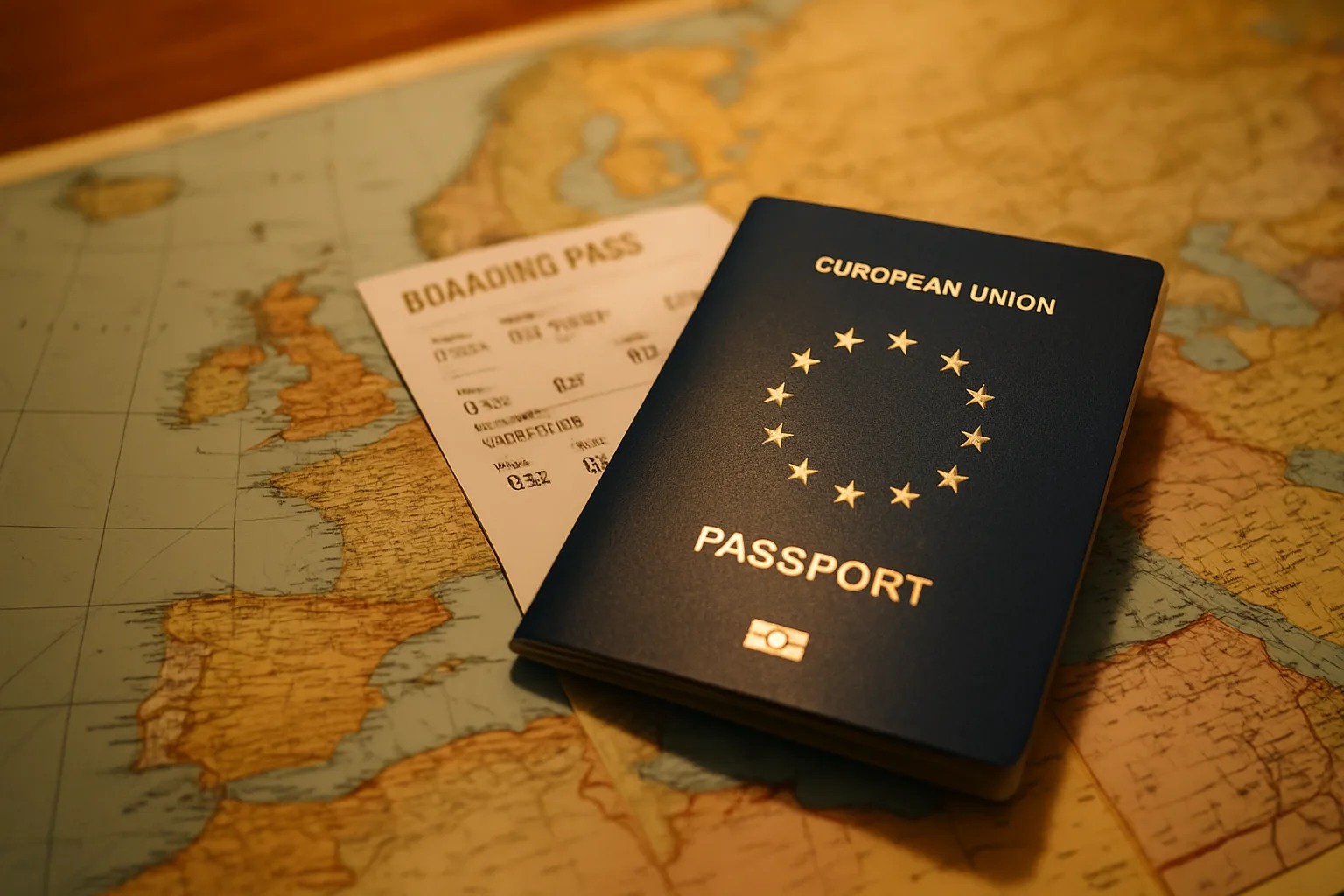
- ETIAS launch pushed back from 2024 to May 2027.
- No changes to current travel rules until ETIAS goes live.
- EES (Entry/Exit System) is still expected to launch in 2025 and will affect border wait times.
If you've been following EU travel news, you've probably heard the latest: ETIAS — the European Travel Information and Authorisation System — has been delayed again. The new launch date is now May 2027. That's a full year later than the previous target of 2026, and several years after the original 2023 date.
You might be wondering what this means for your upcoming trip to Europe. The short answer: nothing changes for now. You can still travel to the Schengen area without any pre-travel authorization, just as you do today.
But the delay does give you more time to understand what ETIAS will eventually require — and to prepare for the related EES system arriving sooner.
This article covers everything you need to know about the ETIAS delay, including why it's been pushed back, how it affects your travel plans, and what you should do between now and 2027. We'll also look at the EES system that's still on track for 2025, and how that could impact your trips.
What Is ETIAS and Why Was It Created?
ETIAS stands for the European Travel Information and Authorisation System. It's not a visa. It's a pre-travel screening system for visitors from countries that currently don't need a visa to enter the Schengen area — like the UK, US, Canada, Australia, and many others.
Once it's live, travelers from these countries will need to apply online before their trip and pay a small fee (€20 for most adults). The authorization will be valid for three years or until your passport expires, whichever comes first. It's similar to the US ESTA or the UK ETA.
The EU's goal with ETIAS is to strengthen border security. The system will check travelers against various security databases before they even board their flight. It's designed to identify people who might pose a security or health risk, and to reduce illegal immigration.
But building a system that connects 30 European countries (27 EU members plus Iceland, Liechtenstein, Norway, and Switzerland) is complex. That's why it keeps getting delayed.
Why Has ETIAS Been Delayed to 2027?

The official reason for the latest delay is that the EU needs more time to fully test and integrate ETIAS with the other border systems it's rolling out. Specifically, ETIAS can't launch until the EES (Entry/Exit System) is operational — and EES itself has faced delays.
EES is a separate system that will digitally register all non-EU travelers entering and exiting the Schengen area. It replaces the old passport stamping process. EES is expected to launch in 2025, but it's a massive undertaking for airports and land borders.
The EU has also cited the need for more member states to be ready. Each country has to have the necessary infrastructure in place, and some are behind schedule. The European Commission announced the revised timeline in 2024, pushing ETIAS to May 2027.
Some commentators have also pointed to the complexity of the project itself — coordinating 30 countries, each with its own IT systems — as a reason for the repeated delays. It's a huge logistical challenge.
Does the ETIAS Delay Change Anything for Your Travel Plans Right Now?
No. You can still travel to the Schengen area exactly as you do today. If you're a UK, US, Canadian, Australian, or other visa-free national, you don't need any pre-travel authorization until ETIAS goes live in 2027.
That means:
- No application to fill out before your trip.
- No fee to pay.
- No change to how you cross the border.
You'll still get a passport stamp when you enter and exit the Schengen area (unless you're using e-gates where available). The 90/180-day rule still applies — you can stay up to 90 days in any 180-day period.
So if you're planning a trip to Paris, Rome, Barcelona, or anywhere else in the Schengen area in 2025 or 2026, you can go ahead and book without worrying about ETIAS. Just keep an eye on the EES launch, which could affect your border experience.
What About the EES (Entry/Exit System)? Is That Also Delayed?
The EES is still expected to launch in 2025, though the exact date hasn't been confirmed. The EU has been testing the system at several border crossings, and the rollout is planned for late 2025.
EES will affect every non-EU traveler entering the Schengen area. Instead of getting a passport stamp, your entry and exit will be recorded electronically. You'll need to provide biometric data — fingerprints and a facial image — on your first entry after the system goes live.
This could mean longer queues at border control, especially in the early days. The EU has acknowledged that the transition period may be bumpy. For more details on what to expect, see our guide on EES entry exit system EU border checks.
The EES launch is also why you might hear about potential delays at airports and land borders in 2025 and 2026. For a deeper look at how this could affect your holiday, check out our article on EU border wait times summer 2026.
How Will the ETIAS Delay Affect Border Wait Times in Summer 2026?
Without ETIAS in place, the summer of 2026 will still rely on the existing border checks. But with EES launching in 2025, the summer of 2026 could be the first full summer season where EES is operational.
That means travelers should prepare for potentially longer queues at passport control. EES requires all non-EU travelers to provide biometrics on first use, and even returning travelers will need their data checked electronically. The system is designed to speed up border crossings in the long run, but the initial rollout could cause bottlenecks.
The EU has said it will implement EES gradually, but many airports are expected to see delays during peak travel periods. If you're planning a trip in summer 2026, allow extra time at the airport. Our article on EU border system holiday delays EES ETIAS has tips on how to avoid the worst queues.
What Should You Do Between Now and 2027?
You don't need to do anything urgent. But there are a few things you can do to stay ahead:
- Keep your passport up to date. ETIAS will require a valid biometric passport. Make sure yours has at least 3 months' validity beyond your intended departure from the Schengen area.
- Monitor official sources. The EU's ETIAS website and your home country's travel advisory pages will have the latest updates.
- Be ready for EES. When EES launches, you'll need to provide fingerprints and a facial photo on your first entry. That might take a few extra minutes at the border.
- Don't fall for scams. There are already fake ETIAS websites asking for money. The real system won't be open until 2027, so any site claiming to process ETIAS now is a scam.
ETIAS vs. UK ETA: What's the Difference?
You might be familiar with the UK's Electronic Travel Authorisation (ETA), which launched in 2023 for some nationalities and is rolling out to more. The UK ETA and EU ETIAS are similar in concept — both are pre-travel authorizations for visa-free visitors — but they are separate systems.
The UK ETA covers travel to the UK (England, Scotland, Wales, Northern Ireland). ETIAS covers travel to the Schengen area (most of continental Europe). You'll need both if you're visiting both regions, but they are applied for separately.
One key difference: the UK ETA is already live for some travelers, while ETIAS hasn't launched yet. So if you're traveling to the UK now, you might already need an ETA depending on your nationality. For the EU, you still have until 2027 before any authorization is required.
Will the ETIAS Fee Change?
The EU has set the ETIAS fee at €20 for applicants aged 18 to 70. Travelers under 18 or over 70 will not have to pay. The fee is expected to remain unchanged, but the EU could review it before launch.
For comparison, the US ESTA costs $21 (about €19) and the UK ETA costs £20 (about €23). So ETIAS is cheaper than both.
What Happens If You Travel to Europe After May 2027 Without ETIAS?
If ETIAS is live and you haven't applied, you'll likely be denied boarding by your airline or refused entry at the border. The system is designed to check your authorization before you travel — airlines will verify it when you check in.
So it's important to apply before you travel. The application is expected to be quick — most approvals should come through within minutes, though some may take up to 72 hours if further checks are needed.
How Will ETIAS Affect Different Types of Travelers?
Business travelers, tourists, and students will all need ETIAS once it is live. For example, a UK-based consultant flying to Frankfurt for a two-day conference will need to apply online before departure. The application will ask for basic personal details, passport information, and travel plans.
Tourists visiting multiple Schengen countries, such as a family from Canada touring Italy, France, and Spain, will only need one ETIAS authorization for the entire trip. It covers the whole Schengen area, so you do not need separate approvals for each country.
Students on short-term exchange programs, like a US student spending a semester in Berlin, will also need ETIAS. However, if the stay exceeds 90 days, a visa may be required instead. Always check the specific rules for your length of stay and purpose of visit.
What Are the Technical Reasons Behind the ETIAS Delay?
The EU's eu-LISA agency, which manages large-scale IT systems, is responsible for building ETIAS. The system must integrate with multiple databases, including the Schengen Information System (SIS), the Visa Information System (VIS), and Europol data. This integration is technically challenging and requires extensive testing.
Each member state also needs to set up national units to process ETIAS applications and handle any rejections. Some countries have not yet completed this infrastructure. The EU has stated that delays in one country can hold up the entire launch.
Cybersecurity is another concern. The system must protect sensitive personal data, including passport details and travel history. The EU is conducting additional security audits to ensure ETIAS meets strict data protection standards under GDPR.
How Will ETIAS Affect Travelers with Dual Nationality?
If you hold dual nationality, you can choose which passport to use for travel. For example, a person with both a US and an Italian passport can use their Italian passport to enter the Schengen area without needing ETIAS. That is because EU citizens do not require ETIAS.
However, if you use a non-EU passport, such as a US passport, you will need ETIAS once it is live. It is important to be consistent at the border. Using an EU passport at check-in but a non-EU passport at border control can cause confusion and delays.
If you have dual nationality from two non-EU countries, such as Canada and Australia, you will need ETIAS regardless of which passport you use. Both countries are on the visa-free list, so the same rules apply.
What Are the Most Common Misunderstandings About ETIAS?
Many travelers mistakenly believe ETIAS is a visa. It is not. A visa requires a formal application process, often with an interview and supporting documents.
ETIAS is a simple online form that takes about 10 minutes to complete.
Another misunderstanding is that ETIAS guarantees entry. It does not. Border officials still have the final say on whether you can enter the Schengen area.
ETIAS only pre-screens you before travel, but you must still meet all entry conditions, such as having sufficient funds and a return ticket.
Some people think ETIAS is optional. It is not. Once it is live, all visa-free travelers must have a valid ETIAS authorization to board a flight or cross a land border.
Failure to comply will result in denial of travel.
How Can You Prepare for the EES Launch in 2025?
When EES launches, you will need to provide biometric data on your first entry. This includes fingerprints and a digital photo. The process takes about 30-60 seconds per person, but queues may form if many travelers are being registered at once.
To speed things up, have your passport ready and remove any covers before reaching the border officer. Follow instructions from staff about where to place your fingers for scanning. If you are traveling with family, each member must be processed individually.
If you have previously visited the Schengen area, your old passport stamps will no longer be used. EES will track your entry and exit electronically, so you do not need to worry about counting days manually. However, you should still keep a record of your travel dates to ensure you comply with the 90/180-day rule.
What Should You Know About ETIAS for Land Borders?
ETIAS will apply to all entry points, including land borders from non-Schengen countries like Switzerland, Norway, and the UK (via the Channel Tunnel). For example, driving from the UK to France via the Eurotunnel will require ETIAS for all passengers in the vehicle.
At land borders, checks may be faster because EES and ETIAS will automate much of the process. However, during peak travel periods, such as summer holidays, queues could still build up. Allow extra time if you are crossing by car or bus.
If you are a resident of a non-EU country but live near a Schengen border, you may cross frequently. ETIAS is valid for three years, so you will not need to reapply for each trip. But you must still carry your passport and ensure your ETIAS is valid.
How Will ETIAS Affect Travelers from the UK?
UK citizens are among the most affected by ETIAS, as the UK is no longer an EU member. Once ETIAS launches, British travelers will need to apply before visiting France, Spain, Italy, or any other Schengen country. The process will be identical to that for US or Canadian travelers.
The UK government has advised its citizens to prepare for the change. It recommends checking passport validity and applying for ETIAS well in advance of travel. The UK Foreign Office will update its travel advice as the launch date approaches.
If you are a UK citizen living in the EU with residency rights under the Withdrawal Agreement, you may not need ETIAS. However, you should carry your residency card and passport. Check with the local authorities in your country of residence for specific rules.
How Will the ETIAS Delay Affect Travel Insurance Policies?
Travel insurance providers may adjust their policies as the ETIAS launch approaches. Some insurers might start including ETIAS-related coverage, such as reimbursement for denied boarding due to authorization issues. However, until 2027, no such changes are expected.
If you plan to travel after May 2027, check your insurance policy for any exclusions related to ETIAS. For example, if your application is delayed and you miss your flight, standard policies may not cover that. Always read the fine print before purchasing.
For now, your existing travel insurance remains valid for trips to the Schengen area. The delay does not affect coverage for medical emergencies, trip cancellations, or lost luggage. Just ensure your policy covers the full duration of your stay.
What Are the Implications of the ETIAS Delay for Airlines and Tour Operators?
Airlines and tour operators have been preparing for ETIAS for years. The delay gives them more time to update their check-in systems and train staff. For example, carriers like Ryanair and EasyJet will need to verify ETIAS authorizations at online check-in, similar to how they check ESTA for US travel.
Tour operators offering package holidays to Europe may also benefit. They can now refine their booking processes and provide clearer guidance to customers. Some may even offer ETIAS application assistance as a value-added service once the system goes live.
However, the delay also means continued reliance on manual passport checks. This could lead to longer processing times at airports during the EES rollout in 2025. Airlines may advise passengers to arrive earlier at the airport to avoid missing flights.
How Will ETIAS Affect Travelers with Criminal Records?
ETIAS will check applicants against security databases, including records of serious crimes. If you have a criminal record, your application may be flagged for further review. This does not automatically mean denial, but it could delay your authorization.
For example, a UK traveler with a past conviction for theft might need to provide additional documentation. The EU has stated that each case will be assessed individually. Minor offenses, such as traffic violations, are unlikely to affect your application.
If you are concerned about your eligibility, consult the official ETIAS guidelines or seek legal advice. The system is designed to balance security with the rights of travelers, but it is not a guarantee of approval.
Frequently Asked Questions
Here are answers to common questions about the ETIAS delay.
Is ETIAS definitely launching in May 2027?
The EU has announced May 2027 as the target date, but delays are possible. The system has been postponed several times already. Keep an eye on official EU announcements for the most up-to-date information.
Do I need ETIAS if I'm only transiting through a Schengen airport?
Yes, if you are transiting through a Schengen airport and will cross an external border (e.g., leaving the international transit area), you will need ETIAS. However, if you remain airside and do not enter the Schengen area, you may not need it. Check the specific rules for your transit airport.
Can I apply for ETIAS now?
No. The ETIAS application system is not yet open. Any website claiming to process ETIAS applications before 2027 is a scam. Wait until the official EU ETIAS website launches.
Will the ETIAS delay affect my ability to travel to the UK?
No. The UK ETA is a separate system. The ETIAS delay only affects travel to the Schengen area. If you need a UK ETA, you should apply for that separately.
What if I have dual nationality? Which passport should I use for ETIAS?
You should use the passport you intend to travel with. If you hold a passport from a country that requires ETIAS (e.g., UK, US) and also a passport from an EU country, you do not need ETIAS if you use your EU passport. But if you use your non-EU passport, you will need ETIAS once the system is live.
What happens if my ETIAS application is rejected?
If your ETIAS application is rejected, you will receive a reason for the denial. You may have the right to appeal the decision through the member state that processed your application. The appeals process will be outlined in the rejection notice.
Can I update my ETIAS application after submission?
Yes, you can update certain details, such as your travel itinerary or passport information, after your ETIAS is approved. However, major changes, like a new passport number, may require a new application. Always keep your ETIAS information current.
Key takeaways
- ETIAS is delayed until May 2027 — no changes to current travel rules until then.
- EES is still expected in 2025 and may cause border delays.
- You don't need to do anything now, but keep your passport valid and watch for official updates.
- Ignore any ETIAS websites asking for money before 2027 — they are scams.
- Always verify requirements with official sources before travel.
This article is for general information only and does not constitute legal or travel advice. Requirements may change. Always check official EU and UK government websites before planning your trip.
Frequently asked questions
Is ETIAS definitely launching in May 2027?
Do I need ETIAS if I'm only transiting through a Schengen airport?
Can I apply for ETIAS now?
Will the ETIAS delay affect my ability to travel to the UK?
What if I have dual nationality? Which passport should I use for ETIAS?
This article is for general informational purposes only. Visa and travel authorisation rules change frequently. Always check the official government website before travelling.

Written & reviewed by
Can OTUTravel Authorisation Editor
Can OTU is the editor of ETA Travel Assistant, specialising in UK ETA, Schengen ETIAS, NZeTA and ESTA travel authorisations. Can monitors official government sources and policy updates to ensure every guide is accurate, current and genuinely useful for travellers.
View all guides →