EU Entry/Exit System and ETIAS: What UK Travellers Need to Know (House of Commons Guide)
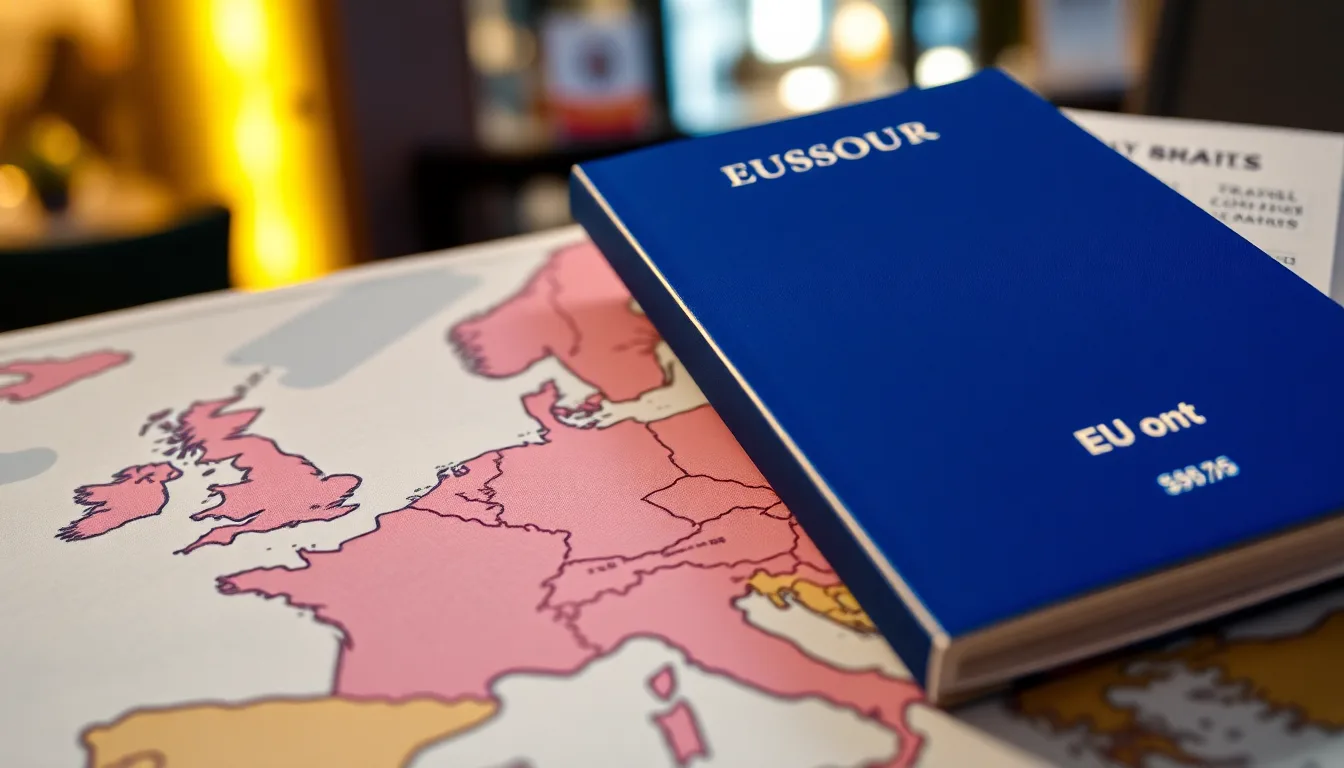
- EES (Entry/Exit System) checks your biometrics at the border – no more passport stamps.
- ETIAS (European Travel Information and Authorisation System) is a pre-travel permit required for visa-exempt travellers (like UK passport holders).
- Both systems aim to strengthen EU border security and reduce illegal overstays.
If you're a UK citizen planning to travel to the Schengen area (or any EU country that's part of the Schengen zone), two new systems are coming that will change how you cross the border: the Entry/Exit System (EES) and the European Travel Information and Authorisation System (ETIAS).
You might have seen headlines about “digital border checks” or “€20 travel authorisation”. But the details matter: when do they start? What exactly will you need to do?
And will they cause delays at popular ports like Dover or Eurostar?
This guide – based on the House of Commons briefing on EU border changes – gives you a clear, accurate picture of what these systems mean for UK travellers. No fluff, just what you need to know for your next trip.
What is the EU Entry/Exit System (EES)?
The Entry/Exit System (EES) is an automated IT system that registers non-EU travellers – including UK citizens – each time they cross the external borders of the Schengen area. Instead of a manual passport stamp, your entry and exit will be recorded electronically.
It's not a visa or a travel authorisation. It's a digital record-keeping system. Think of it as a digital log that knows exactly when you arrived and when you left.
What data does EES collect?
When you first use EES, border officers will collect:
- Your name, travel document type, and document number
- Four fingerprints (index finger of each hand, taken flat and rolled)
- A facial image (live photograph taken at the border)
- Date and place of entry/exit
On subsequent trips, you'll only need to provide one fingerprint (usually from the same fingers) and your face – the system already has your full set of prints, so it just matches them.
Note: The UK is not in the Schengen area, so EES applies to all UK passport holders travelling to any EU member state that uses Schengen (which is most of them except Ireland, Croatia, Cyprus, Bulgaria, and Romania – though the latter two are in the process of joining).
How EES works in practice for a family trip
Imagine you are driving a family of four through the Eurotunnel from Folkestone to Calais. At the French border control, each family member – including children – must present their passport and have their fingerprints and photo taken. The process may require all passengers to step out of the vehicle at a designated registration kiosk.
For a family with young children, this could take several minutes per person, especially if the children are anxious or the kiosk has a queue.
Once registered, on subsequent trips the same family can use automated e-gates at many airports and ports. The system compares their live fingerprint or face against the stored data. A successful match allows entry within seconds.
However, if the biometrics fail – for example, due to a cut on a finger or a change in appearance – the traveller will be directed to a manned booth for manual verification.
What is ETIAS? (European Travel Information and Authorisation System)
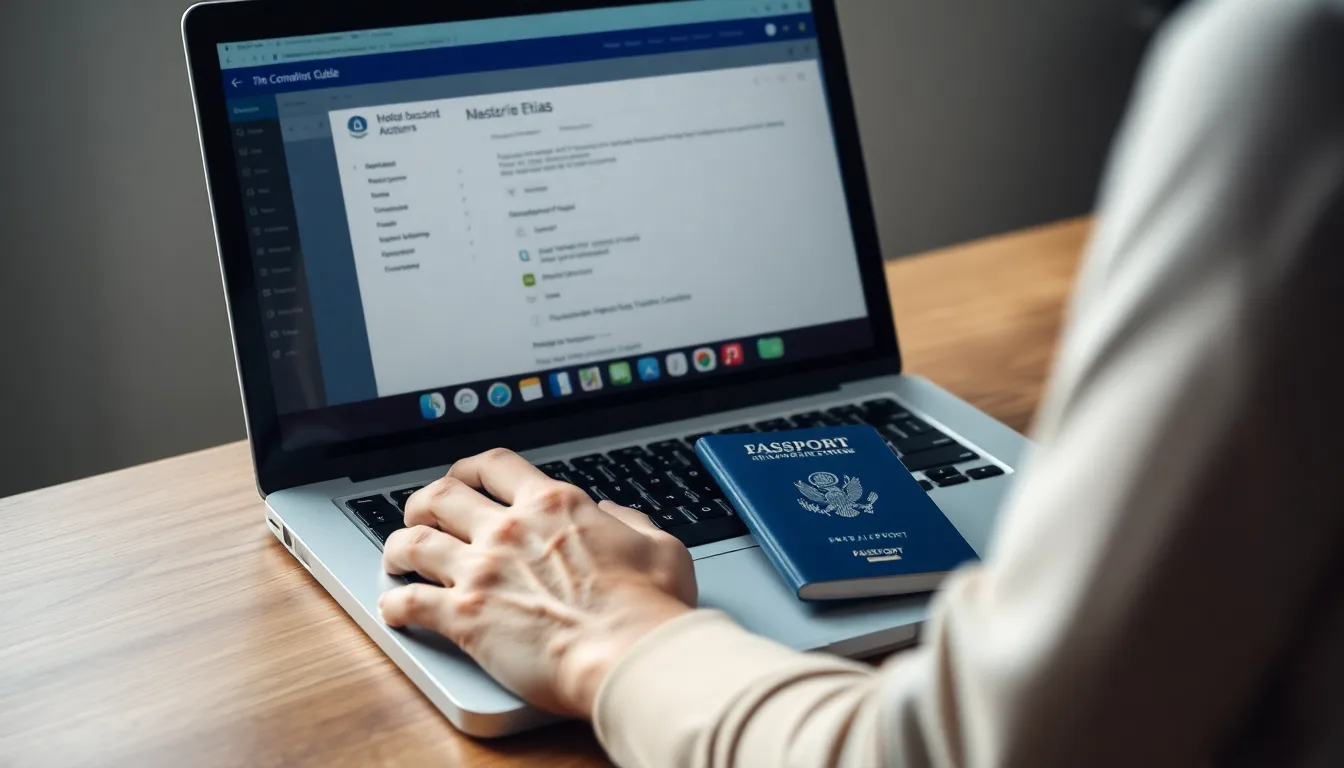
ETIAS is a separate system. It's not a visa – it's an online pre-screening that will be required for visa-exempt travellers (like UK citizens) before they travel to the Schengen area.
You'll need to complete an online application – it takes about 10 minutes – and pay a fee of €20 (for applicants aged 18–70). Once approved, the authorisation is valid for 3 years (or until your passport expires, whichever comes first).
You do NOT need ETIAS yet. The launch date has been pushed back several times. The current target is May 2026 – but this could change. We'll update this guide as official announcements are made.
ETIAS vs EES – what's the difference?
It's easy to mix them up. Here's the simple breakdown:
- EES happens at the border – it's a system that logs your entry/exit with biometrics.
- ETIAS happens before you travel – it's a pre-screening authorisation you apply for online.
You'll need both. EES for border crossing; ETIAS for permission to board your flight, ferry, or train.
Detailed ETIAS application questions and examples
The online ETIAS form asks for personal details such as your full name, date of birth, passport number, and country of residence. You also need to provide your current occupation and contact information. Then come security questions: Have you ever been convicted of a serious crime?
Have you visited conflict zones in the last 10 years? Do you have any infectious diseases that pose a public health risk?
For example, a business traveller who frequently visits Schengen countries for short conferences would answer these questions on every new application. Most applicants receive approval within minutes, but if your name matches a security database or if you have a criminal record, the system may require manual processing that can take up to four days. Always apply at least a week before your planned departure to avoid last-minute issues.
When do EES and ETIAS start?
The launch dates have been delayed several times. Here's the latest (as of early 2025):
| System | Original target | Current target |
|---|---|---|
| EES | 2022 | October 2025 (partial), full rollout by 2026 |
| ETIAS | 2023 | May 2026 (likely – still subject to confirmation) |
Both dates are not set in stone. The European Commission has faced technical delays. We recommend checking the official EU Smart Borders website for the latest.
Once live, there will be a transition period – initially, some travellers may not need ETIAS for a short grace period, but eventually it will be mandatory.
Transition phases and what they mean for you
The rollout is planned in stages to minimise disruption. For EES, a partial launch in October 2025 may first affect large airports and major ports, while smaller border points join later. During the initial months, travellers who were previously stamped may still receive a passport stamp as a backup until all systems are fully synchronised.
For ETIAS, the European Commission has proposed a six-month grace period after the official start date. During this time, carriers (airlines, ferries, trains) may still board passengers who do not have ETIAS, as long as they are aware of the requirement. However, after the grace period ends, ETIAS will be strictly enforced and you risk being denied boarding if you lack authorisation.
How EES and ETIAS will affect UK travellers

For most UK holidaymakers, the main changes are:
- Slightly longer border queues – especially at first, as passengers and officers get used to the new system.
- You'll need to register your biometrics once – after that, future trips are faster (just a fingerprint scan and photo).
- You must get ETIAS before you fly – no last-minute applications at the airport. Apply online weeks before your trip.
Will there be major delays at Dover, Eurotunnel, and Eurostar?
This is the big concern. Because EES requires biometric registration (fingerprints + photo) at the first point of entry, ports like Dover and the Eurotunnel terminals in Folkestone – where millions of passengers travel by car, coach, or train – could see queues if the infrastructure isn't ready.
The UK government has been working with French authorities to set up pre-registration zones at the ports to spread the load. But there's still a risk of significant queuing during peak periods. For more on this, see our article on EU border system holiday delays EES ETIAS.
Similarly, at airports, airlines will be checking ETIAS before you board, so you won't get turned away at the gate if you've forgotten – but you might be denied boarding.
What about children and families?
Children under 18 are exempt from the ETIAS fee (€20), but they still need their own ETIAS application. EES applies to all ages – children will need their fingerprints taken (except very young infants, who may be exempt on a case-by-case basis at the border officer's discretion).
Impact on frequent travellers and business trips
For individuals who travel to the Schengen area several times a year for work or leisure, the new systems bring both advantages and inconveniences. Once your biometrics are registered in EES, subsequent entries become faster at automated e-gates, saving time. However, the mandatory ETIAS application every three years (or when you renew your passport) adds an administrative step before each trip.
Consider a UK consultant who flies to Frankfurt for monthly client meetings. After the first ETIAS application, she can use e-gates at Frankfurt airport and her entry is logged automatically. But if she changes her passport due to damage or expiry, she must apply for a new ETIAS because the authorisation is linked to the passport number.
This means she needs to plan passport renewals carefully to avoid travel disruptions.
Step-by-step: what you'll need to do
Here's exactly what the process looks like after both systems are live:
1. Before you travel (ETIAS)
- Go to the official ETIAS website (or app) – there will be many fake sites, so use the official one (we'll link it once launched).
- Complete the online form: name, passport details, contact info, employment, travel history, and health/security questions.
- Pay €20 (free for under-18s and over-70s).
- Receive approval – usually within minutes, but can take up to 4 days. Apply at least a week before.
2. At the border (EES)
- First use: queue at a manned booth, provide passport, have fingerprints scanned and photo taken. Vehicle passengers may need to step out of their car.
- Subsequent visits: quick fingerprint scan and photo – often at a self-service kiosk.
3. During your trip
- Your 90/180-day Schengen stay count is tracked automatically by EES – no more manual counting of passport stamps.
4. On departure
- Your exit is scanned at the border – same biometric check.
That's it. Simple, once you've done it the first time.
Practical tips for your first trip under the new systems
Allow extra time at the port or airport on your first journey after EES goes live. If you are driving through the Eurotunnel, aim to arrive at least 45 minutes before your booked crossing to accommodate biometric registration. For air travel, check in online early and ensure your passport is valid for at least three months beyond your planned departure from Schengen – a requirement that remains unchanged.
If you are travelling with a group, nominate one person to complete all ETIAS applications well in advance. Families should ensure each child’s application uses the correct passport details. Note that ETIAS is not transferable between passports – if your child gets a new passport, you must apply for a fresh ETIAS.
Does the UK have its own version? (The UK's ETA system)
Yes, the UK launched its own Electronic Travel Authorisation (ETA) scheme in 2023 for non-visa nationals (including EU citizens) visiting the UK. It works similarly to ETIAS – online application, fee, fast approval. But note: UK ETA and EU ETIAS are separate.
You need both if you're a UK citizen travelling to the EU and an EU citizen travelling to the UK.
For more on the UK's ETA, see our guide on the EU border wait times summer 2026 – but the point here is that the UK is doing the same thing in reverse.
Comparison: ETIAS vs other travel authorisation systems
ETIAS is often compared to the US ESTA (Electronic System for Travel Authorisation) and the UK ETA. All three are online pre-screening systems for visa-exempt travellers. ESTA costs $40.62 and is valid for two years; UK ETA costs £20 and is valid for two years.
ETIAS costs €20 and is valid for three years – making it the cheapest and longest-lasting.
However, there are differences in data collection and security checks. ETIAS checks against EU security databases, while ESTA checks against US watchlists. Both require similar personal information, but ETIAS asks additional questions about your education and employment history.
The application processing time for ETIAS is generally faster – often instant – compared to ESTA, which can take up to 72 hours.
What to do if your ETIAS application is rejected or delayed
Most ETIAS applications are approved automatically, but a small percentage may be rejected or require additional processing. If you receive a rejection, the notification will explain the reason – for example, a criminal record or previous overstay in the Schengen area. You have the right to appeal the decision through the national authority of the EU country you intended to visit.
If your application is delayed beyond four days, you can contact the ETIAS central unit. During peak travel seasons, expect longer waits. In such cases, do not book non-refundable travel until your ETIAS is approved.
Keep a copy of your approval email or a PDF download on your phone – border officers may ask to see it, though it is linked electronically to your passport.
Privacy concerns and data protection with EES and ETIAS
The collection of biometric data (fingerprints and facial images) has raised privacy questions among some travellers. Under EU law, your data is stored for a limited period: EES data is kept for three years after your last exit, and ETIAS data for three years after the authorisation expires. The data is protected by the General Data Protection Regulation (GDPR), and you have the right to request access to or deletion of your information.
However, critics argue that the centralised databases could be vulnerable to hacking or misuse. The European Commission has invested in encryption and secure access protocols. As a traveller, you should always use the official ETIAS website to avoid phishing scams.
Never share your application reference number or personal details with third parties.
How the 90/180-day rule works with EES
The Schengen area allows non-EU travellers to stay for a maximum of 90 days within any rolling 180-day period. With manual passport stamps, travellers had to count days themselves or check the date of their last stamp. EES automates this calculation entirely – the system tracks every entry and exit.
For a UK freelancer who spends two months in Spain each summer and two weeks in France each winter, EES will automatically flag when they approach the 90-day limit. If they accidentally overstay by even one day, the system records it and may trigger a warning on their next entry. Repeated overstays can lead to fines or a temporary ban from the Schengen area.
This automation benefits compliant travellers because it removes guesswork. You can check your remaining days through a dedicated online portal or mobile app that the EU plans to launch alongside EES. That way, you always know exactly how many days you have left without counting on your fingers.
Special considerations for different travel modes
The way you travel to the Schengen area significantly affects your experience with EES and ETIAS. Air travellers will find that airlines check ETIAS during online check-in, and biometric checks occur at passport control in the arrival airport. Ferry passengers at ports like Dover must queue at French border controls on UK soil before boarding.
Rail travellers on Eurostar will complete French border checks at St Pancras, London, before departure. This means the biometric registration happens before you even board the train. If you are a coach passenger travelling via the Channel Tunnel, the driver may need to park the vehicle at a dedicated checkpoint so all passengers can file through registration kiosks one by one.
For cruise ship passengers, the ship's crew will coordinate with port authorities to process biometrics efficiently. You may be asked to attend a pre-registration session on board before disembarking at your first Schengen port. Always check with your cruise operator about specific procedures for EES and ETIAS before you book.
How to prepare your documents and information now
You can take several steps today to make your first trip under the new systems smoother. First, check your passport expiry date – if it expires within the next two years, consider renewing it early. ETIAS is linked to your passport number, so a renewal after approval means you must apply for a new authorisation.
Second, gather the information you will need for the ETIAS application: your employer's name and address, your occupation, and details of any travel to conflict zones in the past decade. If you have a criminal record, obtain the relevant documents and be prepared to explain the circumstances. Having these ready will speed up the application process.
Third, familiarise yourself with the 90/180-day rule and estimate how many days you typically spend in the Schengen area each year. Use an online calculator to see if you are close to the limit. This will help you plan future trips without accidentally overstaying after EES is live.
What happens if you overstay in the Schengen area after EES
Overstaying the 90/180-day rule has always carried consequences, but EES makes enforcement more consistent. When you exit the Schengen area, the system automatically compares your stay duration against the limit. If you have exceeded it, the border officer will be alerted and may issue a warning, a fine, or a formal statement of overstay.
For example, a UK retiree who spends 100 days in Portugal to escape the British winter will be flagged on departure. The officer may impose a fine of up to €300 and record the overstay in the system. If the same traveller overstays again within a year, the system may recommend a ban from the Schengen area for up to five years.
There are limited exceptions for overstays due to force majeure, such as a medical emergency or a flight cancellation. You must provide evidence to the border officer – for instance, a doctor's note or a letter from the airline. Without proof, the overstay will be recorded and may affect future travel.
Common scams and fake ETIAS websites to avoid
As with ESTA in the US and ETA in the UK, unofficial websites for ETIAS will appear once the system goes live. These sites may charge inflated fees – sometimes £50 or more – for what should be a €20 application. Some will sell you a fake authorisation document that border officers will reject at the gate.
Only use the official ETIAS website, which will end with .europa.eu or similar European Commission domain. The official site will never ask for your bank details beyond the fee payment, and it will never pressure you to pay immediately or upgrade to a premium service. If you see a site with ads, high prices, or urgent language, leave immediately.
If you accidentally use a third-party site, you may lose your money and still not receive a valid authorisation. In the worst case, the site might steal your passport details for identity fraud. Always bookmark the official URL as soon as it is announced by the European Commission.
Realistic timeline for your first trip with both systems
To help you visualise the entire process, here is a realistic timeline for a typical UK family planning a one-week holiday to France in summer 2027. Six weeks before departure, renew any passports that expire within six months. Four weeks before, check the official ETIAS website and complete the application for each family member.
Allow up to a week for processing if any applications require manual review. Two weeks before departure, confirm that all ETIAS approvals have arrived and are linked to the correct passports. On the day of travel via the Eurotunnel, arrive at Folkestone at least 90 minutes early instead of the usual 45 minutes.
At the border, each family member will have their fingerprints and photo taken for the first time. The whole process may take 15 minutes per car. After that first registration, future trips will be much quicker – you will use e-gates and the system will recognise you in seconds.
Summary of key differences between EES and ETIAS at a glance
Here is a quick reference table for the two systems:
| Feature | EES | ETIAS |
|---|---|---|
| Purpose | Record entry/exit with biometrics | Pre-travel authorisation (permit) |
| When needed | At the border | Before travel (online) |
| Data collected | Fingerprints, facial image, passport | Personal info, security questions |
| Fee | None | €20 (free under-18 and over-70) |
| Validity | Each crossing | 3 years or until passport expires |
| Affects who | All non-EU travellers | Visa-exempt non-EU travellers (e.g., UK) |
Keep this table handy when you read news articles or social media posts. It will help you spot misinformation quickly. If someone says ETIAS is a visa or that EES costs money, you will know they are wrong.
Frequently asked questions about EU EES and ETIAS
1. Do I need ETIAS if I'm just transiting through a Schengen airport?
Yes, if you are changing flights within the Schengen area (e.g., London → Paris → Rome) and you'll pass through border control, you'll need ETIAS. However, if you are transiting directly airside without entering the Schengen zone (a true 'sterile' transit), you may not need it – but most connection flights require you to pass through passport checks. Check with your airline.
2. What happens if I don't have ETIAS when I travel?
You will be denied boarding by your airline, ferry, or train operator. The carrier is required to check that all passengers have valid travel authorisation. If you arrive at the border without ETIAS, you can be refused entry and may face additional checks.
3. Can I apply for ETIAS on my phone at the airport?
Theoretically yes – the application is online and takes about 10 minutes. But approval is not always instant; it can take up to 4 days if further background checks are needed. For peace of mind, apply well before your trip.
4. Will EES track how many days I've spent in Schengen?
Yes. One of the main purposes of EES is to automatically count your 90 days within any 180-day period. No more manual counting or guesswork.
If you overstay, the system will flag you, and you could be fined or banned from future entry.
5. Are there any exemptions from EES or ETIAS for UK travellers?
Holders of a valid Schengen visa, long-stay visa, or residence permit are exempt from ETIAS (but still subject to EES). Diplomatic passport holders and certain border workers may have exemptions. Also, EU citizens (including Irish) are not subject to either system.
However, as a UK citizen, you are a third-country national – so you'll need both, unless you also hold an EU passport.
6. What happens if my biometrics fail during EES?
If your fingerprints are not readable – due to cuts, scars, or wet skin – the border officer may take alternative prints or rely on facial recognition. In rare cases where both fail, you will be processed manually through a passport stamp. The system stores your data so future attempts may succeed.
Key takeaways
- EES will digitally record your entry/exit using fingerprints and a photo – no more passport stamps.
- ETIAS is a pre-travel authorisation (not a visa) costing €20, valid for 3 years.
- The UK ETA already operates, while ETIAS has not started and has no confirmed start date – you don't need to do anything yet, but be aware.
- Plan ahead: apply for ETIAS well before travel, and expect slightly longer border queues initially.
- Always check official sources: the EU's Smart Borders website and your national travel advice.
This is general guidance. Entry requirements can change. Always confirm with official sources before you travel.
Official sources
Check the authority for current fees and requirements before applying.
Frequently asked questions
When does the EU Entry/Exit System (EES) start for UK travellers?
Do UK citizens need an ETIAS to travel to Europe after Brexit?
Will EES and ETIAS cause long queues at Dover or Eurostar?
How much does ETIAS cost and how long is it valid?
What happens if I arrive at the EU border without ETIAS?
This article is for general informational purposes only. Visa and travel authorisation rules change frequently. Always check the official government website before travelling.

Written & reviewed by
Can OTUTravel Authorisation Editor
Can OTU is the editor of ETA Travel Assistant, specialising in UK ETA, Schengen ETIAS, NZeTA and ESTA travel authorisations. Can monitors official government sources and policy updates to ensure every guide is accurate, current and genuinely useful for travellers.
View all guides →